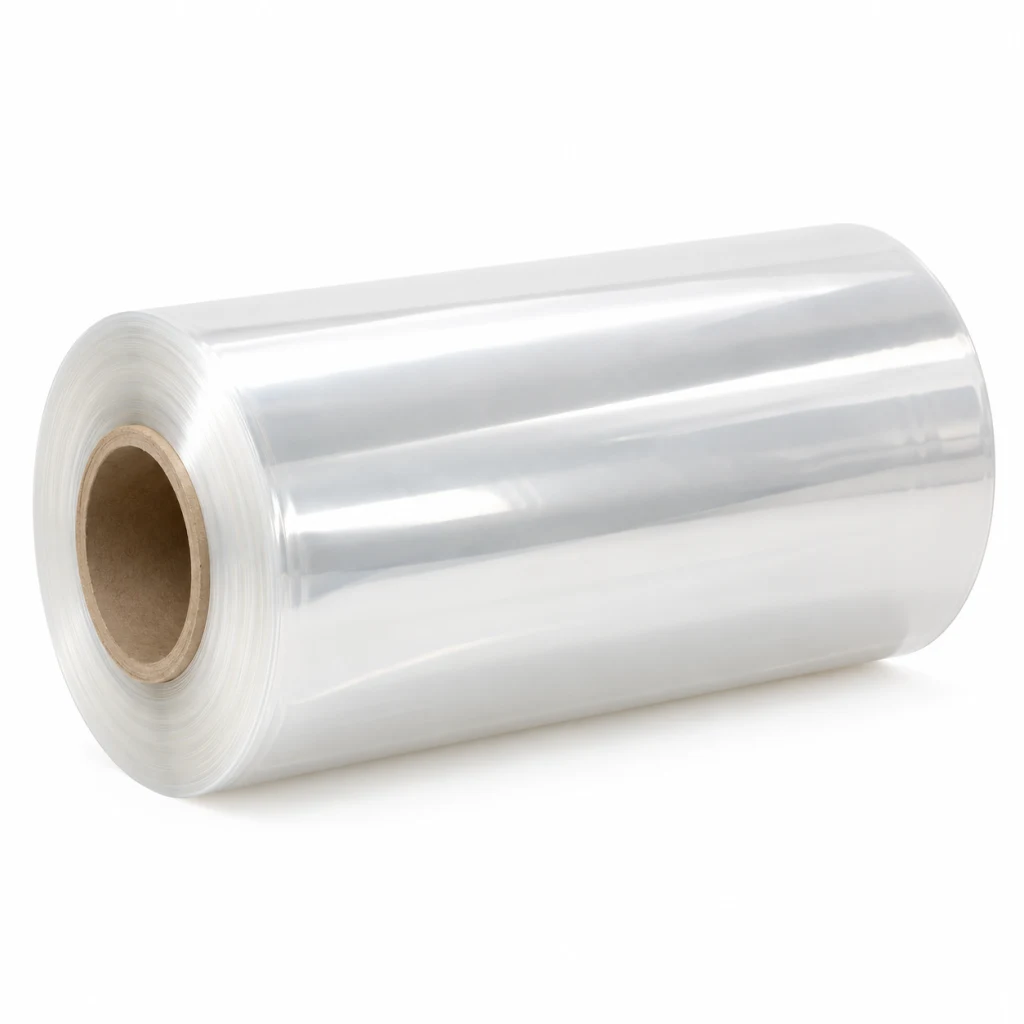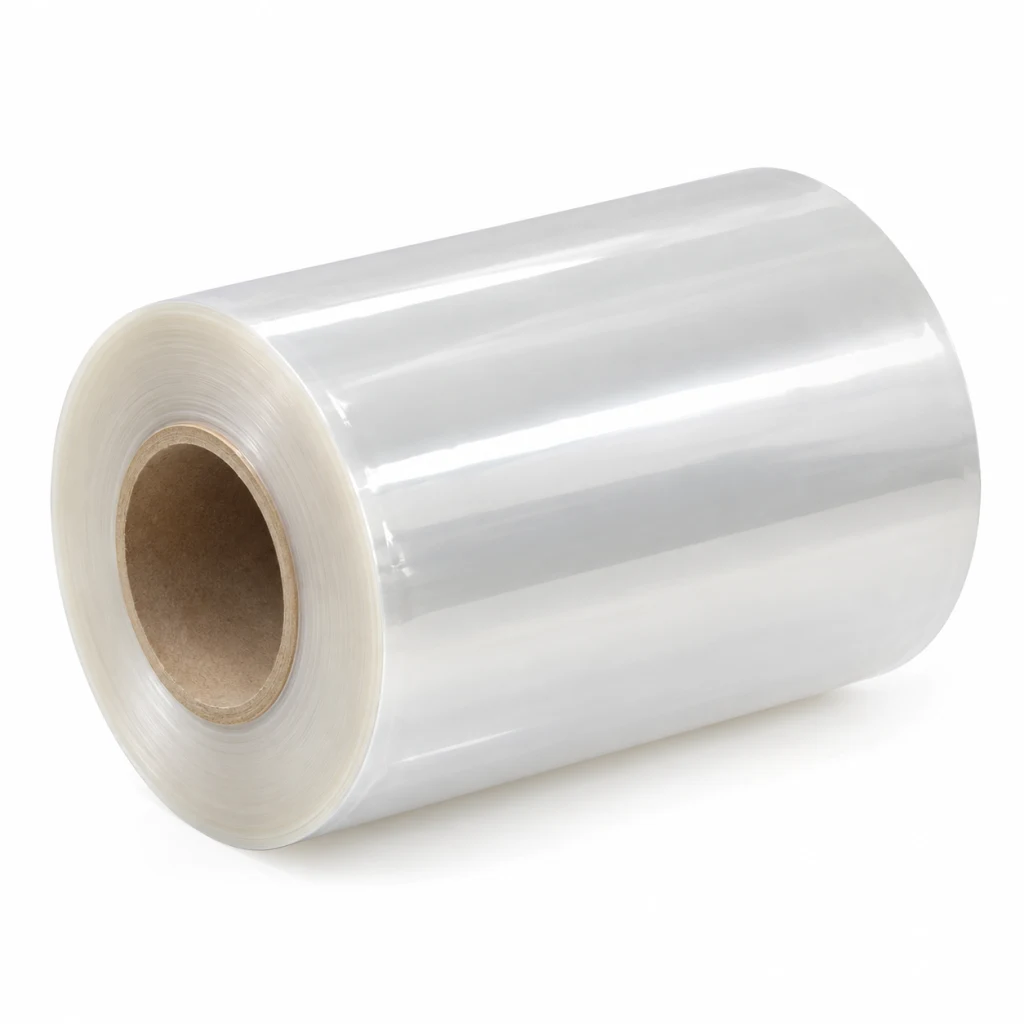
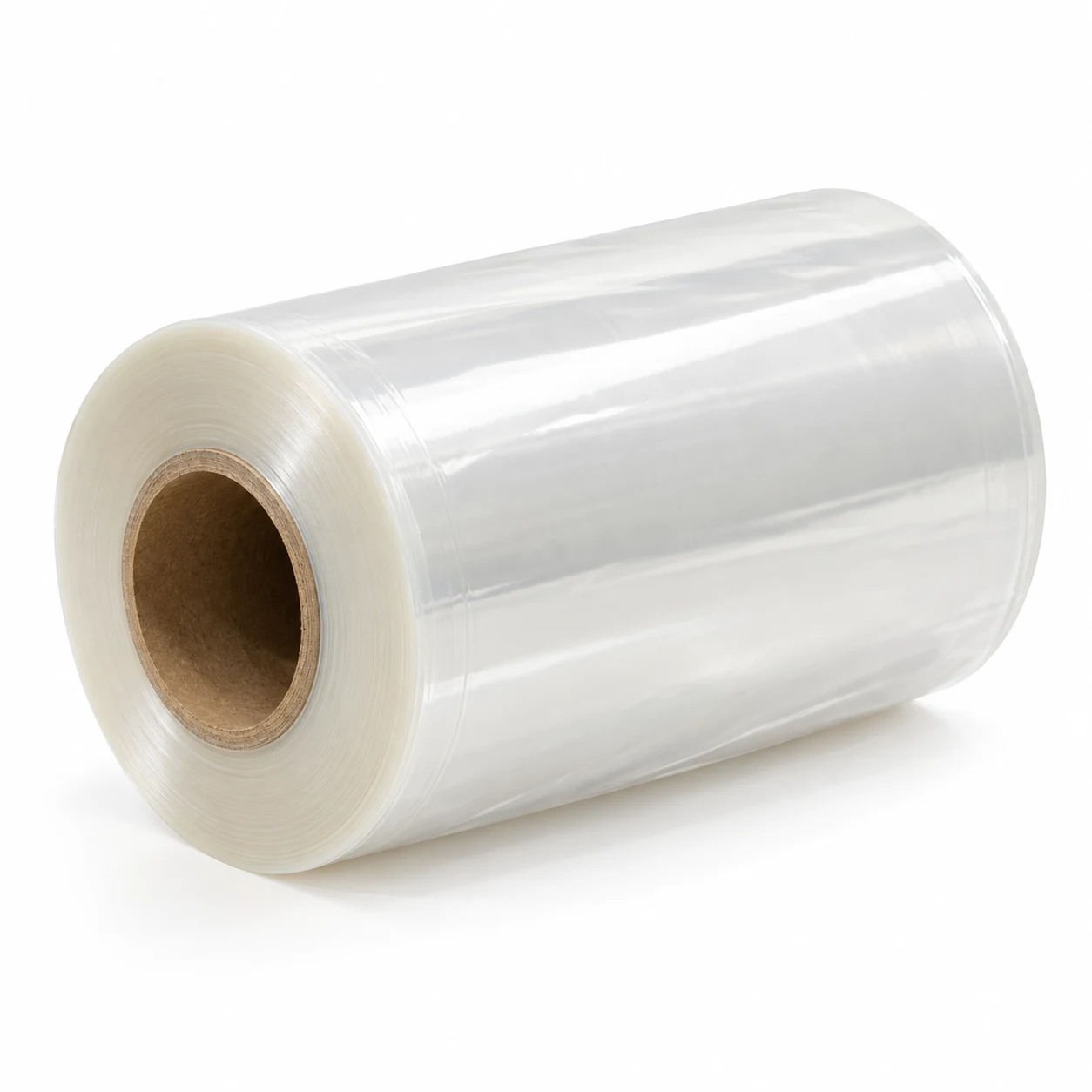
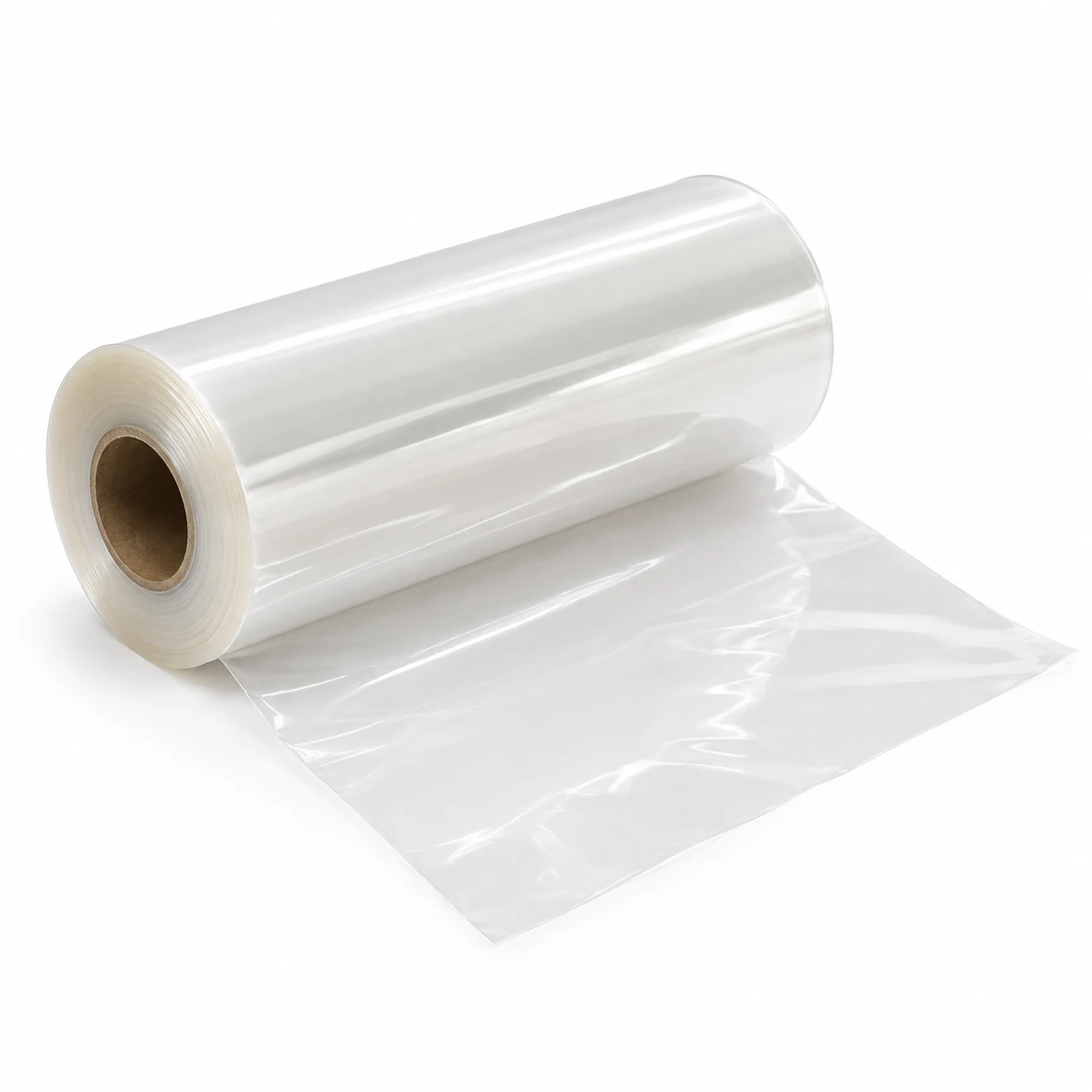
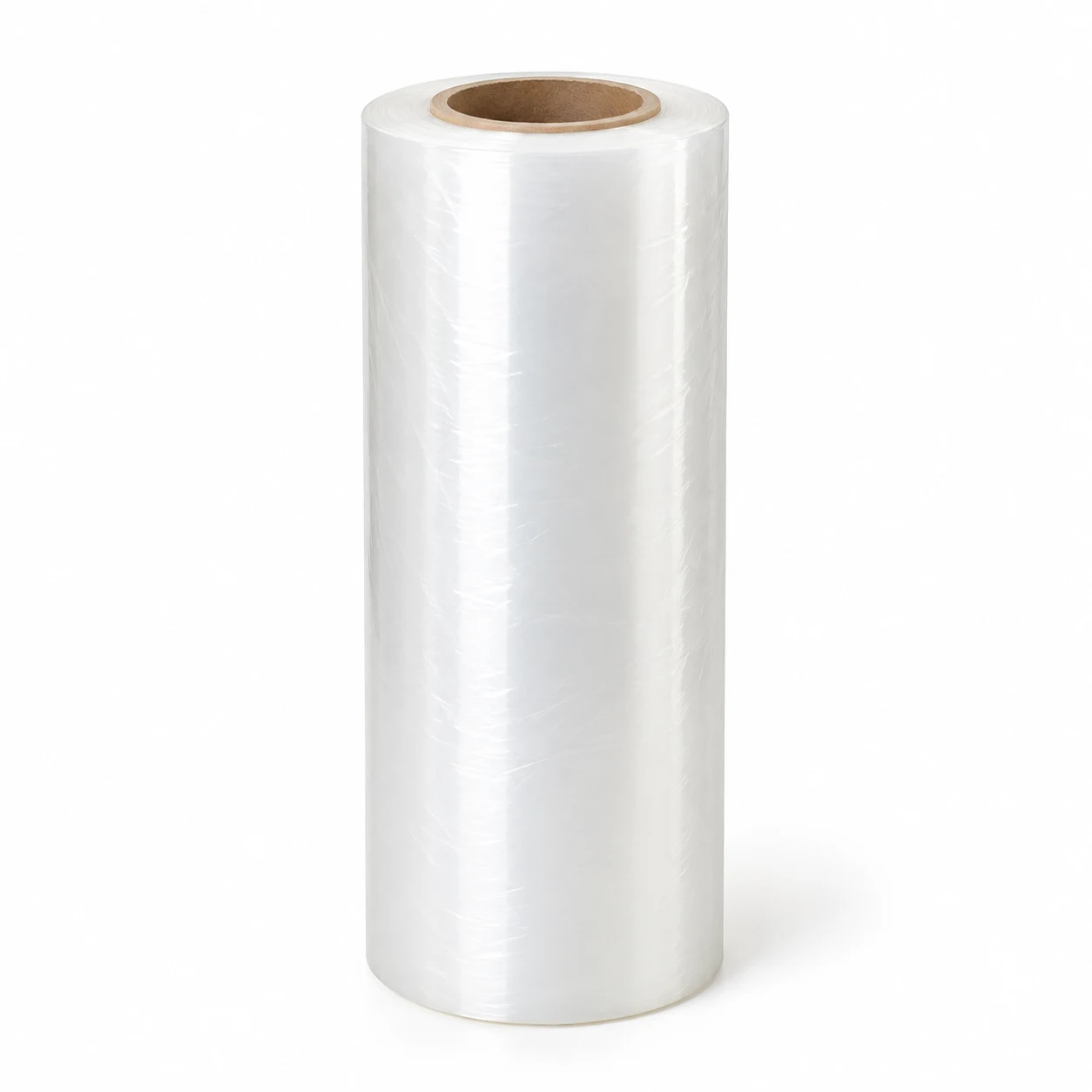
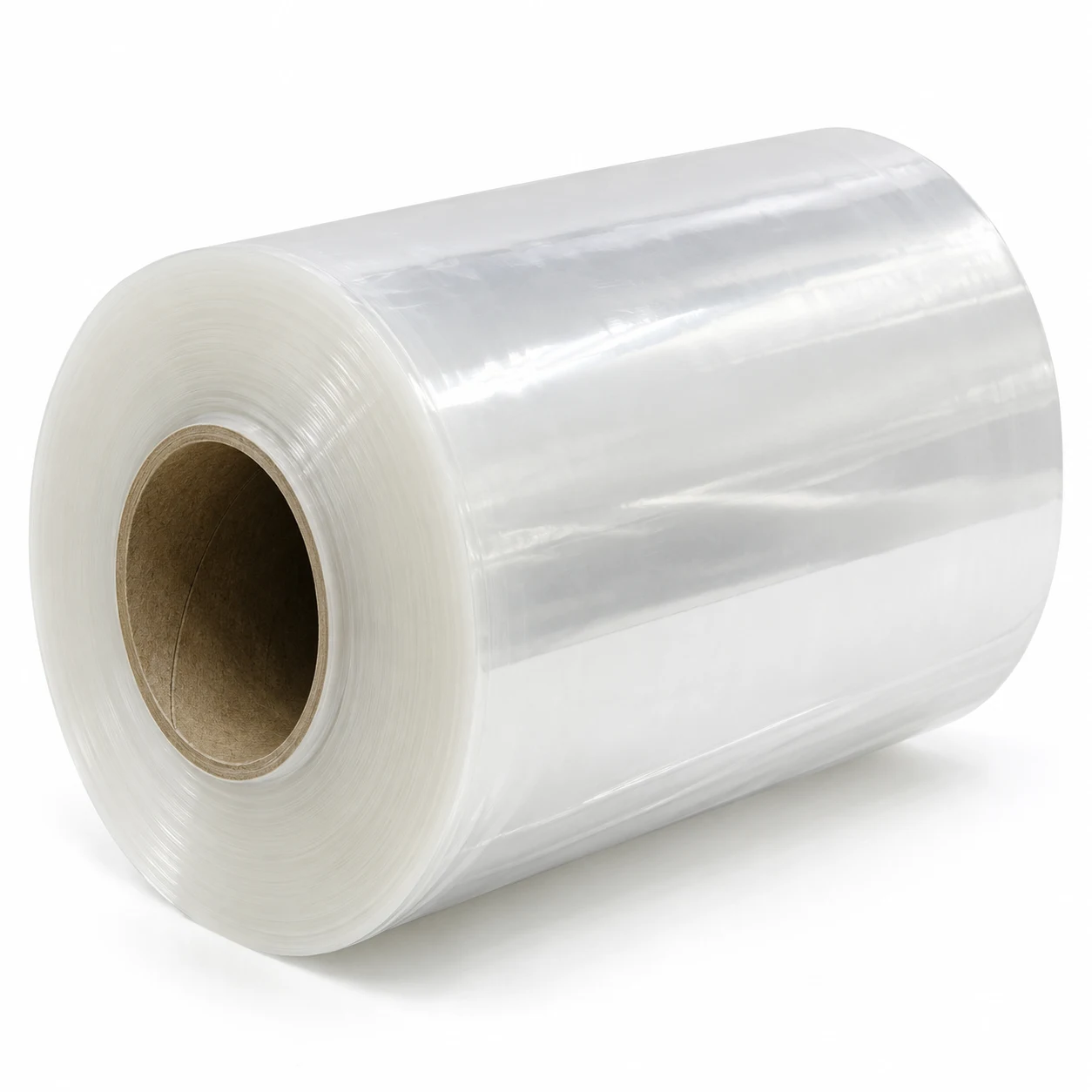
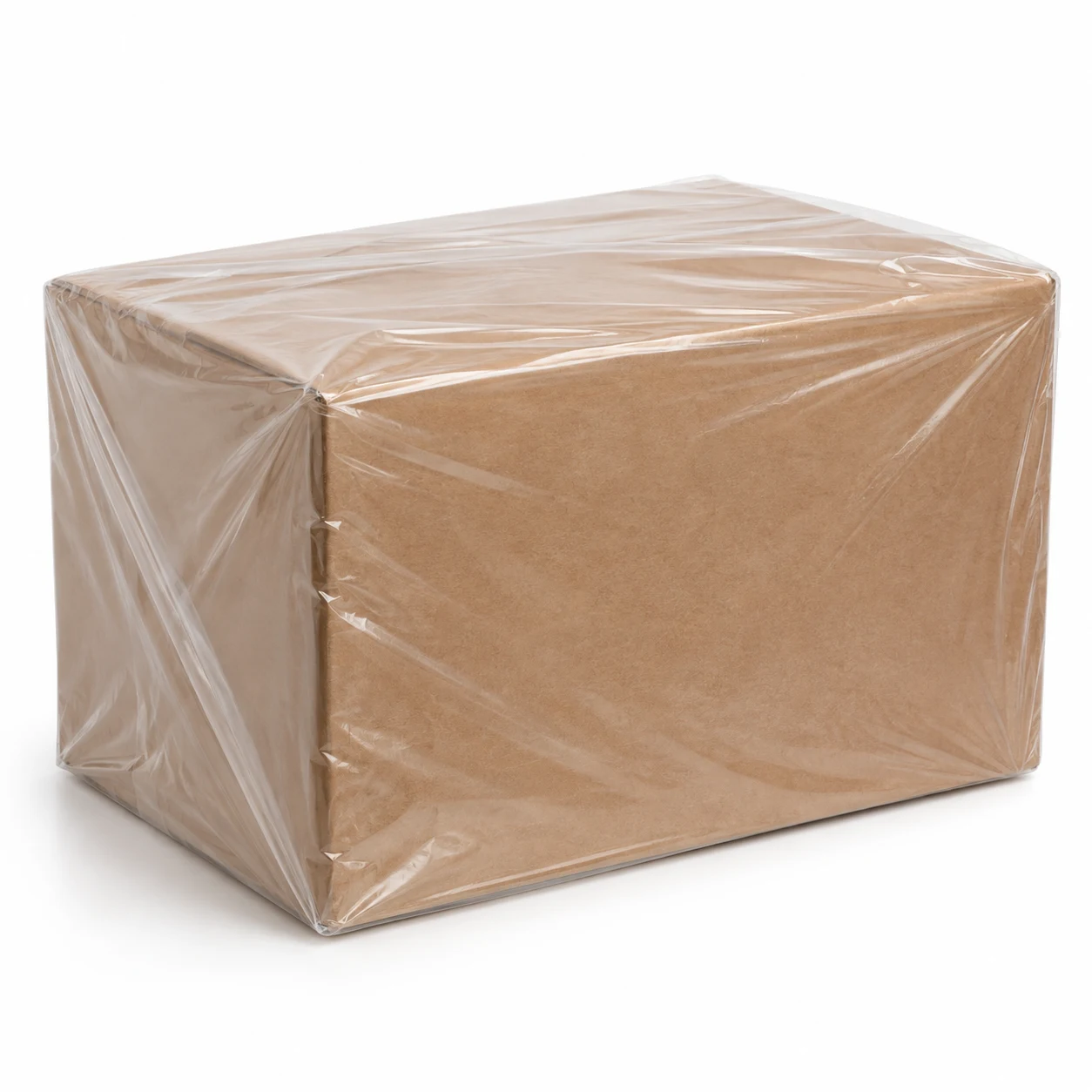
Custom biodegradable film — made to order: width, thickness and blend ratio are all specified per run.
PLA and PBAT films break down after use instead of persisting. PLA is made from fermented plant sugars and is rigid and clear; PBAT is a flexible co-polyester that gives the blend the softness and tear resistance PLA lacks on its own. Blended, they make a film that handles like conventional packaging and does not outlive its contents by four centuries.
The honest trade-off
Barrier. Oxygen is 1 of 5 and moisture is 1 of 5, and no amount of formulation changes that fundamentally — these are not high-barrier films and they never will be. That makes them right for fresh produce, bakery, takeaway and daily goods, where the product turns over in days, and wrong for coffee, nuts or anything with a long shelf life to protect. A brand that needs both a green claim and a real barrier is usually looking at a kraft paper structure instead.
Certification and ordering
PLA, PBAT, a PLA/PBAT blend, or compostable-certified film where the claim has to be provable in a specific market. Width, thickness and blend ratio are made to order. Certification matters more here than anywhere else in the catalogue, because “biodegradable” means different things in different jurisdictions — export packaging compliance covers what has to travel with the goods, and quality and compliance lists what we hold.
What moves the price
Certification, more than material. PLA and PBAT cost more than conventional polymers to begin with, and a certified compostable film — tested and documented against the standard of a specific market — costs more again. Blend ratio moves both price and performance: more PBAT gives flexibility and tear resistance, more PLA gives rigidity and clarity. Quantities are typically smaller here, which raises the unit cost further, so the honest framing is that this film is bought for a claim rather than for a saving.
Where it goes wrong
Specifying it for a product with a shelf life. At 1 of 5 on both oxygen and moisture this film protects nothing for long, and a brand that moves coffee or nuts into it will get complaints rather than compliments. The second is making a compostability claim the destination market cannot honour — most certifications assume industrial composting conditions, and where no collection exists the claim is legally exposed as well as practically empty. The third is assuming biodegradable and compostable mean the same thing. They do not, and only one of them is defined.
Where custom biodegradable film is used
Fresh produce, bakery, takeaway and daily goods sold through in days — and, honestly, nowhere that needs a real barrier. The snack and bakery page covers the category where it genuinely fits. Where a brand needs a green claim and a long shelf life at once, the usual answer is a kraft structure rather than a compostable film, and laminate against mono-material structures explains the trade in full. What has to be provable, and in which market, is in export packaging compliance.
What to send us for a quotation
A quotation for custom biodegradable film is written against a specification, so the more of this you can send, the closer the first number is to the real one: which structure, or the shelf life and the product so we can choose one — PLA / PBAT are available here; the temperature the pack has to survive, from filling through to how the customer opens it (chilled to ambient for this product); the line it runs on — this one is specified for eco-branded packaging and Biodegradable bags; which options you want fitted: pLA, PBAT and PLA/PBAT blend; the values for width, Thickness and Blend ratio.
Send the fill weight and the quantity with it. Where you already buy something similar, a sample is worth more than a description — we measure what is actually there rather than quoting against how it was once written down.
Food-contact and export requirements are set out in FDA 21 CFR 177, the US rule for food-contact polymers; the declarations for this structure are issued with the order.