
Custom flexible packaging for global brands
High-performance pouches, coffee bags and rollstock films, engineered for protection, shelf appeal and sustainability. Custom solutions. Consistent quality. Global supply.
Popular solutions
The ways customers most often come to us — by format, by product, or by what the pack has to do.
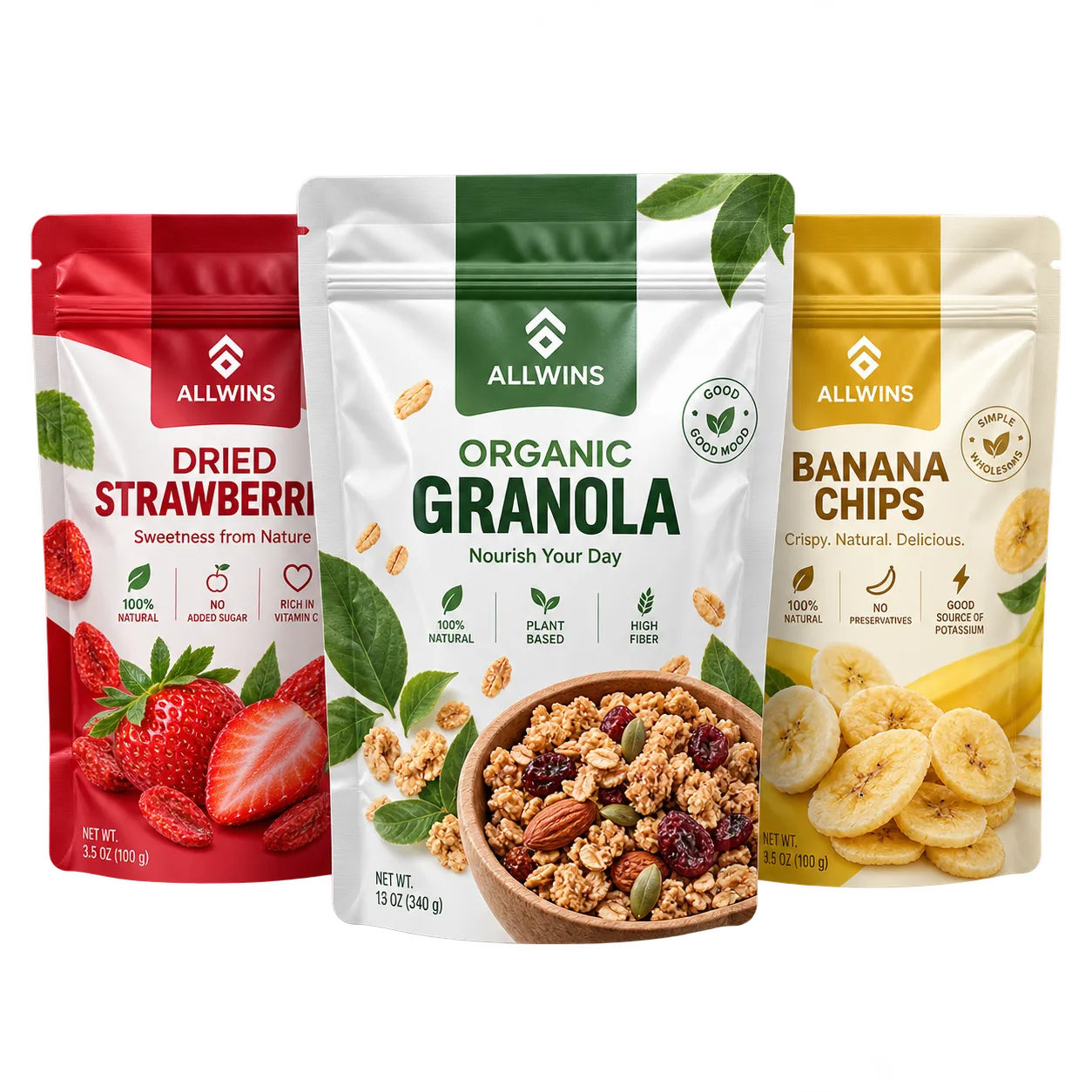
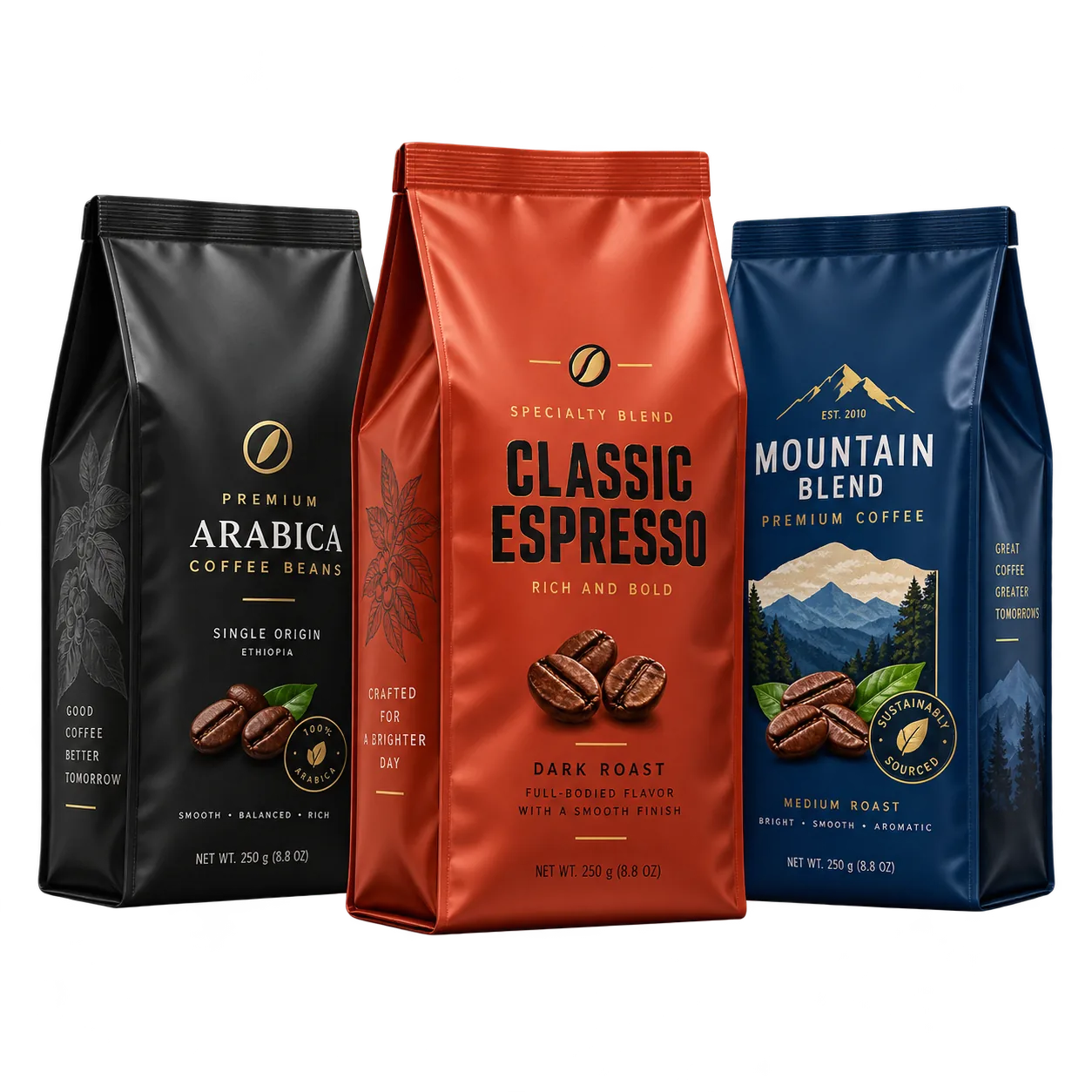
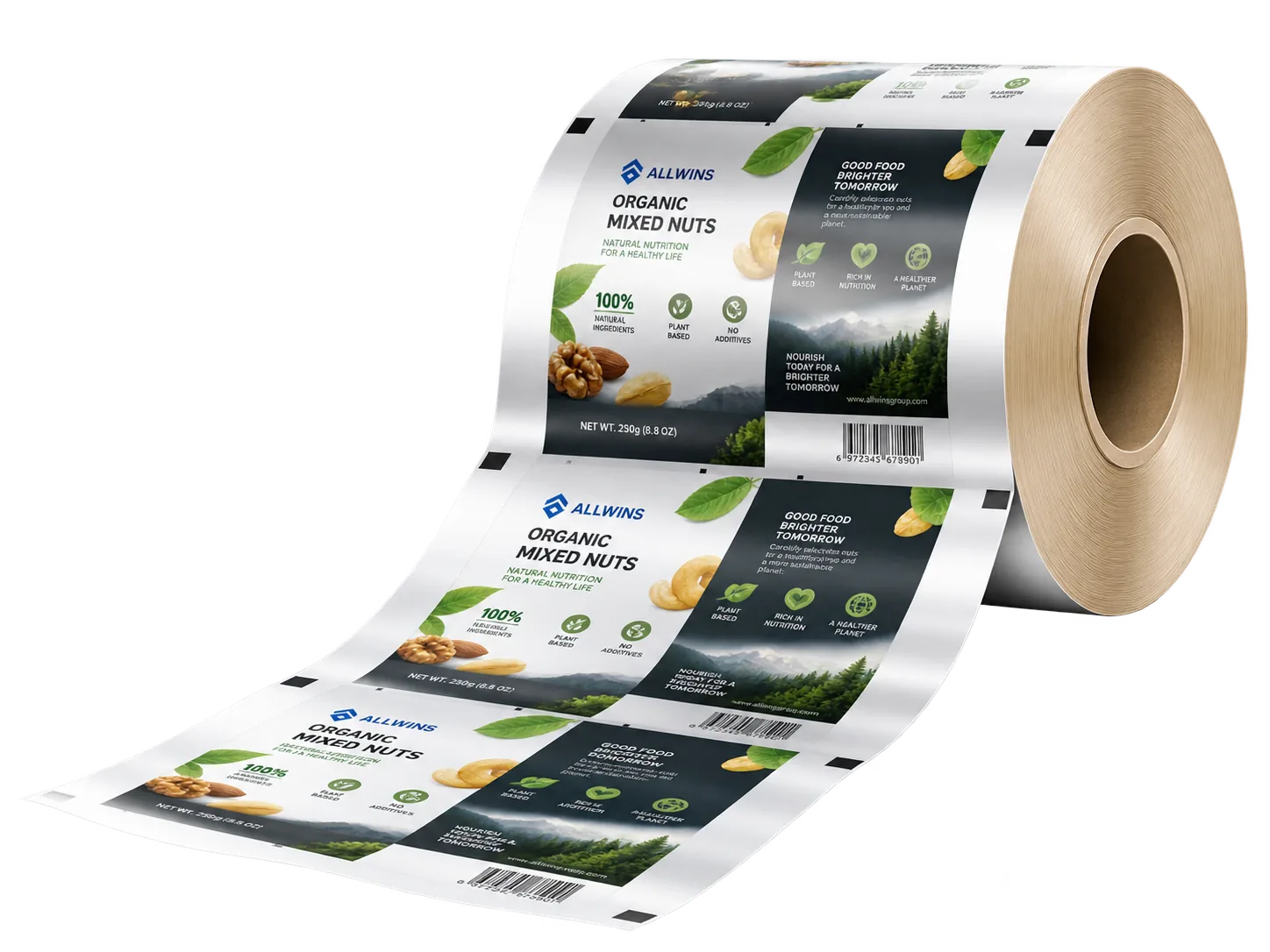
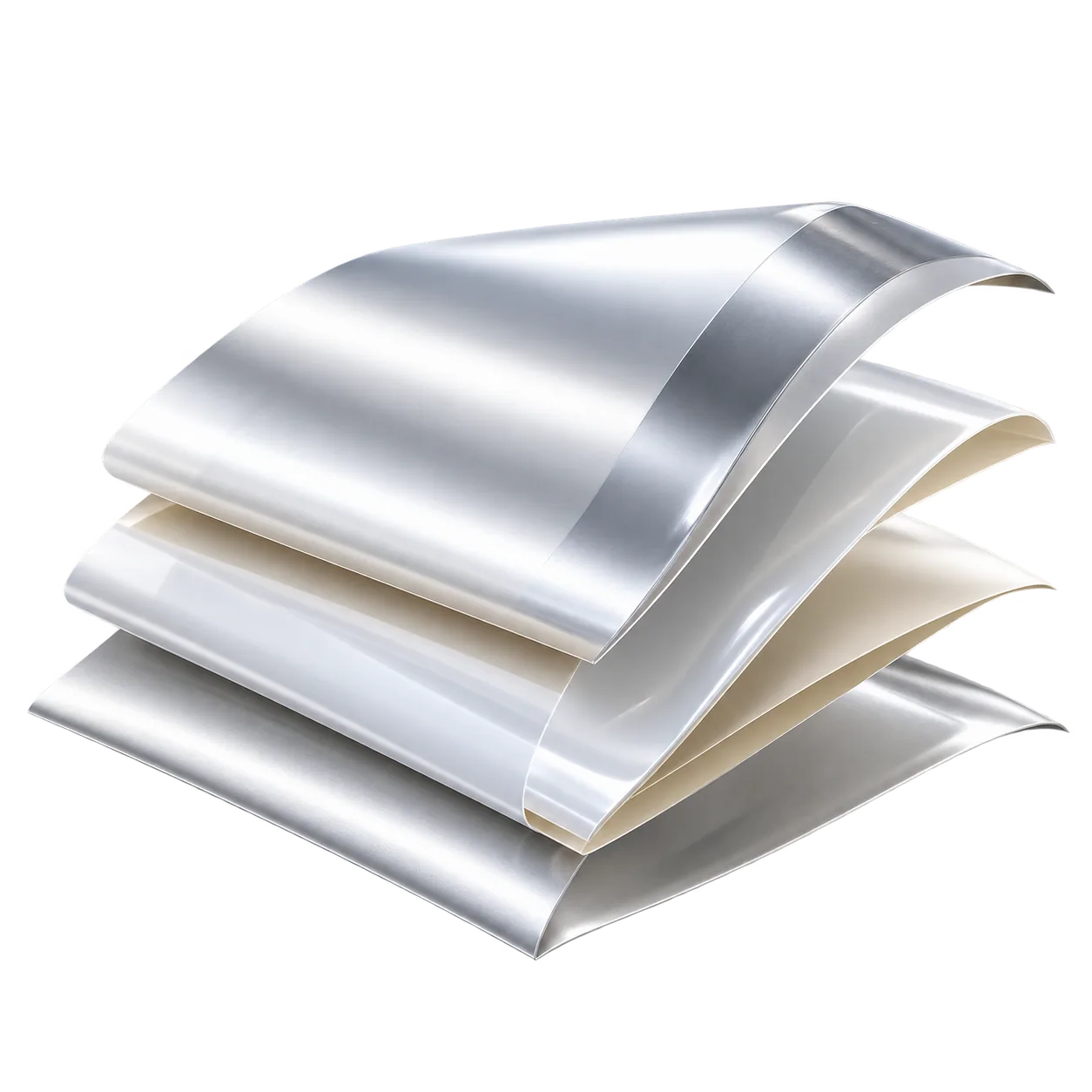
Industries we serve
Nine industries, each with a page on what it does to a pack and which formats answer it.
Material and barrier solutions
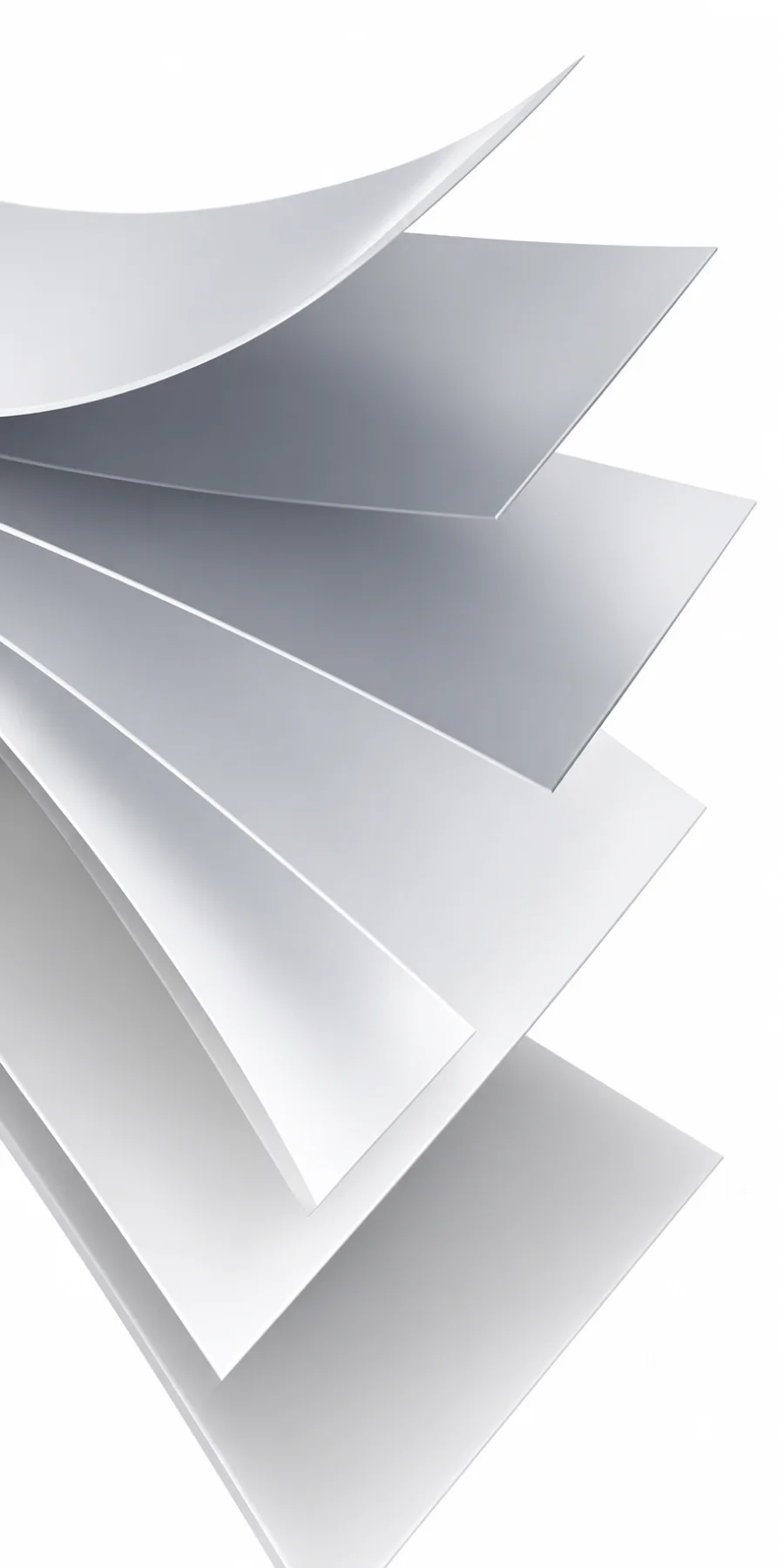
PET
Print surface and strength
AL / EVOH / VMPET
Barrier to oxygen and moisture
PE / CPP
Sealability and flexibility
Custom structures
Tailored to your product needs
Printing and finishing options
Machine and material expertise
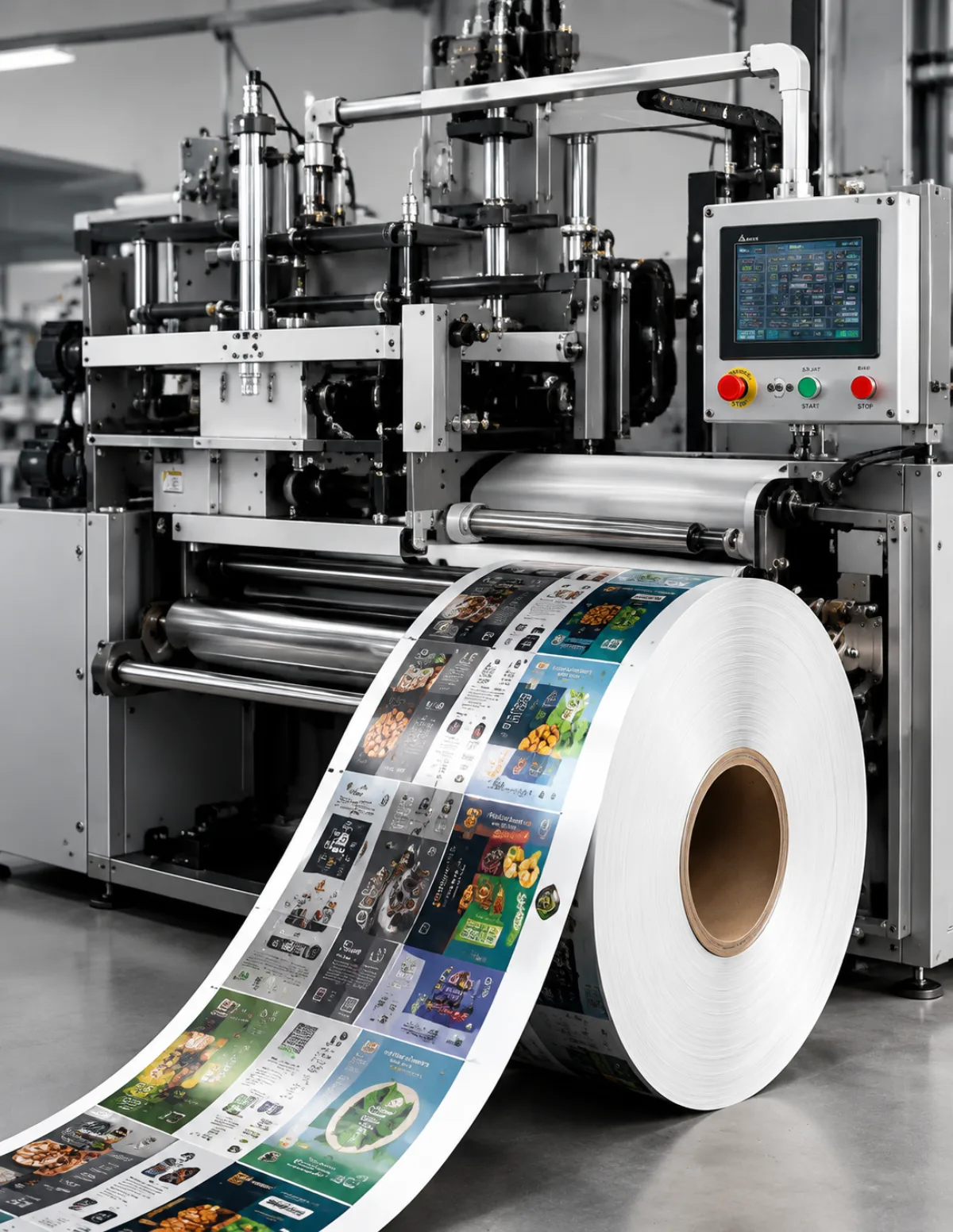
Our materials are specified for leading packaging machines, which is what keeps a line running smoothly at speed with little waste.
Form-fill-seal compatibility
Consistent seal performance
Reduced downtime
Technical support and trials
Resources and insights
Flexible packaging guide
Learn the basics and benefits of flexible packaging.
How to choose the right film structure
Key factors for product protection and shelf life.
Sustainability in flexible packaging
Recyclable and bio-based solutions for a better future.
Frequently asked questions
Answers to common questions about our materials and services.
How a packaging specification gets written
Everything here is made to order, so nothing has a price until there is a specification. This is how one is arrived at.
What the product needs
Four questions decide the structure, and they are asked in this order: what is the product sensitive to — oxygen, moisture, light, or all three; how is it filled and at what temperature; how long does it have to last; and what does it have to look like on a shelf. Everything after that follows. Our guide to choosing flexible packaging materials works through each one.
What the line needs
A film that suits the product and not the machine stops the line. Web width has to match the forming collar, seal initiation temperature has to match the jaws and the dwell time, and the coefficient of friction has to suit the former. This is the one thing a converter alone cannot answer and we can, because the group also sells the machinery — send the machine with the enquiry.
What the market needs
Food-contact rules differ between the United States, China and the European Union, and the difference usually sits in the adhesive or the ink rather than in the film. A recyclable or compostable claim has to hold where the pack is thrown away, not where it is filled. Both are decided before production, because both can change the structure. See quality and compliance.
What it costs, and why there is no price list
Size, thickness, structure, number of colours, print method and quantity each move the price, and they interact — a cheaper structure printed in fewer colours at a higher quantity is a different product from the one you started with. That is why the catalogue publishes specifications rather than prices, and why a quotation is issued against a written specification rather than a description.
Questions before a first order
Why are there no prices in the catalogue?
Because nothing here is a stock item. Size, thickness, structure, colours, print method and quantity all change the price and all interact, so a published figure would be wrong for almost every enquiry. Send a specification and a quantity and the quotation is a real number.
What is the minimum order quantity?
It depends on the format and the print method rather than on a company policy. Digital printing makes short runs viable because there are no cylinders to pay for; gravure needs volume to justify them. The product pages state what is available and the quotation states the minimum for your specification.
Can I get samples before ordering?
Yes. Unprinted samples of a structure are straightforward. Printed samples are quick on digital and require the cylinders to exist on gravure, which is why the dieline and the proof are approved carefully first.
How long does a first order take?
A first order runs longer than a repeat, because artwork, dielines, proofs and — for gravure — cylinder engraving all happen before production starts. Ask for both timings when you request a quote; the difference is usually substantial.
Do you supply the machinery as well as the material?
Yes. Packaging machinery is a separate division of the group, which is why we can specify film against a machine rather than against a product description alone.
Can you match packaging I already buy?
Usually. Send a sample and the specification if you have one. Where you do not, we can measure the structure and quote against what is actually there rather than against what it was once described as.
Let’s build the right packaging solution for you
Our team is ready to support your project from material selection to mass production.
Key Information
ALLWINS supplies custom flexible packaging — printed pouches, coffee bags and rollstock film — made to a buyer's own artwork, dimensions and barrier specification, with tooling paid once and spread across the run.
- Custom formats are built to the buyer's artwork, dimensions and barrier specification.
- Tooling and print plates are a one-off cost recovered across the run, which is what sets a minimum order.
- Gravure printing carries a cylinder charge per colour; digital printing carries none.
- A repeat order on existing artwork skips the proofing and tooling stage.
- Specifications are quoted against a named structure rather than a general barrier claim.
What is custom flexible packaging?
Pouches, bags and film made to a buyer's own artwork, size and barrier specification, rather than bought from stock in a standard size.
What drives the price of a custom pouch?
The structure and the print method before anything else. A foil laminate costs more per square metre than a clear film, and gravure carries a plate charge per colour that digital does not.
How long does a first custom order take?
About ten weeks from approved artwork to the container; four to six weeks for a repeat on existing artwork.