
Custom printing and finishing for high-impact packaging
From rotogravure to digital printing, matte and gloss finishes, soft-touch coating, clear windows, hot stamping, degassing valves and zippers — the customisation that makes flexible packaging stand out.
Printing methods
Two printing technologies, for two different kinds of job.
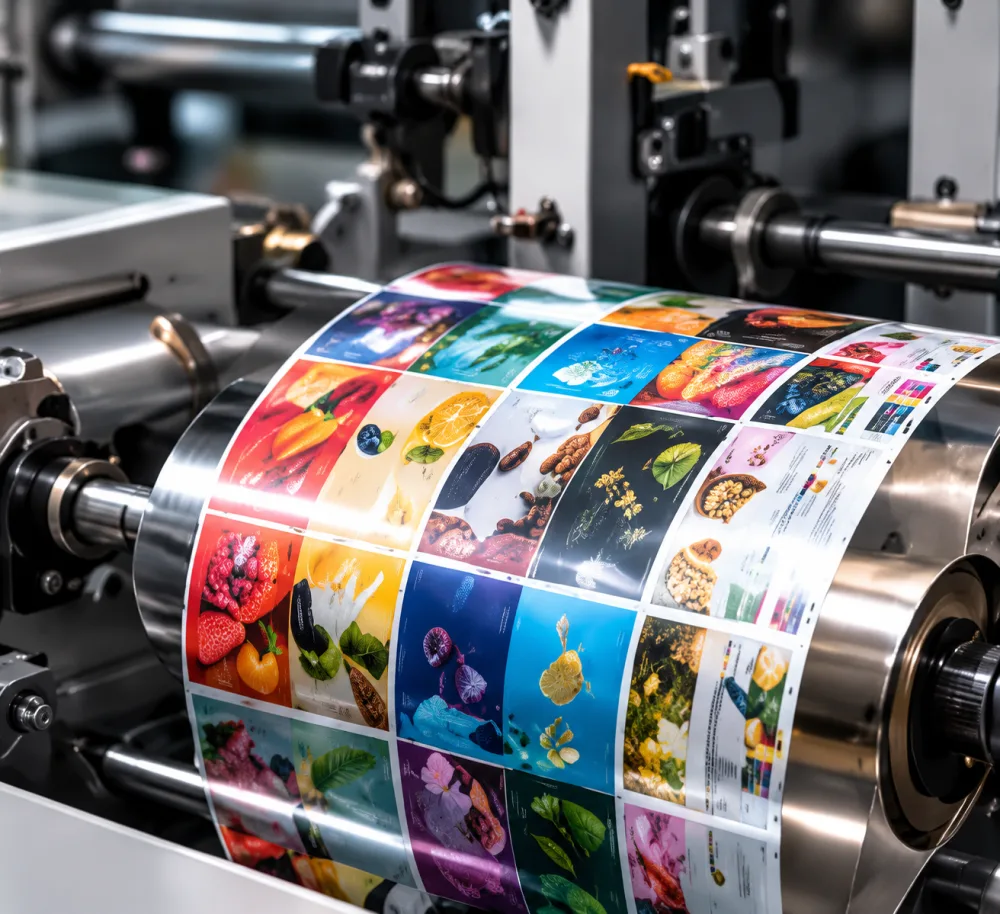
Gravure printing
Unmatched quality for high-volume production.
Exceptional print quality and colour consistency
Ideal for complex designs and large runs
Cost-effective at high volumes
Wide range of substrates and ink options
Best for: high-volume production, established brands, complex artwork.
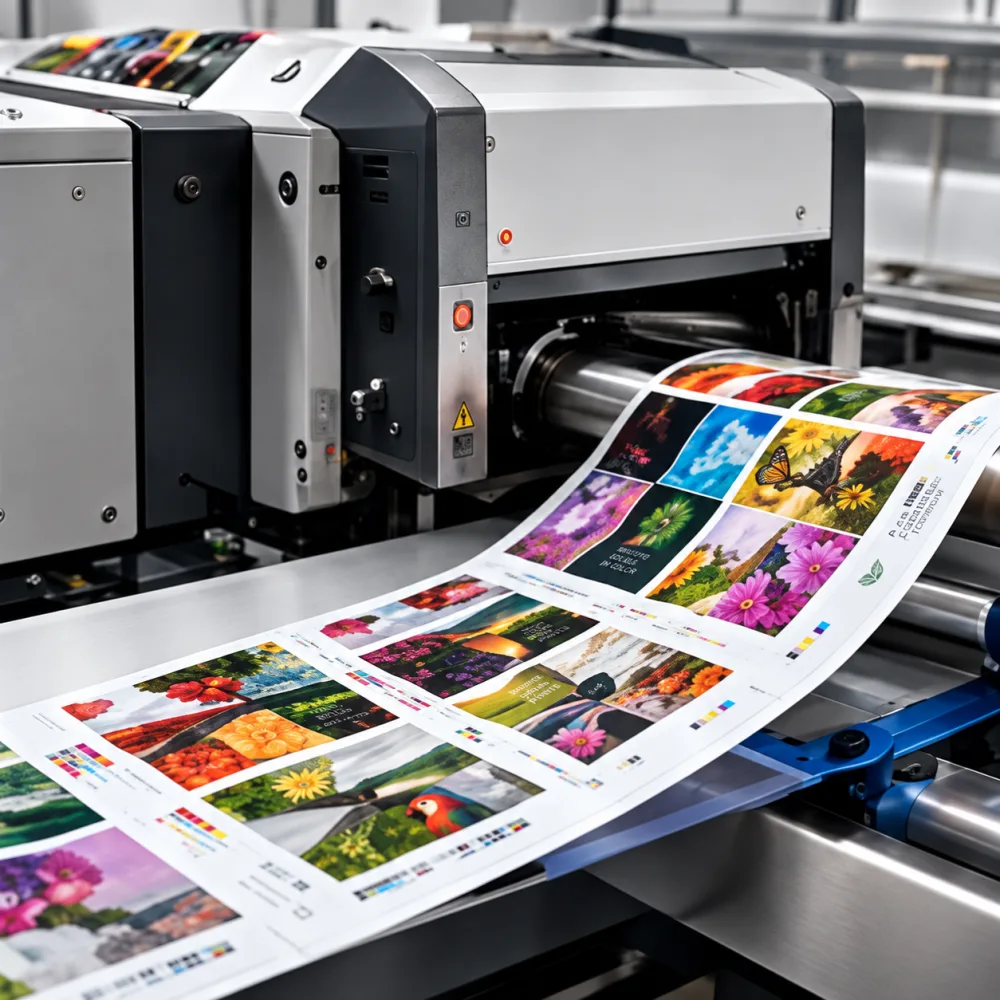
Digital printing
Flexible, fast and cost-efficient.
No plate fees, lower minimum order
Fast turnaround time
Ideal for short runs and multiple SKUs
Variable data printing capabilities
Best for: small to medium runs, seasonal packaging, multiple variants.
Finishing options
What the outside of the pack feels like, and what it does on a shelf.
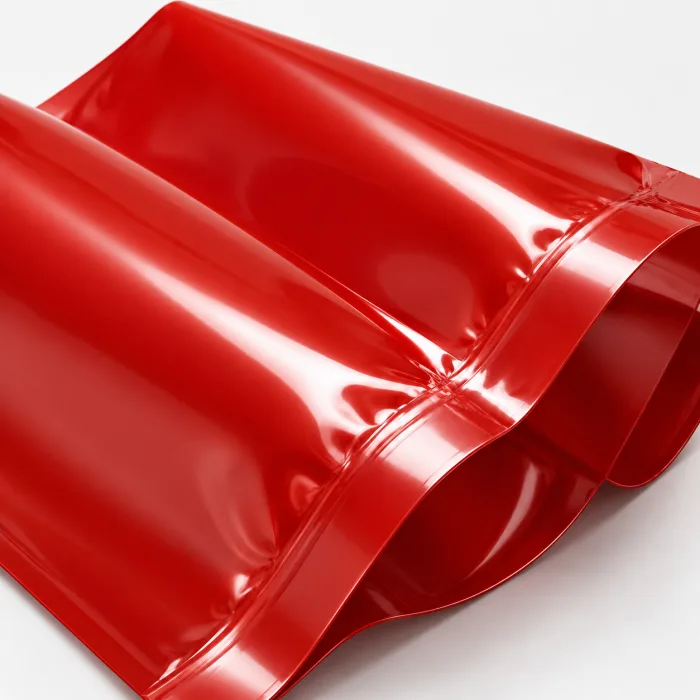
Matte finish
Modern, elegant appearance with reduced glare.
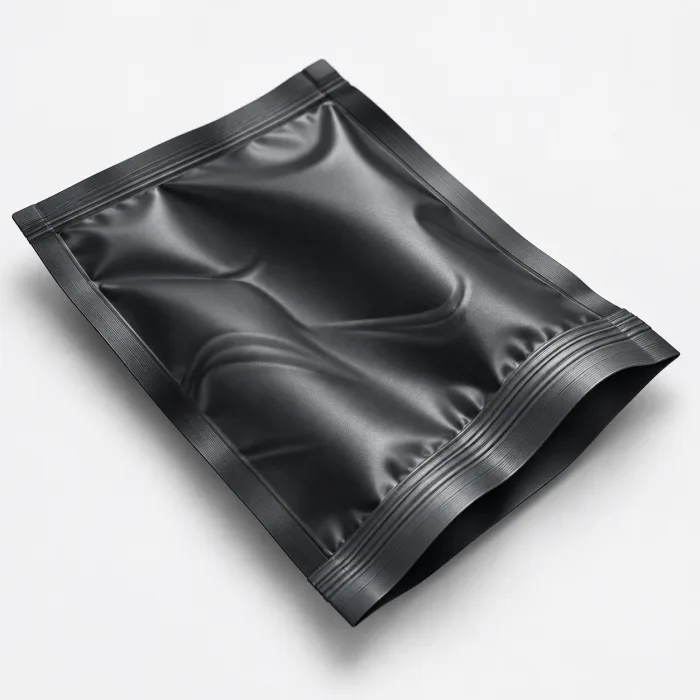
Gloss finish
Vibrant colours and a premium shine.
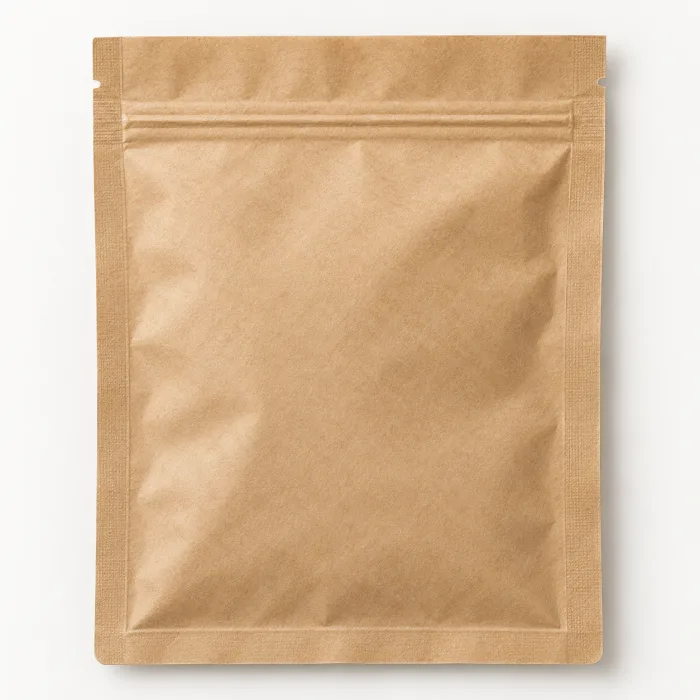
Soft touch
Silky, velvety feel for a luxurious look.
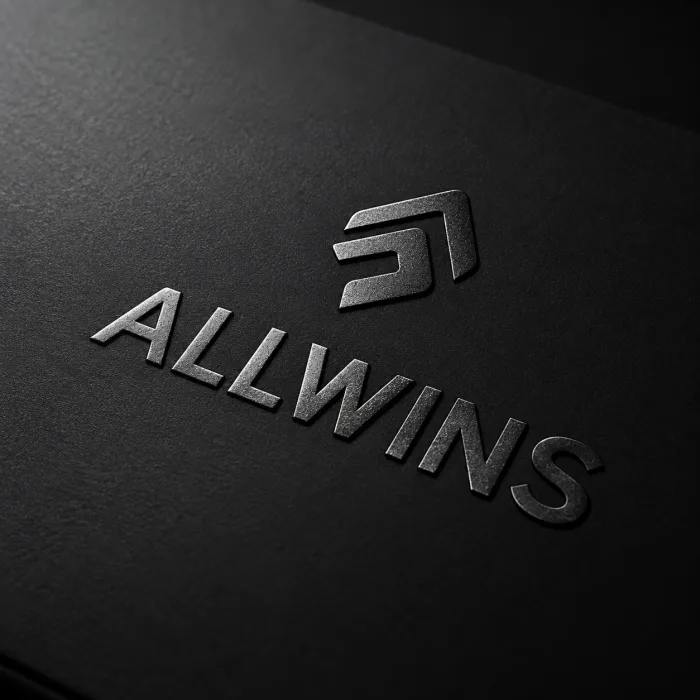
Kraft look
Natural, eco-friendly appearance.
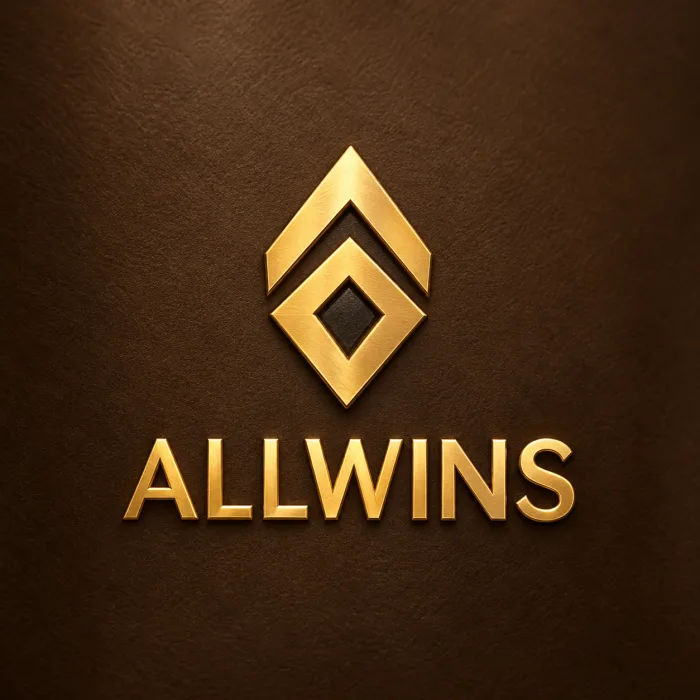
Spot UV
Glossy highlights for standout design elements.
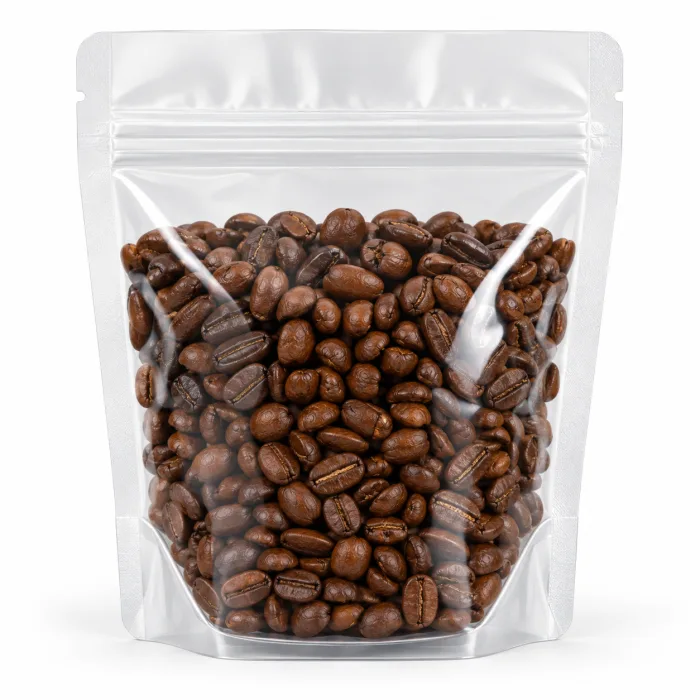
Hot stamping
Metallic accents for a premium look.
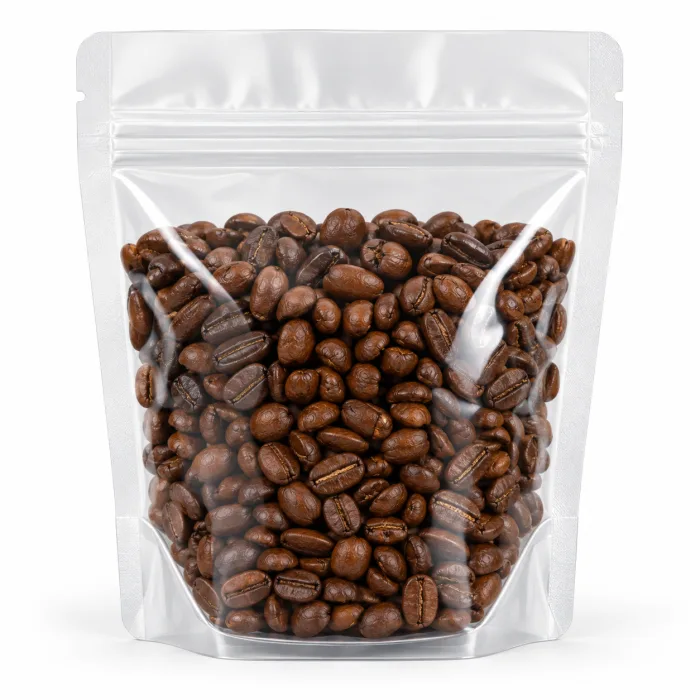
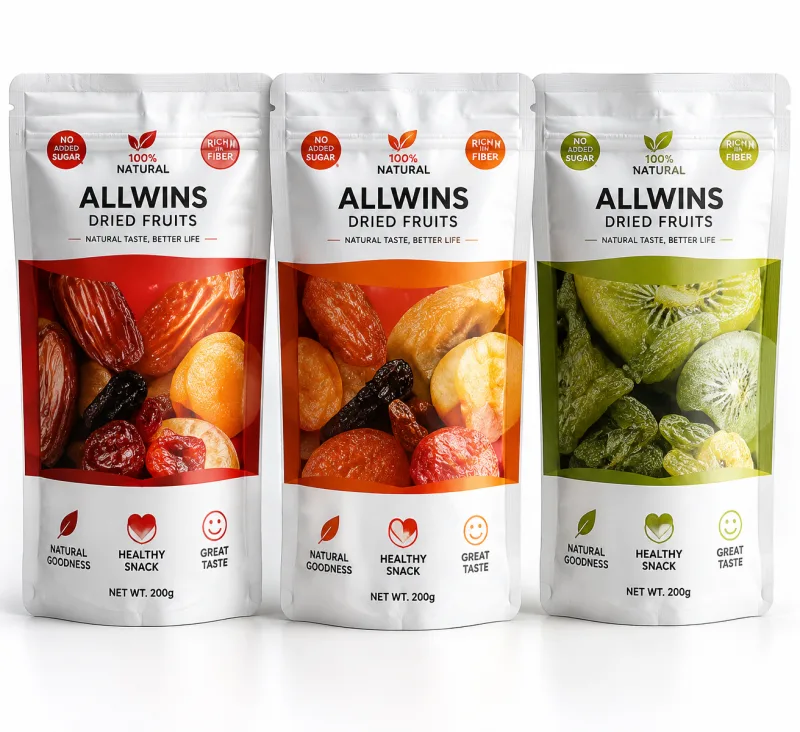
Clear window
Shows your product with clarity.
Functional add-ons
What can be built into the pack itself.
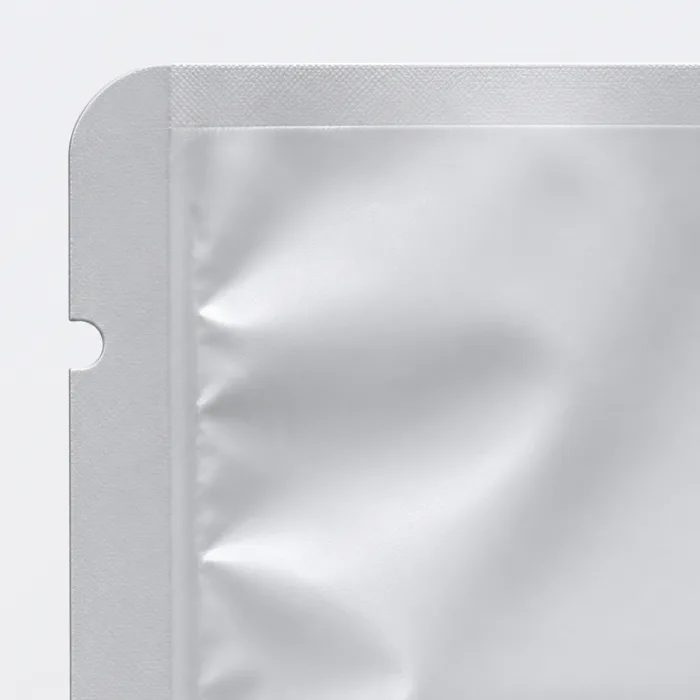
Tear Notch
Resealable options for freshness.
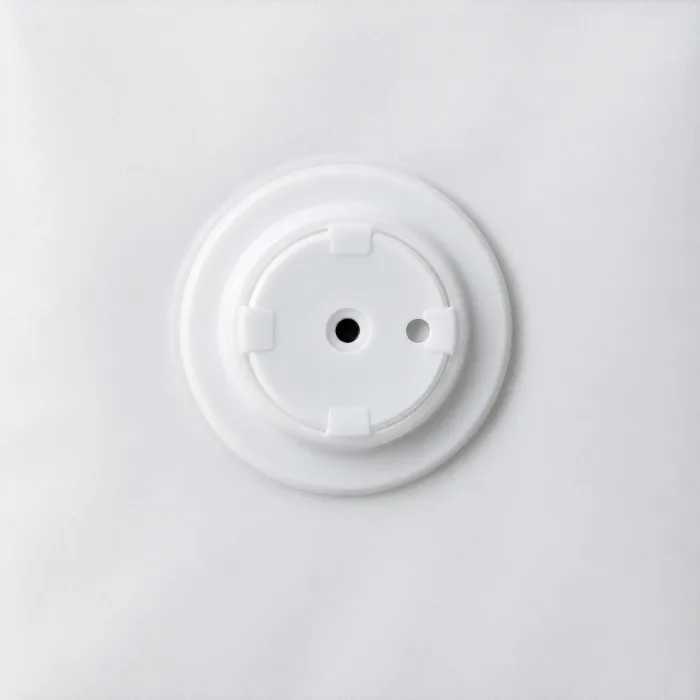
Degassing Valve
Easy-open convenience.
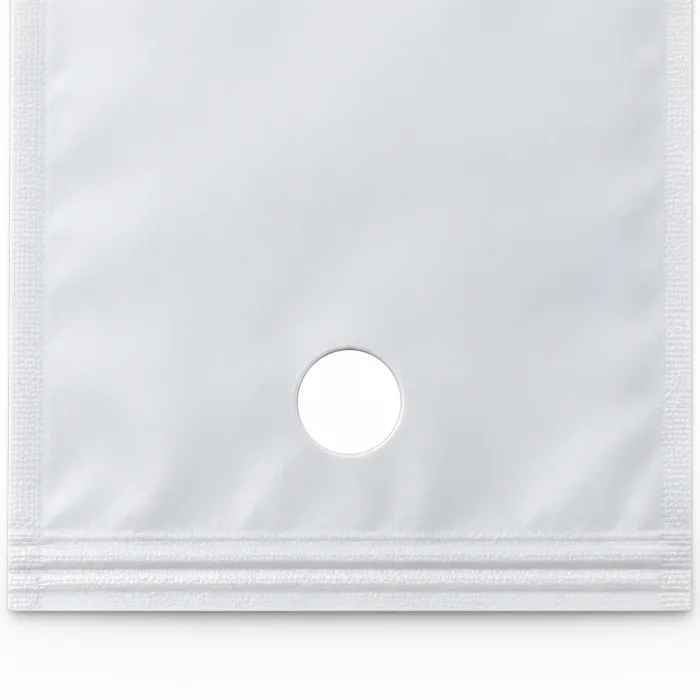
Hang Hole
Ideal for coffee and fresh roasted products.
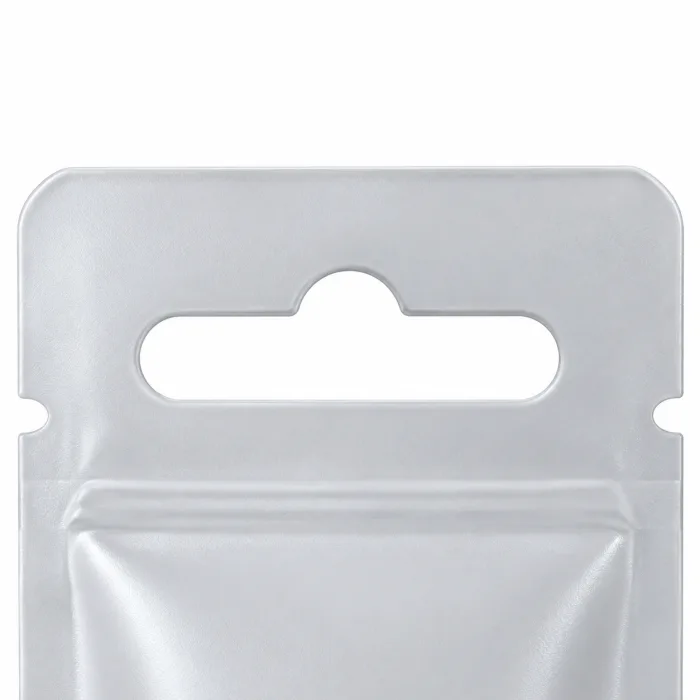
Euro Slot
Made for retail display.
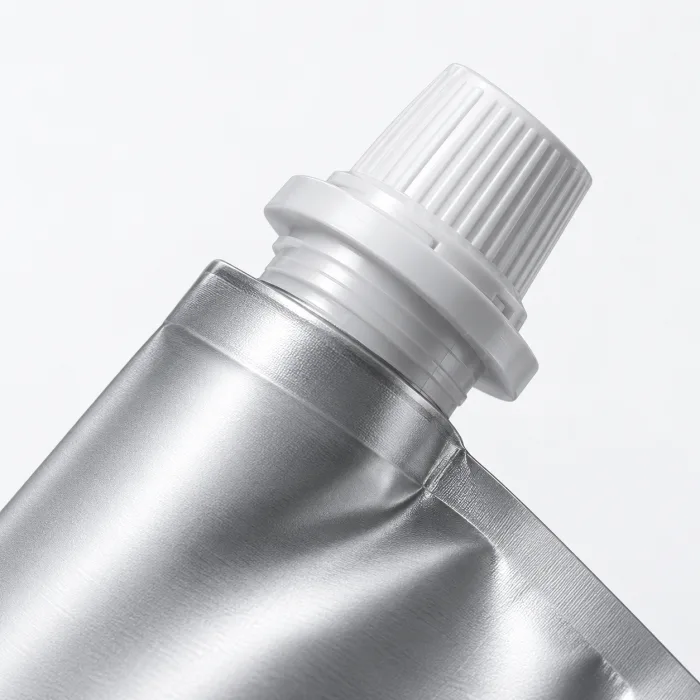
Spout
Widely used for retail shelving.
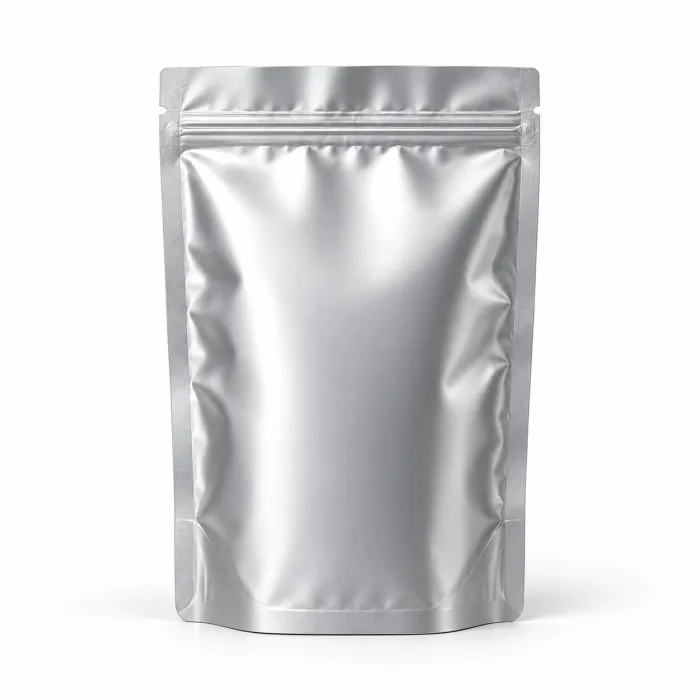
Retort-Compatible
Convenient for liquid and semi-liquid products.
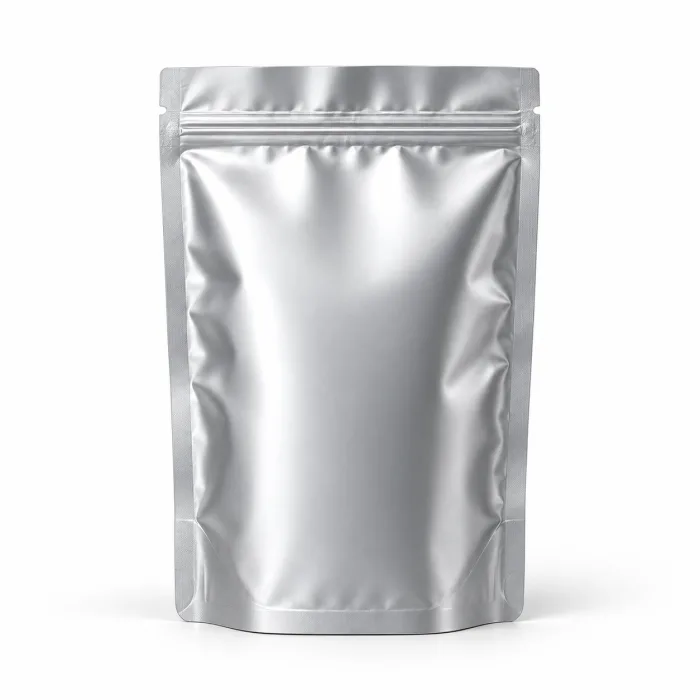
Zipper
Built for high-temperature retort processing.
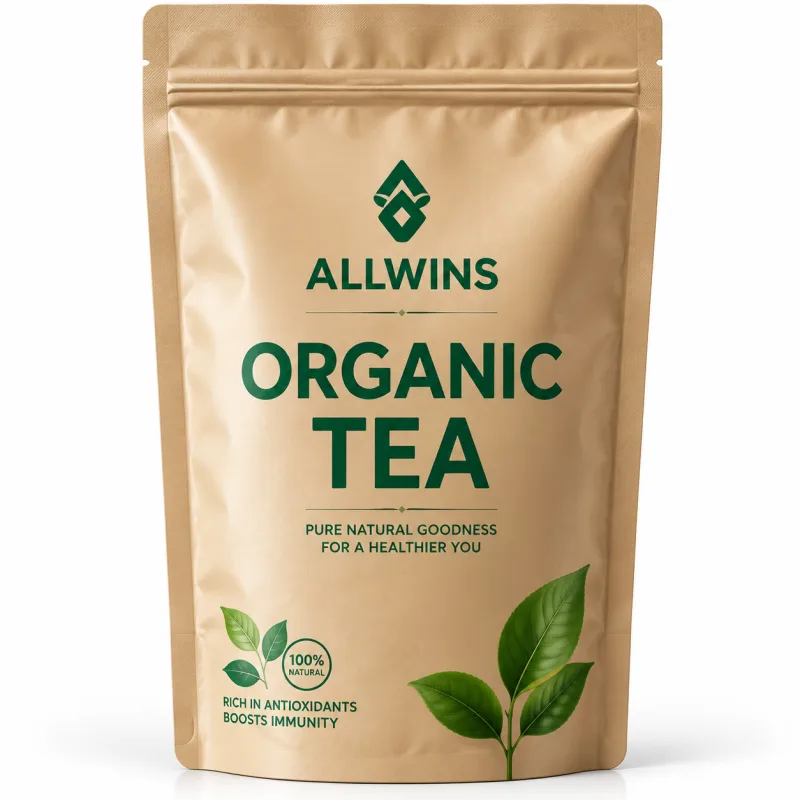
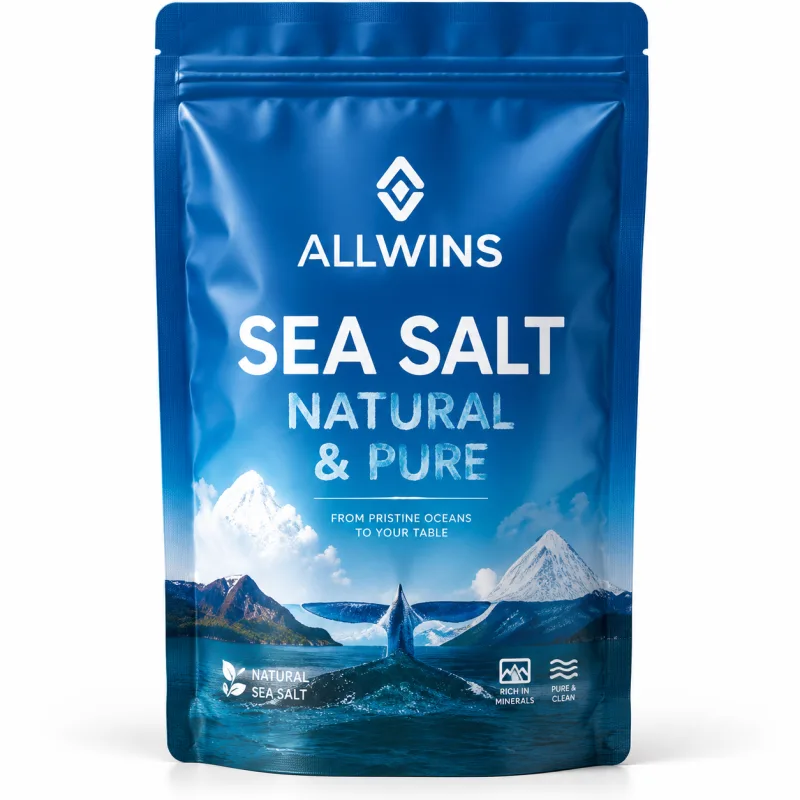
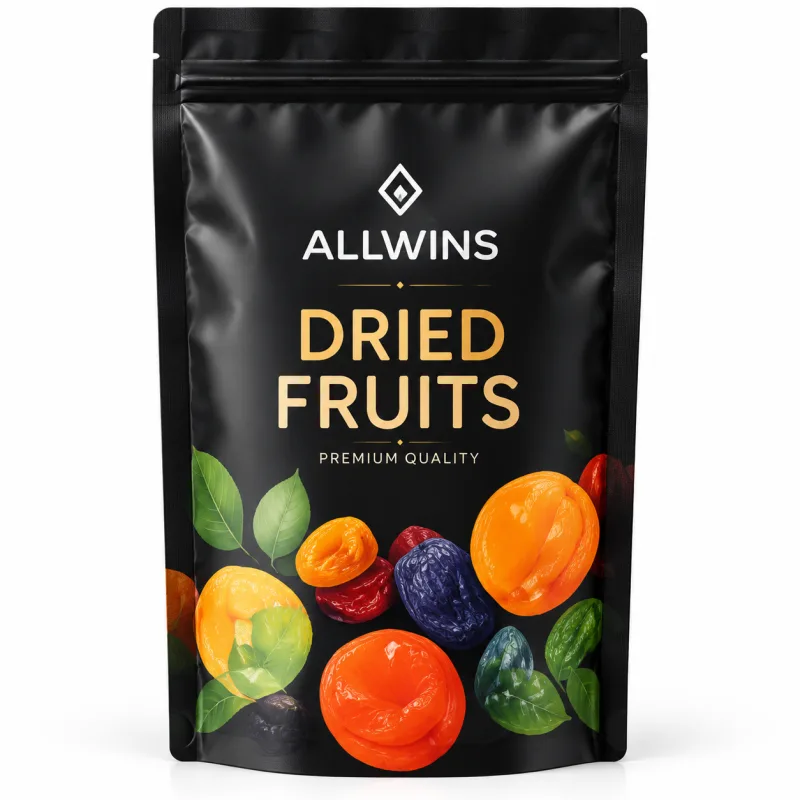
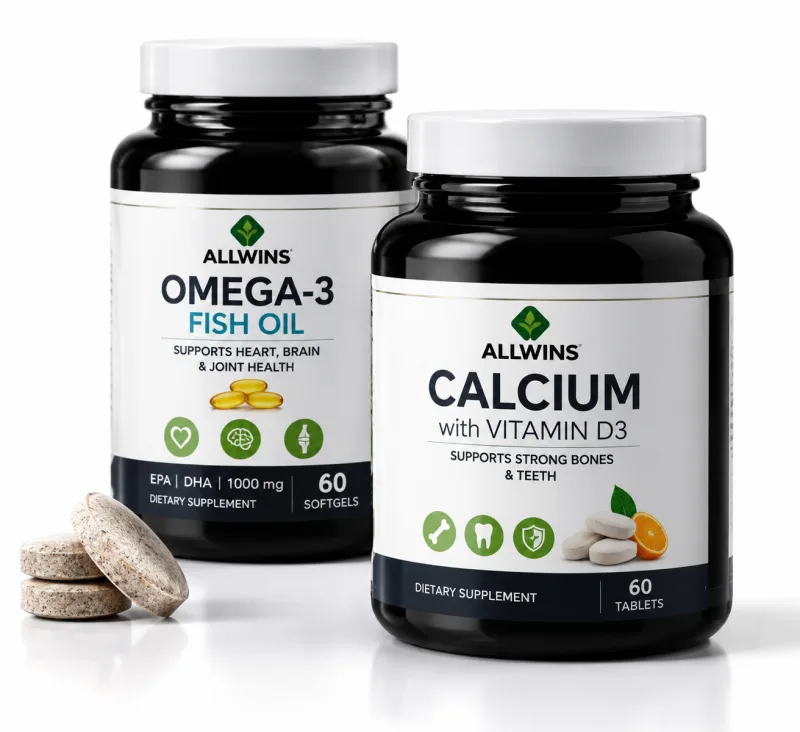
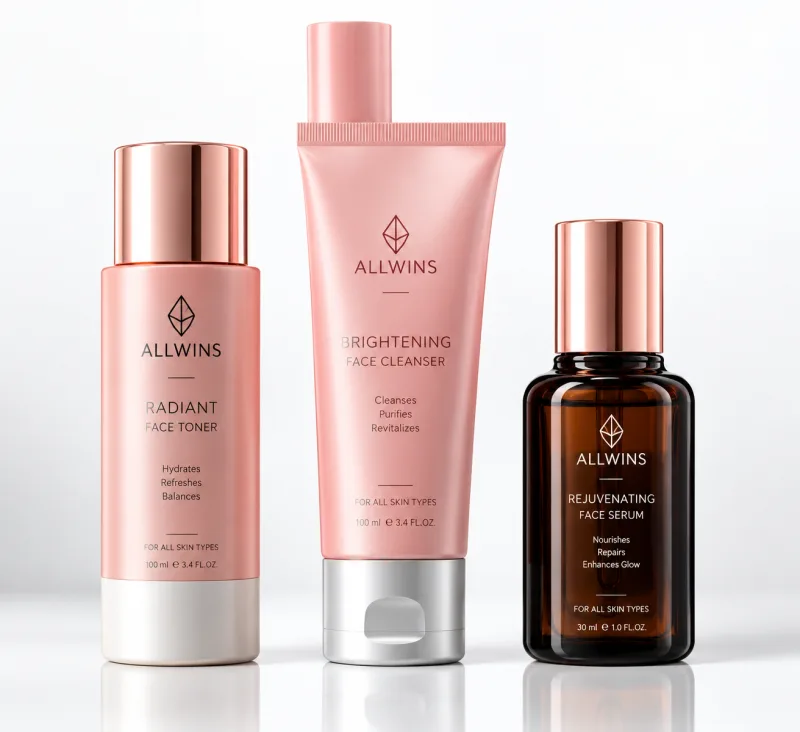
Sample packaging gallery
Real examples of what ALLWINS printing and finishing produces.
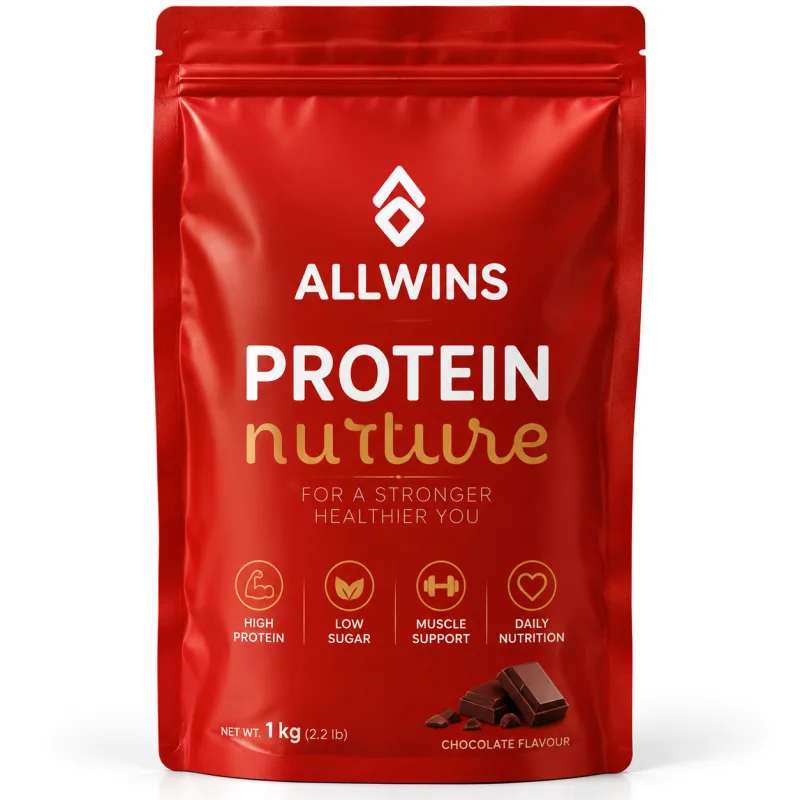
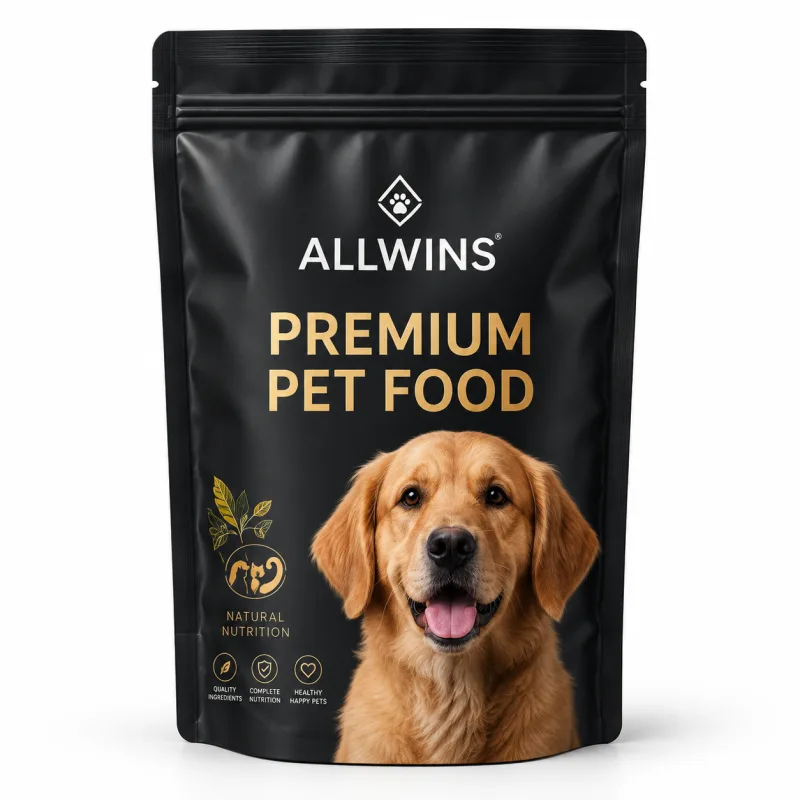
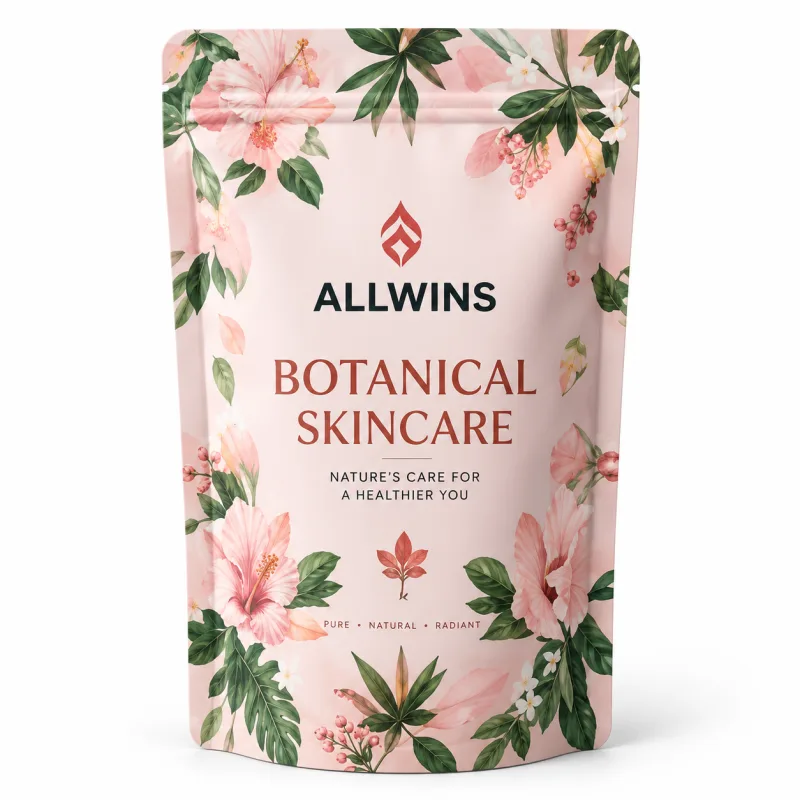
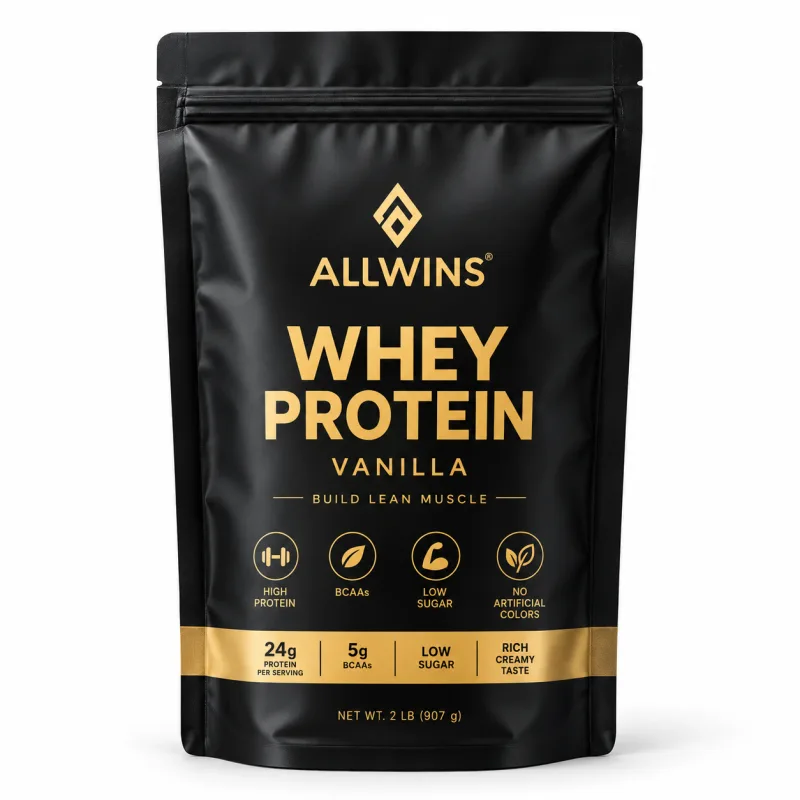
How the process works
From concept to completion, in five steps.
1
Design review
We discuss your ideas, requirements and target market.
2
Artwork setup
Our team prepares and optimises artwork for the best result.
3
Print approval
Digital or physical samples go to you for approval before production.
4
Production
High-quality printing and finishing under strict quality control.
5
Inspection and delivery
Final inspection and secure packaging for on-time delivery.
Recommended applications
Custom printing and finishing for every industry.
Gravure or digital: what actually decides it
Volume, not quality. Both reproduce artwork well; they cost money in completely different places.
Gravure
Each colour is engraved onto its own cylinder, and those cylinders are a one-off cost paid before anything is printed. Once they exist the running cost per metre is very low and the reproduction is excellent, including solid areas and metallic inks that digital struggles with. That makes gravure the right answer for long runs and for artwork that repeats — and the wrong answer for a launch, a variant or a seasonal pack, because a change to the artwork means new cylinders.
Digital
No cylinders, so no setup cost and no minimum that exists only to justify one. The cost per metre is higher and stays higher however much you print, which is why digital wins at low volume and loses at high. It also prints variable data, so twelve flavours or a hundred regional variants can run as one job rather than twelve.
Where the crossover sits
It moves with the number of colours, the web width and the repeat length, so there is no single figure worth quoting. What is worth doing is asking for both prices against your actual quantity — we quote them side by side, and the answer is often not the one people expect. A brand printing four flavours at modest volume frequently finds four digital runs cheaper than one gravure run with four sets of cylinders.
What we need from your designer
Vector artwork with fonts outlined, images at 300 dpi or better at final size, and colours specified as Pantone references rather than as screen values. Bleed of at least 3 mm, and text kept clear of seal areas and gussets — a gusseted pouch loses part of its printed face to the fold, and artwork laid out flat does not show that. We return a dieline before anything is printed.
Questions about printing and finishing
How many colours can you print?
Up to ten in gravure. Most artwork uses four to six; the extra stations are for spot colours, a white base under the design, or a metallic. Digital printing works from a four-colour process and simulates spot colours rather than printing them, which is worth checking against a brand reference before committing.
Will my Pantone colour match exactly?
On gravure with a mixed spot ink, very closely. On digital, it is simulated from process colours and some Pantones — bright oranges, deep blues and metallics especially — cannot be reached exactly. If a colour is central to the brand, say so and we will tell you honestly which method will hold it.
Why does my artwork look different on a matt pouch?
A matt laminate scatters light, so colours read as slightly darker and less saturated than the same ink under gloss. It is a property of the finish rather than an error in printing. Where a brand runs both finishes, the artwork is usually adjusted separately for each.
Can I have a window in a printed pouch?
Yes, either as an unprinted panel left clear in the design or as a die-cut window with a clear film behind it. Both are decided at artwork stage, because the structure and the print have to be laid out around the opening.
What is spot UV and when is it worth it?
A gloss varnish applied to selected areas only, so a logo or a pattern catches light against a matt background. It is a separate pass and is costed per unit, so it suits premium lines where the pack is part of the price rather than volume products.
Do you supply a printed sample before the full run?
Yes. Digital samples are quick and inexpensive. Gravure samples require the cylinders to exist, so they come after tooling — which is why the dieline and the proof are approved carefully before the cylinders are engraved.
Create packaging that stands out
Let’s bring your brand to life with custom printing and finishing.
Key Information
Flexible packaging is printed by rotogravure or digitally, and the choice is decided by run length rather than quality: gravure carries a cylinder charge per colour and earns it back over a long run, digital carries none and suits short runs and versioned artwork.
- Rotogravure carries a one-off cylinder charge per colour and prints up to 10 colours.
- Digital printing carries no plate charge, which is what makes a short first run viable.
- Finishes include matte, gloss and soft-touch coating.
- Functional add-ons include degassing valves, zippers, spouts, tear notches and clear windows.
- The print method, not the artwork, is usually the largest single lever on a minimum order quantity.
Gravure or digital — which should I choose?
Run length decides it. Gravure's cylinder charge per colour is recovered over a long run and gives the lowest unit cost; digital has no plate charge, so it wins on short runs, trials and versioned artwork.
How many colours can be printed on a pouch?
Up to 10 in rotogravure.
Can a pouch have a clear window?
Yes, and it costs barrier. The window is the weakest part of the laminate, so the pack's shelf life is set by the window rather than by the rest of the structure.