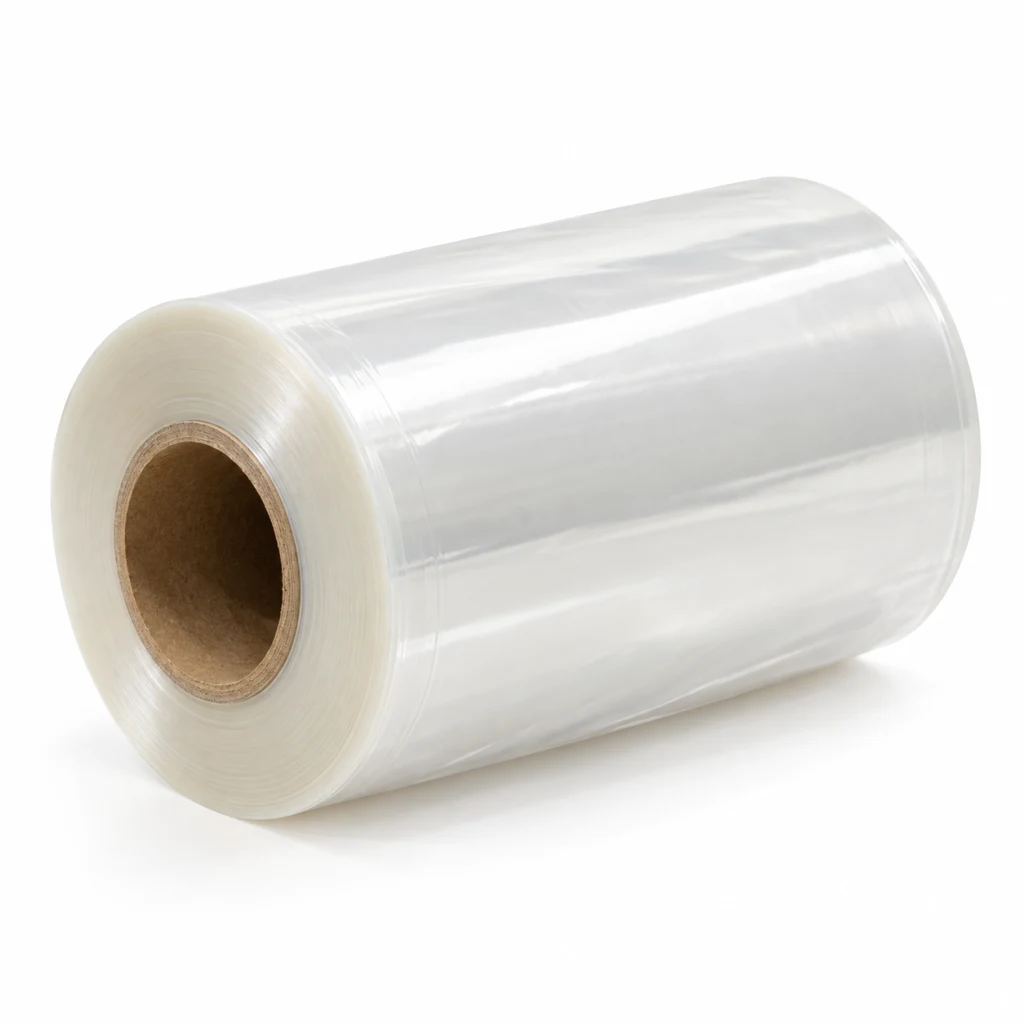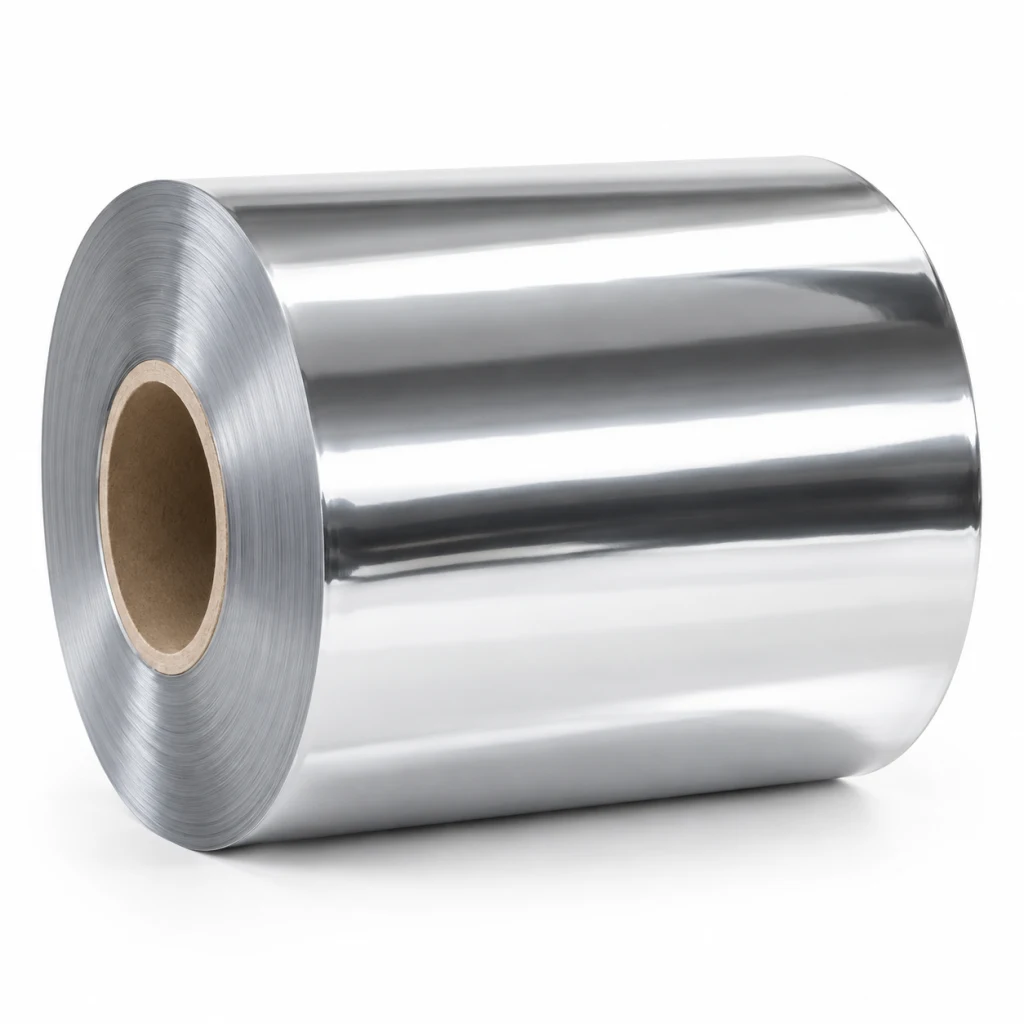
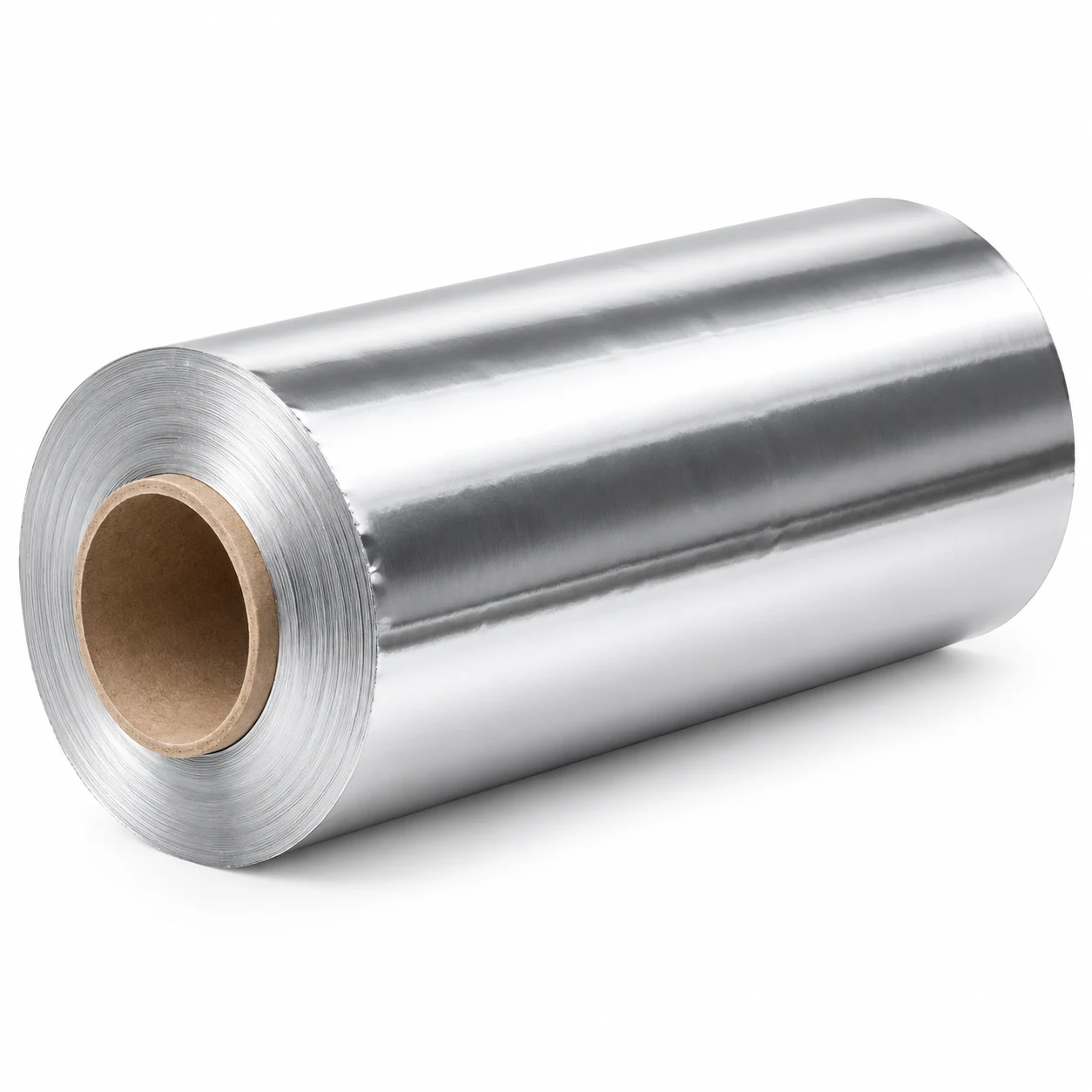
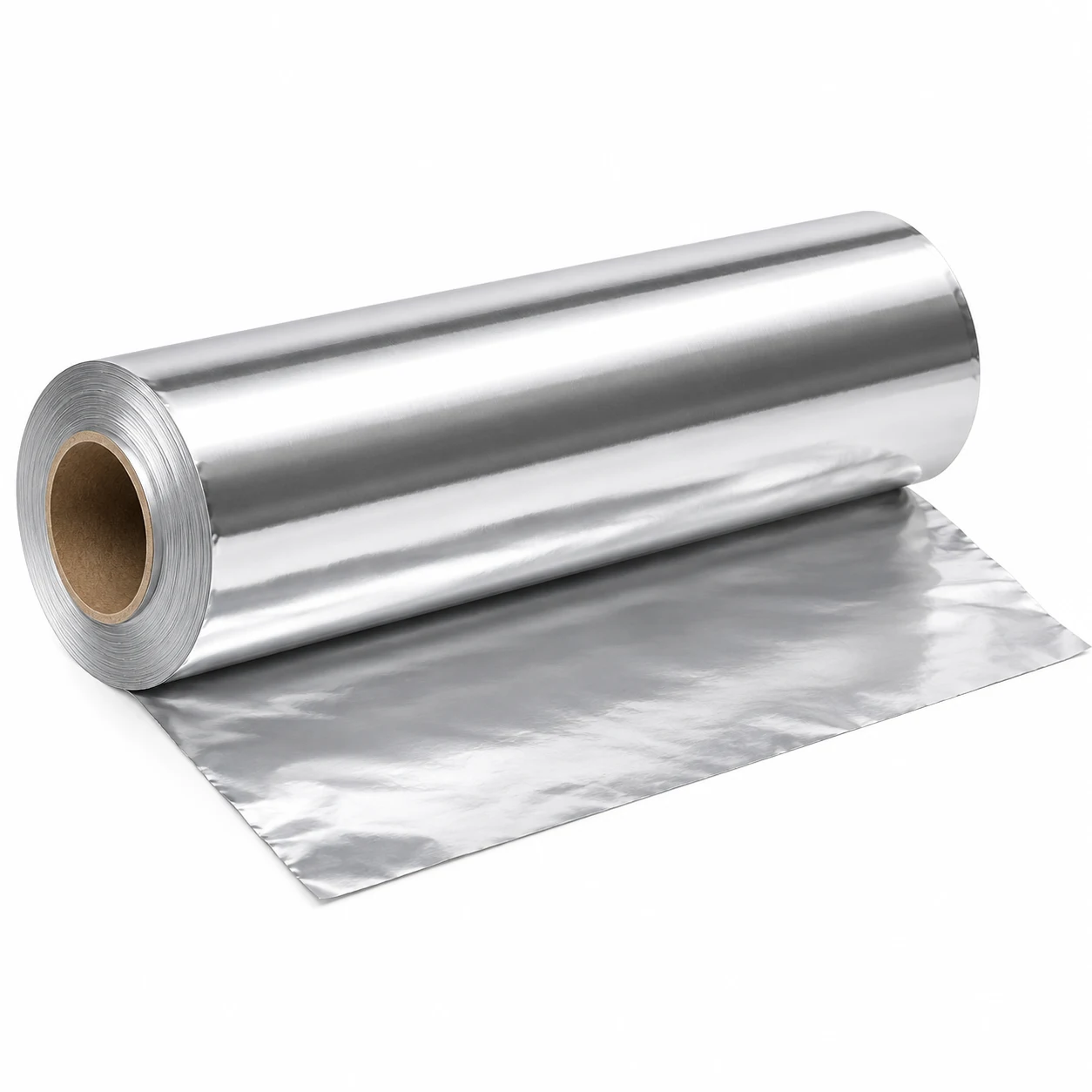
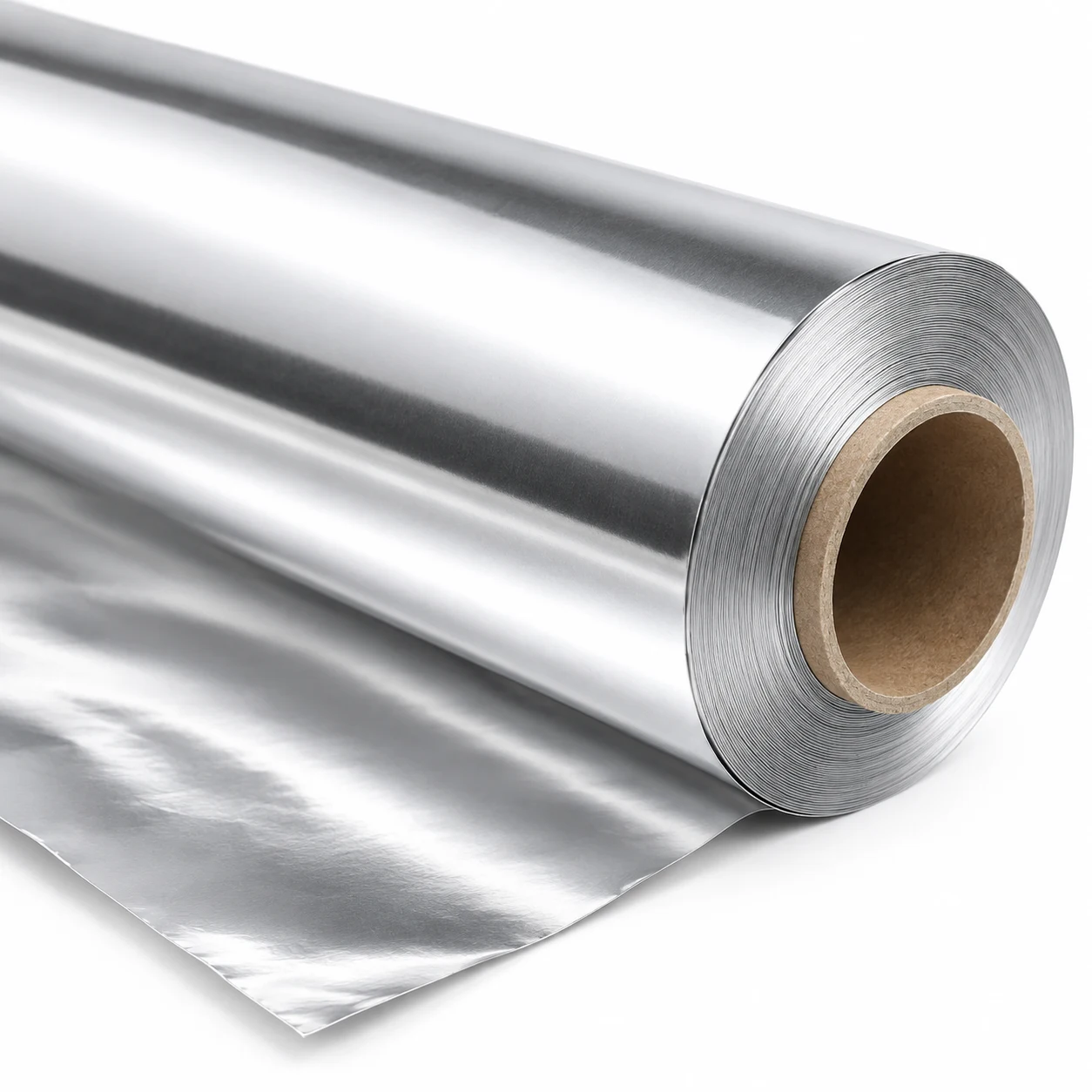
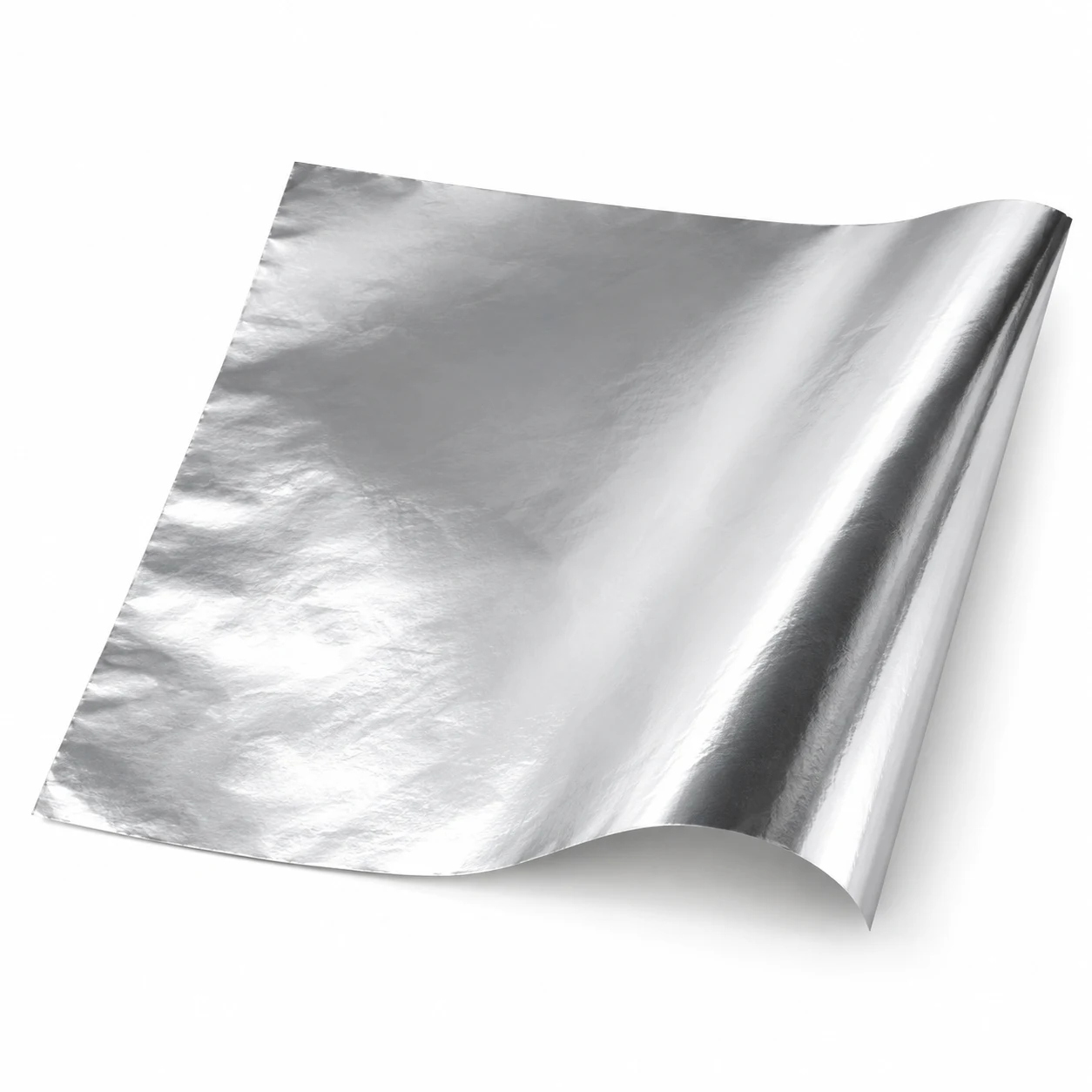
Custom aluminium foil film — made to order: width, thickness and temper are all specified per run.
Aluminium foil is the only flexible material that is a complete barrier. Not a very good one — a complete one. No oxygen, no moisture and no light pass through unbroken foil at all, which is why it is what you specify when the shelf life is measured in years, when the contents oxidise, or when a pharmaceutical has to arrive exactly as it left.
What it costs you
Foil is dense, so it adds weight and freight. It is expensive relative to metallised PET. It creases permanently, and a crease hard enough can pinhole, which is why foil always travels laminated between a PET outer and a sealant rather than alone. And it makes the structure opaque, so the product cannot be seen. Against that: it survives retort sterilisation at 121 °C, it works from frozen upward, and nothing else matches it.
Tempers and ordering
Soft temper for formability where the pack is drawn or folded; hard temper where stiffness and dead-fold matter; lacquered where the foil face needs protection or a print key. Width, thickness and temper are made to order. Typical uses are ready-to-eat meals, pharmaceuticals and premium foods. Recyclability and the trade-off foil represents are discussed in laminate versus mono-material structures.
What moves the price
Thickness and temper, and foil is priced against the aluminium market rather than against the polymer one, so it moves for reasons nothing else in this catalogue shares. Thinner foil is cheaper and pinholes more readily, which sets a practical floor below which the saving is false. Lacquered grades cost more. Because foil is always laminated rather than used alone, the price a buyer sees is the structure price, and the foil is usually the largest single line in it.
Where it goes wrong
Choosing foil when metallised PET would do. It is heavier, more expensive and it creases permanently, and for a pack that is not retorted and not carrying a registered shelf life, the metallised film usually gives the same practical result for less. The second is specifying too thin a gauge to save money, which produces pinholes under normal handling and loses the complete barrier that was the entire reason for choosing it. The third is forgetting it is opaque — a decision that has to be made with the brand, not after the structure is approved.
Where custom aluminium foil film is used
In retort structures, pharmaceutical packaging and premium foods with a shelf life measured in years — the cases where a very good barrier is not the same as a complete one. The pharmaceutical page covers where the dossier names it, and retort pouch specifications where the process does. If you are weighing it against metallised PET on cost and weight, laminate against mono-material sets out what either choice does to the recyclability claim.
What to send us for a quotation
A quotation for custom aluminium foil film is written against a specification, so the more of this you can send, the closer the first number is to the real one: which structure, or the shelf life and the product so we can choose one — Aluminium foil are available here; the temperature the pack has to survive, from filling through to how the customer opens it (frozen to retort 121 °C for this product); which options you want fitted: soft temper, Hard temper and Lacquered; the values for width, Thickness and Temper.
Send the fill weight and the quantity with it. Where you already buy something similar, a sample is worth more than a description — we measure what is actually there rather than quoting against how it was once written down.
Food-contact and export requirements are set out in FDA 21 CFR 177, the US rule for food-contact polymers; the declarations for this structure are issued with the order.