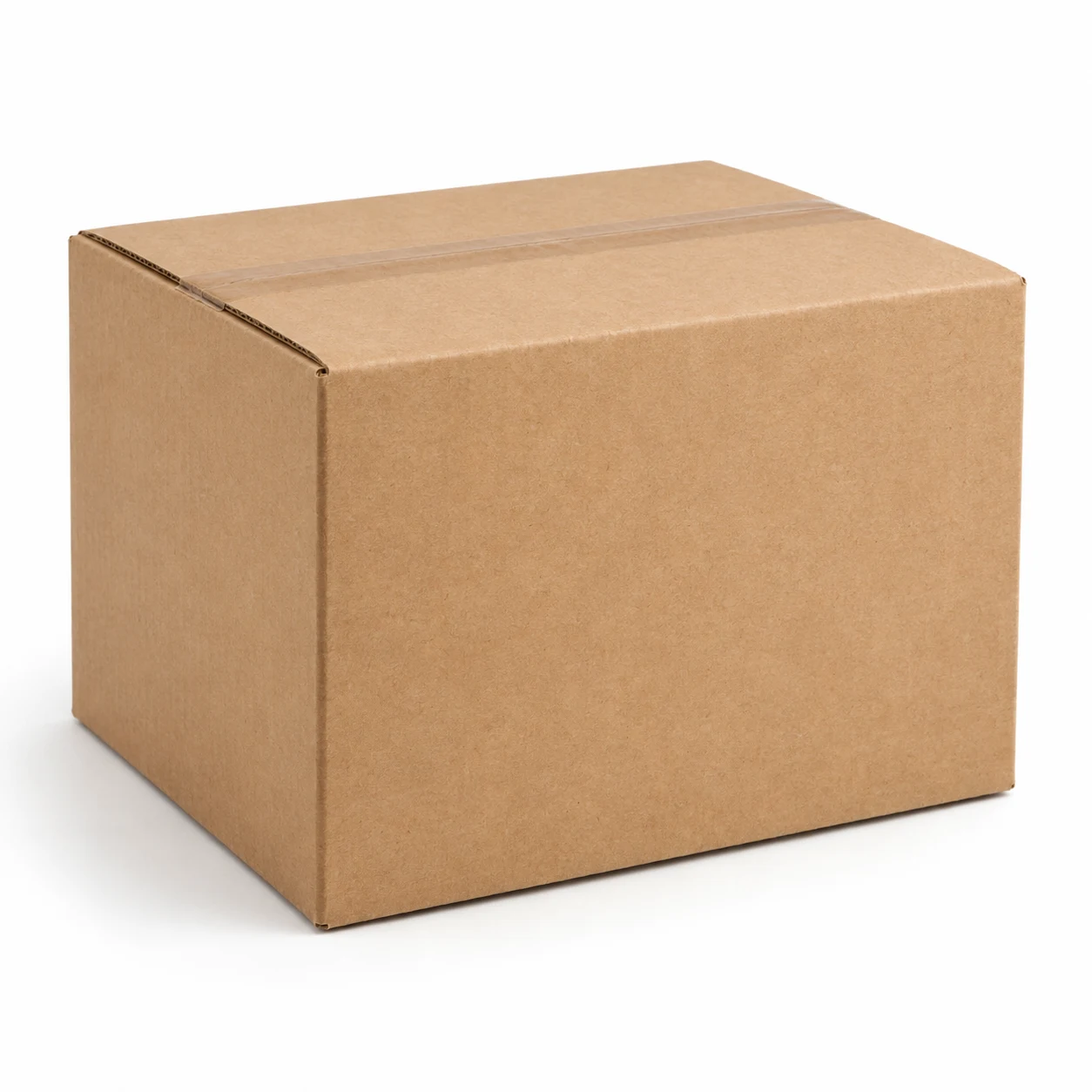


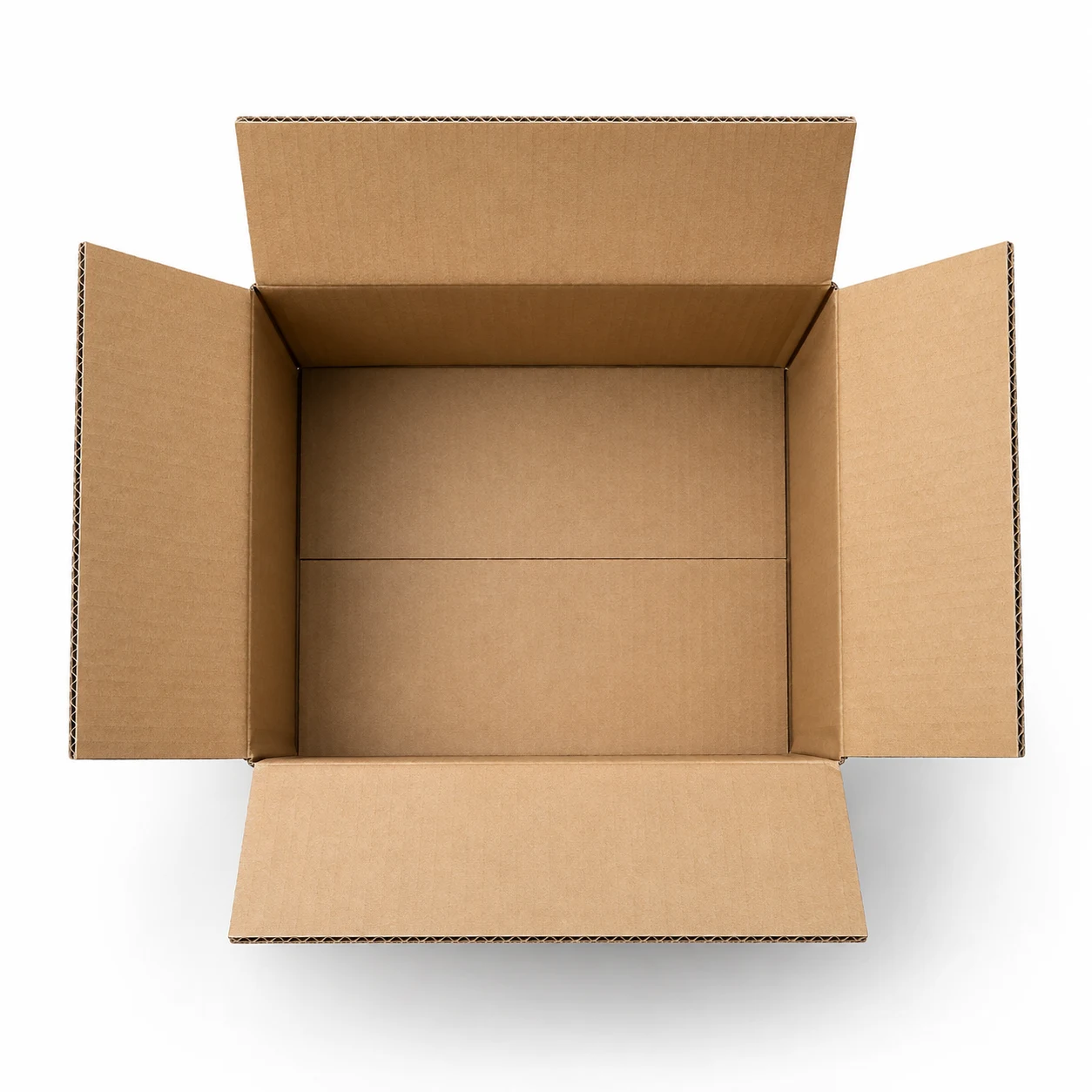
Custom corrugated carton — made to order: size, flute, board grade and printing are all specified per run.
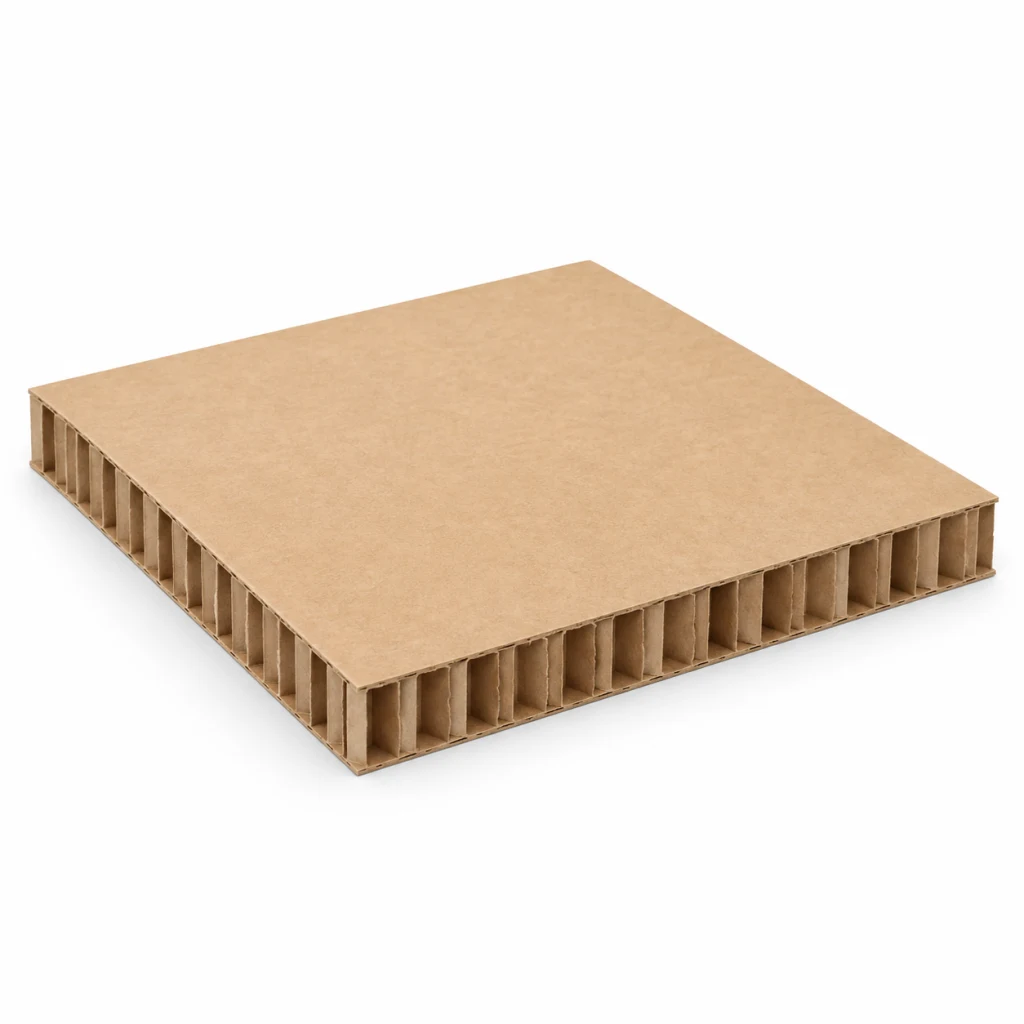
A corrugated carton is three layers of paper — two flat liners with a fluted medium glued between them — and that fluting is why a box weighing a few hundred grams carries twenty kilos. The flutes act as columns under vertical load and as springs under impact, which is a great deal of engineering for something that costs less than what goes in it.
Flute and wall, and why they are the specification
B flute is shorter and denser: better crush resistance, better printing surface, thinner walls. C flute is taller: better cushioning and stacking strength, slightly more space taken. Single wall suits most parcels; double wall is for weight, for stacking high, or for journeys with several handling points. Compression strength here rates 4 of 5. Get the flute and the wall wrong and the box either fails in transit or costs more than it needed to.
Ordering
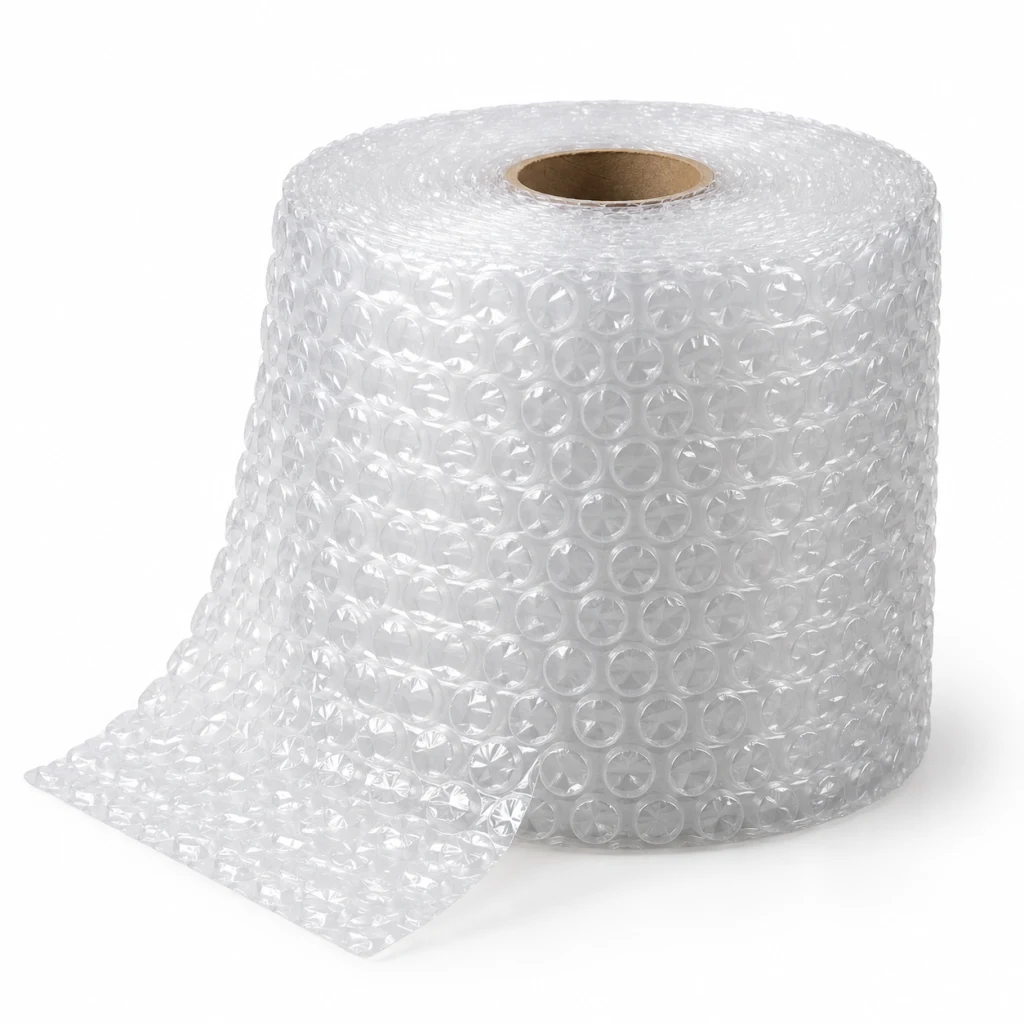
Size, flute, board grade and printing are made to order, plain or printed. Cartons ship flat and are erected on site, so the freight you pay is for board rather than air. For heavier or longer routes, see the heavy-duty carton; for retail presentation, the printed carton. What goes inside to stop the product moving is in cushioning and protective material.
What moves the price
Board grade and size, and board is priced by area, so a box 10 mm larger in each direction than it needs to be costs more in board, more in cushioning to fill the gap and more in freight per unit shipped. Flute and wall count follow the load. Printing is a plate cost plus a per-unit one, and a single-colour mark is a fraction of full coverage. Die-cut shapes cost more than slotted ones. Quantity matters because a corrugator run has a setup that is spread across it.
Where it goes wrong
Internal dimensions taken from the product plus a guess. Too tight and packing is slow and the goods bruise; too loose and the contents move, which is what actually causes most transit damage. The second is a flute chosen for price rather than for the journey — B flute stacks and prints, C flute cushions, and the wrong one fails in a way the board grade cannot rescue. The third is ordering a shipper when the job wanted a presentation carton, or the reverse.
Where custom corrugated carton is used
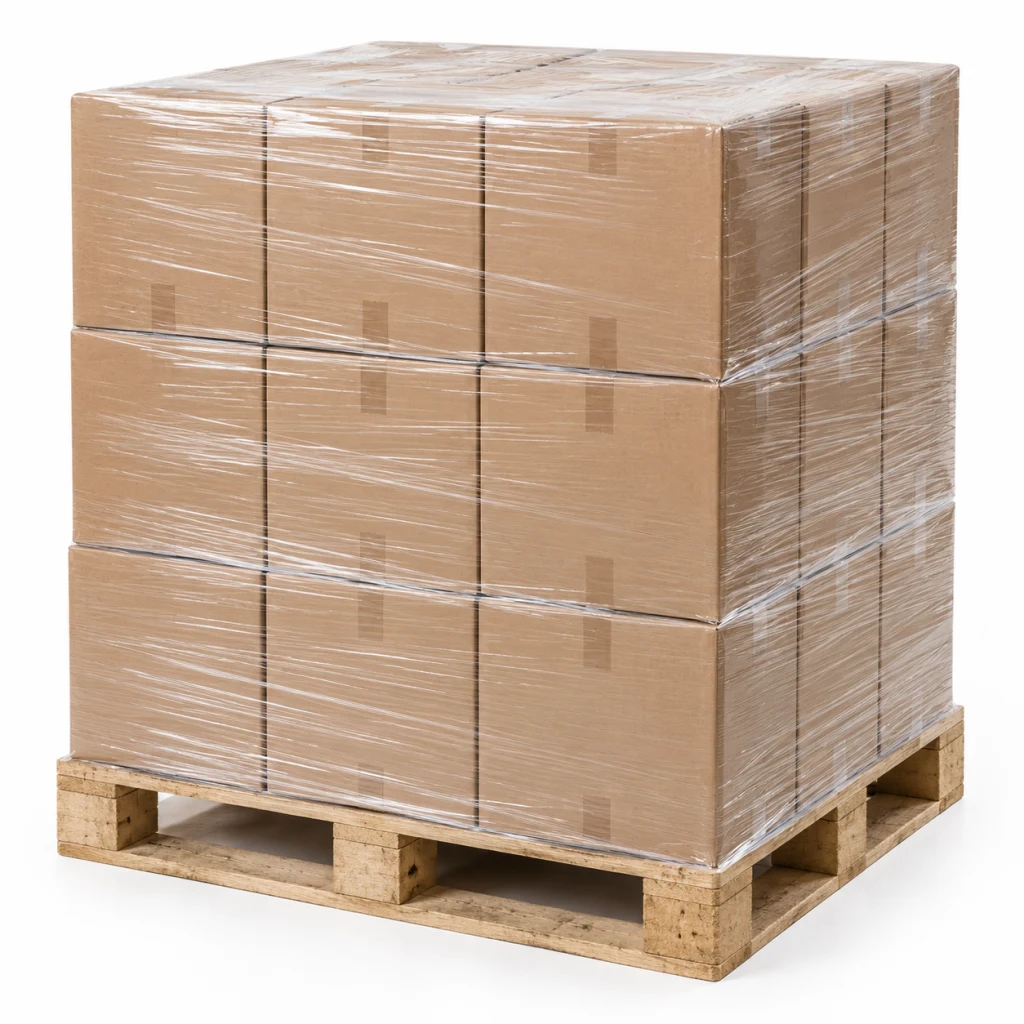
General shipping, parcel fulfilment and warehouse handling — the outer that most of this catalogue eventually travels inside. What goes in with the product to stop it moving is in cushioning and protective material; what goes round the pallet afterwards is in stretch film and strapping. For heavier goods or longer routes, the heavy-duty carton, and for retail presentation the printed carton.
What to send us for a quotation
A quotation for custom corrugated carton is written against a specification, so the more of this you can send, the closer the first number is to the real one: which structure, or the shelf life and the product so we can choose one — Corrugated board are available here; the temperature the pack has to survive, from filling through to how the customer opens it (ambient for this product); the line it runs on — this one is specified for die cutting and Strapping and taping; which options you want fitted: single wall, Double wall and B flute; the values for size, Flute, Board grade and Printing.
Send the fill weight and the quantity with it. Where you already buy something similar, a sample is worth more than a description — we measure what is actually there rather than quoting against how it was once written down.
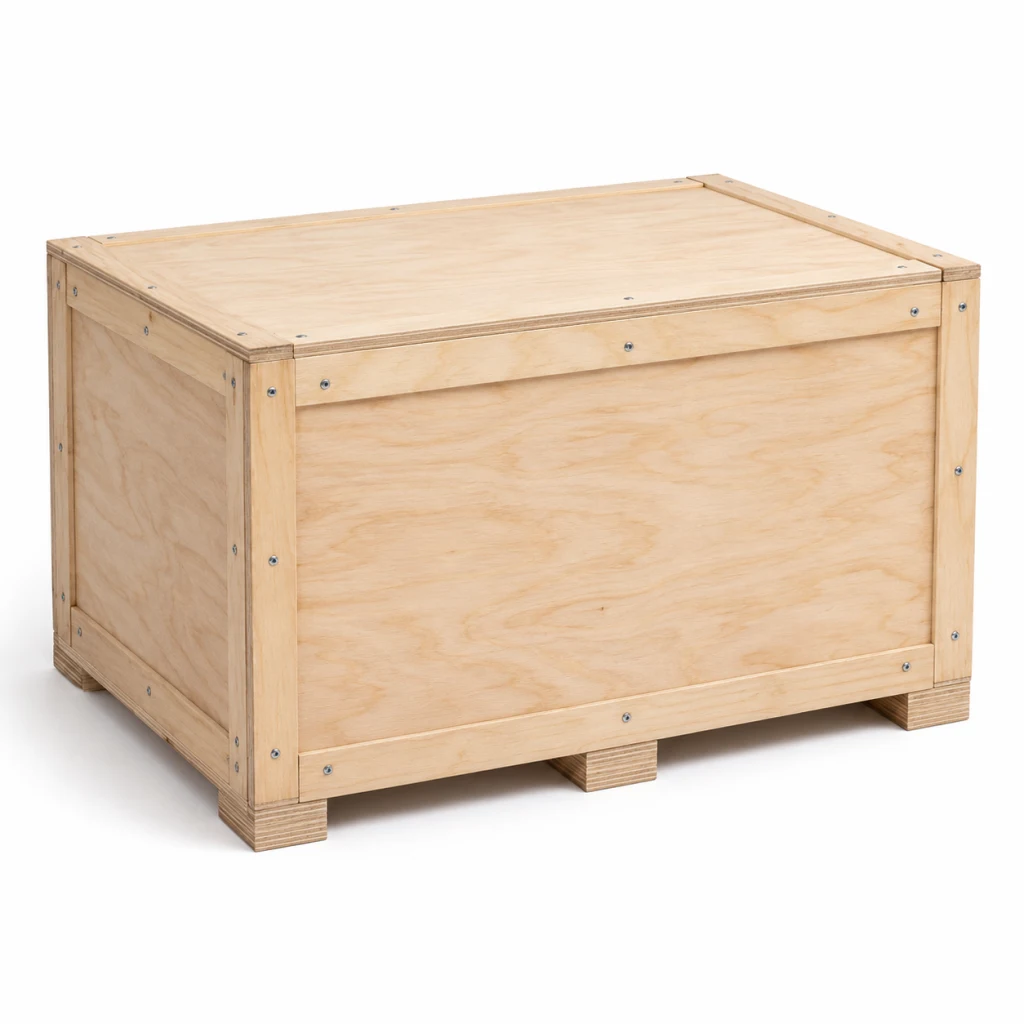
Food-contact and export requirements are set out in ISPM 15, the international standard for wood packaging crossing a border; the declarations for this structure are issued with the order.