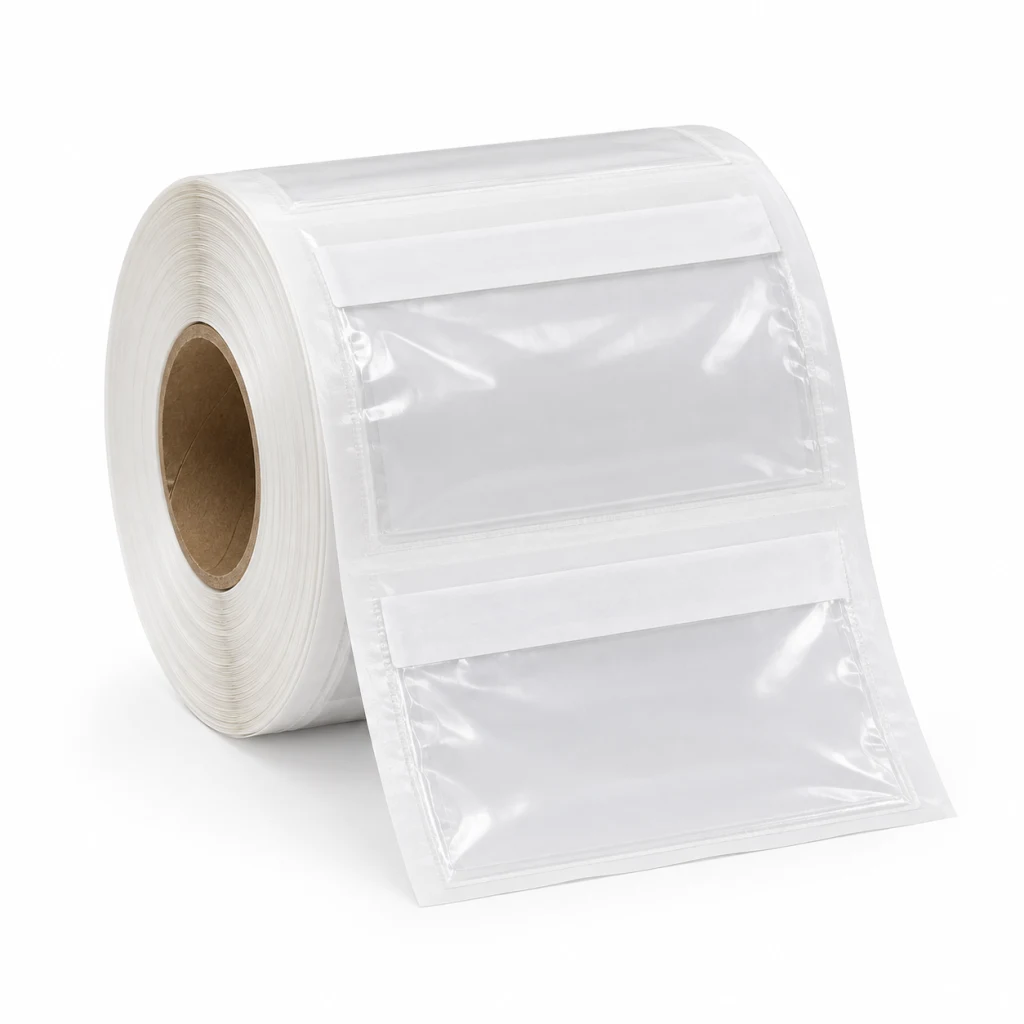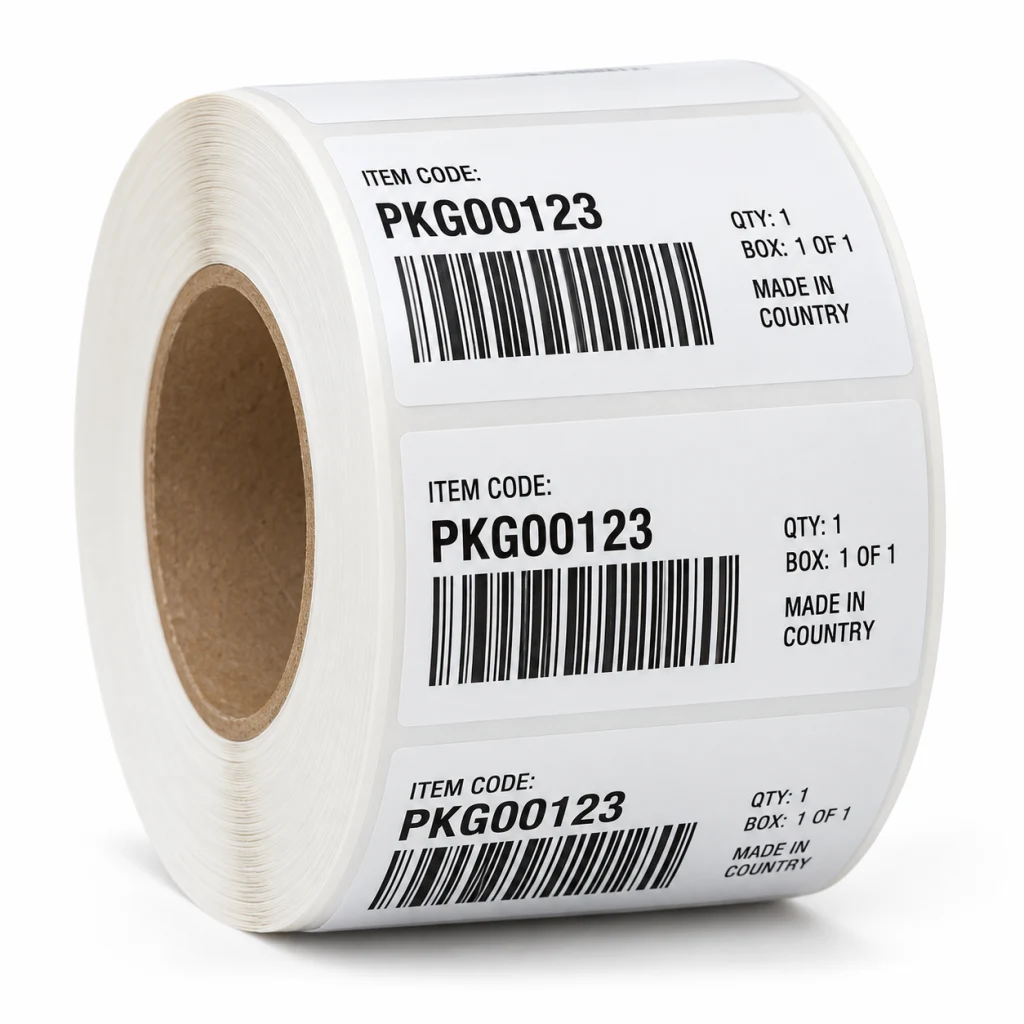
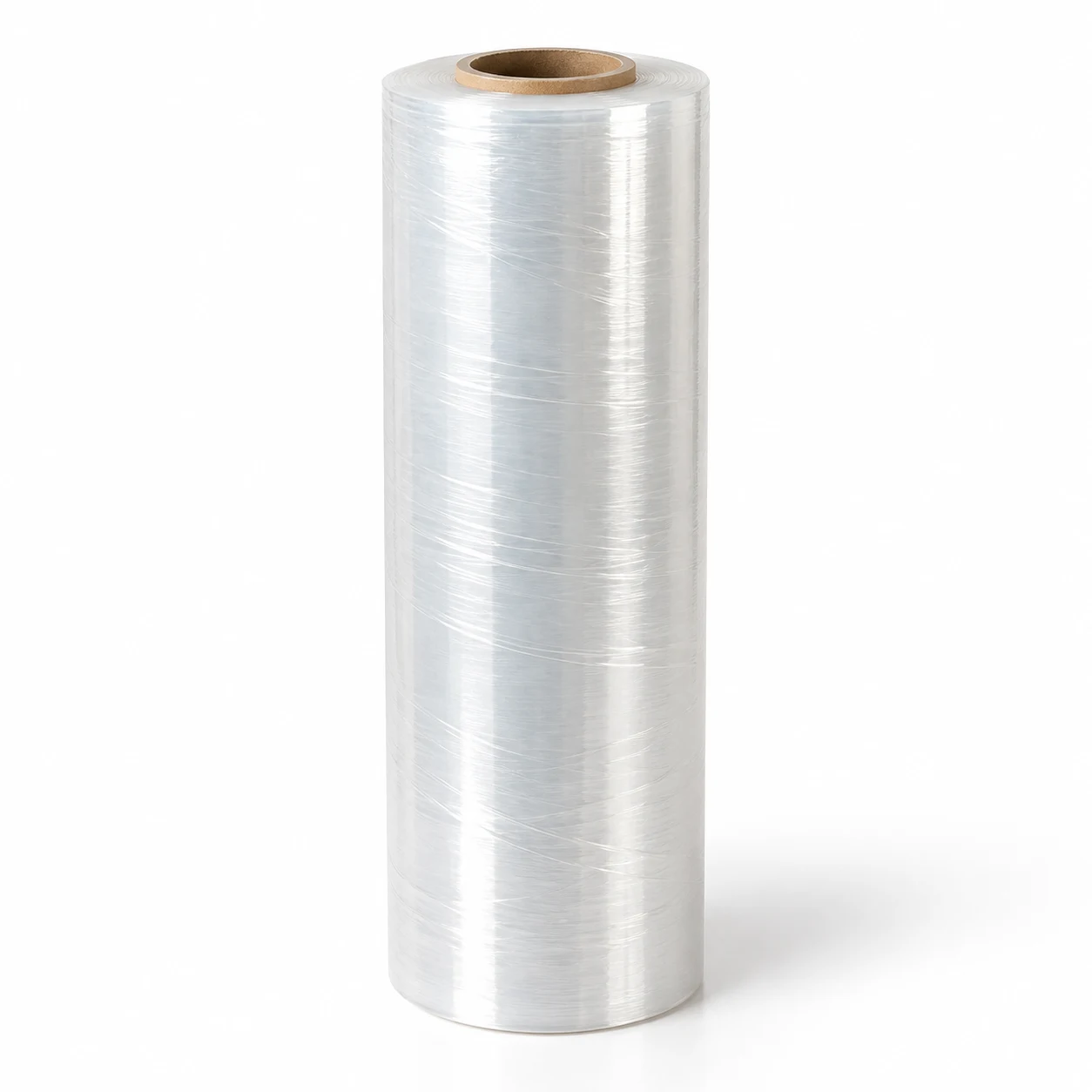
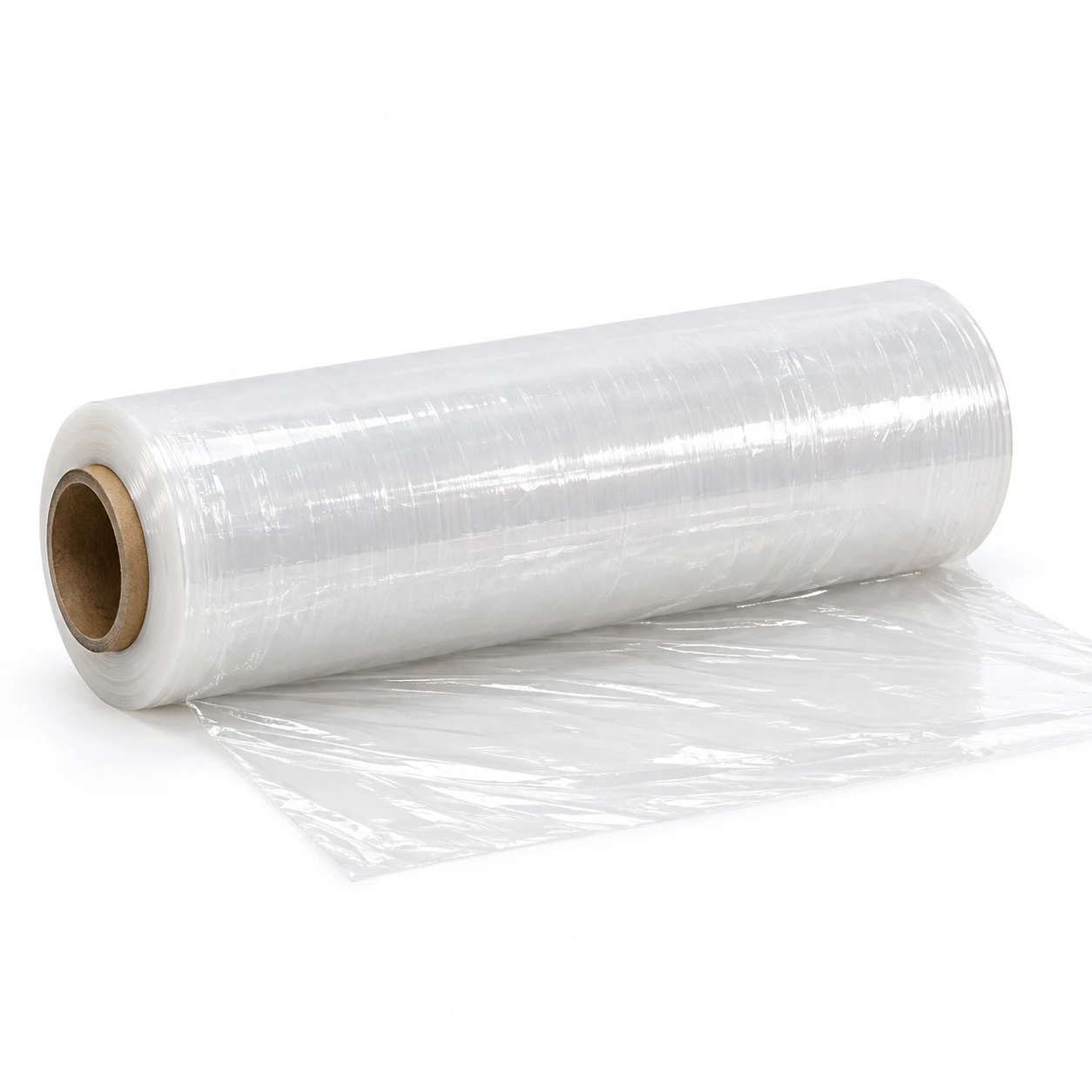
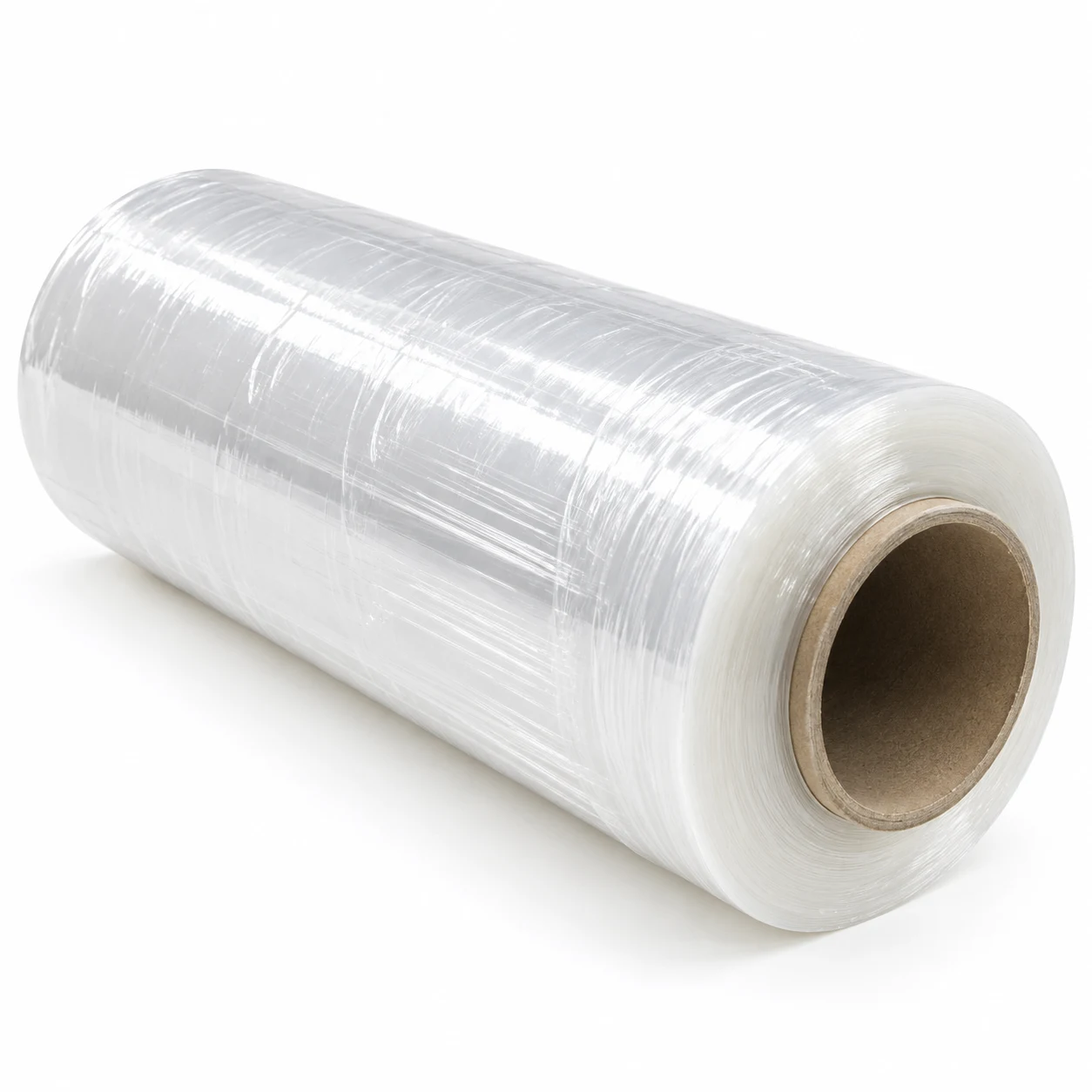

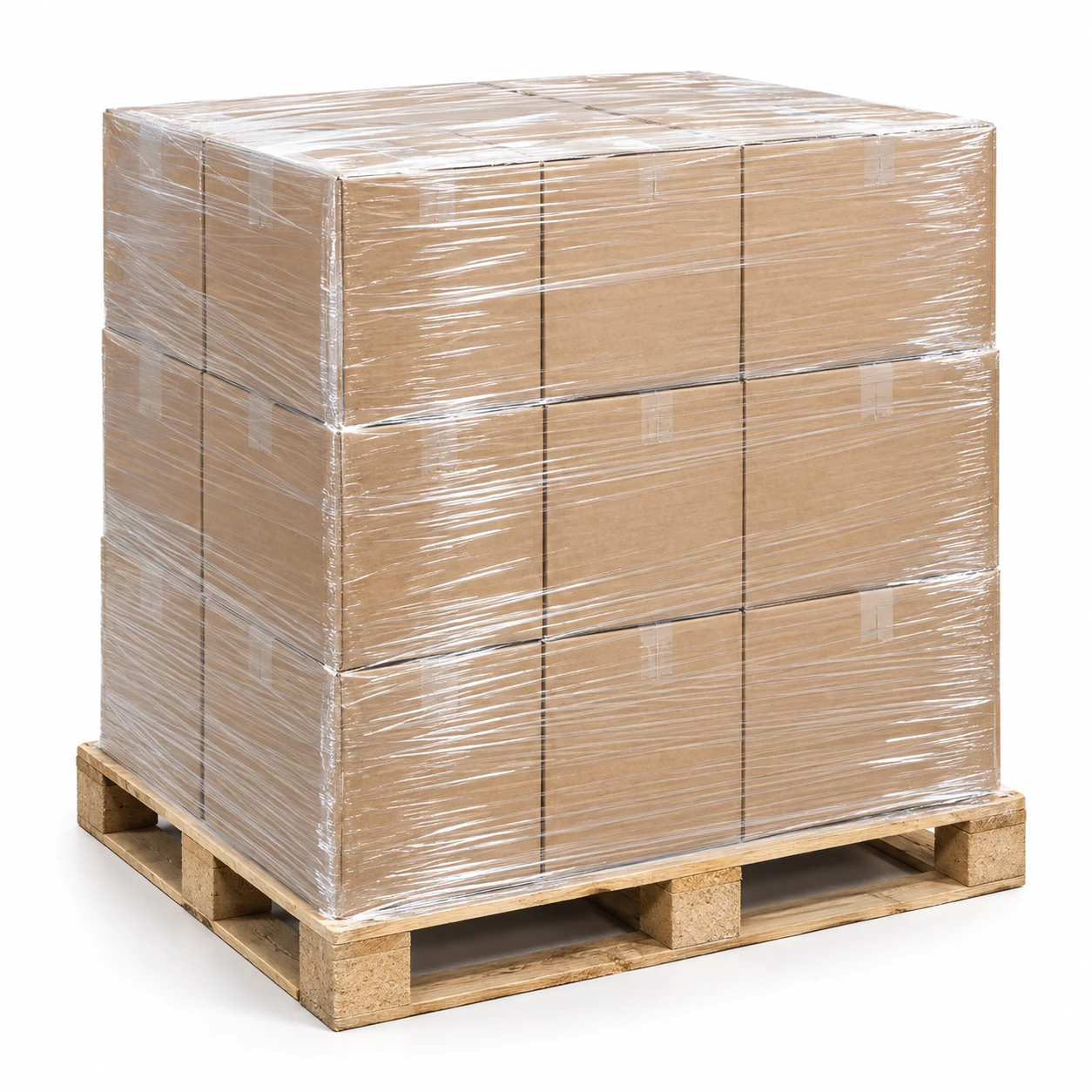
Wholesale stretch films — made to order: width, thickness, roll length and colour are all specified per run.
Stretch film does not stick to the load; it stretches, clings to itself, and holds a pallet together by tension. That distinction matters, because the property that decides how well it works and what it costs is the stretch ratio — how far a metre of film goes before it fails. Film applied at 250 per cent stretch covers two and a half times the load per roll of film bought.
Hand, machine and pre-stretched
Hand rolls are thicker and formulated to stretch modestly under arm strength; machine rolls are thinner and engineered for a powered pre-stretch unit that can take them to 300 per cent, which is where the real saving is. Pre-stretched film has already been drawn at the factory: it applies with very little force, wastes less and suits hand wrapping at volume. Black film hides a load from view; clear film lets a forklift driver read the carton labels.
Ordering
Width, thickness, roll length and colour are made to order. The common mistake is buying thicker film to fix a load that is failing, when the fault is usually wrap pattern and tension rather than gauge — tell us the wrapper and the load and we will specify against both. For loads that need holding rigid rather than merely contained, see strapping and buckles.
What moves the price
Stretch ratio, far more than thickness. Film applied at 250 per cent covers two and a half times the load per roll of film bought, so a more expensive film can be the cheaper wrap by a wide margin. Hand and machine grades are formulated differently and priced differently. Pre-stretched film costs more per kilo and wastes less. Colour adds. The number worth tracking is cost per pallet wrapped, which almost nobody measures and which is where the saving is.
Where it goes wrong
Answering a failing load with thicker film. The fault is usually wrap pattern and tension, and heavier film wrapped the same way fails the same way at a higher cost. The second is hand film on a powered wrapper, which cannot reach its stretch and tears. The third is black film on a load whose carton labels need to be read by a forklift driver.
Where wholesale stretch films is used
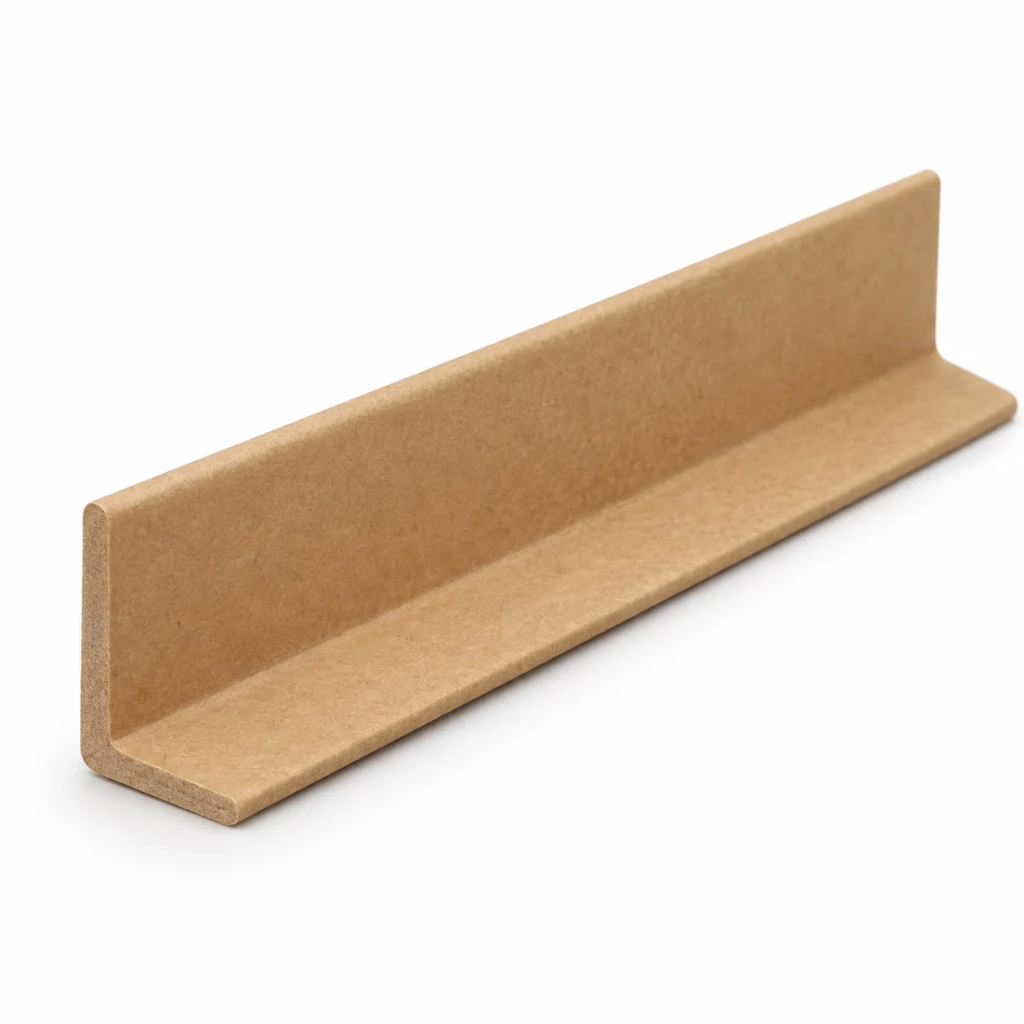
Palletised loads of every kind, in warehouses and on export routes. It contains a load; it does not compress one — for that, strapping is the material, and most export pallets use both. Under the strap, corner protectors stop it cutting into the cartons. For wrapping single packs or multipacks rather than pallets, see shrink film, which shrinks hot rather than stretching cold.
What to send us for a quotation
A quotation for wholesale stretch films is written against a specification, so the more of this you can send, the closer the first number is to the real one: which structure, or the shelf life and the product so we can choose one — Hand stretch film, Machine stretch film and Coloured stretch film are available here; the temperature the pack has to survive, from filling through to how the customer opens it (ambient for this product); the line it runs on — this one is specified for strapping and wrapping; which options you want fitted: hand roll, Machine roll and Clear; the values for width, Thickness, Roll length and Colour.
Send the fill weight and the quantity with it. Where you already buy something similar, a sample is worth more than a description — we measure what is actually there rather than quoting against how it was once written down.
Food-contact and export requirements are set out in ISPM 15, the international standard for wood packaging crossing a border; the declarations for this structure are issued with the order.