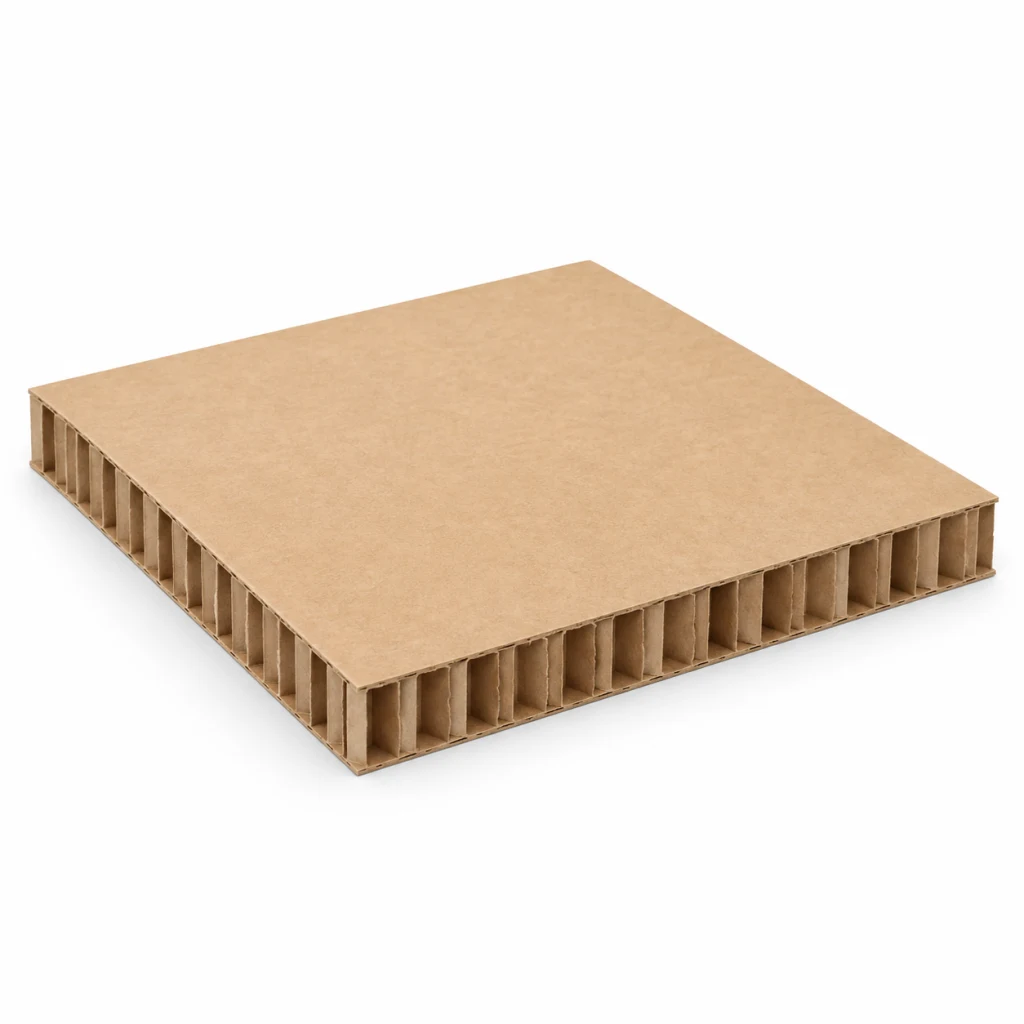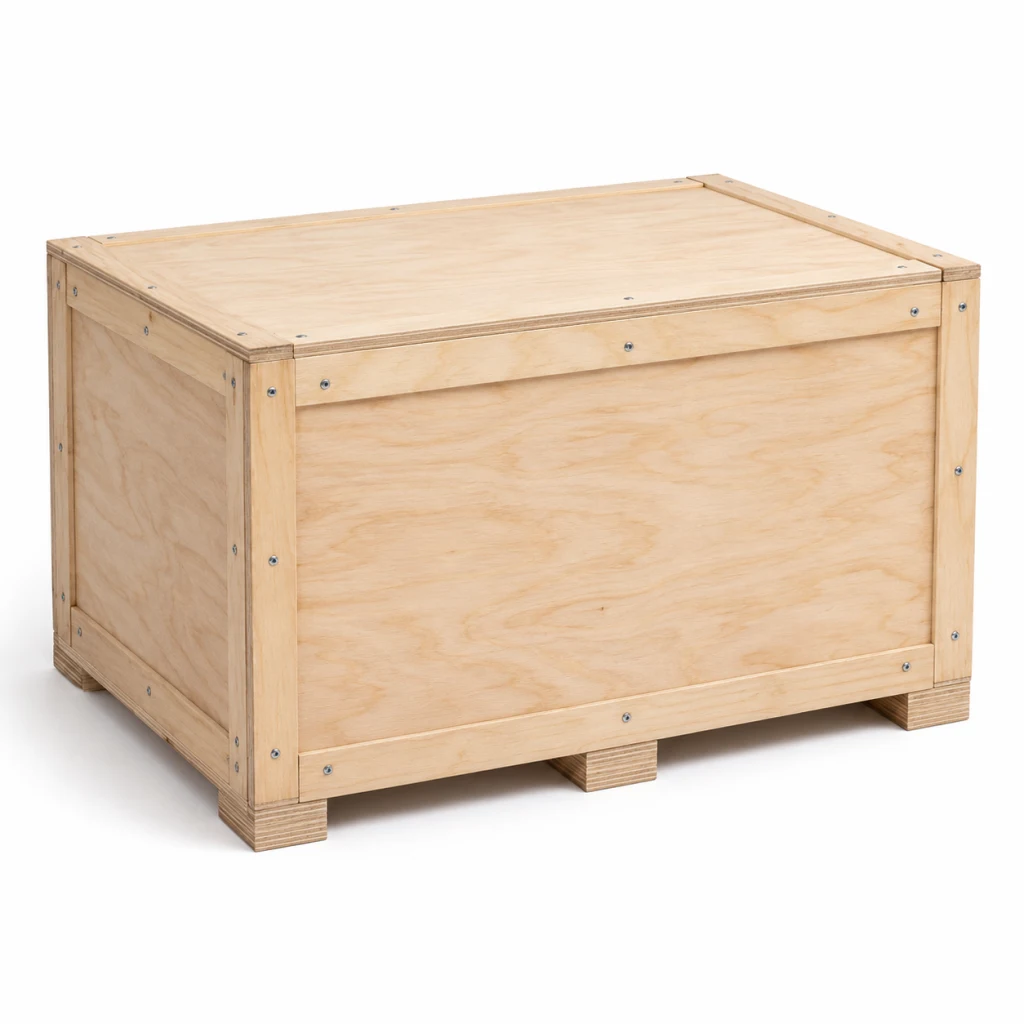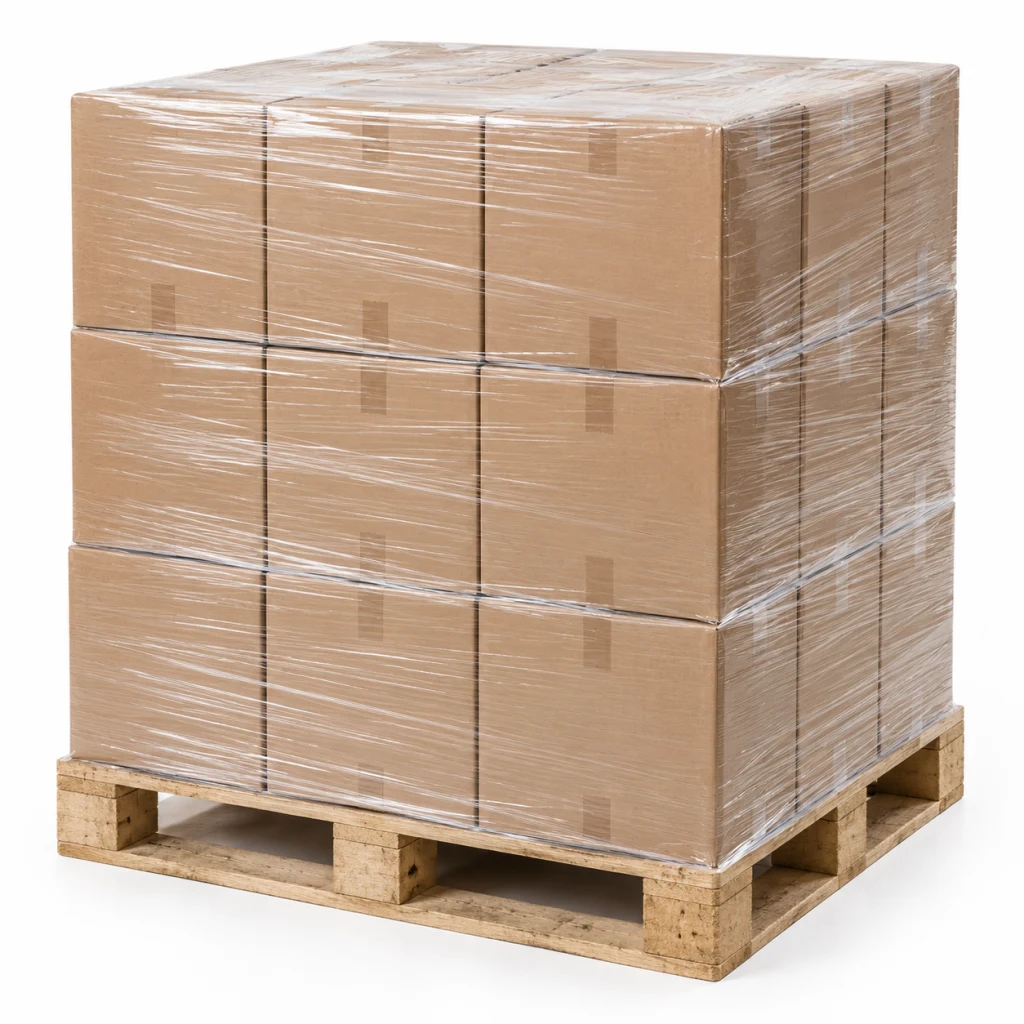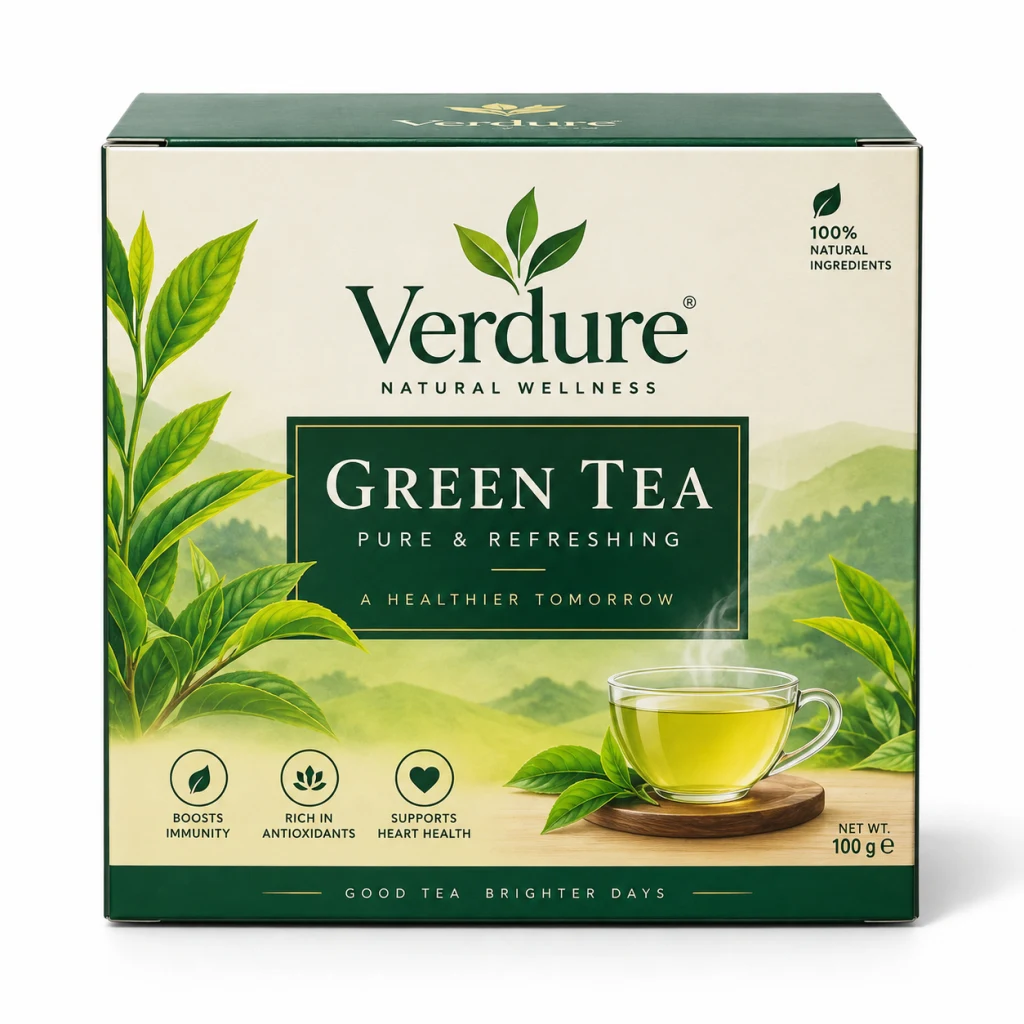
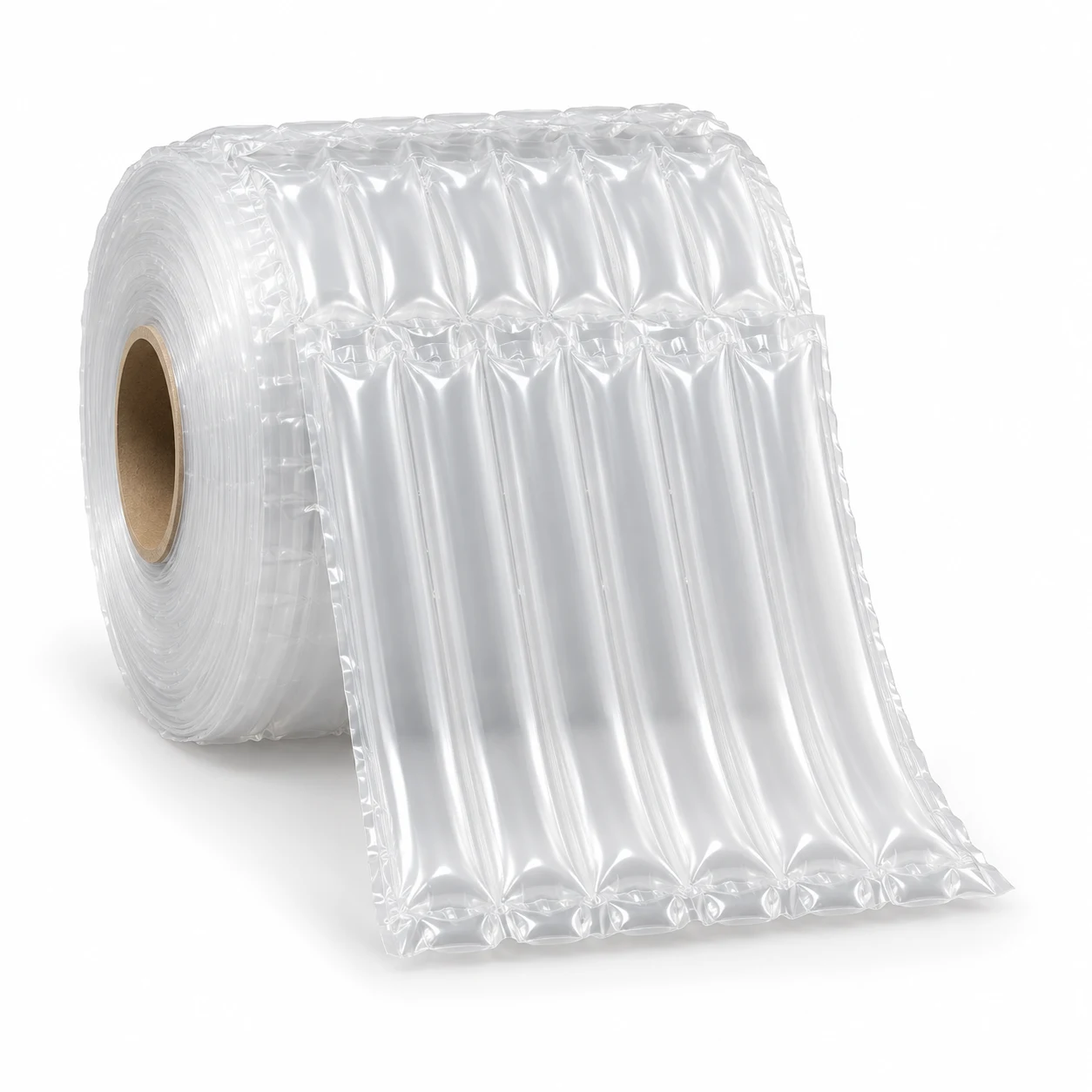
Custom cushioning material — made to order: thickness, width, format and bubble size are all specified per run.
Most transit damage is not caused by the box failing. It is caused by the product moving inside a box that survived perfectly well. Cushioning is what stops that movement and absorbs the shock when it happens anyway — and because it is light, it buys protection without buying freight.
Choosing between the formats
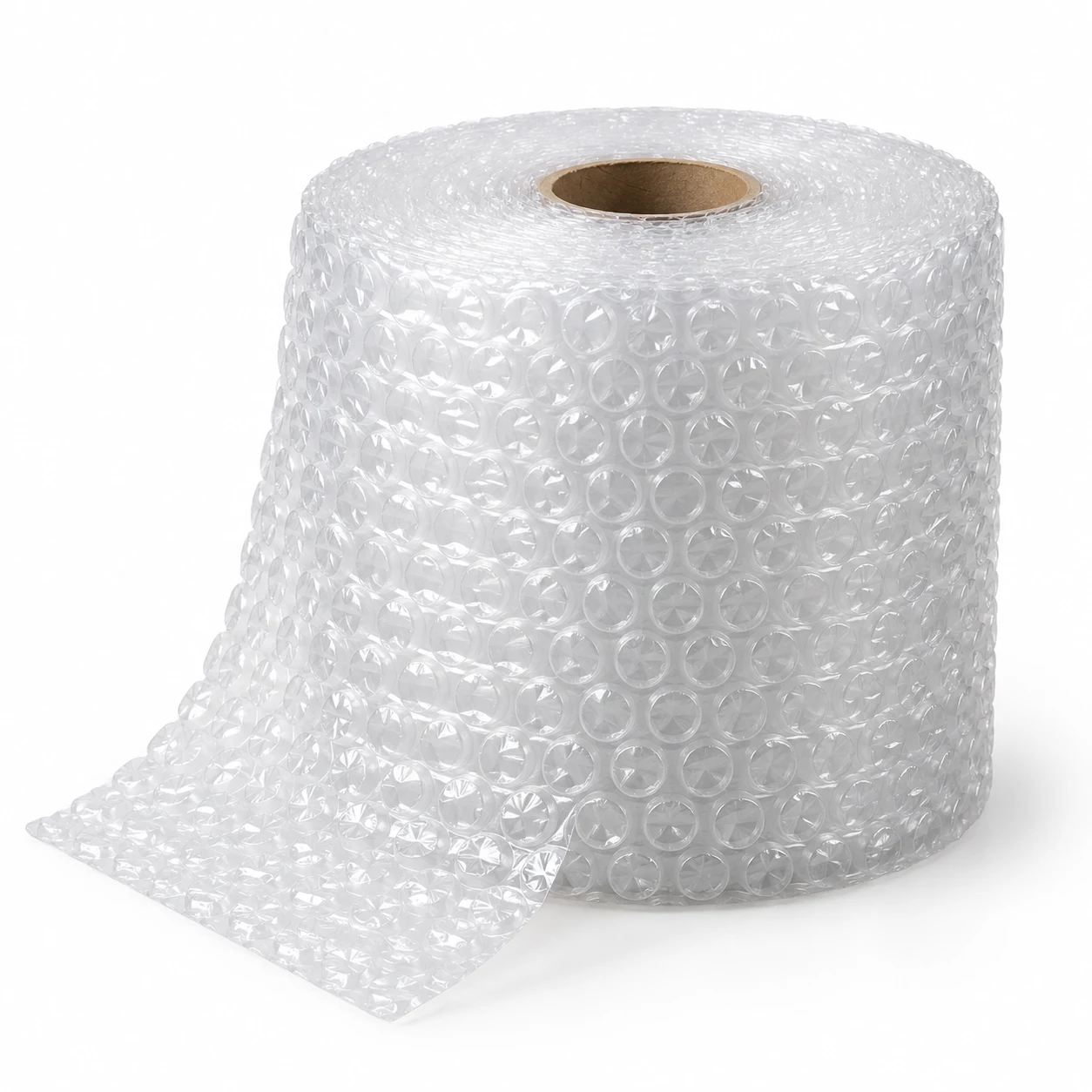
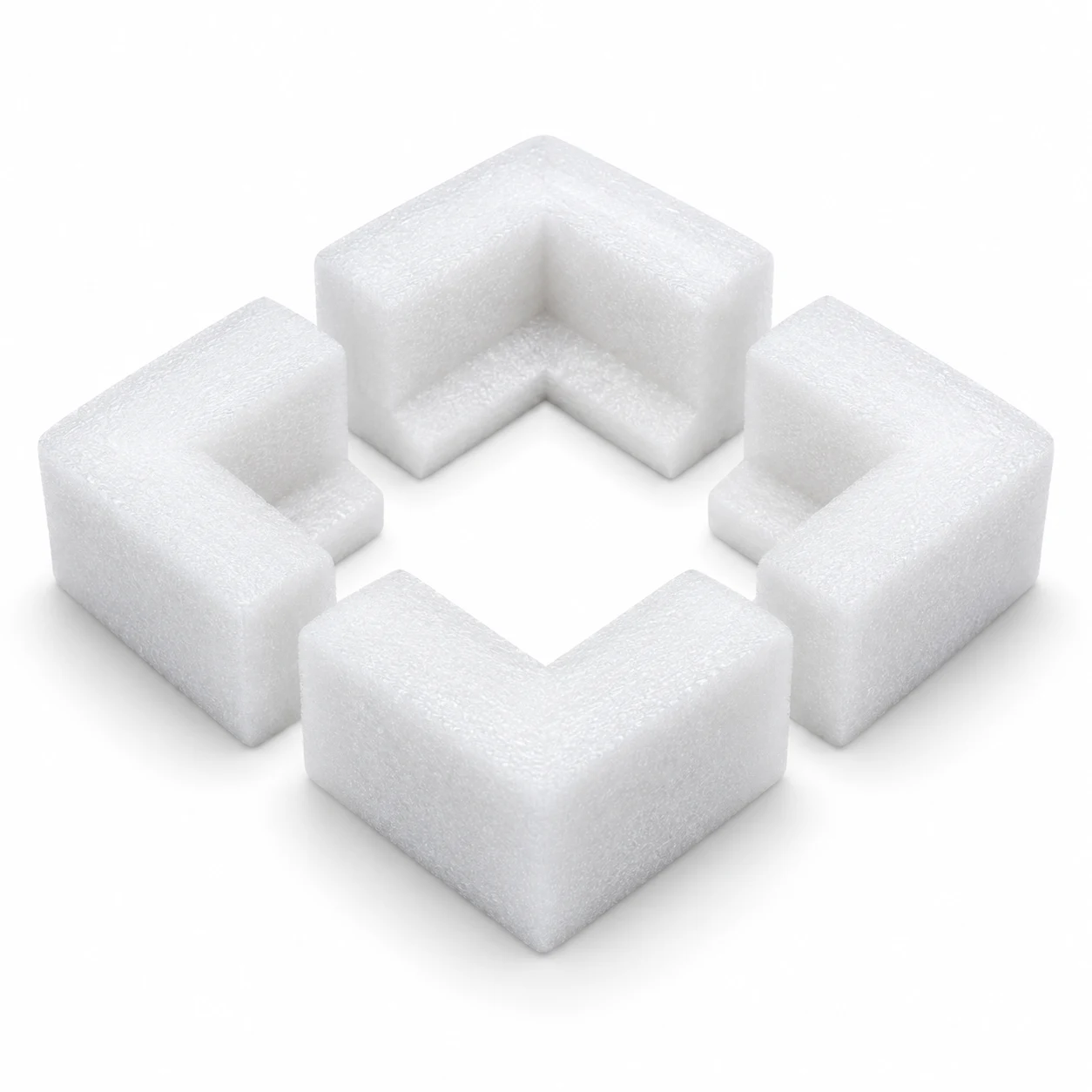
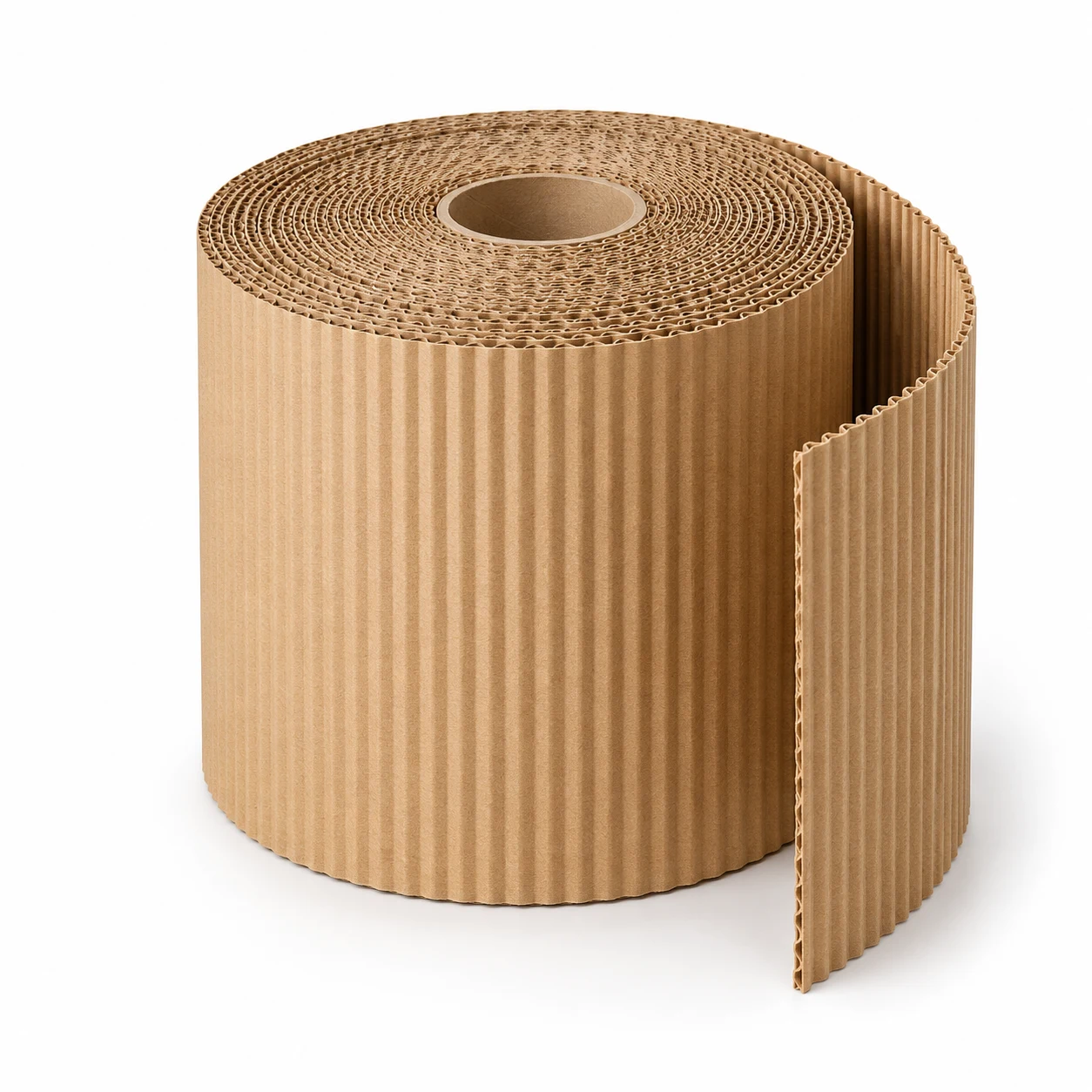
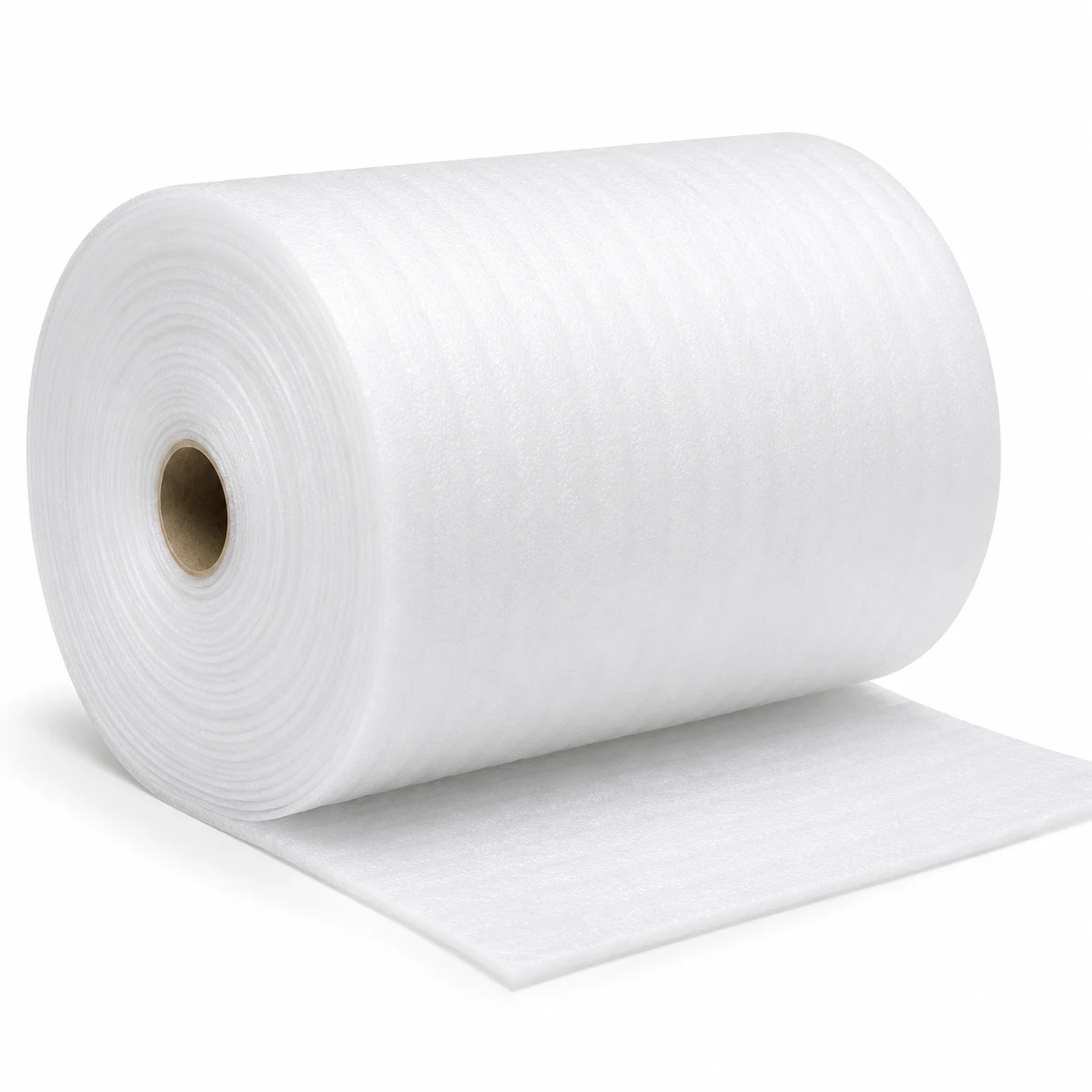
Bubble film and bubble bags suit general goods and irregular shapes; bubble size sets how much energy each cell absorbs, so larger bubbles for heavier items. EPE pearl cotton and foam sheet are better for surfaces that scratch, and cut cleanly into fitted inserts. Paper and plastic corner protectors and edge boards spread strapping load and protect the vulnerable edges of appliances, furniture and framed goods. Void fill simply stops travel inside a part-full carton.
Ordering
Thickness, width, format and bubble size are made to order, with recyclable grades available where the receiving market asks for them. Typical uses are product inner protection, void fill and shock protection. This is a consumable rather than a made-to-order pack, so it is quoted by volume — see the rest of the line in packaging auxiliaries, and the boxes it goes inside in cartons and transport packaging.
What moves the price
Format more than material. Bubble and foam on the roll are inexpensive; ready-made bags cost several times more per unit and are much faster on a bench, so the right answer depends on labour rather than on the material price. Thickness, bubble size and anti-static grades each add. Because this is bought by volume and used by the metre, the practical saving in most operations is not a cheaper grade but less of the right one — a fitted insert uses a fraction of what loose fill does.
Where it goes wrong
Ordinary polyethylene around electronics, which generates a static charge on separation and damages components silently. The second is bubble against a polished or lacquered surface, where the cells emboss the finish — foam is the answer there. The third is buying on material price and ignoring bench time, which is usually the larger number.
Where custom cushioning material is used
Inside the box, on every category here — electronics, glass, furniture, appliances and anything with a finish that marks. Most transit damage happens to products that moved inside a carton that survived perfectly well. The boxes are in cartons and transport packaging, the corner and edge protection in corner protectors and edge boards, and the rest of the bench in packaging auxiliaries.
What to send us for a quotation
A quotation for custom cushioning material is written against a specification, so the more of this you can send, the closer the first number is to the real one: which structure, or the shelf life and the product so we can choose one — Bubble film, EPE pearl cotton and Foam sheet are available here; the temperature the pack has to survive, from filling through to how the customer opens it (ambient for this product); the line it runs on — this one is specified for strapping and wrapping; which options you want fitted: bubble film, Bubble bags and EPE foam; the values for thickness, Width, Format and Bubble size.
Send the fill weight and the quantity with it. Where you already buy something similar, a sample is worth more than a description — we measure what is actually there rather than quoting against how it was once written down.
Food-contact and export requirements are set out in ISPM 15, the international standard for wood packaging crossing a border; the declarations for this structure are issued with the order.