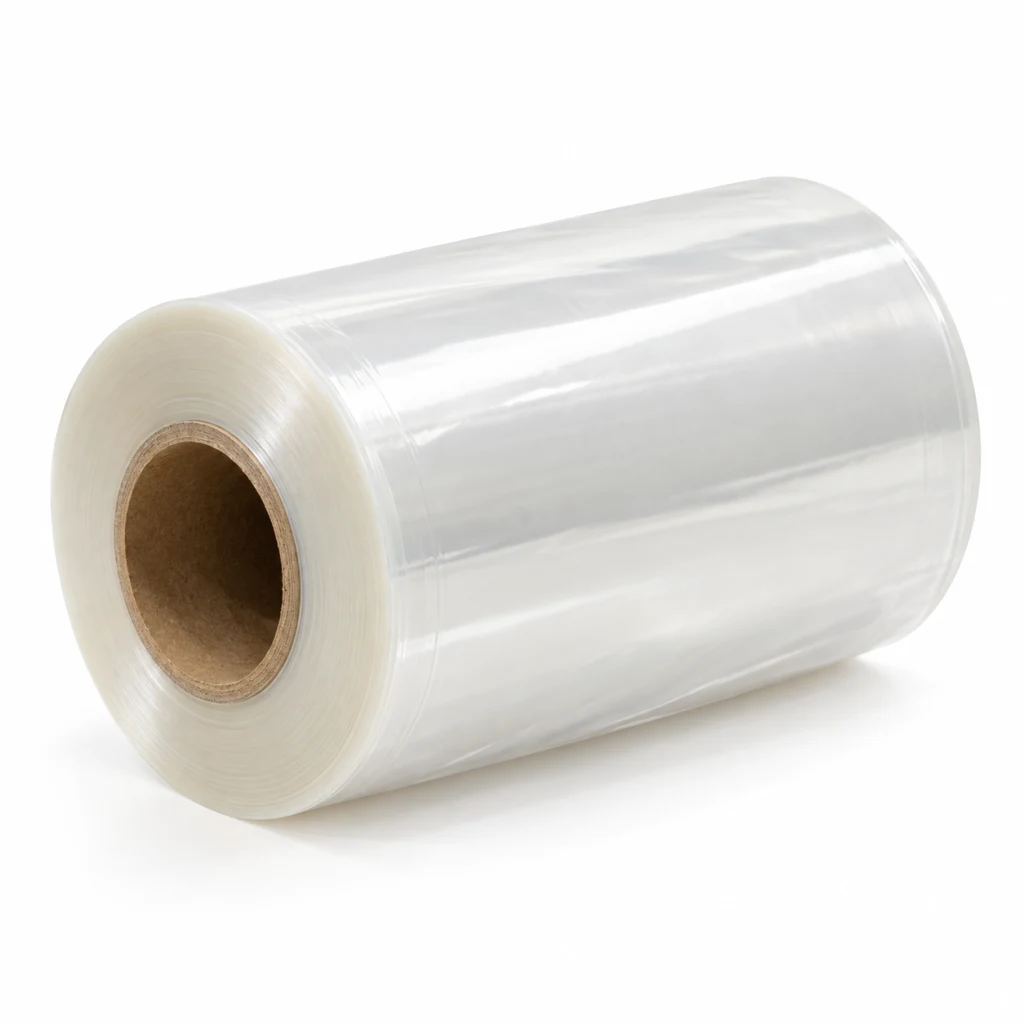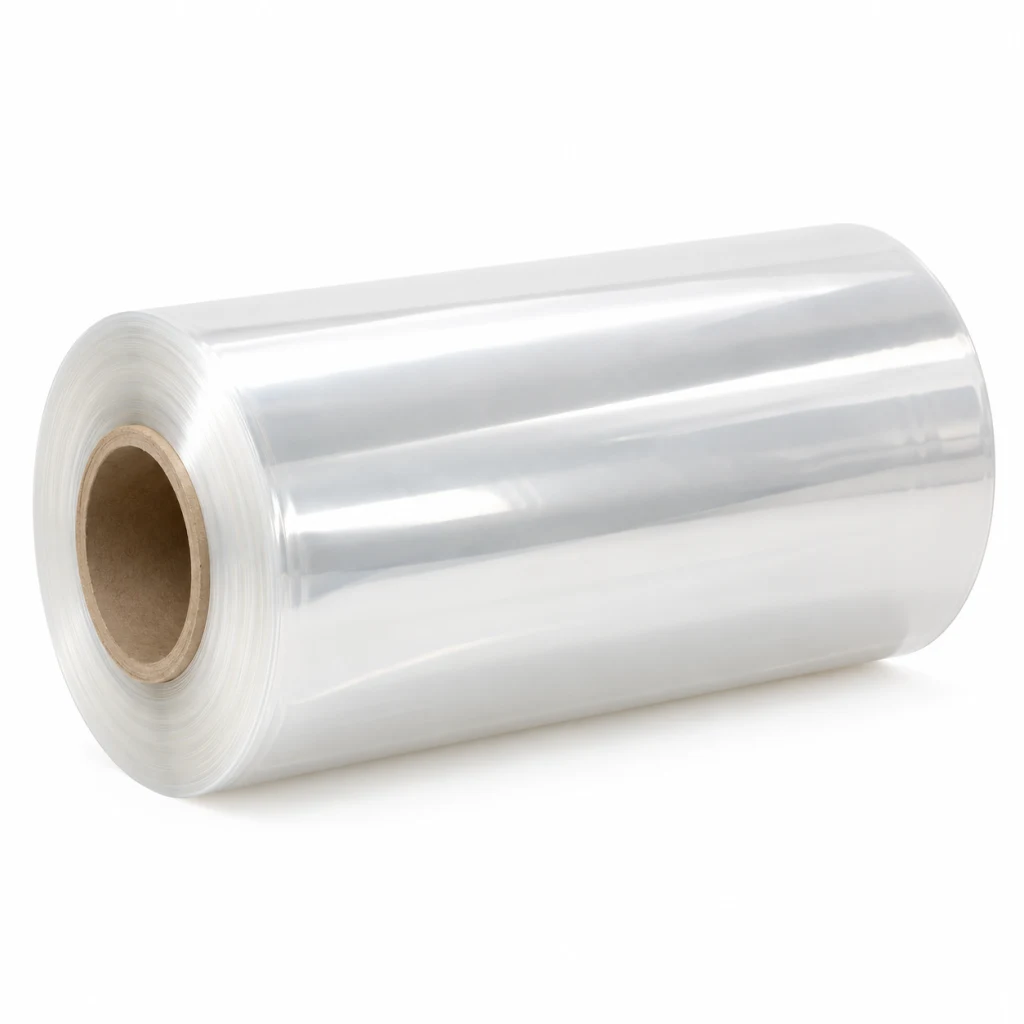
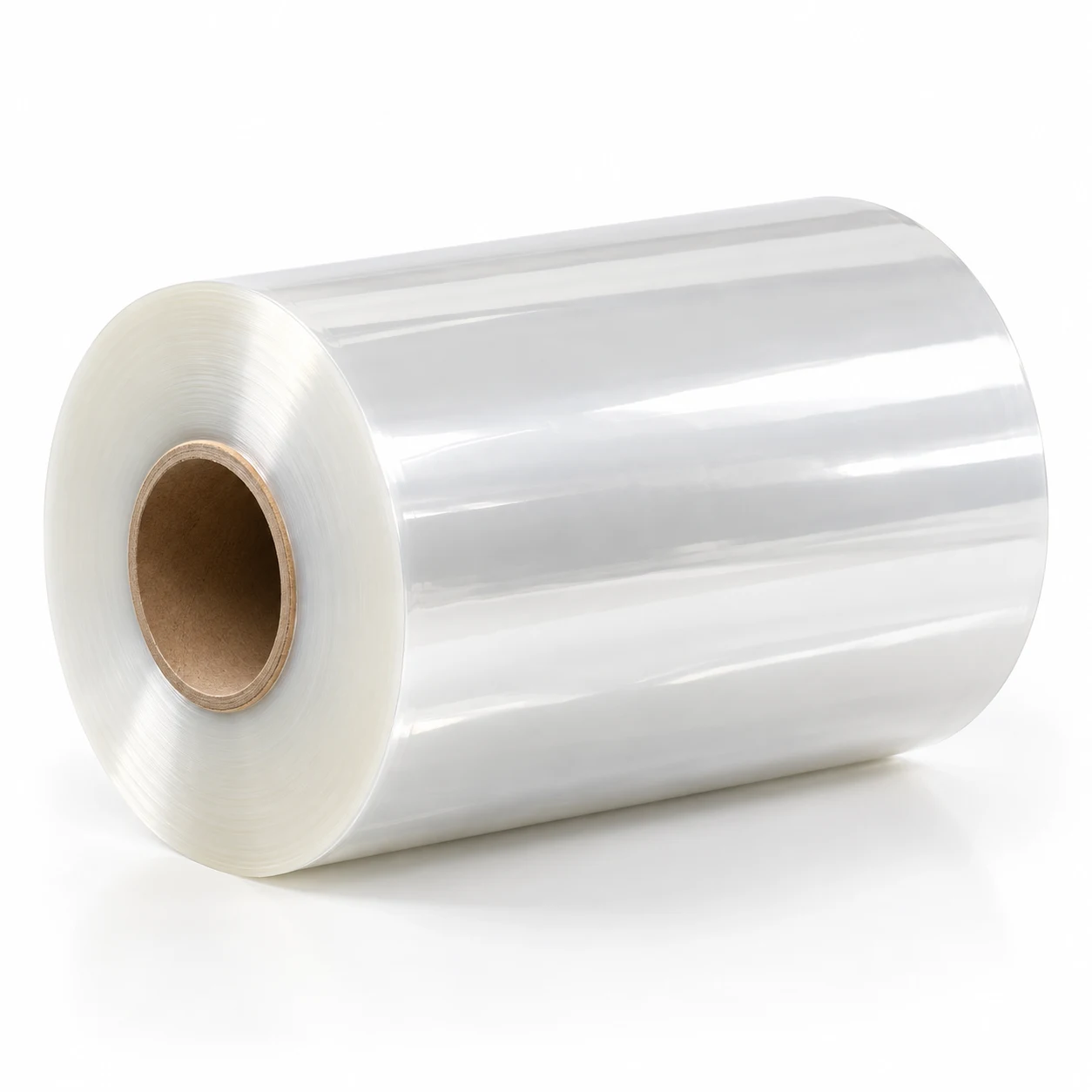
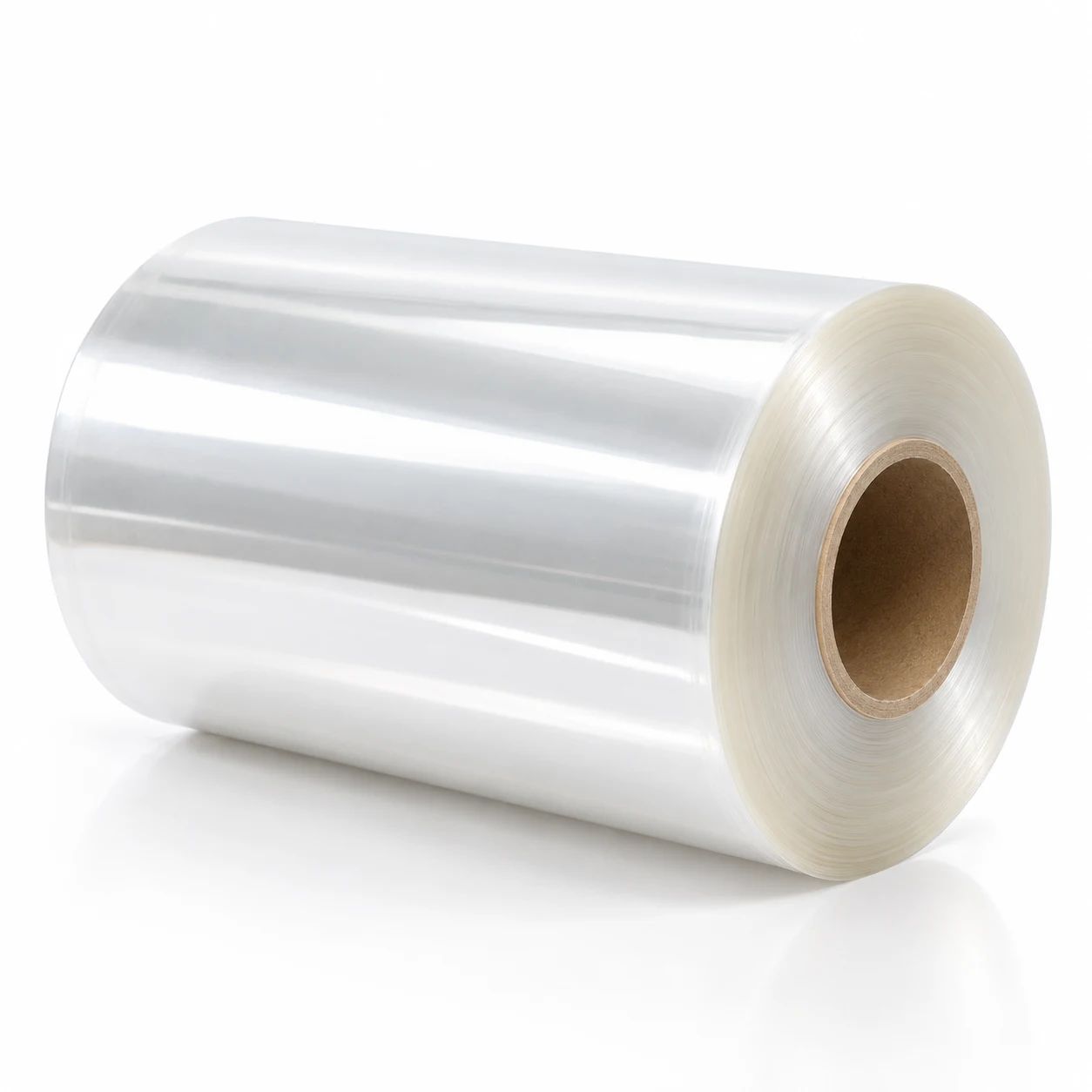
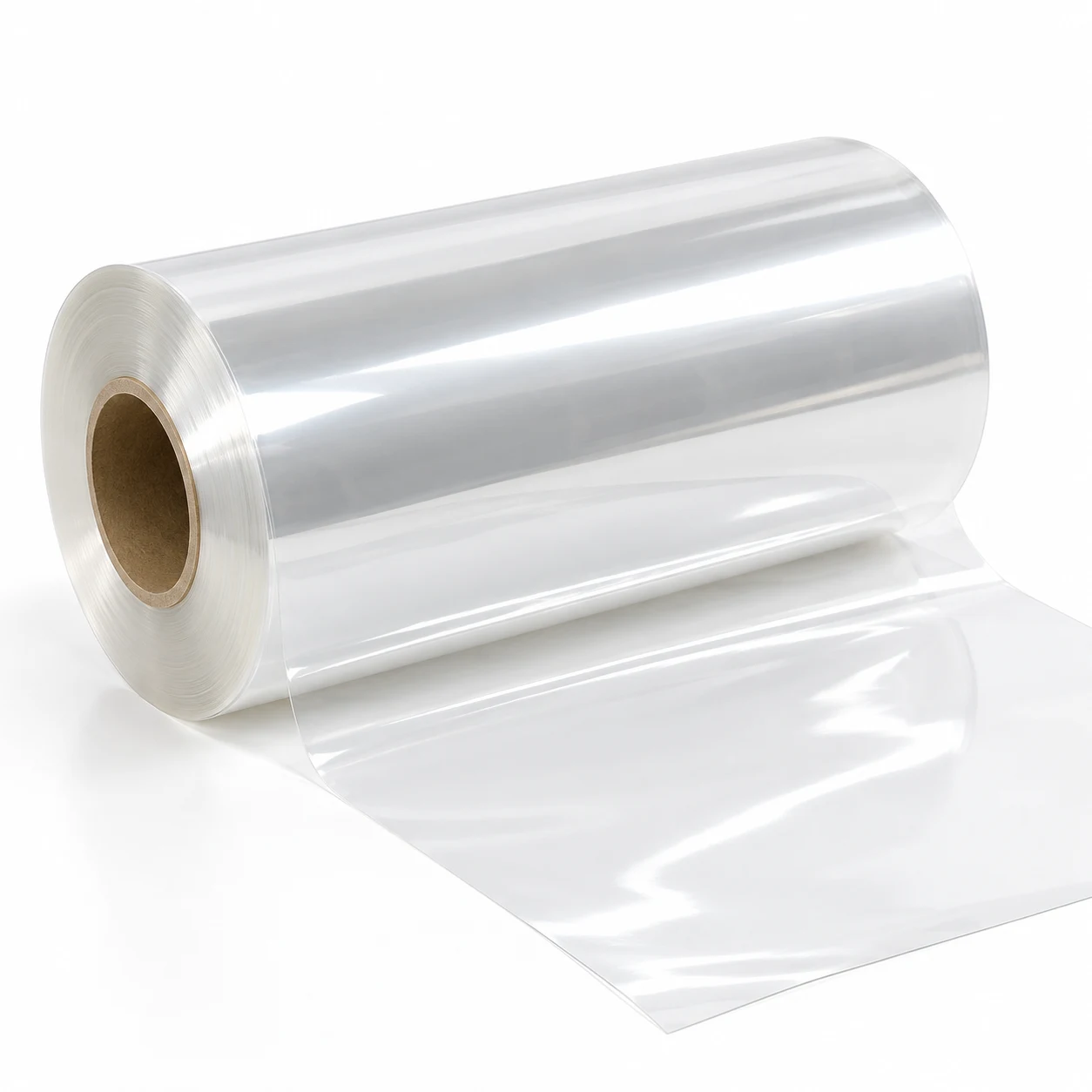
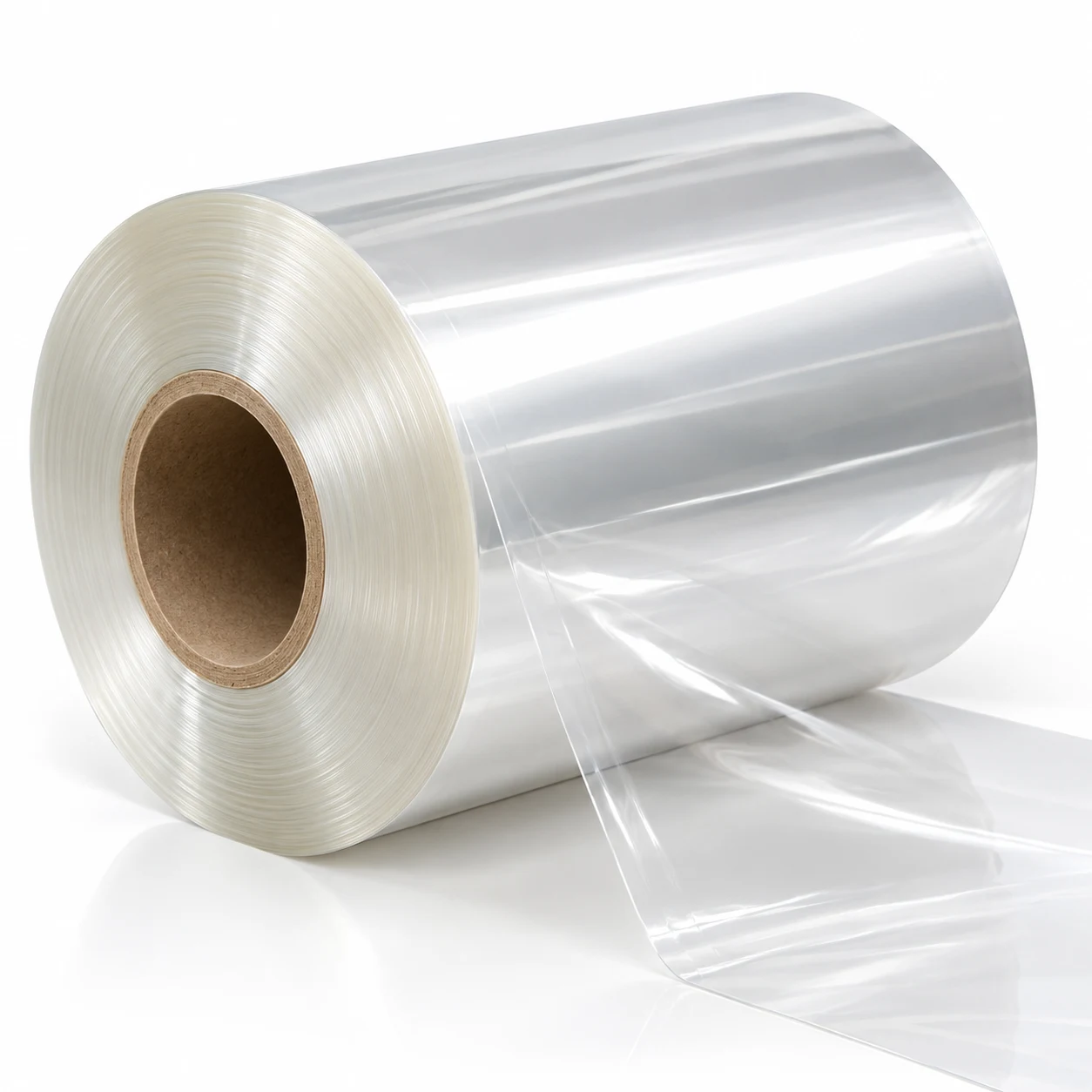
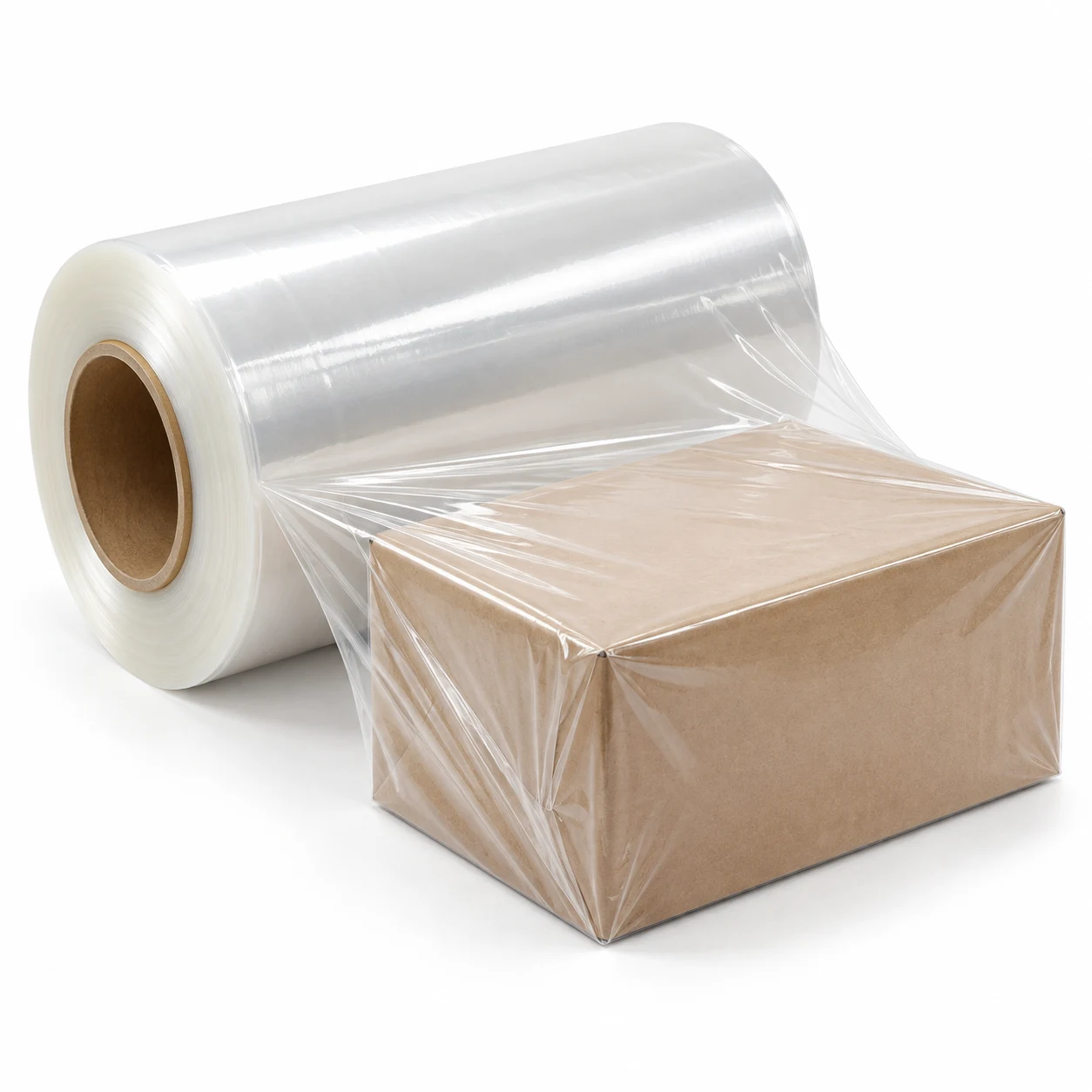
Custom bopp film — made to order: width, thickness, surface treatment and printing up to 10 colours are all specified per run.
Biaxially oriented polypropylene is stretched in both directions during manufacture, and that orientation is what gives it its stiffness, its clarity and its exceptional print reproduction. It is the film you specify when the pack has to look sharp on a shelf and hold its shape in a hand — confectionery, biscuits, dried fruit — and it is the standard facestock for a great many self-adhesive labels.
An outer layer, not a pack
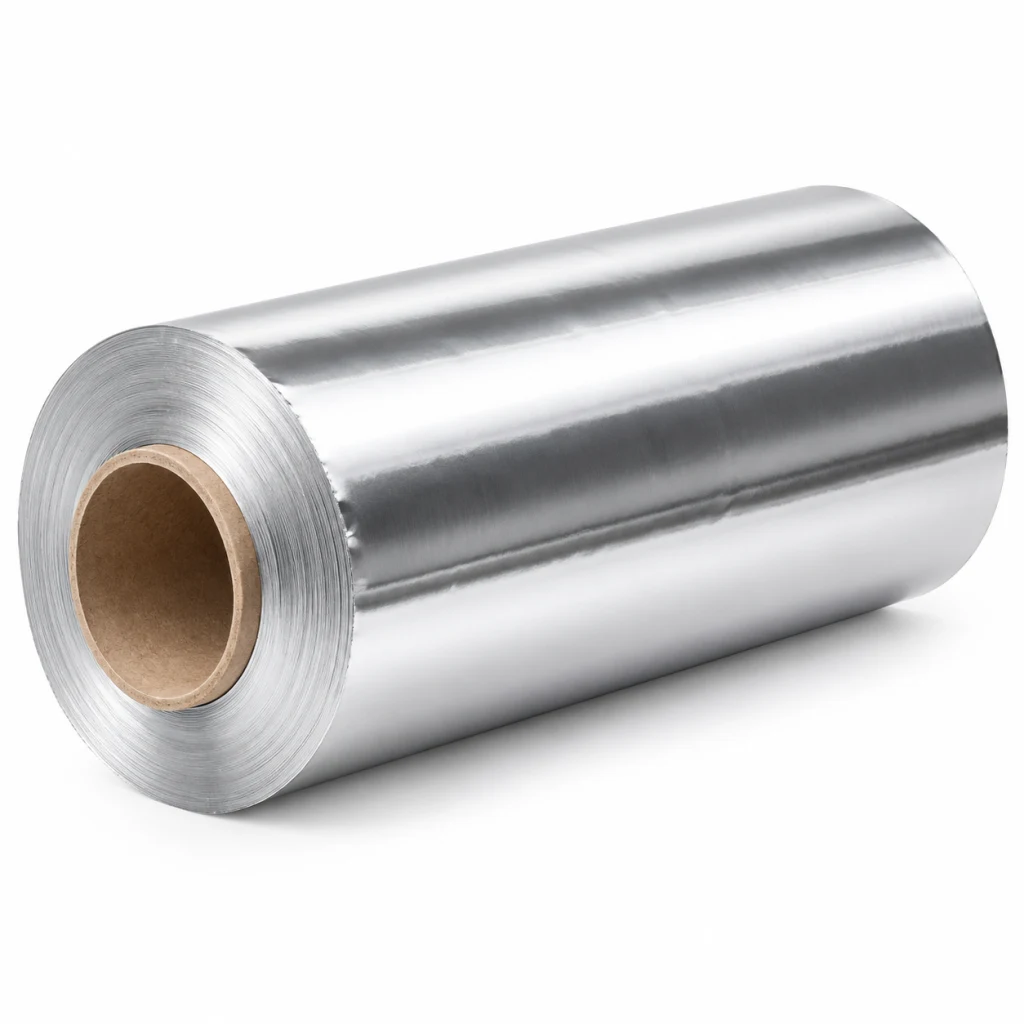
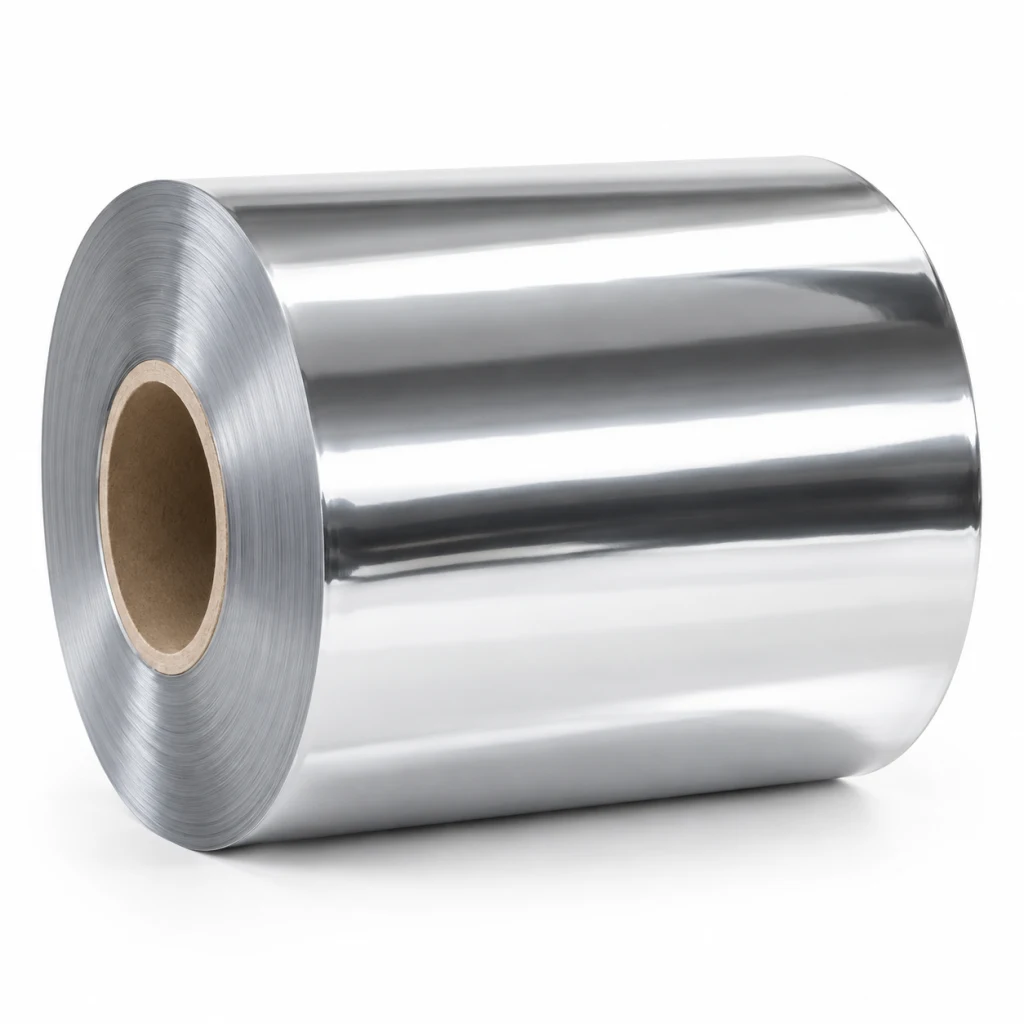
BOPP is a printing and protection surface. Heat seal is 1 of 5 and moisture barrier is 1 of 5, so on its own it protects almost nothing; laminated to a PE sealant it becomes the BOPP/PE structure behind a great many snack bags. Metallised BOPP raises the barrier considerably and is available here. Abrasion resistance is good, which matters for packs that rub against each other in a case.
Treatments and ordering
Plain, corona treated, matt or metallised; width, thickness, surface treatment and printing up to ten colours are made to order. Corona treatment is not optional if the film is being printed or laminated — untreated BOPP sheds ink and adhesive — and it has a shelf life, so film is treated to your schedule rather than stockpiled. For labels, see labels and self-adhesive. FDA and GB food-grade grades available.
What moves the price
Thickness, treatment and finish, in that order, with metallisation as a separate product above them. BOPP is the cheapest of the common outer films per square metre, which is why snack packaging is built on it, and the price difference against PET only widens as thickness rises. Matt grades cost more than gloss. Corona treatment is required for printing or lamination and is scheduled rather than stocked. Where the film is bought as label facestock rather than as a laminate ply, the liner and adhesive become part of the price and usually dominate it.
Where it goes wrong
Buying it for a job that needs heat. BOPP softens well below the temperature PET tolerates, so a pack that is filled hot or cooked in wants PET outside instead — this is discovered as distortion on the line. The second is expecting barrier: at 1 of 5 for moisture, BOPP alone protects nothing, and a BOPP/PE structure is a cost-led pack for fast-moving product. The third is untreated film for a printed job, which is the same failure PET has and just as avoidable.
Where custom bopp film is used
As the printed outer of snack and confectionery laminates, and as label facestock where a waterproof, tear-resistant face is wanted. The snack and bakery page covers the category that uses most of it, and labels and self-adhesive the adhesives and liners that go with the label side. What BOPP contributes to a structure, and what has to sit behind it, is set out in how to read a film structure.
What to send us for a quotation
A quotation for custom bopp film is written against a specification, so the more of this you can send, the closer the first number is to the real one: which structure, or the shelf life and the product so we can choose one — BOPP are available here; the temperature the pack has to survive, from filling through to how the customer opens it (ambient for this product); the line it runs on — this one is specified for printed outer layer of a laminate and Dry lamination film; which options you want fitted: plain, Corona treated and Matt; the values for width, Thickness, Surface treatment and Printing up to 10 colours.
Send the fill weight and the quantity with it. Where you already buy something similar, a sample is worth more than a description — we measure what is actually there rather than quoting against how it was once written down.
Food-contact and export requirements are set out in FDA 21 CFR 177, the US rule for food-contact polymers; the declarations for this structure are issued with the order.