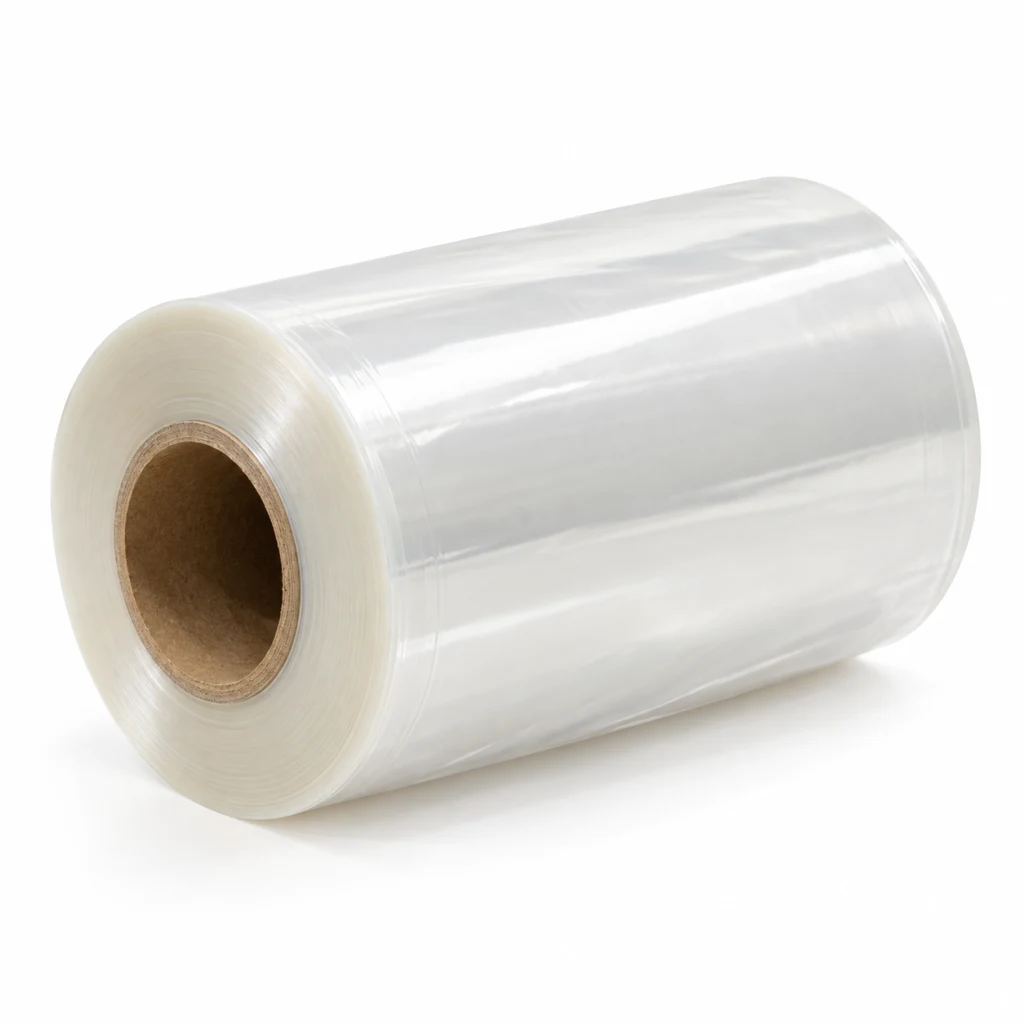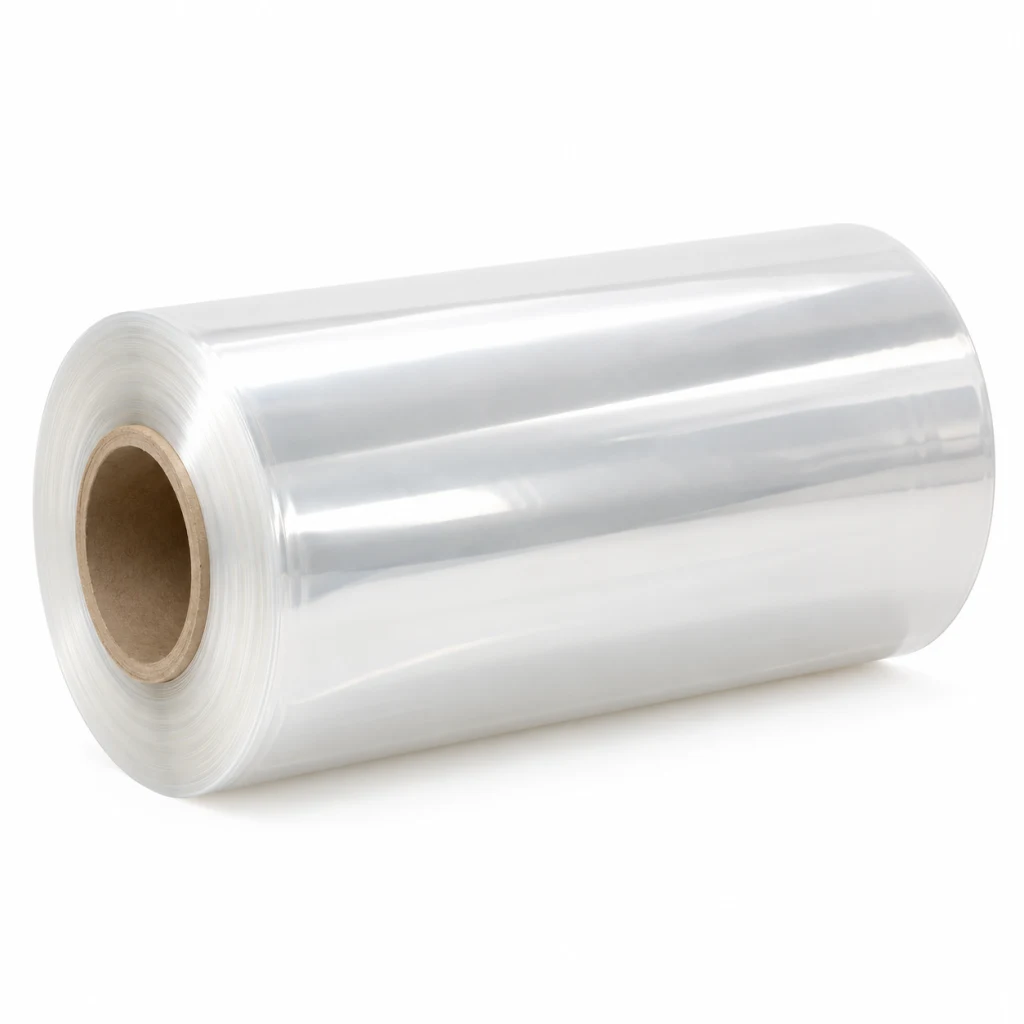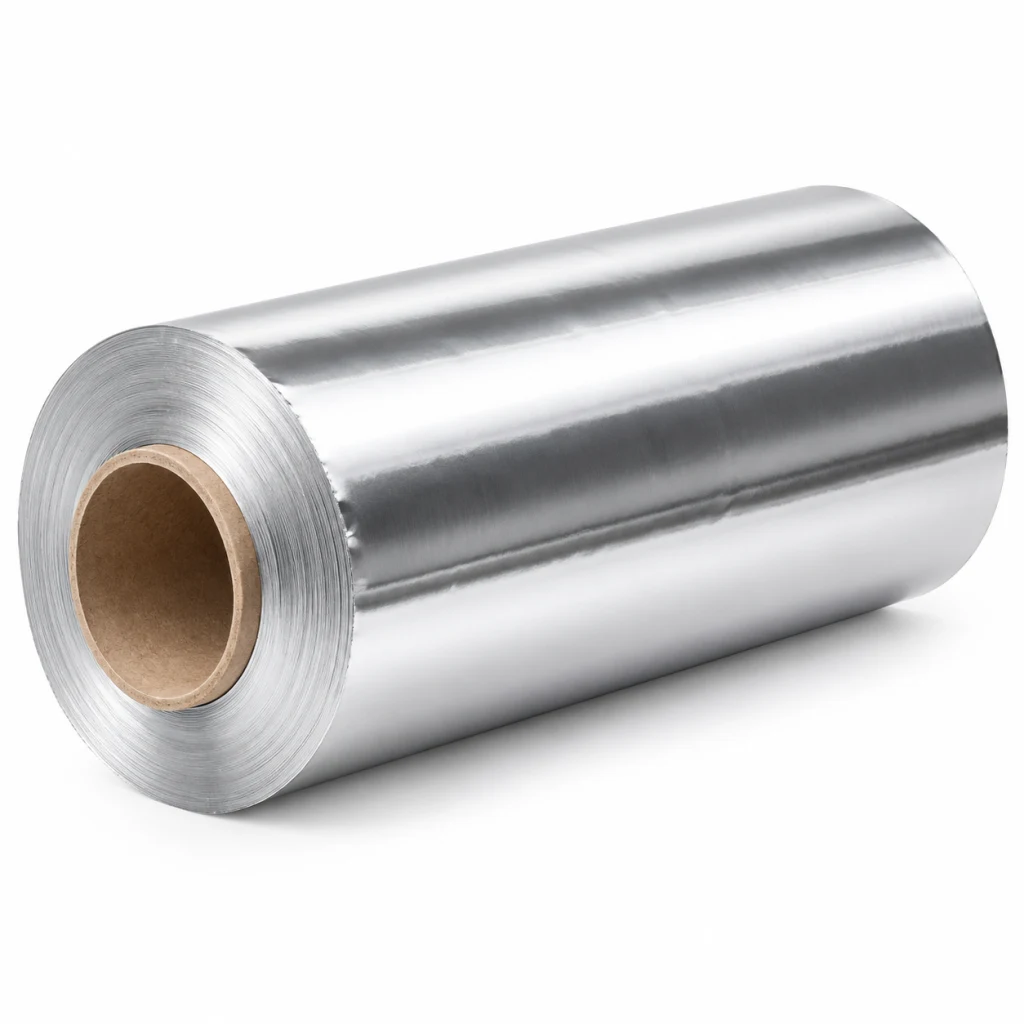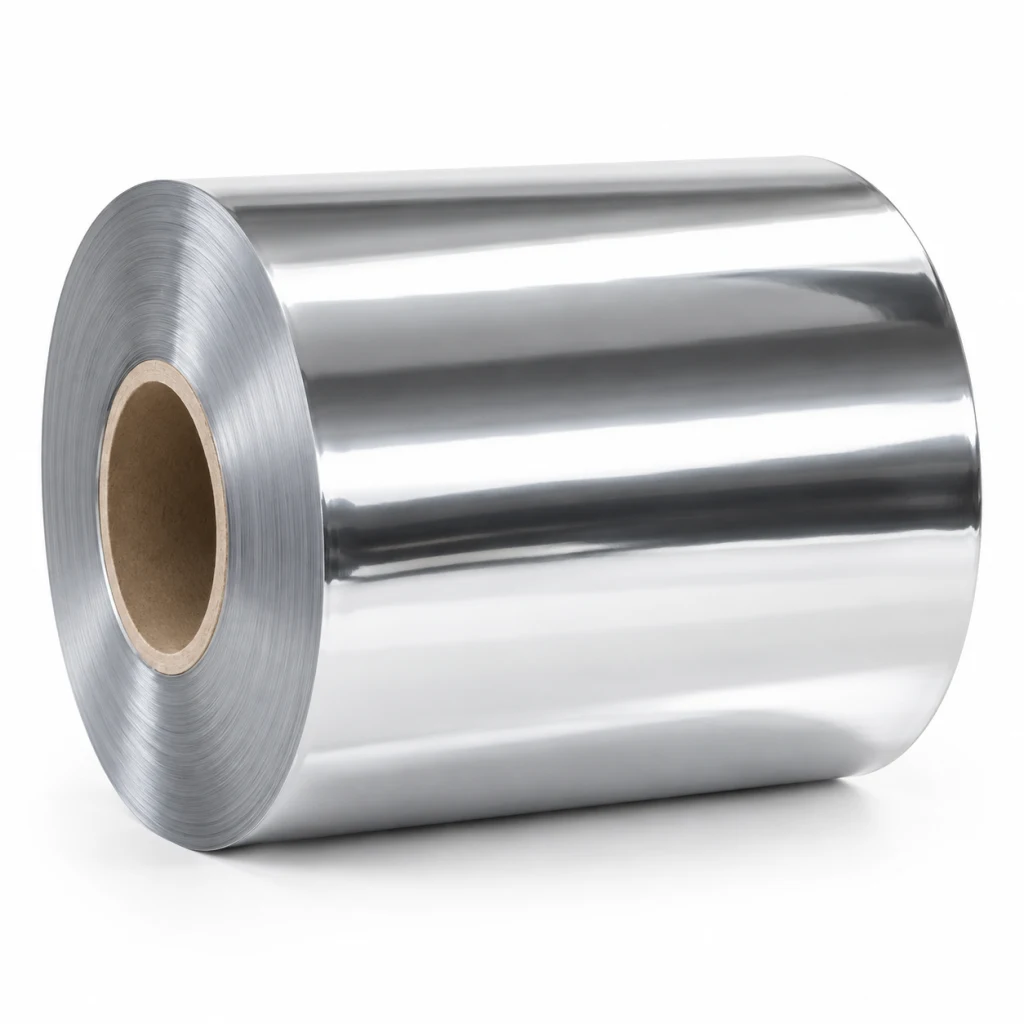
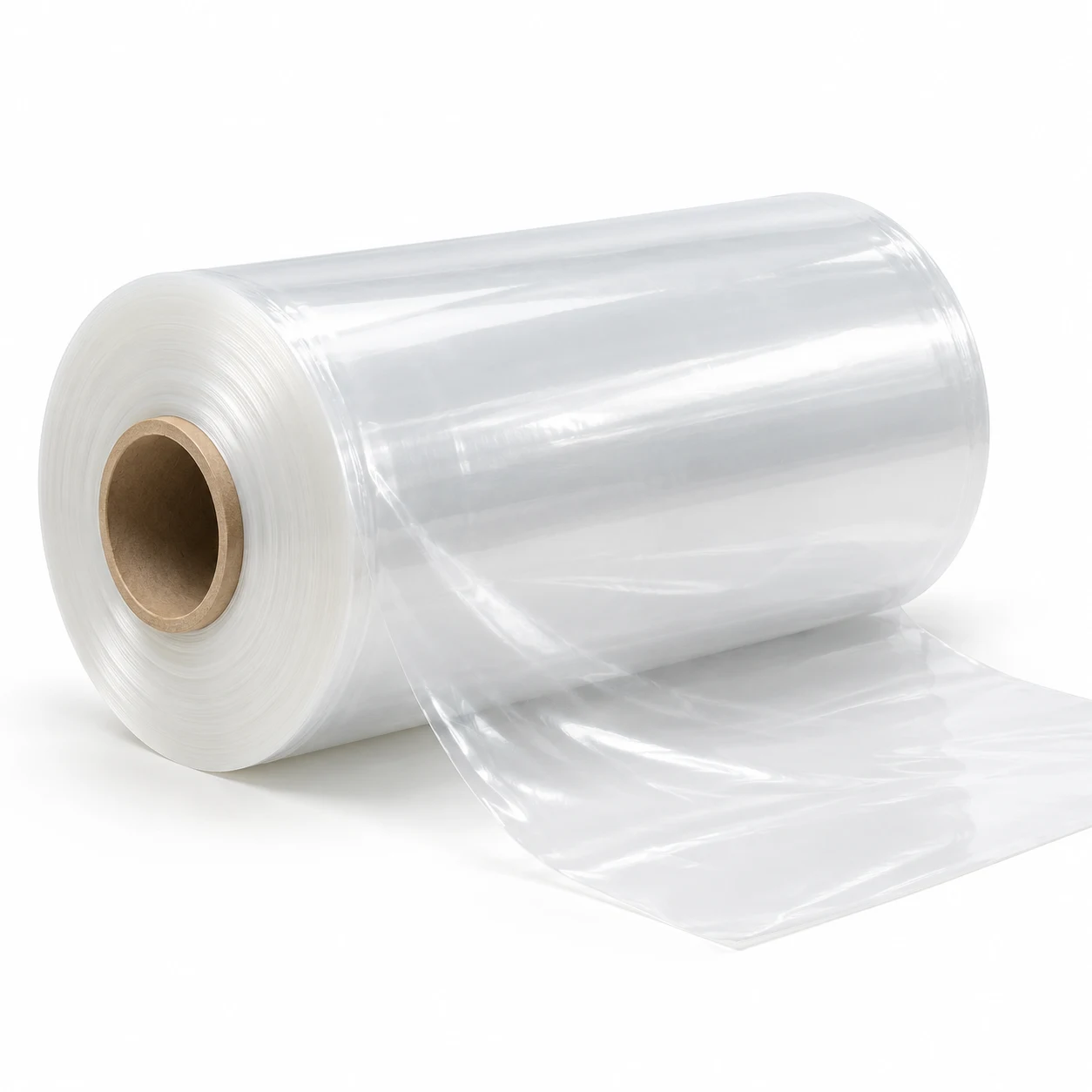
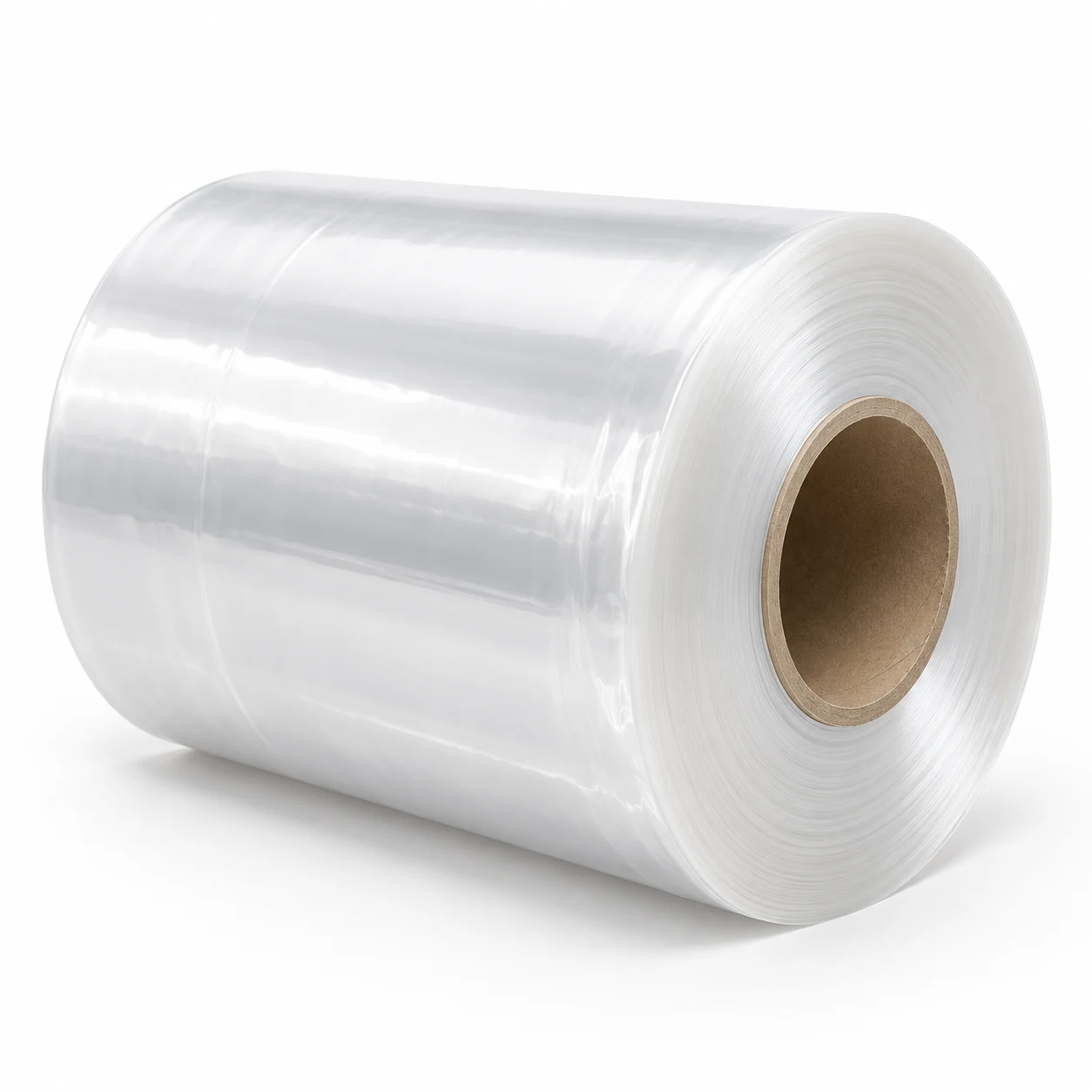
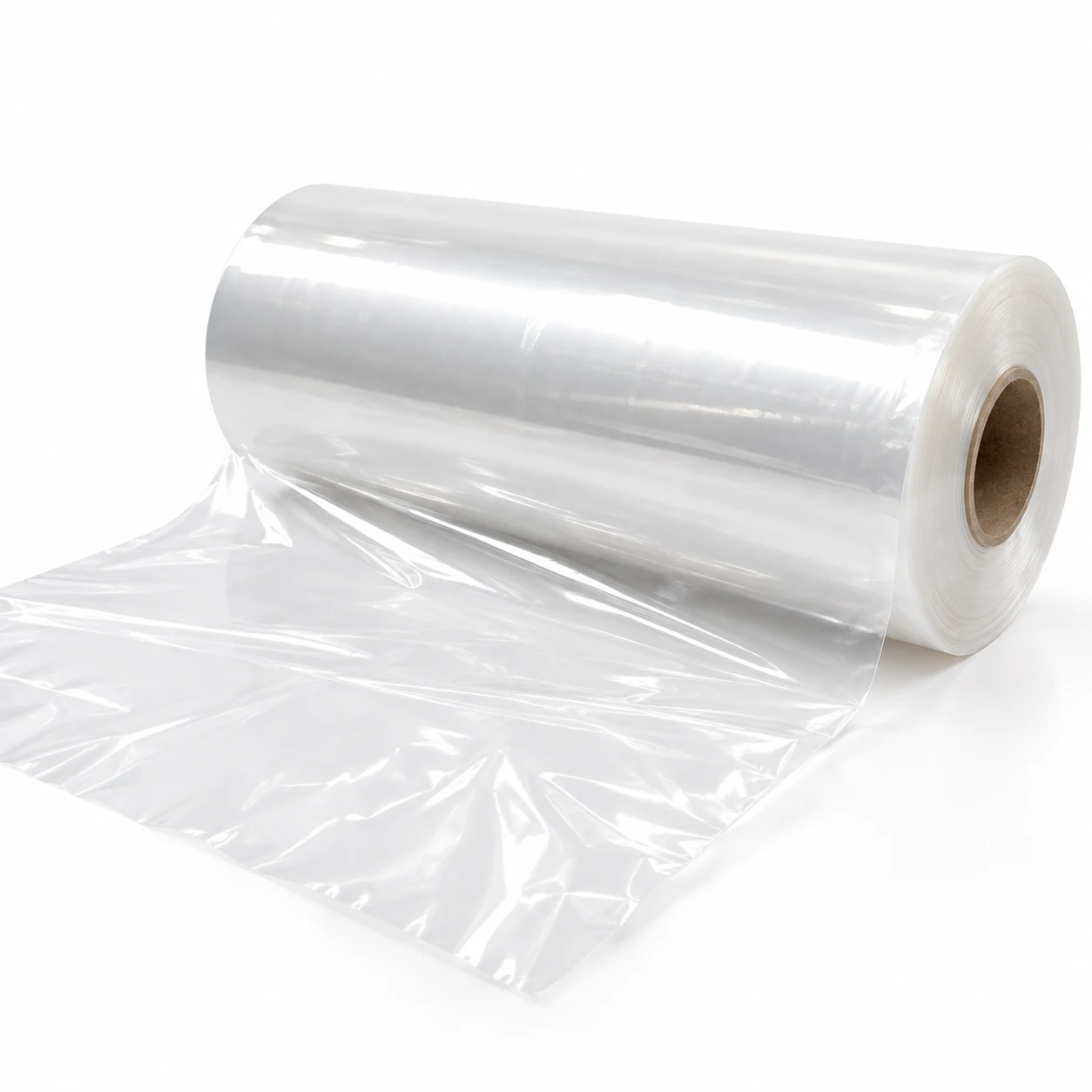
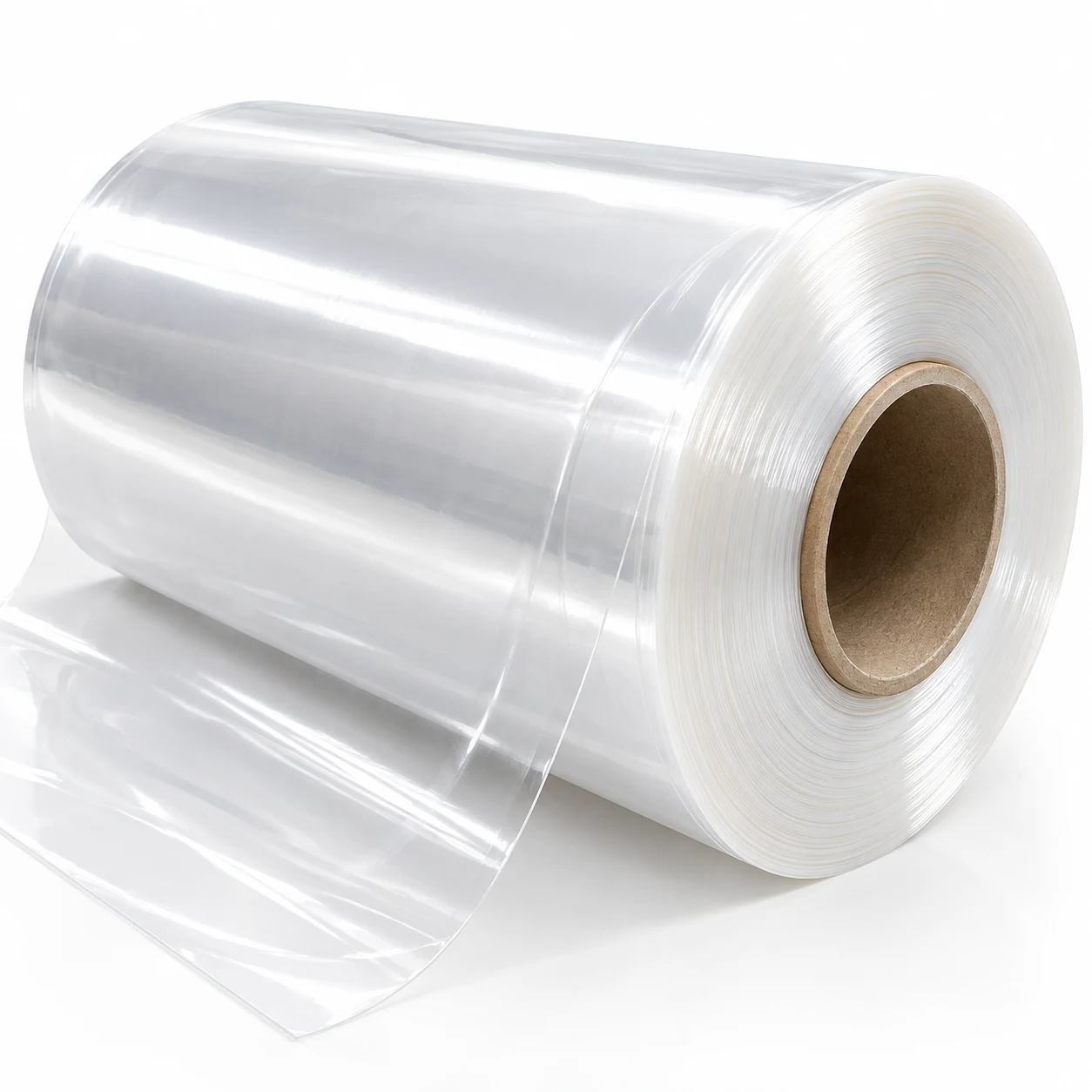
Custom pe film — made to order: width, thickness and grade are all specified per run.
Polyethylene is the sealing layer in most laminates, and the reason is simple: it melts at a low enough temperature to seal reliably on a fast line without cooking what is inside the pack. It stays soft and flexible when cold — including at freezer temperatures, where stiffer films go brittle and crack — and it resists moisture and most common chemicals.
LDPE, LLDPE and which to ask for
LDPE seals at the lowest temperature and gives the cleanest weld on general dry goods. LLDPE is tougher and more puncture-resistant for the same thickness, which matters for heavy fills and for the inner ply of a vacuum pouch. Both are available clear or white. Seal strength here is 4 of 5; oxygen barrier is 1 of 5, and that is not a fault — PE is not a barrier film, and any pack that needs one gets it from a metallised or foil ply above.
Ordering
Width, thickness and grade are made to order. If the film is being laminated, the seal initiation temperature has to suit your sealing jaws and your line speed; send us the machine and we will specify against it rather than guessing. Typical uses are frozen food, agricultural produce and daily goods. Food-grade grades to FDA and GB are available; the rest of the range is in films and rolls.
What moves the price
Grade and thickness. LLDPE costs more than LDPE per kilo and delivers more toughness per micron, so the cheaper film is not always the cheaper pack — a thinner LLDPE structure can undercut a thicker LDPE one for the same performance. Colour is a real cost: natural is cheapest, white and pigmented grades carry masterbatch. Width and quantity behave as elsewhere. Where the film is a laminate ply rather than a standalone bag, the seal initiation temperature specification sometimes narrows the grades available, which narrows the price.
Where it goes wrong
Treating PE as a barrier. It is 1 of 5 on oxygen and it always will be, and a pack that needs one gets it from a ply above. The second is a seal temperature mismatch: too high for your jaws and the seals are weak at line speed, too low and the film sticks to the jaws and strings — both read as film faults and both are pairing faults. The third is specifying frozen-service film without saying so, because the grade that stays flexible at −20 °C is not the default.
Where custom pe film is used
As the sealant in most laminates, as the inner ply of vacuum and frozen packs, and as a waterproof layer wherever moisture has to be kept out rather than oxygen. Frozen ranges lean on it heavily because it stays flexible below zero — the frozen and chilled page covers what cold does to everything else. For how much barrier a structure actually needs before you specify the ply above it, OTR and WVTR explained sets out the arithmetic.
What to send us for a quotation
A quotation for custom pe film is written against a specification, so the more of this you can send, the closer the first number is to the real one: which structure, or the shelf life and the product so we can choose one — PE are available here; the temperature the pack has to survive, from filling through to how the customer opens it (frozen to ambient for this product); the line it runs on — this one is specified for inner sealing layer and Vacuum pouch inner ply; which options you want fitted: lDPE, LLDPE and Clear; the values for width, Thickness and Grade.
Send the fill weight and the quantity with it. Where you already buy something similar, a sample is worth more than a description — we measure what is actually there rather than quoting against how it was once written down.
Food-contact and export requirements are set out in FDA 21 CFR 177, the US rule for food-contact polymers; the declarations for this structure are issued with the order.