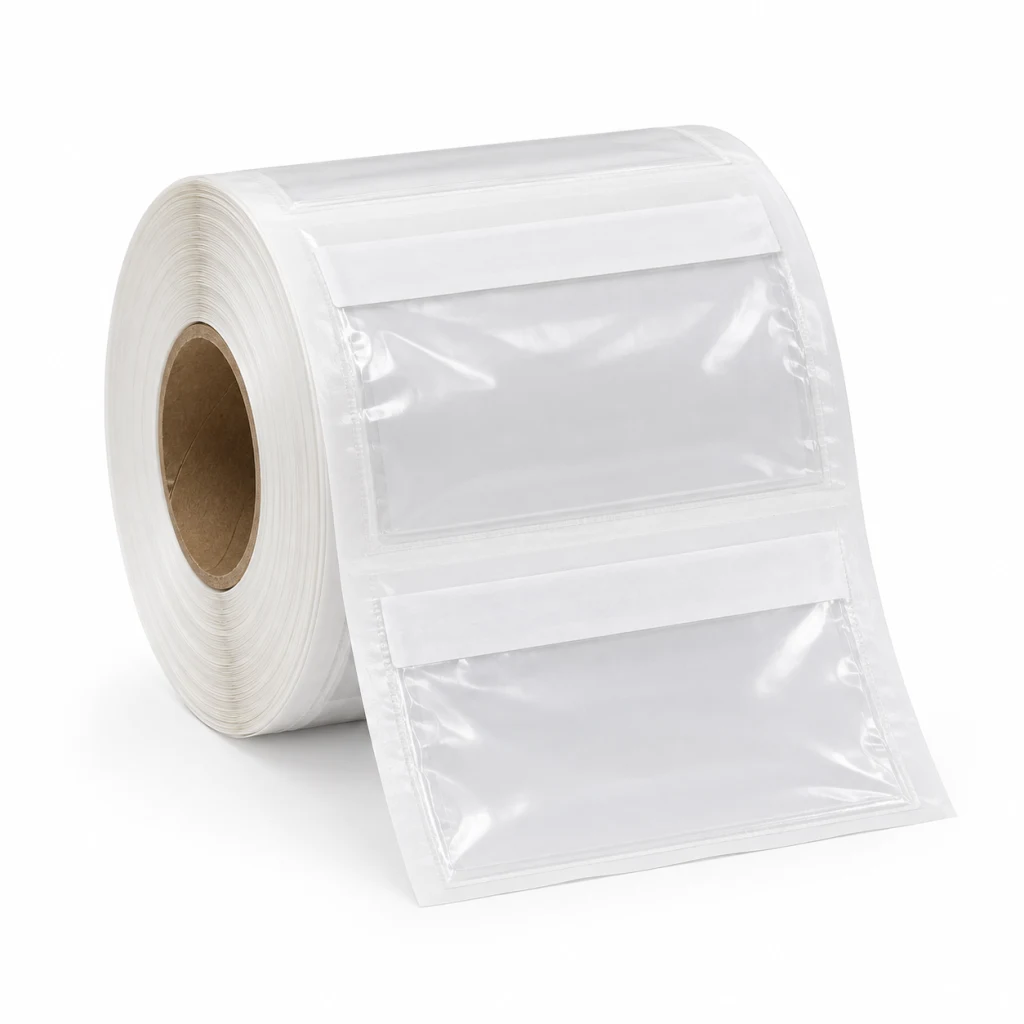
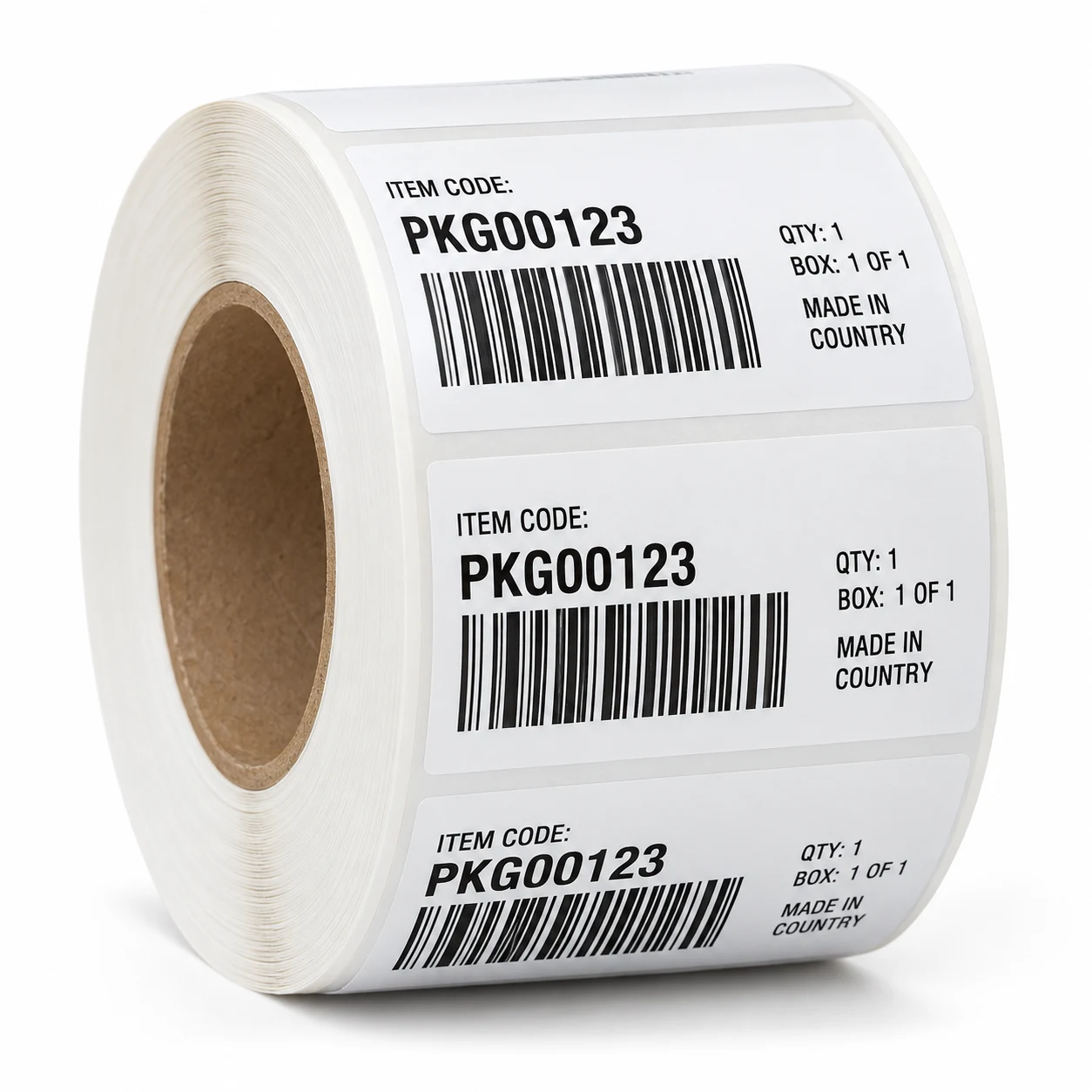

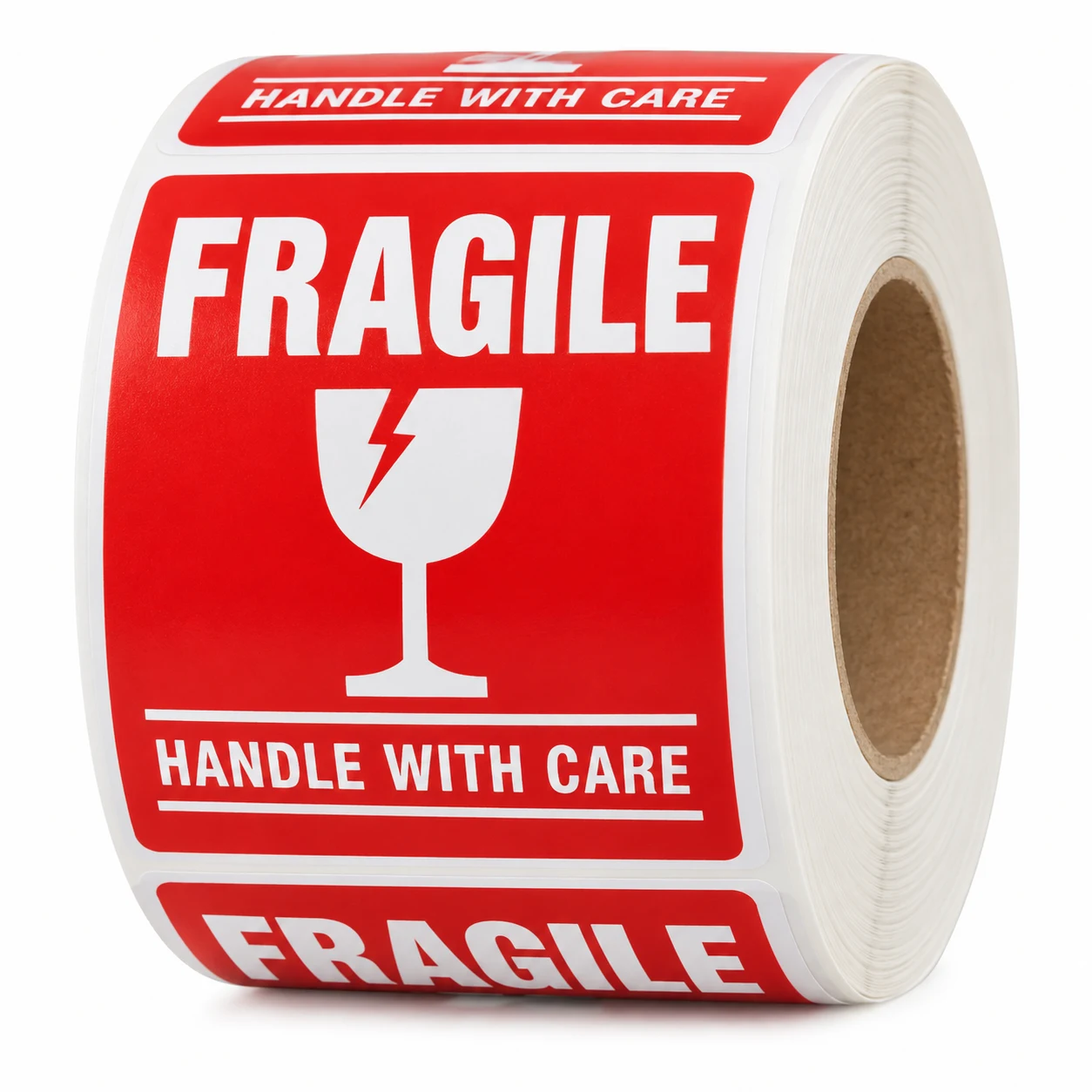
Wholesale marking labels and ribbons — made to order: label size, roll length, ribbon type and printing are all specified per run.
A warehouse label has one job: still be readable and scannable at the far end of a supply chain that involved several trucks, a forklift and a damp loading bay. That is less about the label than about the pairing — the ribbon, the face material and the printer have to suit each other, and most marking failures are a mismatch rather than a defect.
Wax, wax-resin and resin ribbons
Wax ribbon is the cheapest and prints beautifully on paper labels, and it smudges under abrasion — fine for a carton label read once at delivery. Wax-resin is the general-purpose middle: durable enough for warehouse handling, and it prints on both paper and synthetic faces. Resin ribbon is for synthetic labels that must survive chemicals, solvents, heat or long outdoor exposure, and it is the only one worth using on a label that has to last years. Using a resin ribbon on a paper face, or a wax ribbon on synthetic, produces poor print in both directions.
Ordering
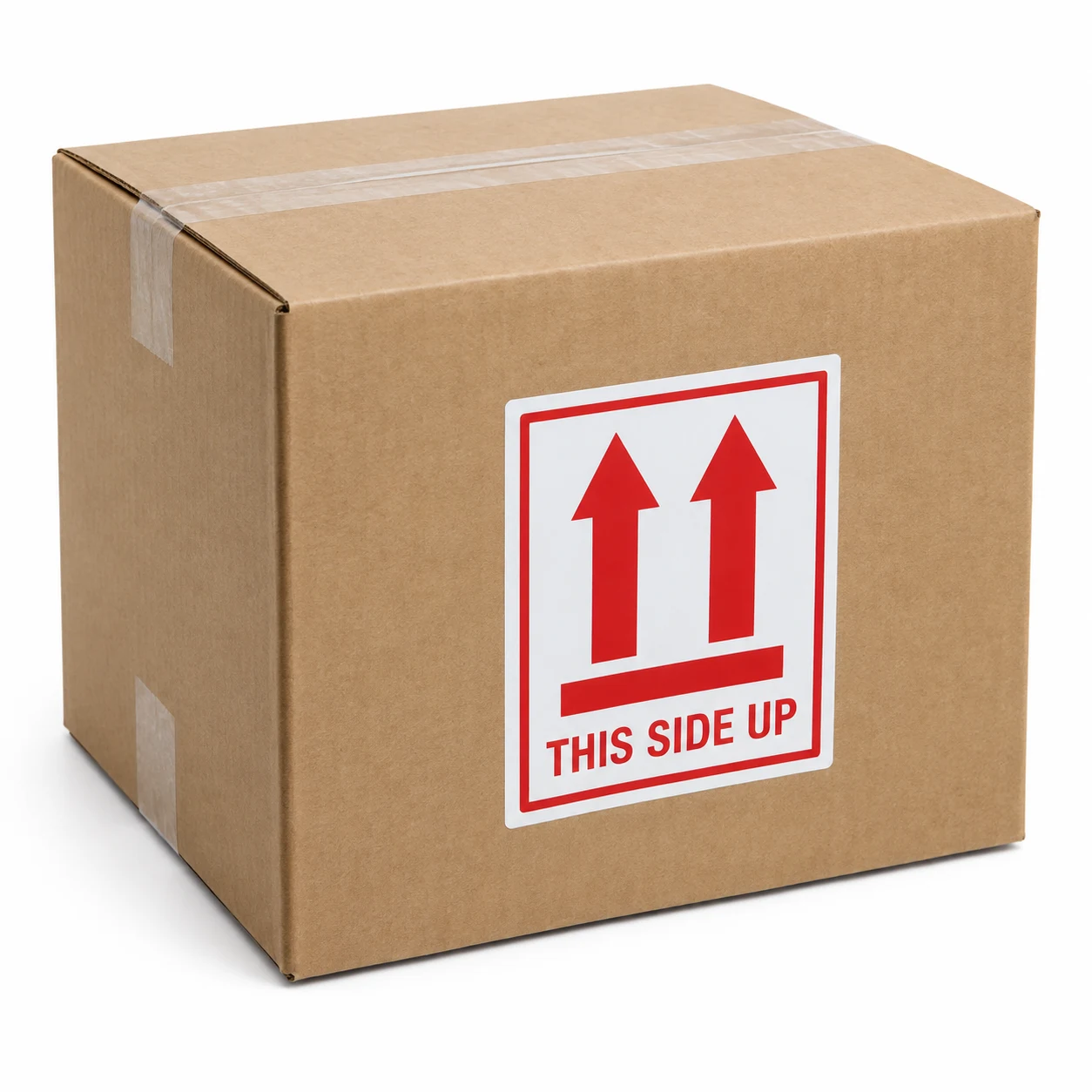
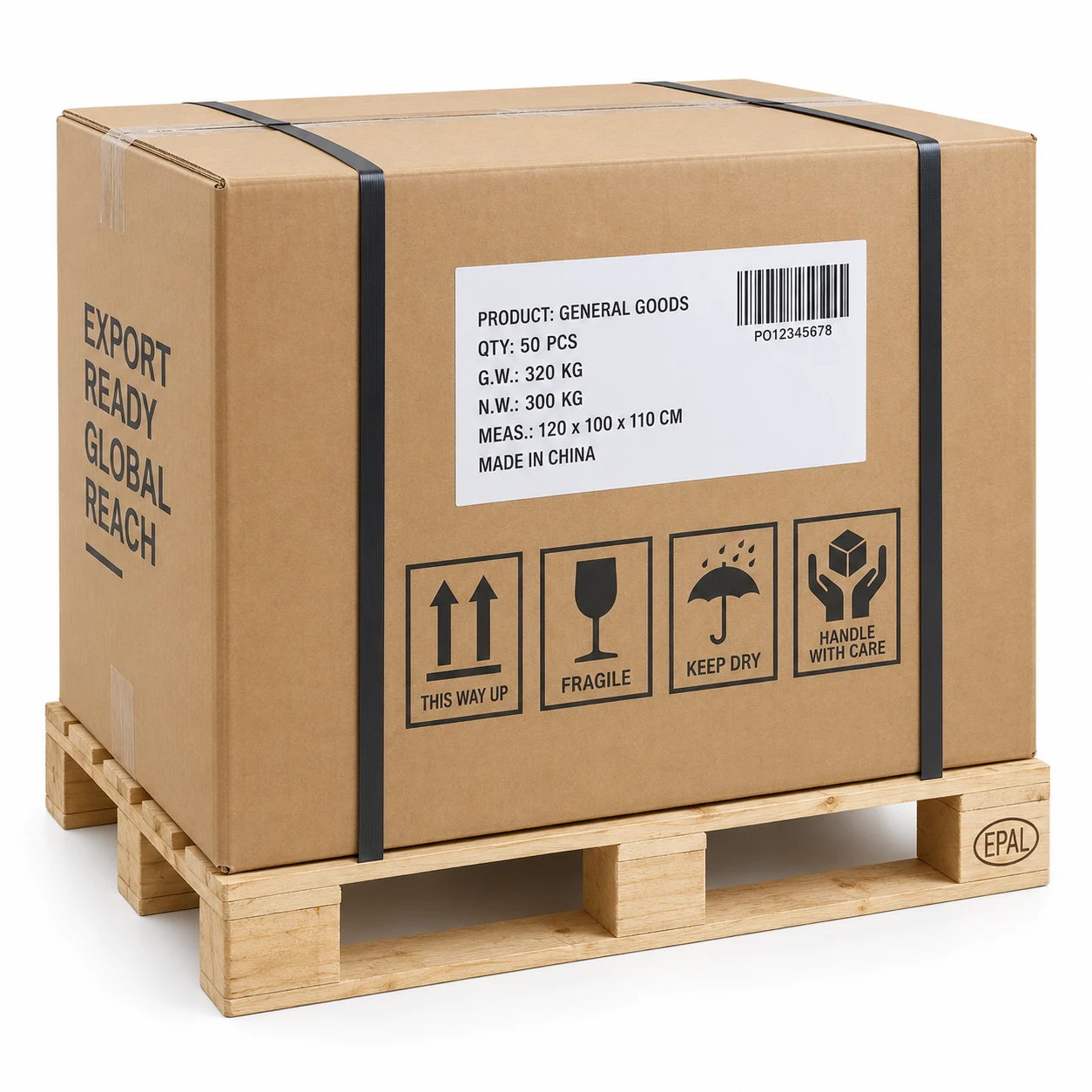
Barcode labels, warning labels, fragile-substrate labels and thermal transfer ribbons; label size, roll length, ribbon type and printing made to order. Permanent adhesive, −20 to 80 °C. For direct thermal printing with no ribbon at all, see the thermal label; the full range is in labels and self-adhesive.
What moves the price
The ribbon, mostly. Wax is cheapest, wax-resin sits in the middle, resin costs most and lasts longest — and the right one is set by what the label has to survive rather than by the budget. Label facestock follows the same logic: paper for a carton read once, synthetic for anything exposed. Roll length and core size do not move the price much and do decide whether the roll fits the printer.
Where it goes wrong
Mismatching ribbon and face, which prints badly in both directions — resin on paper and wax on synthetic are both wrong and both common. The second is wax ribbon on a label that will be handled, which smudges. The third is ordering to a specification rather than to a printer: send the model and the labels arrive sized and wound to suit it.
Where wholesale marking labels and ribbons is used
Warehouse and logistics operations, product identification and barcode traceability — labels that have to be scannable at the far end of a supply chain involving several trucks and a damp loading bay. For labels printed without a ribbon at all, see the thermal label; for the full label range and its adhesives, labels and self-adhesive.
What to send us for a quotation
A quotation for wholesale marking labels and ribbons is written against a specification, so the more of this you can send, the closer the first number is to the real one: which structure, or the shelf life and the product so we can choose one — Barcode labels, Warning labels and Fragile-substrate labels are available here; the temperature the pack has to survive, from filling through to how the customer opens it (−20 to 80 °C for this product); the line it runs on — this one is specified for variable data printing and Die cutting; which options you want fitted: wax ribbon, Wax-resin ribbon and Resin ribbon; the values for label size, Roll length, Ribbon type and Printing.
Send the fill weight and the quantity with it. Where you already buy something similar, a sample is worth more than a description — we measure what is actually there rather than quoting against how it was once written down.
Food-contact and export requirements are set out in ISPM 15, the international standard for wood packaging crossing a border; the declarations for this structure are issued with the order.