
Flexible packaging products
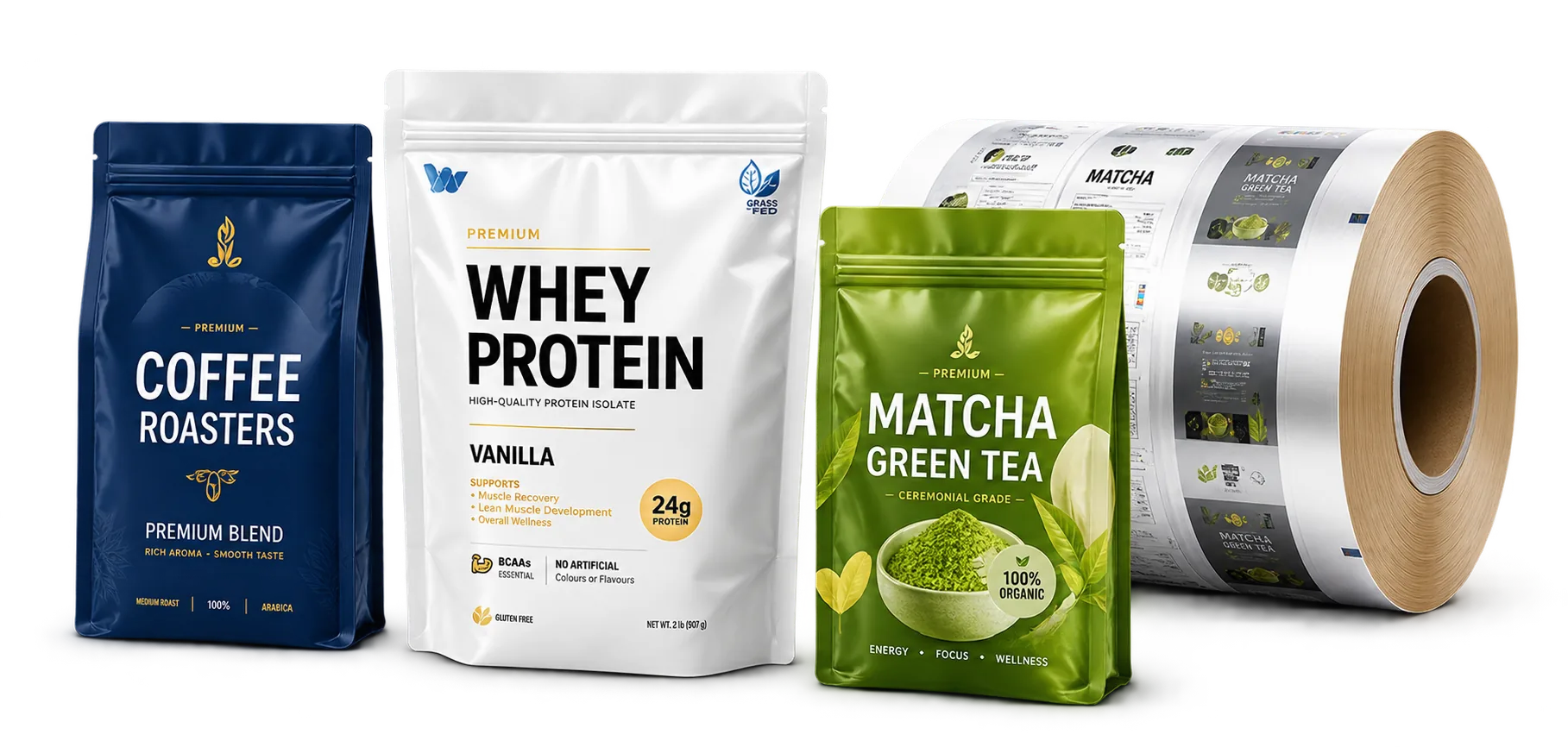
High-performance flexible packaging engineered for protection, functionality and brand impact. Browse the range by type, material, barrier or application.
How to choose the right flexible packaging products
Two routes run through this catalogue. Custom-printed formats are built to your artwork, your dimensions and your barrier specification, with tooling and plates paid once and spread across the run. Wholesale formats are held in standard sizes and ship without artwork, which suits repeat consumables and trial volumes. Most buyers end up using both — custom for the pack the shopper sees, wholesale for the outer carton and the line consumables behind it.
Start from the product, not the pack
Shelf life, fill temperature and the machine that will run the pack narrow the structure faster than any filter on this page. A sauce filled hot at 90 °C and a dry powder with a two-year shelf life can arrive as the same stand-up pouch drawing and still need different laminates underneath.
What the filters mean
Material is the laminate family. Barrier groups formats by how much oxygen and moisture they let through. Temperature runs from frozen to retort at 121 °C. Process marks which formats feed a form-fill-seal line and which are made up first and filled as pouches.
Minimum orders and lead times
Custom work carries a one-off tooling and plate charge and a longer first run, because artwork is proofed before anything is printed. Repeat orders skip that step. Wholesale lines ship from stock, so the lead time is the freight, not the production.
Where these flexible packaging products are used
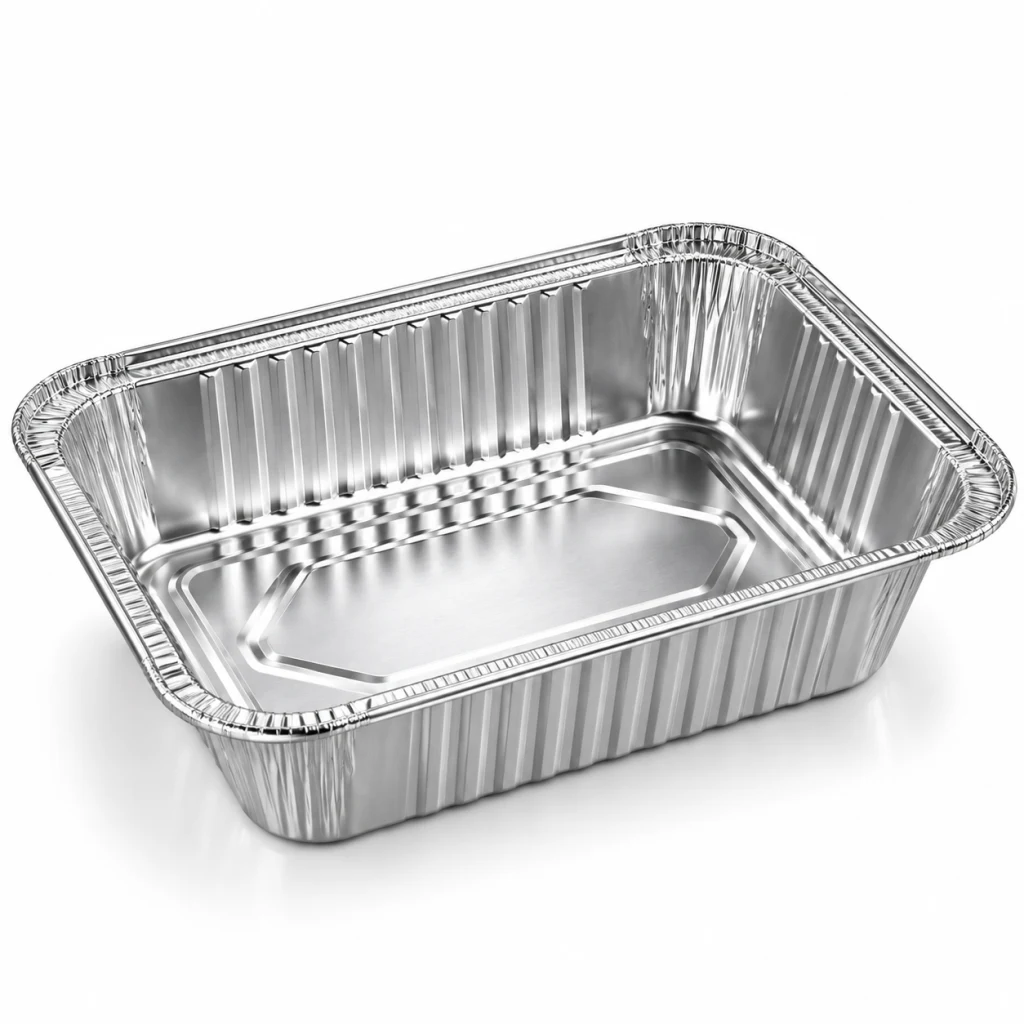
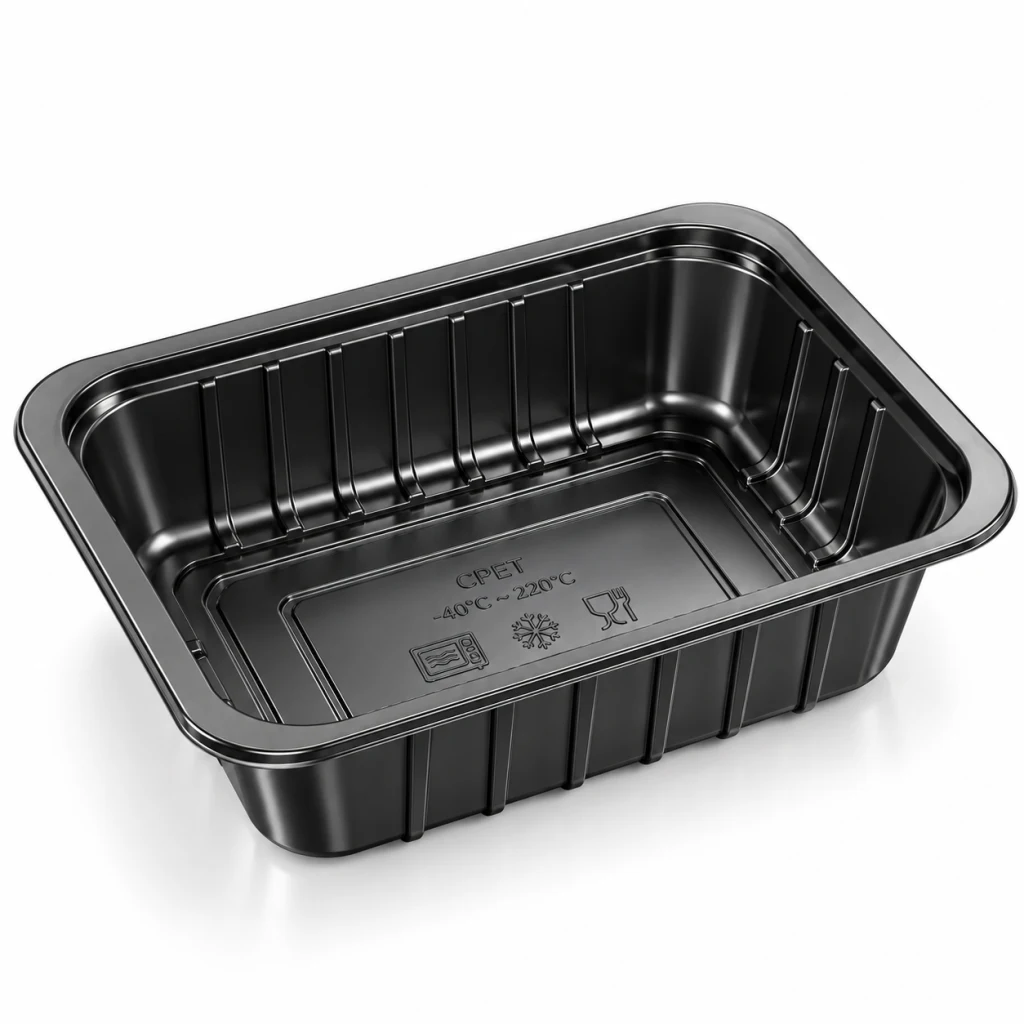
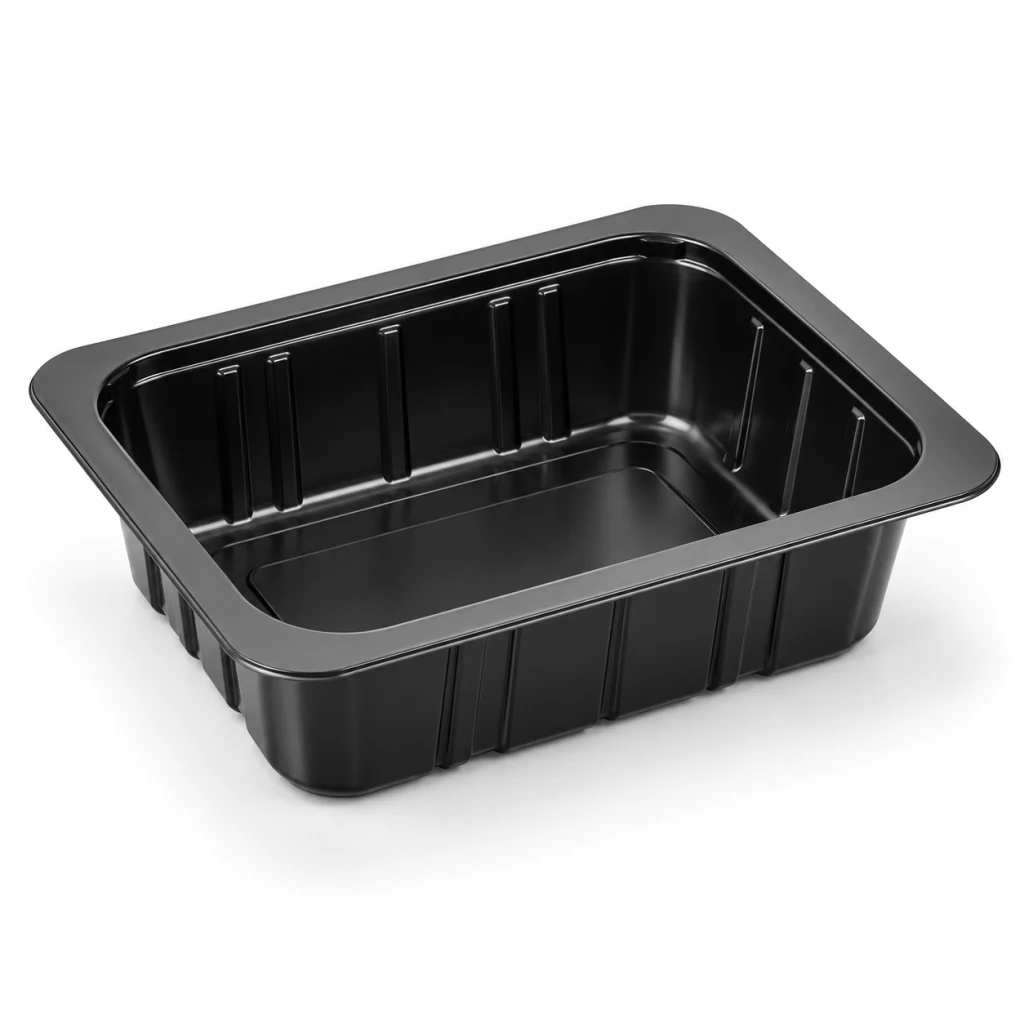
The same drawing behaves differently depending on what goes in it. Coffee needs a one-way valve and an oxygen barrier measured in months. Frozen food needs a laminate that stays flexible below zero and seals through a little product dust. Ready meals need a tray and a lidding film that survive the same retort or microwave cycle together. Pharmaceutical and supplement packs carry the tightest moisture limits and the most documentation. The nine industry pages set out what each sector asks for before you filter the catalogue.
Compliance that travels with the order
Every food-contact format in this catalogue is quoted against a named standard rather than a general assurance. In the United States that means the FDA’s food-contact substance rules; in the European Union it means Regulation 1935/2004 and the plastics measure under it. Wooden cases and pallets are heat treated and marked to ISPM 15, which is what customs actually inspects. Declarations, migration test reports and inspection records are issued with the shipment, not promised after it.
Two things decide what a run costs before anything is printed. The first is the structure: an aluminium-foil laminate holding a two-year shelf life costs more per square metre than a clear PET/PE film holding six months, and no amount of volume closes that gap. The second is the print. Gravure carries a cylinder charge per colour and earns it back over a long run; digital carries none and suits short runs and versioned artwork. A format that looks identical on the shelf can therefore be quoted two ways, and the cheaper one is not always the one with the lower unit price — it is the one whose tooling is already paid for.
If you already know the format, open the product and send the four things a quotation needs: the structure or the shelf life, the filled size, the print, and the run. If you do not, tell us the product and the machine and we will narrow it for you — that is the part of the job a filter cannot do.
Need a structure that is not listed?
Size, thickness, structure and printing are all made to order. Send the product, the format and the shelf life you need.