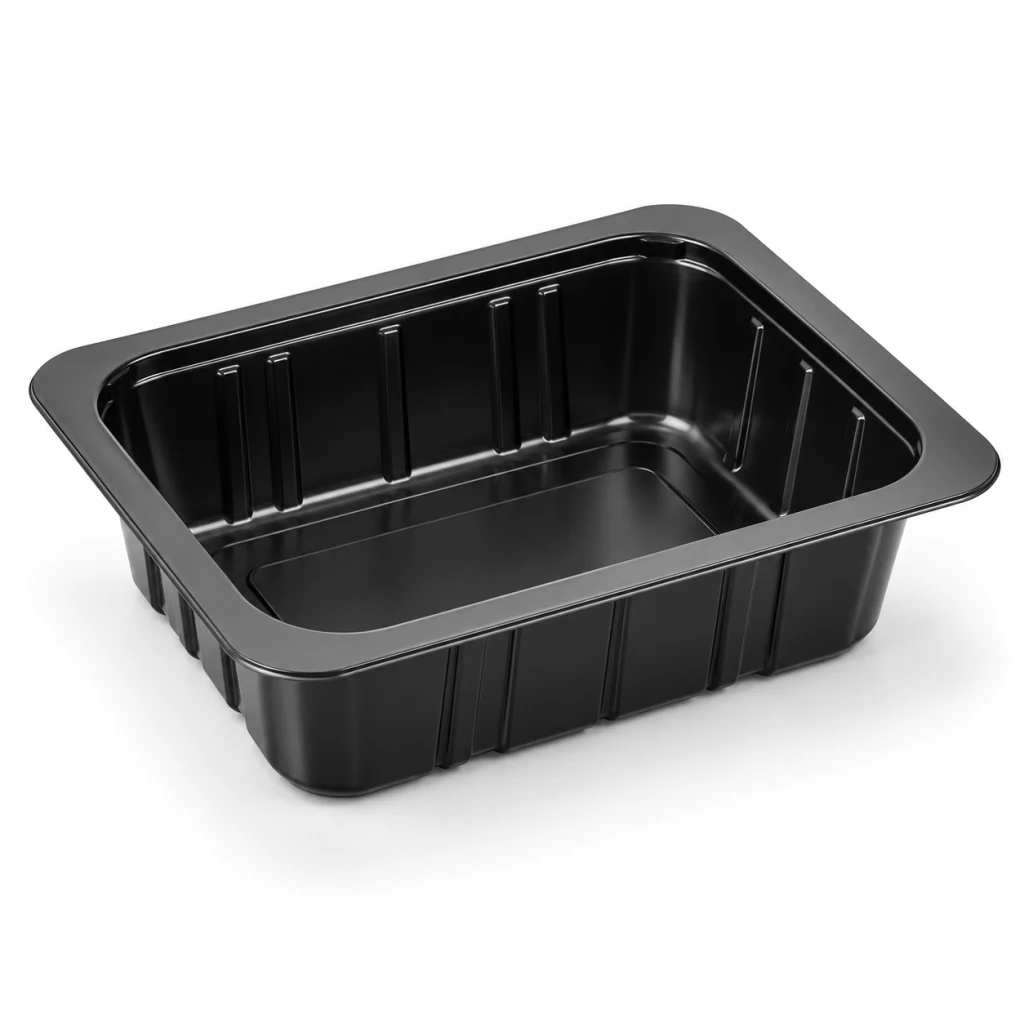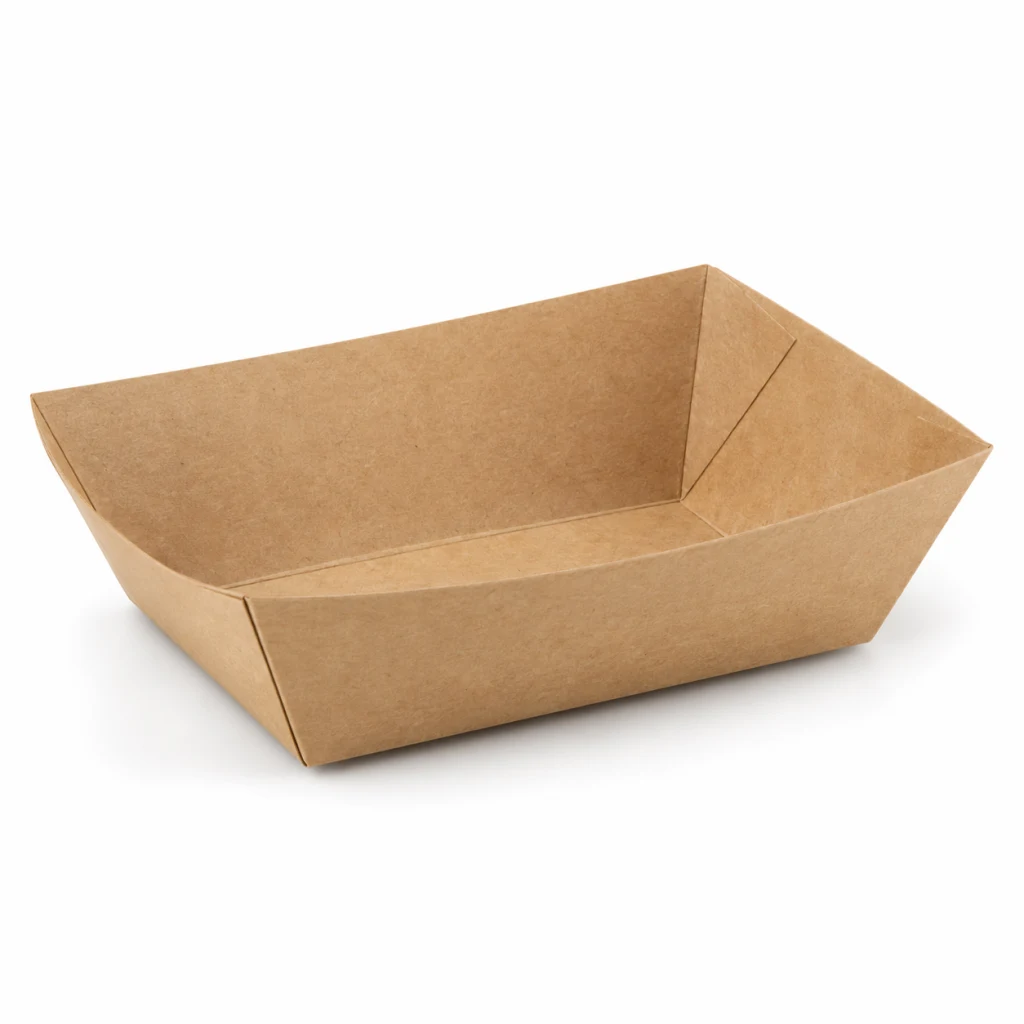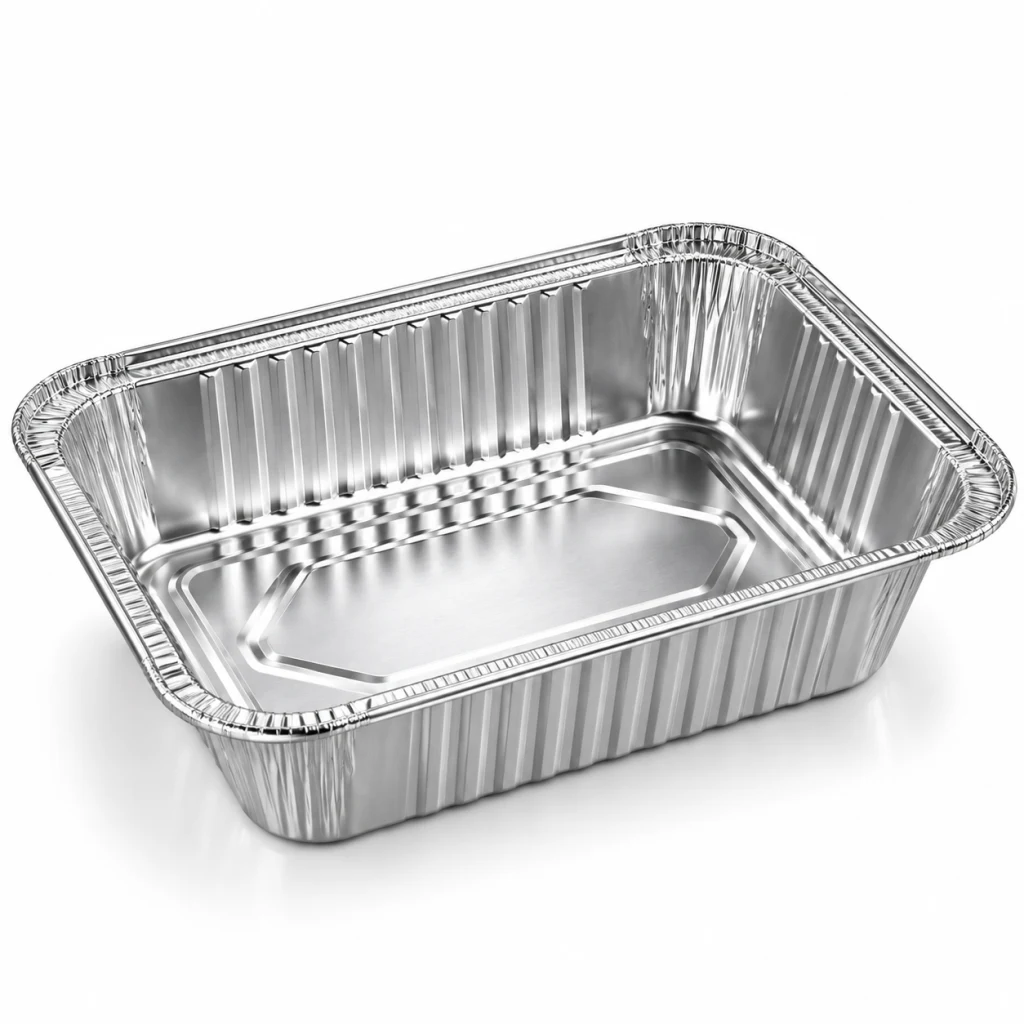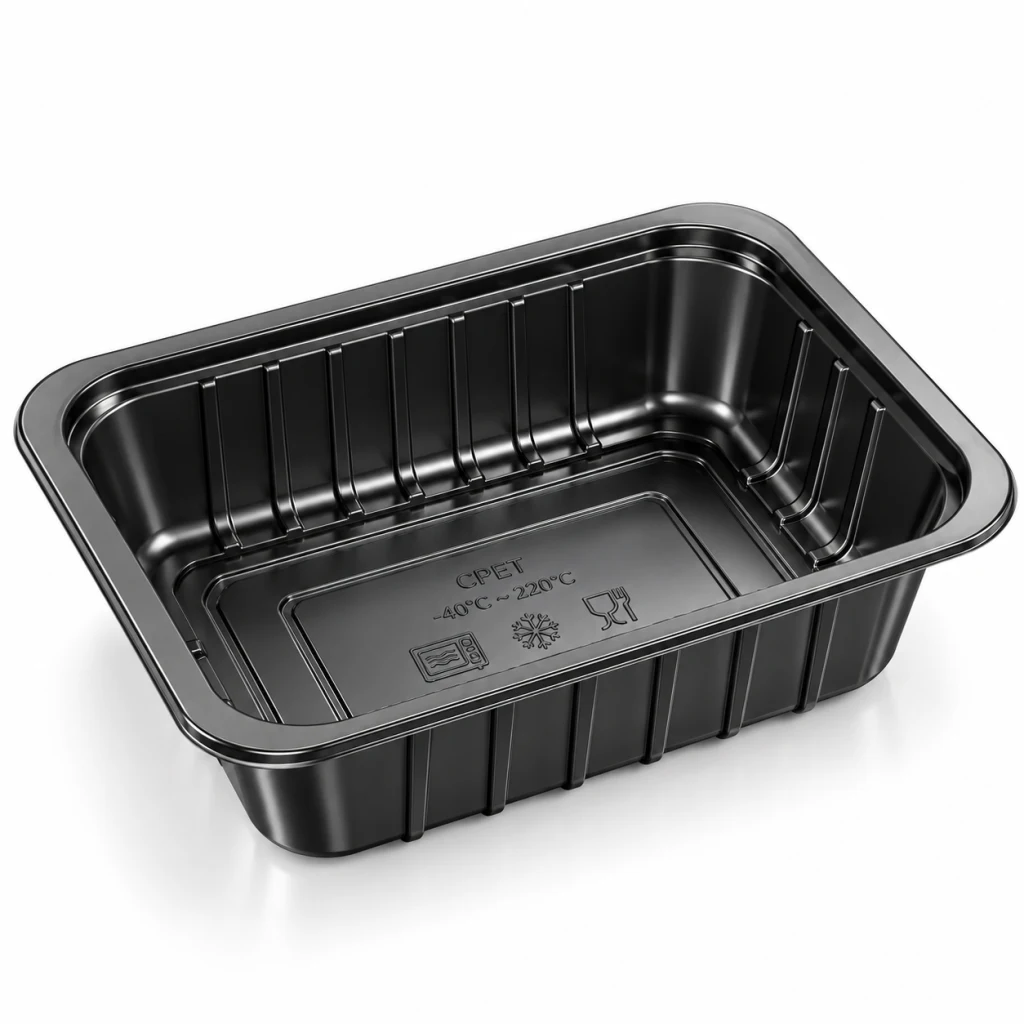
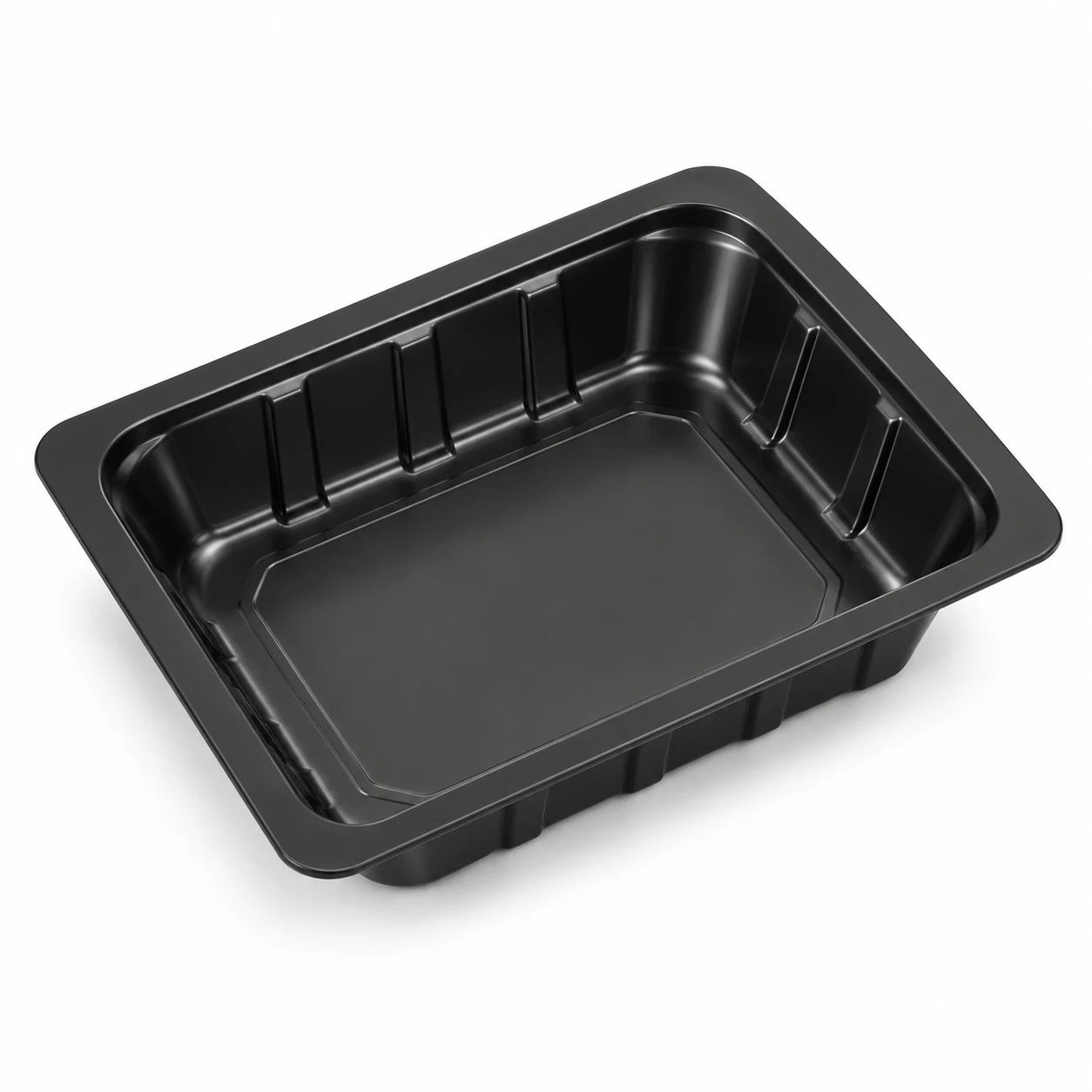
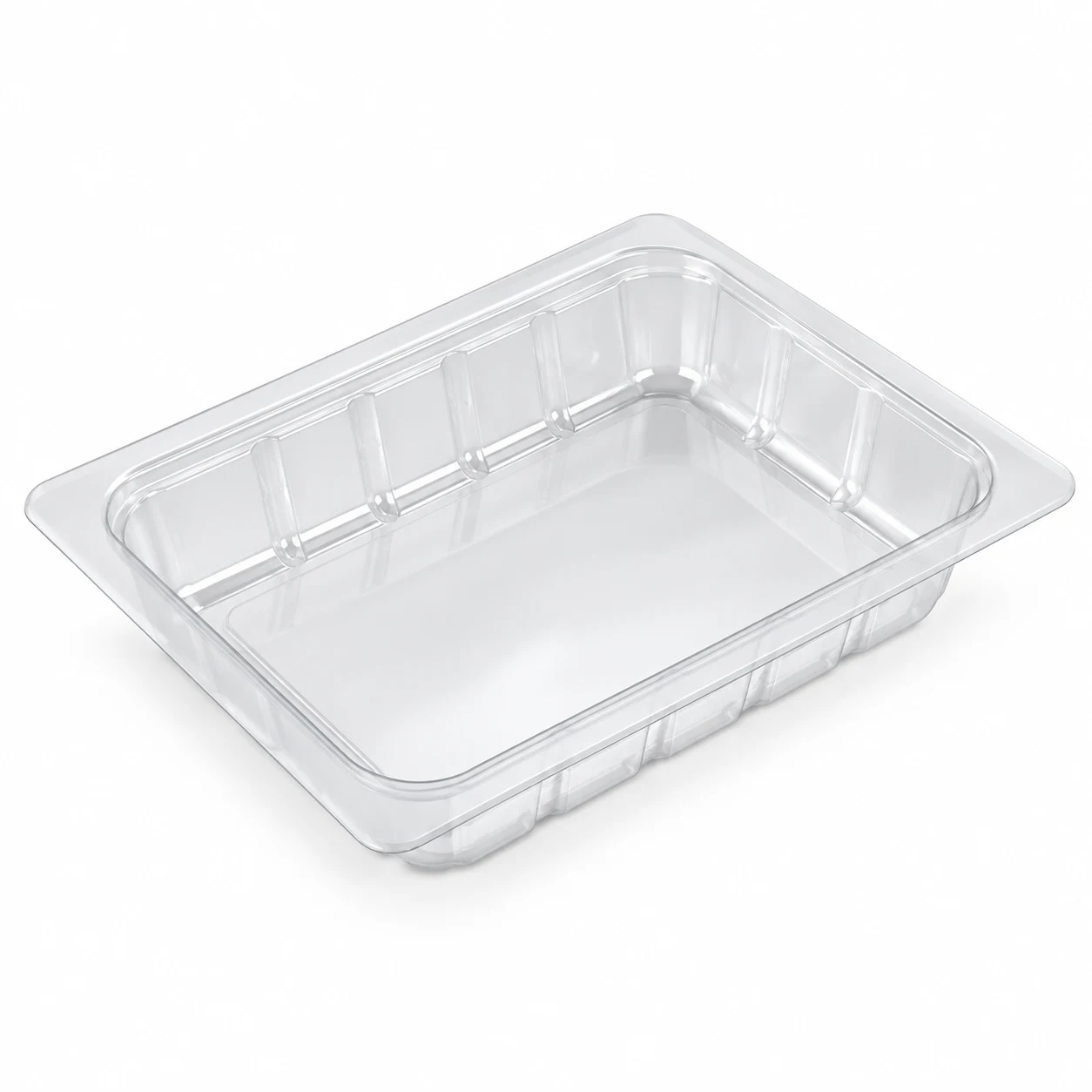
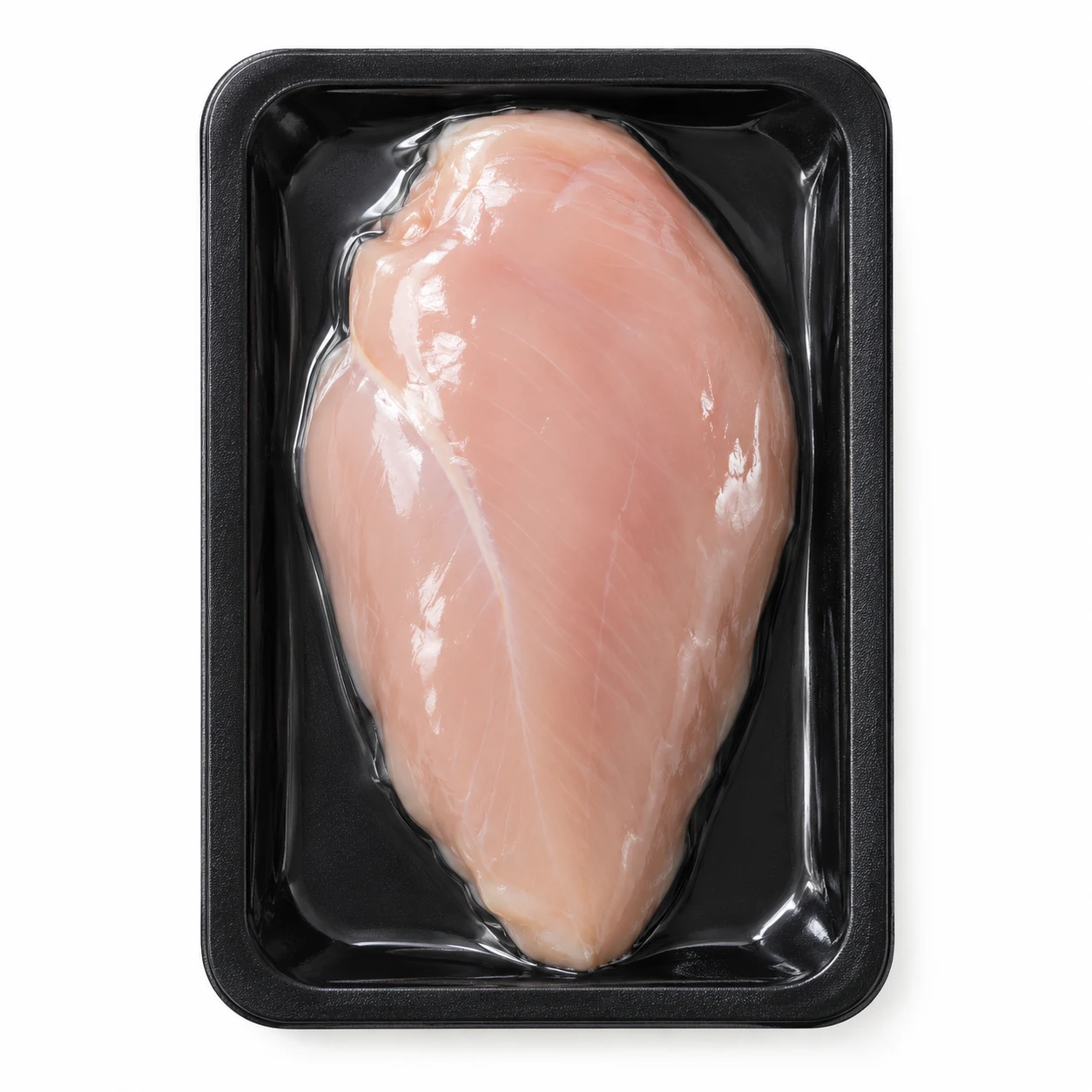
Custom skin pack tray — made to order: base material, size and printing are all specified per run.
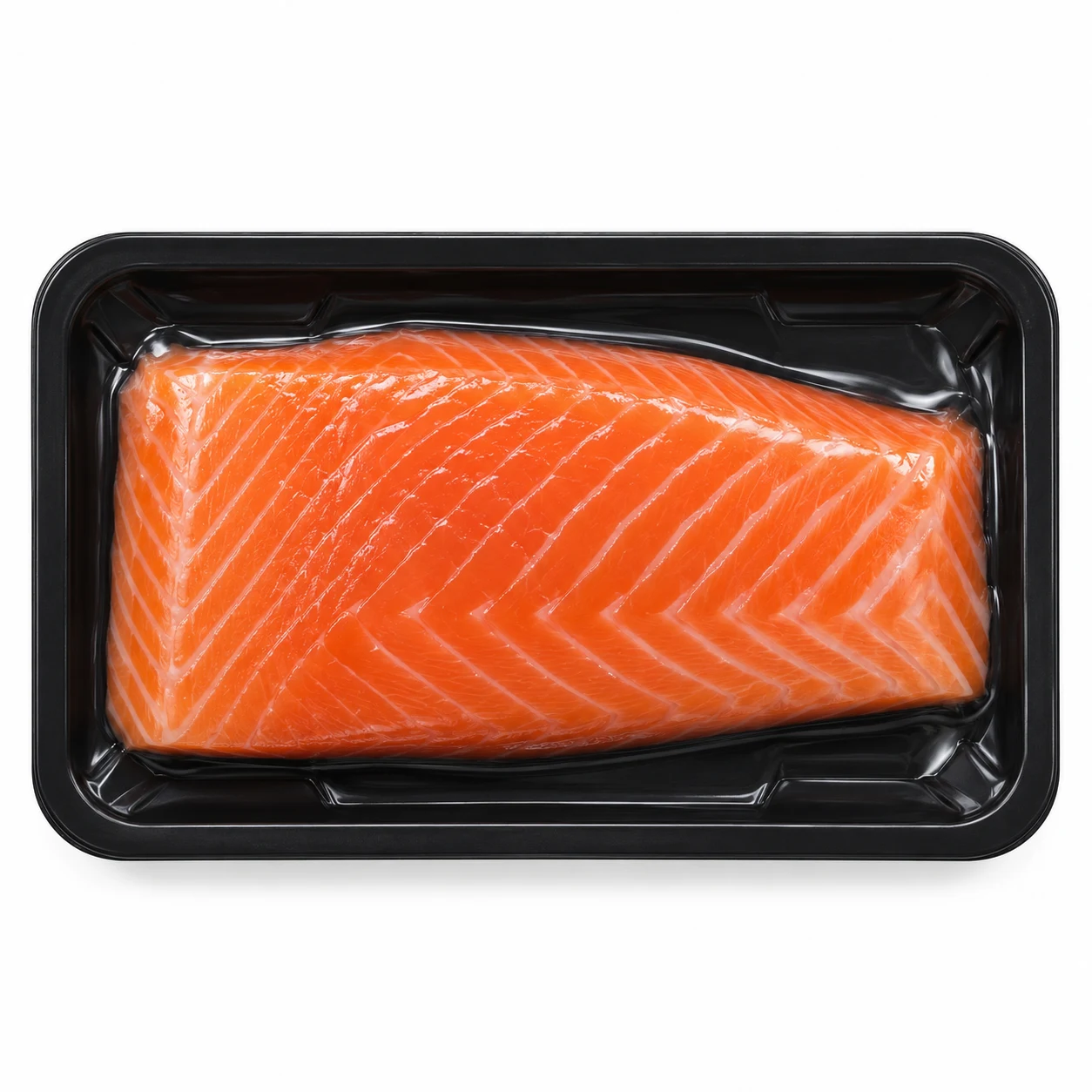
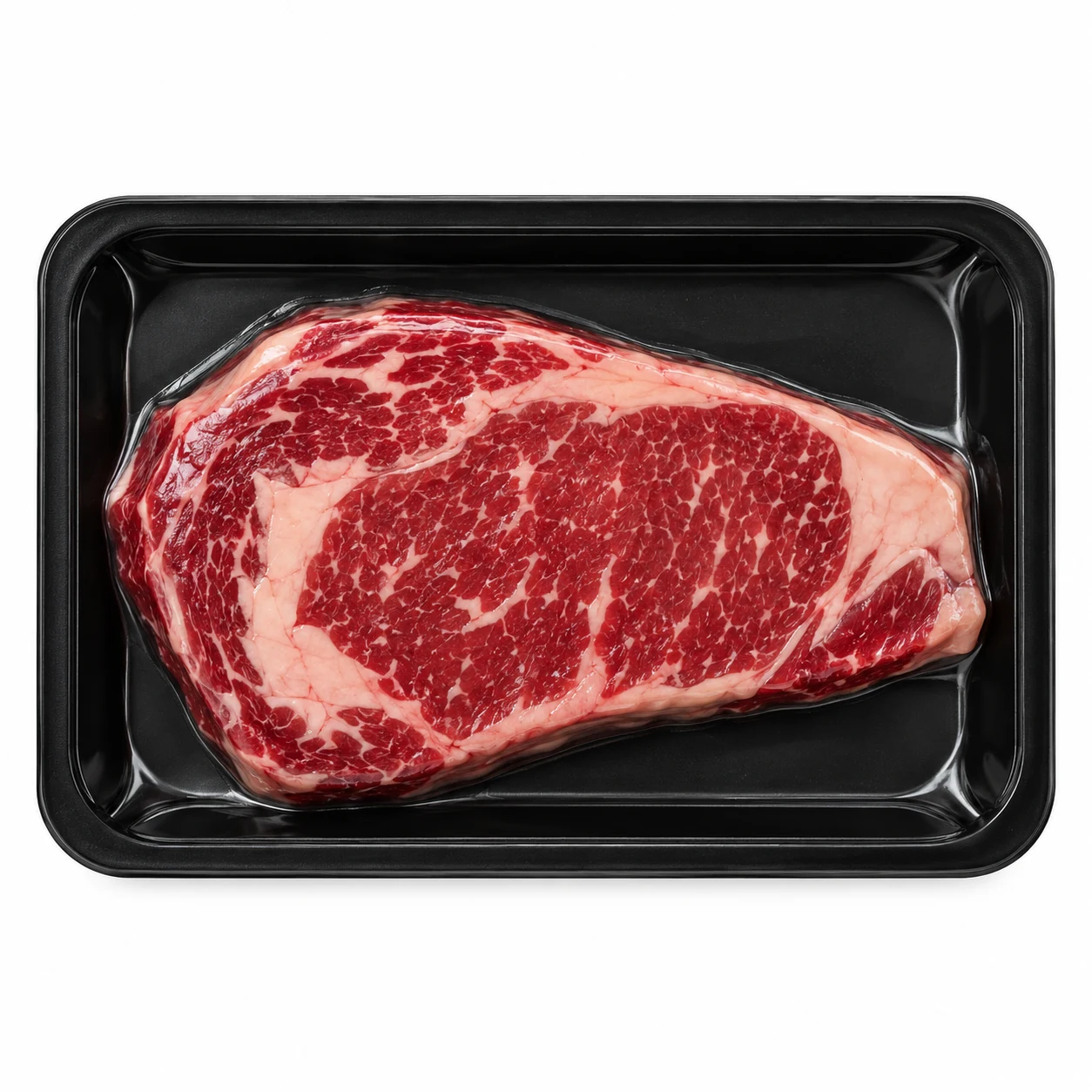
Vacuum skin packaging draws a heated film down over the product and onto the base, so the film becomes a second skin: no headspace, no gas, no movement. A steak packed this way does not slide, does not leak into the corner of the pack, and presents as if it had been moulded rather than wrapped. For premium chilled protein it is the most convincing presentation available.
What it does that MAP does not
No gas headspace means no bloating and no drip pooling under the product, and it means the pack can be displayed vertically — which is shelf space a tray lying flat does not get. Oxygen is excluded by contact rather than by flushing, so shelf life is good without a gas mix. The trade-off is that the film has to conform to the product, so very irregular or sharp items need care, and the equipment is more specialised than a tray sealer.
Bases and ordering
Board base for a recyclable, printable presentation; plastic base — APET or PP — where rigidity and a full moisture barrier matter; printed base and hang hole where the pack is sold hanging. Base material, size and printing are made to order; barrier rates 4 of 5. Typical uses are fresh meat and poultry, fish and seafood, and premium chilled products. For gas-flushed packs instead, see the MAP tray.
What moves the price
The film and the base. Skin films are engineered to draw down over an irregular shape without thinning to failure, and they cost more than ordinary lidding. A board base is cheaper than a rigid plastic one and prints better; a plastic base is more rigid and carries the moisture barrier. The equipment is the larger consideration: vacuum skin packaging needs a specific machine, so the honest comparison against MAP includes capital rather than only consumables.
Where it goes wrong
A product too sharp or too irregular for the film to conform to, which punctures during forming — worth testing with the actual product rather than a sample of something similar. The second is a board base without the right coating, which wicks moisture from the product and delaminates. The third is expecting MAP shelf life without MAP: skin packing excludes oxygen by contact and does it well, but the numbers are different and should be established rather than assumed.
Where custom skin pack tray is used
Premium chilled protein, fish and prepared ranges sold vertically — the presentation that reads as butcher-counter rather than supermarket. The meat and seafood page compares it against vacuum pouches and gas-flushed trays properly. It needs a vacuum skin packaging machine rather than a tray sealer, so if you are considering the format that is the first thing to settle — the group supplies the machinery as well as the tray.
What to send us for a quotation
A quotation for custom skin pack tray is written against a specification, so the more of this you can send, the closer the first number is to the real one: which structure, or the shelf life and the product so we can choose one — APET, PP and Paper / board are available here; the temperature the pack has to survive, from filling through to how the customer opens it (frozen to chilled for this product); the line it runs on — this one is specified for skin packing (VSP) and Vacuum packing; which options you want fitted: board base, Plastic base and Printed base; the values for base material, Size and Printing.
Send the fill weight and the quantity with it. Where you already buy something similar, a sample is worth more than a description — we measure what is actually there rather than quoting against how it was once written down.
Food-contact and export requirements are set out in FDA 21 CFR 177, the US rule for food-contact polymers; the declarations for this structure are issued with the order.