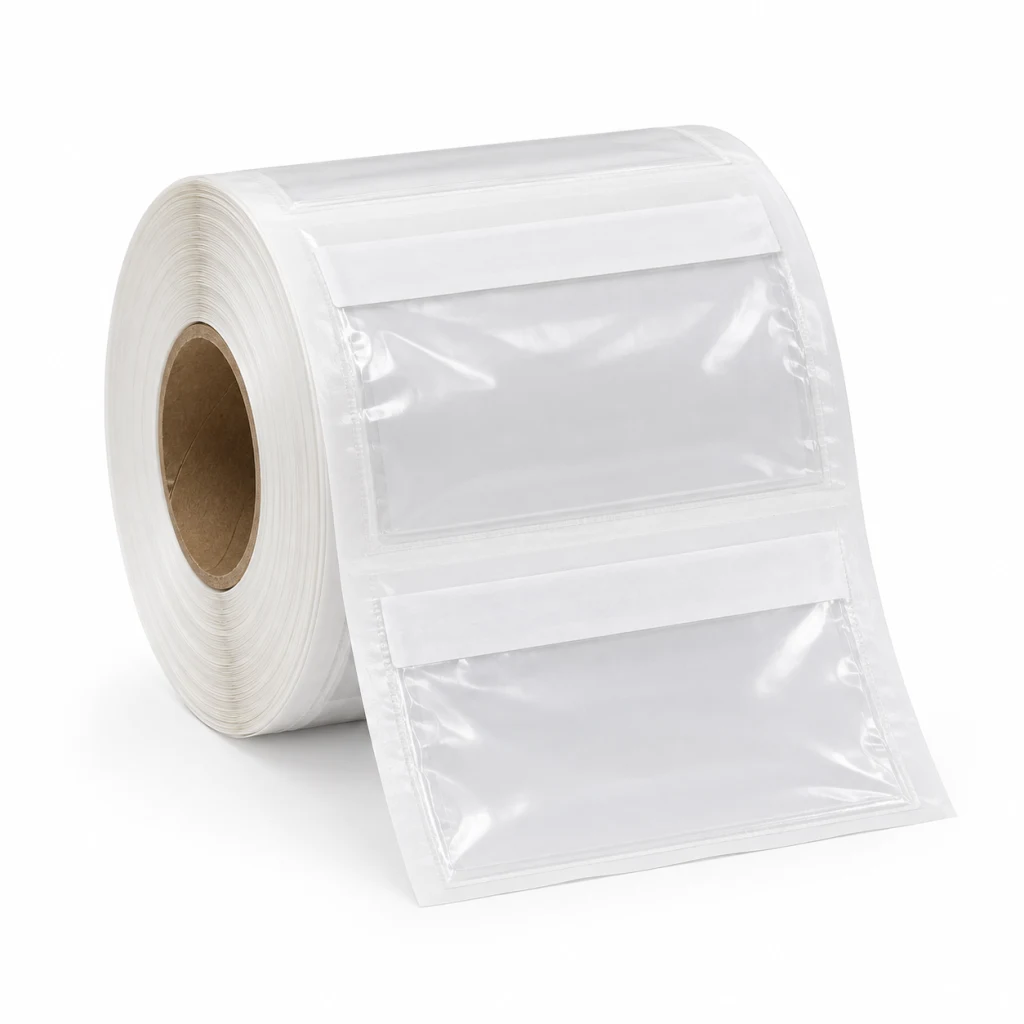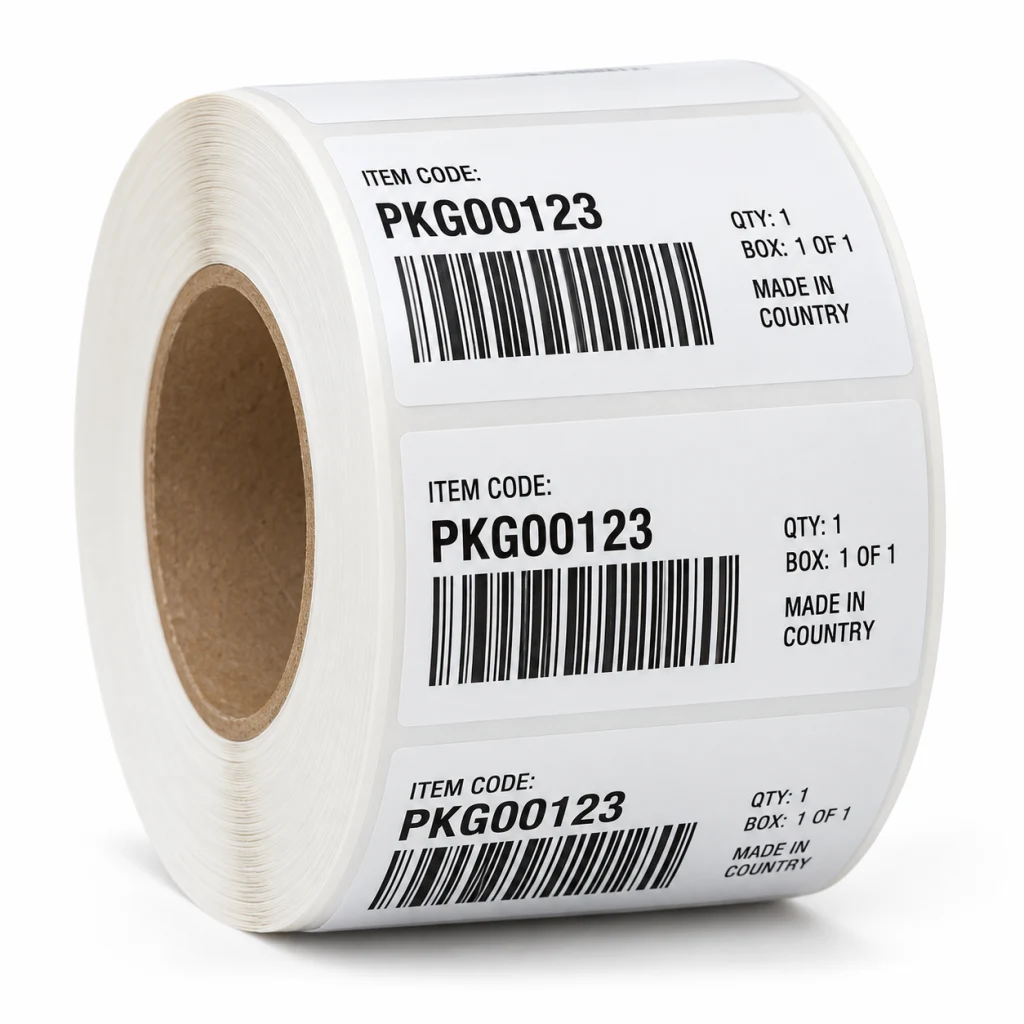
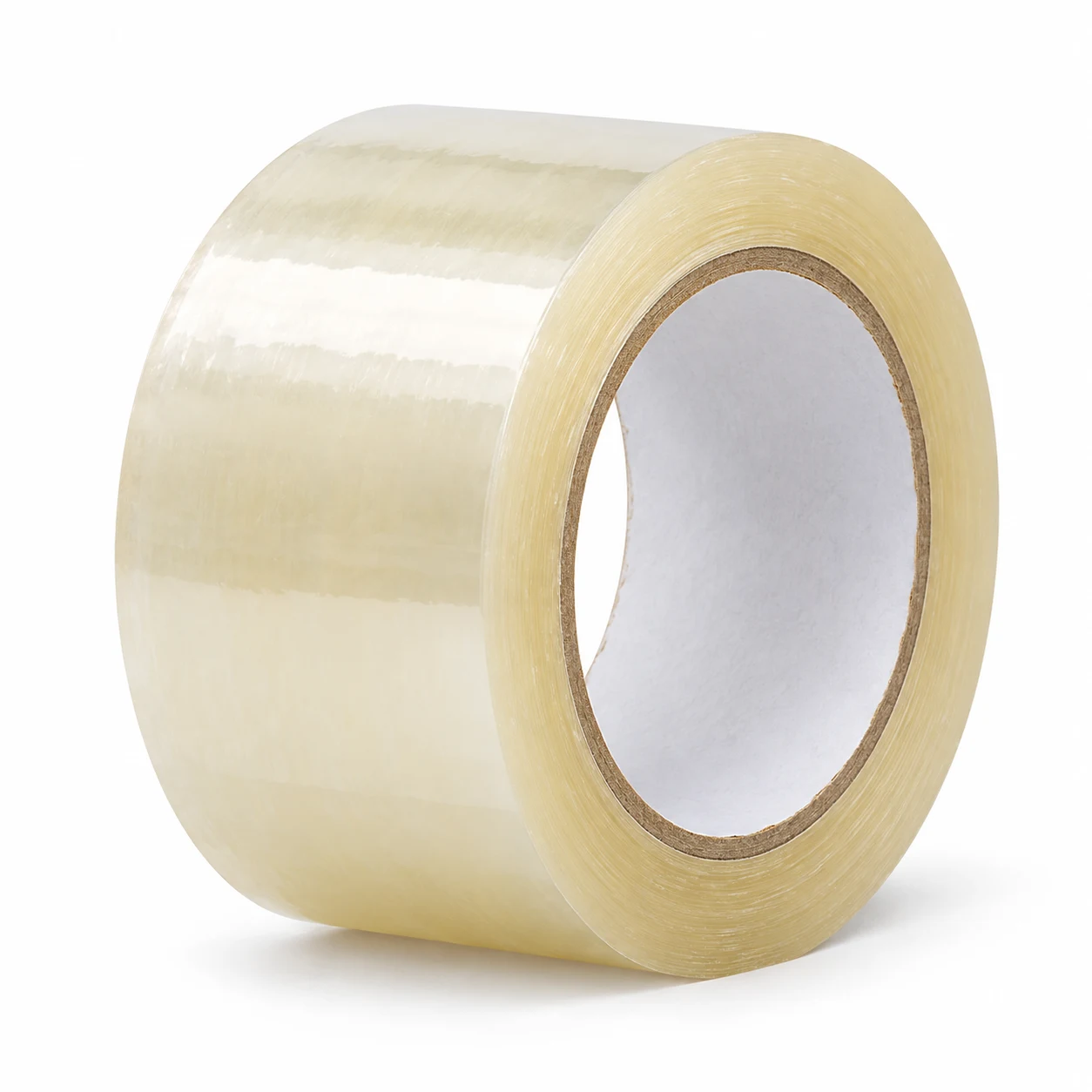
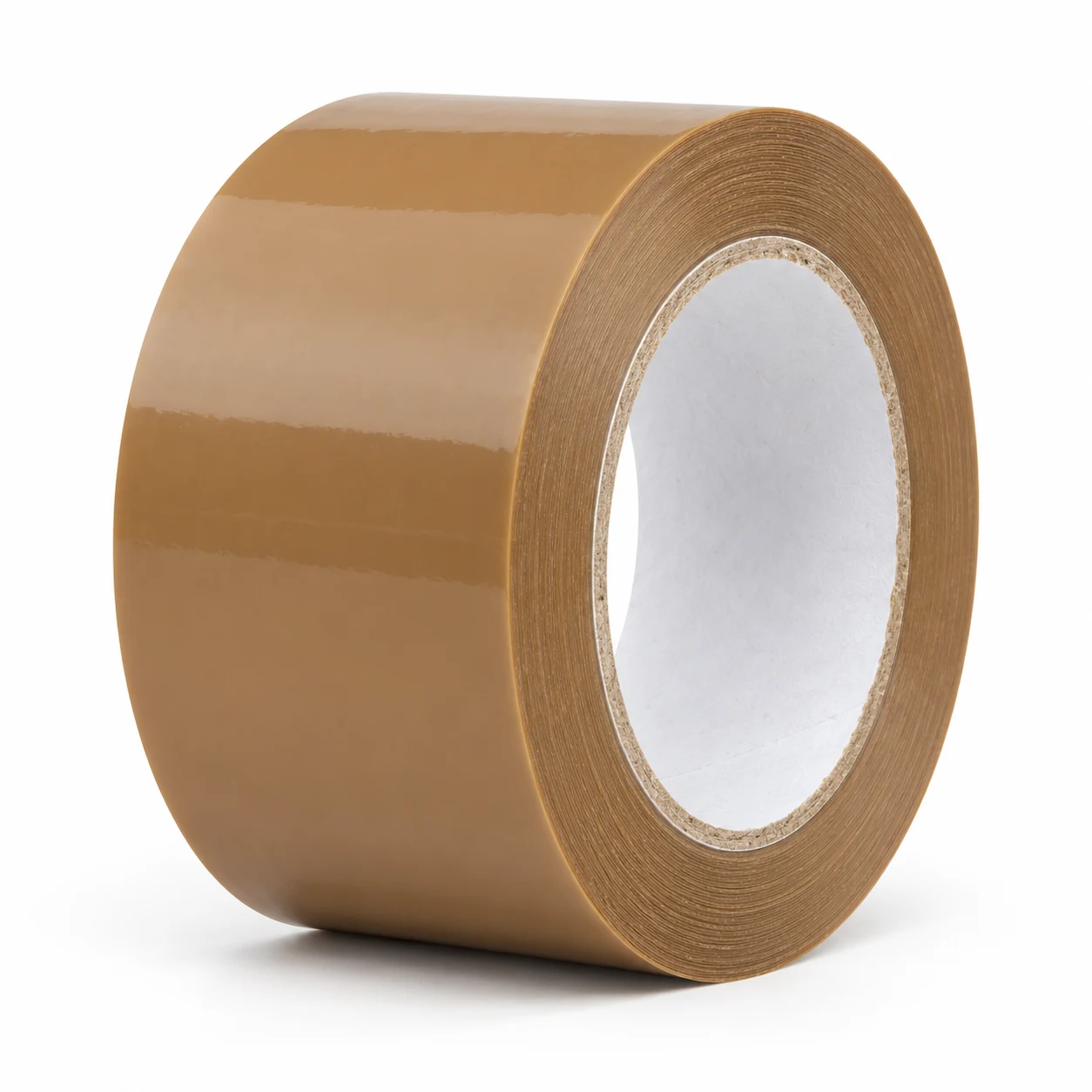
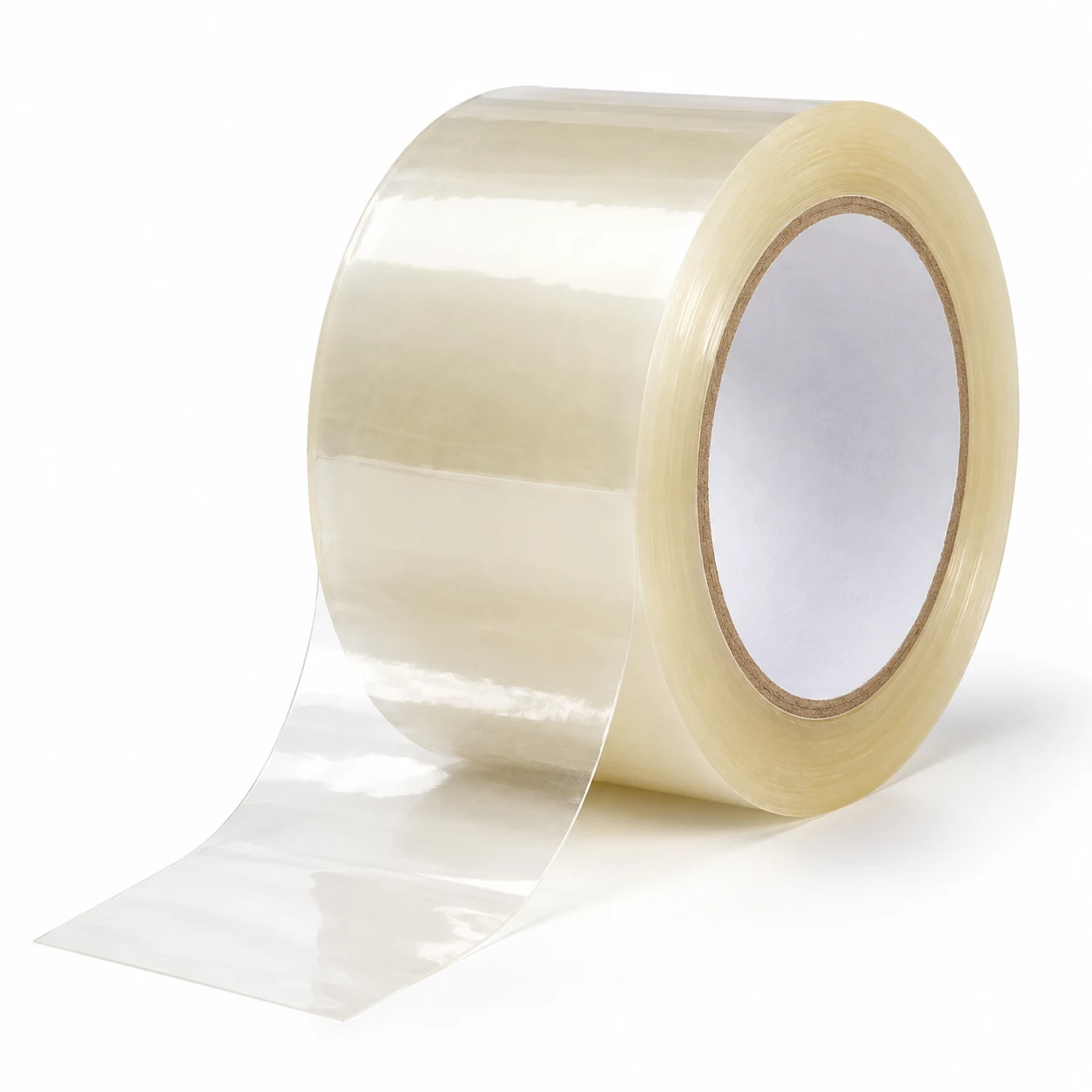


Wholesale packaging tapes — made to order: width, length, thickness and printing are all specified per run.
Most carton failures in transit start at the seal. A tape that lets go at one end of a flap does not usually make a carton burst — it makes it gape, which is enough for contents to be lost, damaged or stolen, and enough for the load above it to settle. Which is why the tape is worth choosing rather than simply reordering.
Five tapes, five jobs
BOPP tape is the standard carton seal, clear or brown, in hand rolls and machine rolls — low-noise grades unwind quietly on a bench where operators work all day. Masking tape is for temporary fixing and paint lines, and comes off cleanly. Cloth tape is strong, tears by hand and holds on rough surfaces. Double-sided tape closes a carton invisibly for retail presentation. Filament tape carries glass-fibre strands and is what bundles heavy items together.
Ordering
Width, length, thickness and printing are made to order; printed tape carries a brand or a warning along the seal and doubles as a tamper indicator, because a resealed carton never matches. Adhesion has to suit the board — recycled, high-recycled-content liners take tape far less well than virgin kraft, and a tape that works on one carton grade can lift on another. The rest of the bench is in packing consumables.
What moves the price
Adhesive system, thickness and width. Acrylic adhesive is cheapest and struggles on recycled board; hot melt costs more and holds where acrylic lifts. Thickness and width follow the carton and the dispenser. Printed tape carries a plate cost and a per-roll increment and is often worth it, because it doubles as a tamper indicator. Low-noise grades cost a little more and are a working-conditions decision rather than a technical one.
Where it goes wrong
Buying tape by price while buying cartons with high recycled content, which is how seals lift in a warehouse two weeks later. The second is a width too narrow for the flap, which puts the whole load on a strip of adhesive. The third is machine rolls bought for hand use or the reverse — the core, the length and the unwind are different.
Where wholesale packaging tapes is used
Every packing bench, on every carton that leaves. The tape is where a carton usually fails first, which is why the grade is worth choosing rather than reordering — recycled board especially takes standard adhesive badly. The rest of the bench is in packing consumables, and what goes round the pallet afterwards in stretch film and strapping and buckles.
What to send us for a quotation
A quotation for wholesale packaging tapes is written against a specification, so the more of this you can send, the closer the first number is to the real one: which structure, or the shelf life and the product so we can choose one — BOPP tape, Masking tape and Cloth tape are available here; the temperature the pack has to survive, from filling through to how the customer opens it (ambient for this product); the line it runs on — this one is specified for strapping and wrapping; which options you want fitted: clear, Brown and Printed; the values for width, Length, Thickness and Printing.
Send the fill weight and the quantity with it. Where you already buy something similar, a sample is worth more than a description — we measure what is actually there rather than quoting against how it was once written down.
Food-contact and export requirements are set out in ISPM 15, the international standard for wood packaging crossing a border; the declarations for this structure are issued with the order.