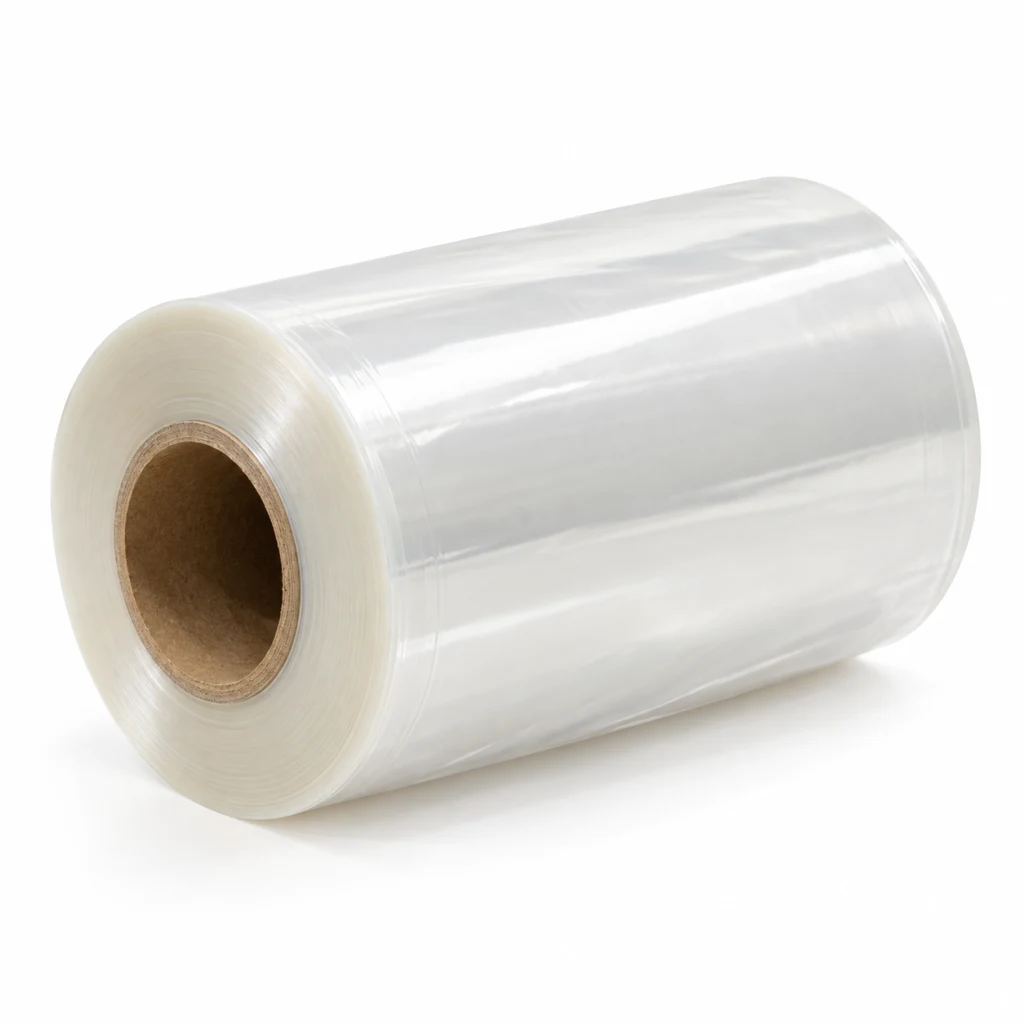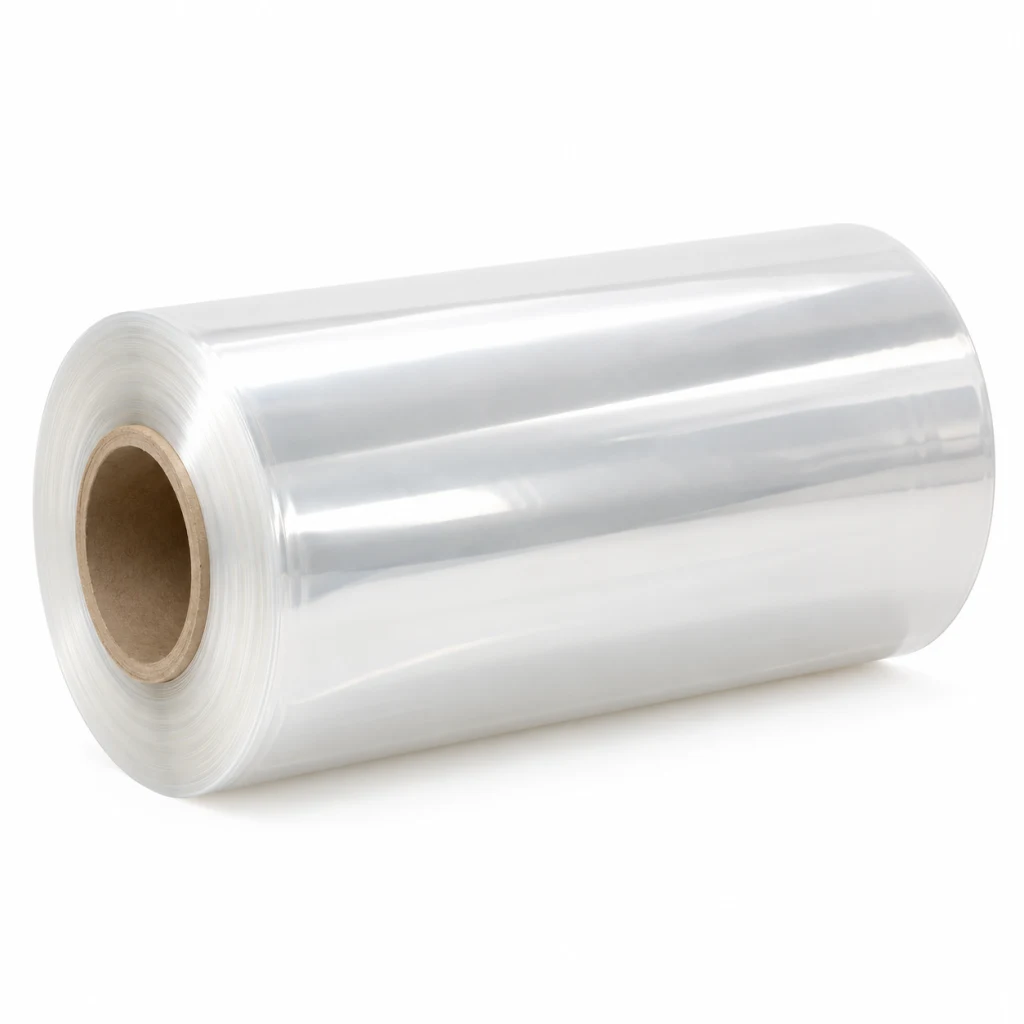
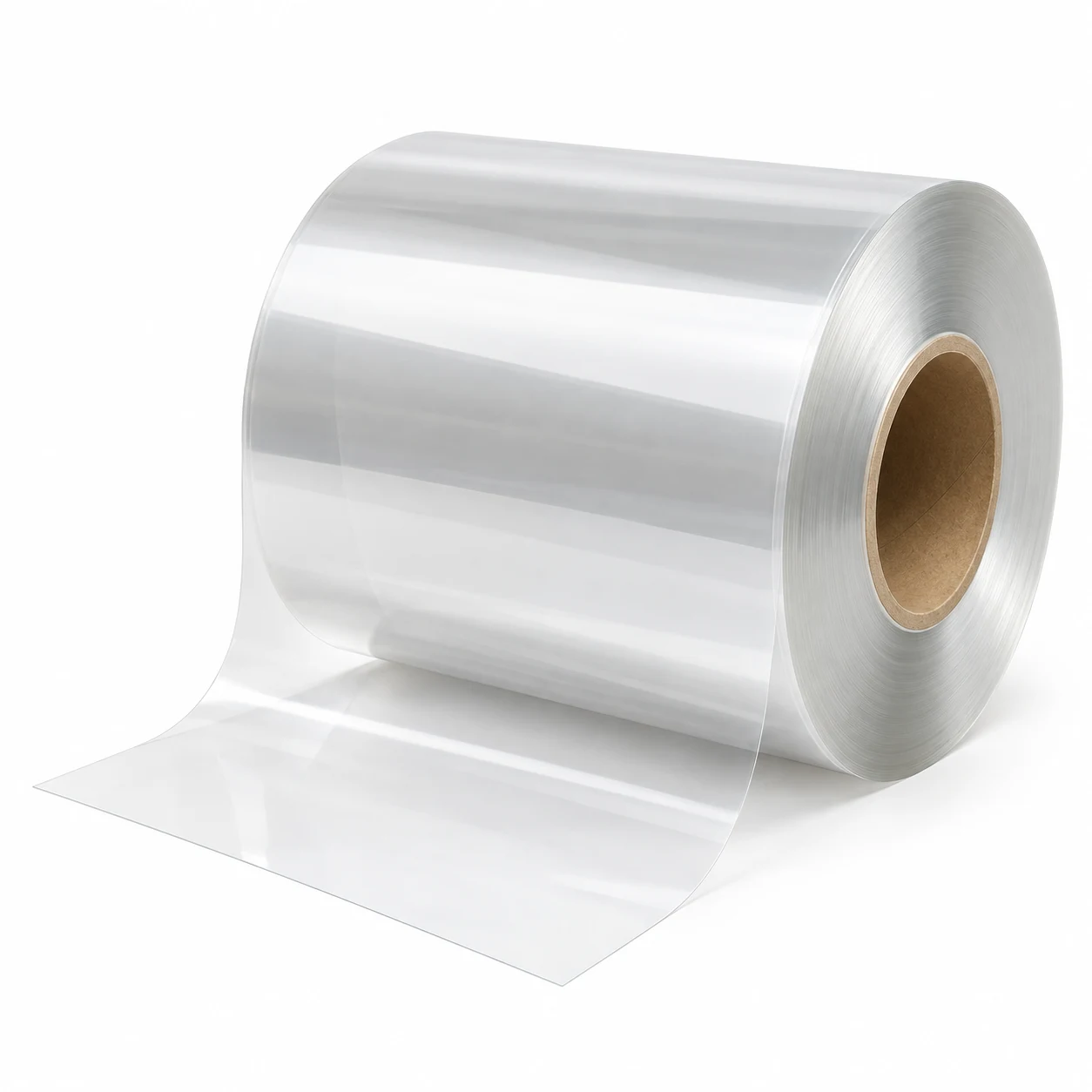
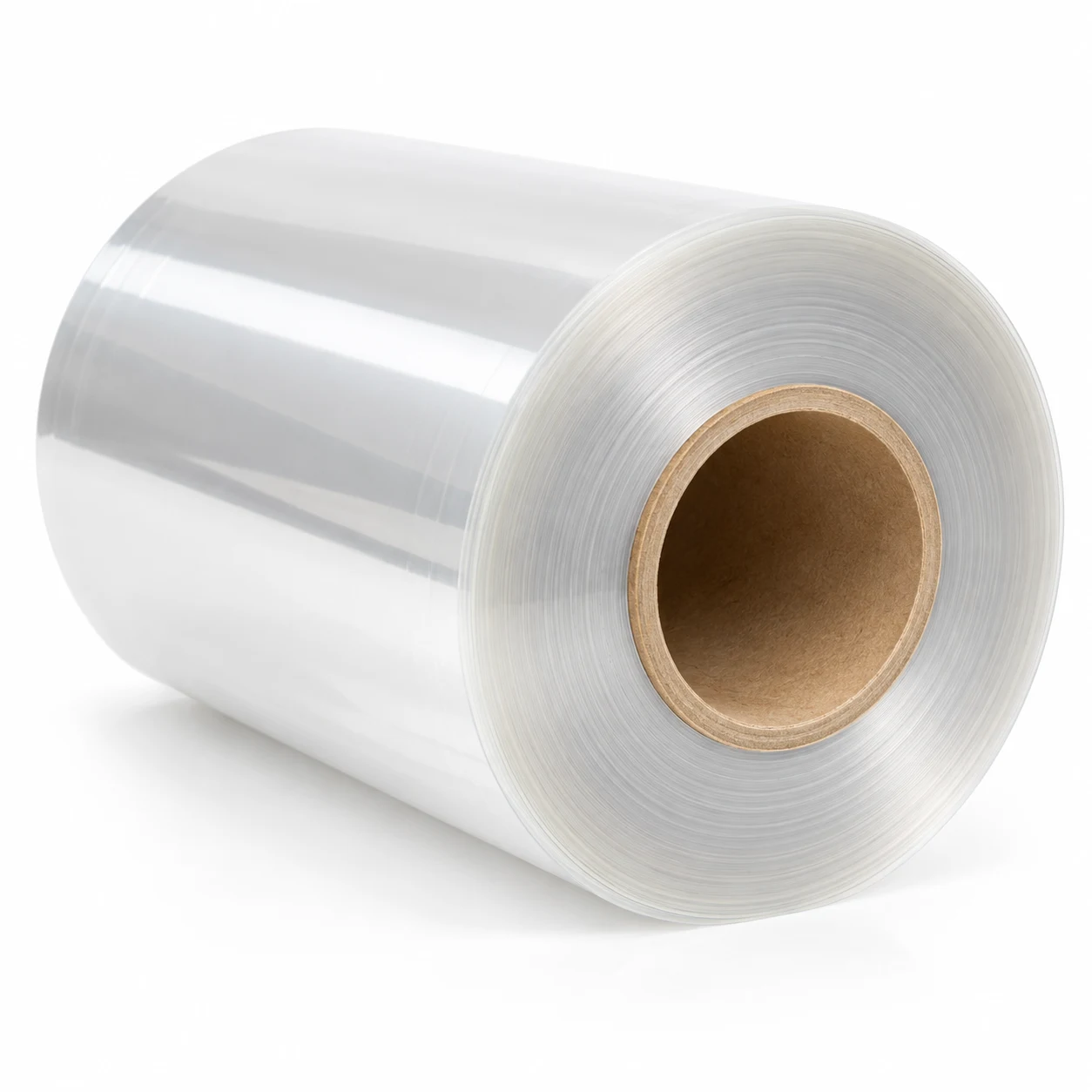
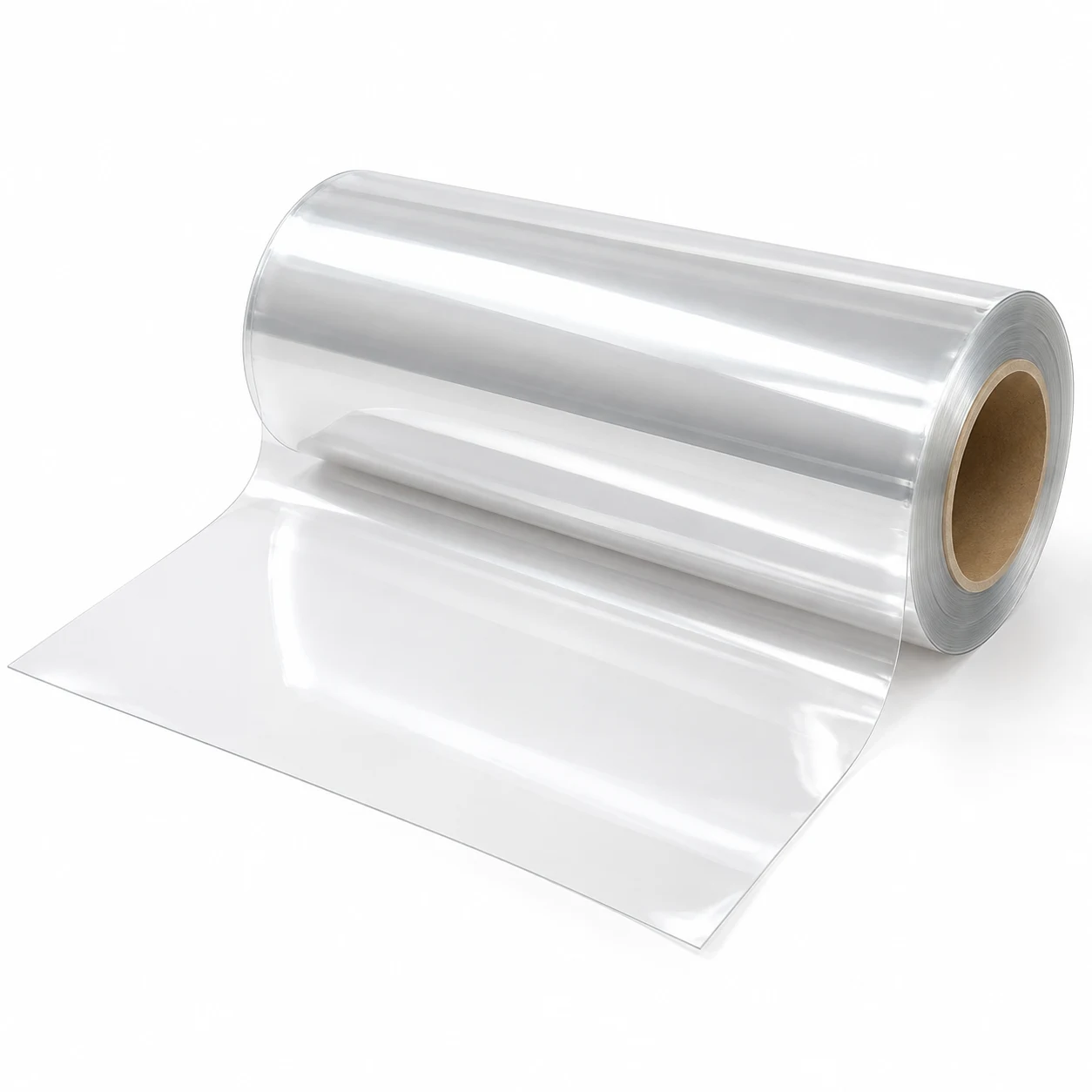
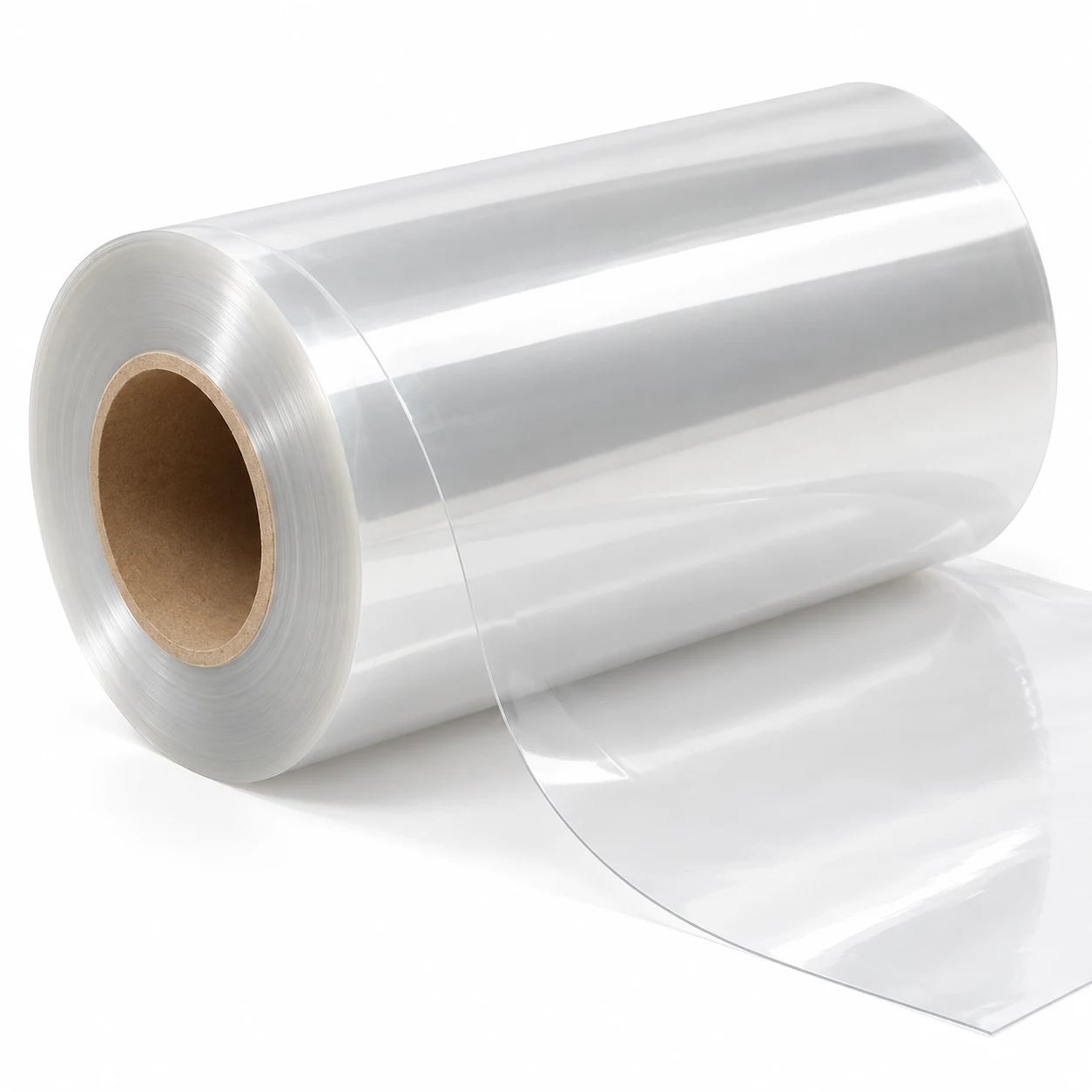
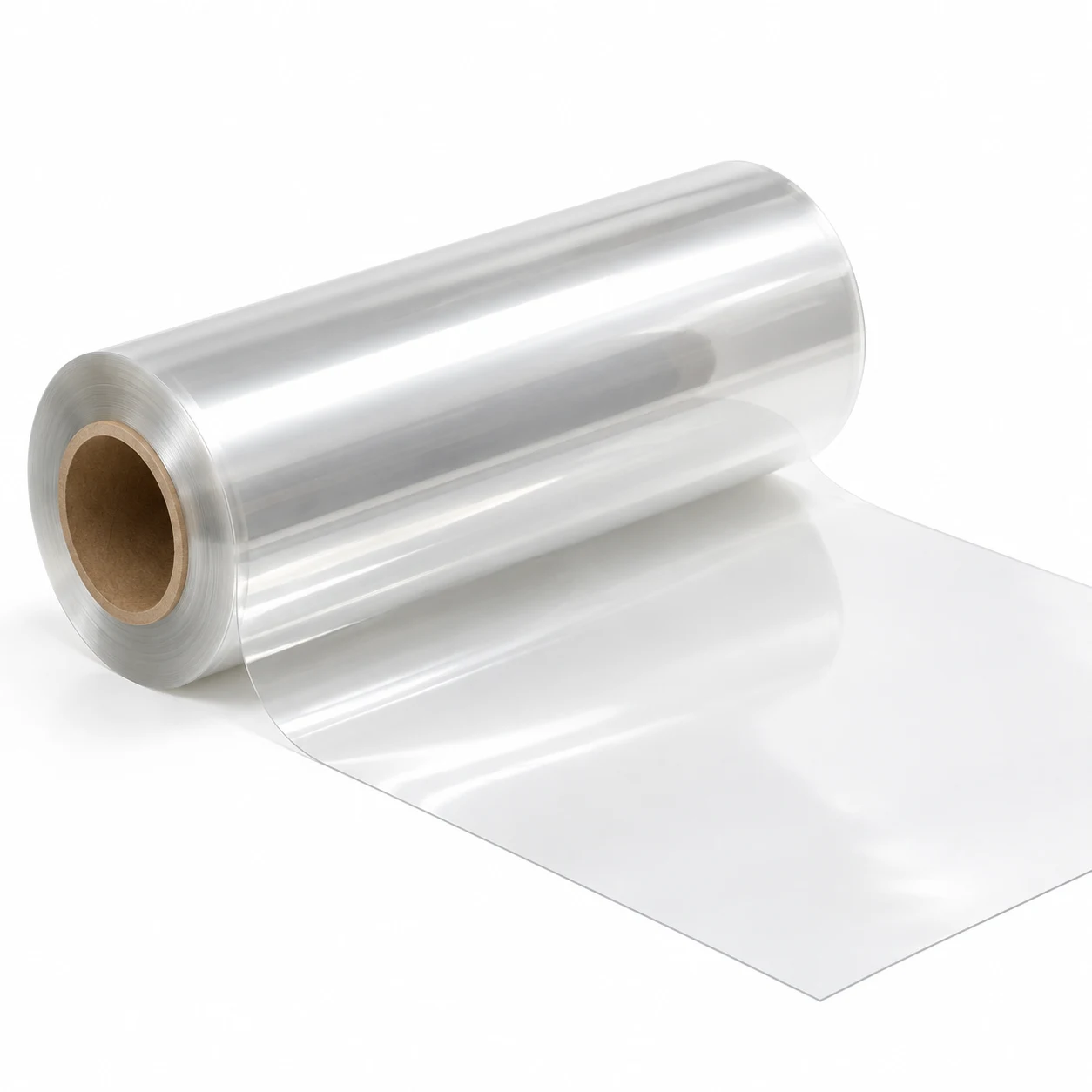
Custom pet film — made to order: width, thickness and surface treatment are all specified per run.
PET is the layer that holds a laminate together. It is dimensionally stable, which means it does not stretch or wander through printing and lamination, so registration holds across a ten-colour job and the pack that comes off the line looks like the artwork that went into it. It is also strong in tension and tolerant of high processing temperatures, which is why nearly every laminate we make starts with a PET outer ply.
What PET does and does not do
Oxygen barrier is good at 4 of 5; moisture barrier is middling at 3 of 5; heat seal is 1 of 5, which is to say none. PET film does not seal to itself and is not meant to — that is the inner ply’s job, usually PE or CPP. Treat PET as the structure and the print surface, and pair it with a sealant chosen for the fill temperature.
Grades and ordering
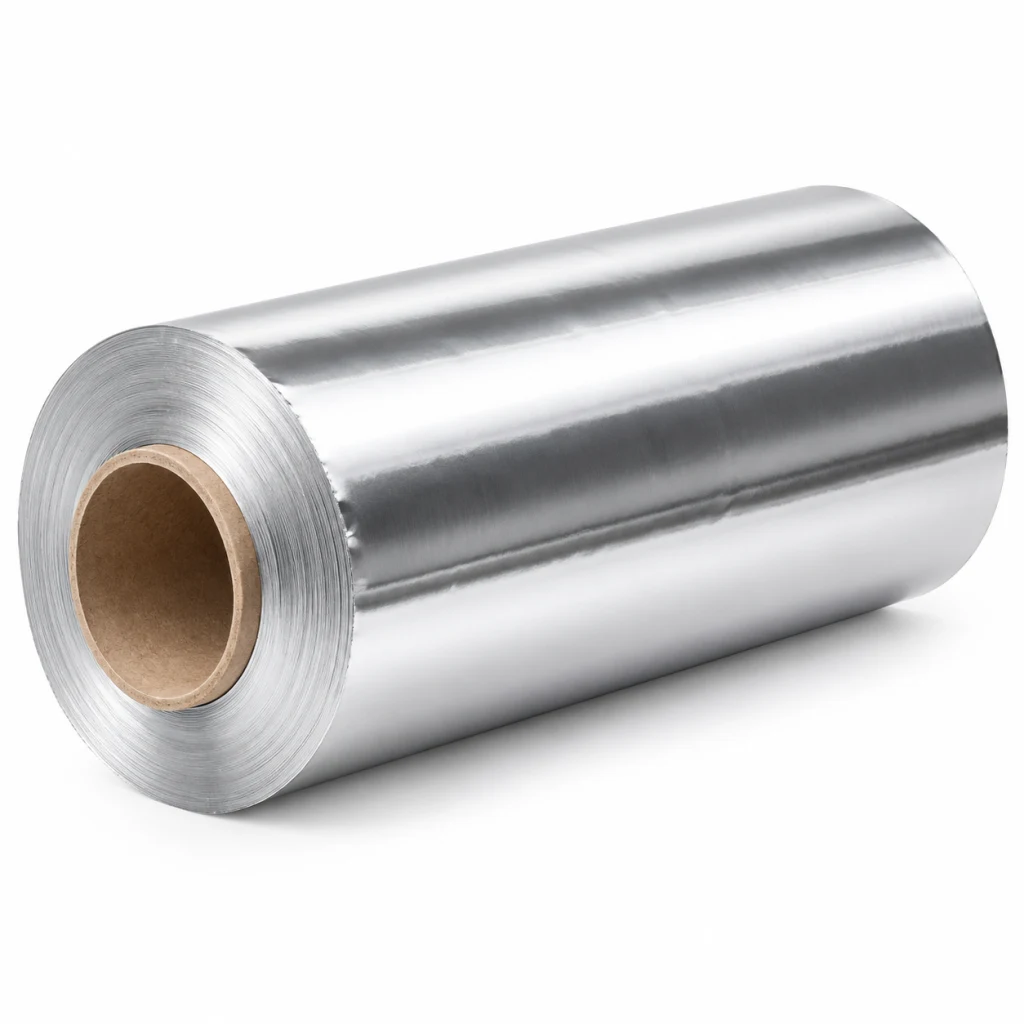
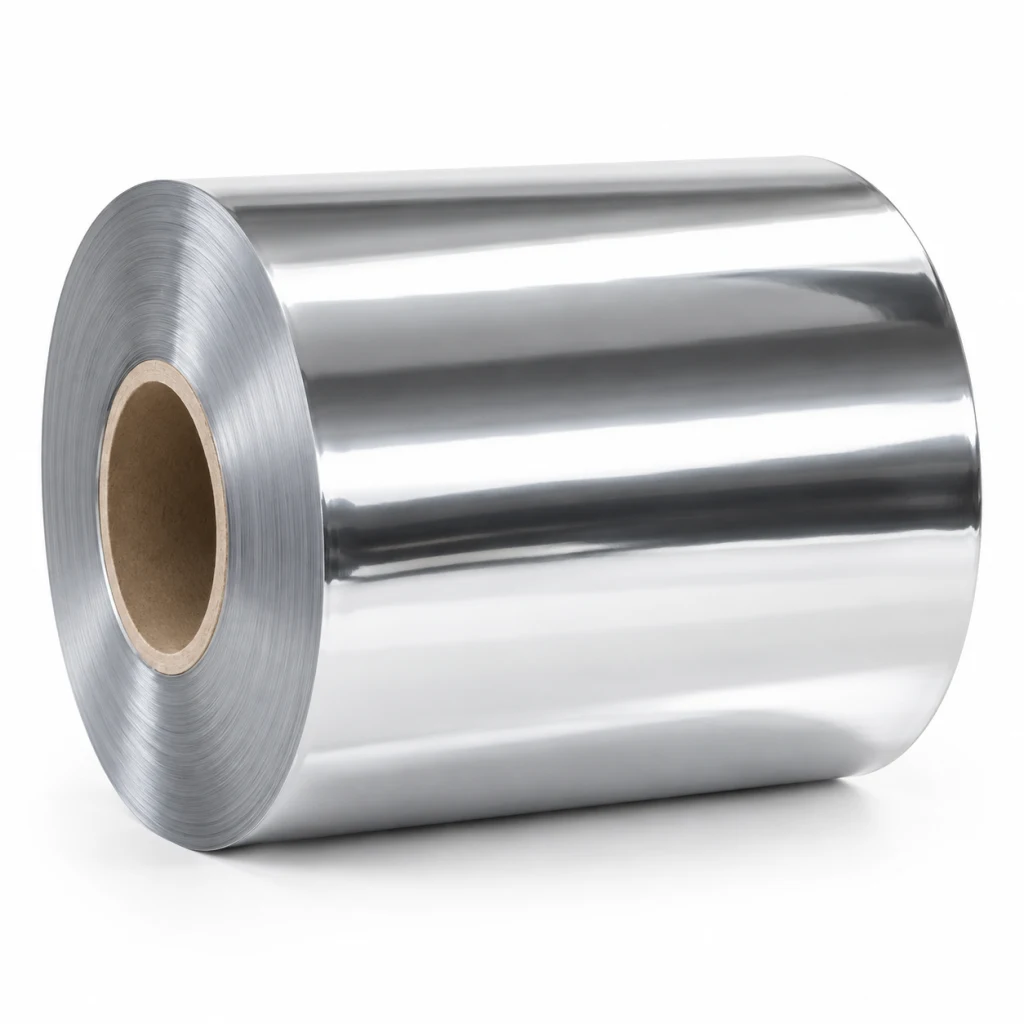
Available plain, corona treated for ink and adhesive anchorage, matt for a soft finish, or metallised — see metallized PET film for what the aluminium deposit adds. Width, thickness and surface treatment are made to order; tell us the web width your press and laminator run and we will slit to it. Food-grade grades to FDA and GB are available. How to choose flexible packaging materials works through the whole stack.
What moves the price
Thickness first — PET is sold by weight and a 12-micron film and a 23-micron one are different money for the same area. Then surface treatment: corona-treated film costs more than plain and has a shelf life, so it is made to your schedule rather than drawn from stock, and that scheduling has a cost of its own. Metallised and matt grades are separate products with their own pricing.
Web width matters because slitting produces offcuts, and a width that divides cleanly into the master roll wastes less than one that leaves a strip. Quantity behaves as it does across films: the master roll is the unit the mill works in, and orders that fill one price better than orders that half-fill two.
Where it goes wrong
Ordering untreated film for a job that needs treatment, or treated film months before it is used. Corona treatment decays, and a reel that sat in a warehouse over a summer will shed ink and adhesive exactly as untreated film does — the fault appears at lamination and looks like an adhesive problem. The second is specifying PET as though it were a pack. It does not seal, it is a middling moisture barrier, and a structure that leans on it for either will disappoint. The third is a web width chosen from the finished pack rather than from the press, which produces film nobody can run.
Where custom pet film is used
As the outer ply of almost every laminate in this catalogue, and as label facestock where dimensional stability matters. If you are buying film rather than finished pouches, the specification has to suit your machine as well as your product — choosing film for a VFFS machine lists the six numbers that decide whether a reel runs. For what the PET in a structure string is doing next to the other letters, see how to read a film structure, and materials and structures for the full range.
What to send us for a quotation
A quotation for custom pet film is written against a specification, so the more of this you can send, the closer the first number is to the real one: which structure, or the shelf life and the product so we can choose one — PET are available here; the temperature the pack has to survive, from filling through to how the customer opens it (ambient to high temperature for this product); the line it runs on — this one is specified for printed outer layer and Structural ply of a laminate; which options you want fitted: plain, Corona treated and Metallised; the values for width, Thickness and Surface treatment.
Send the fill weight and the quantity with it. Where you already buy something similar, a sample is worth more than a description — we measure what is actually there rather than quoting against how it was once written down.
Food-contact and export requirements are set out in FDA 21 CFR 177, the US rule for food-contact polymers; the declarations for this structure are issued with the order.