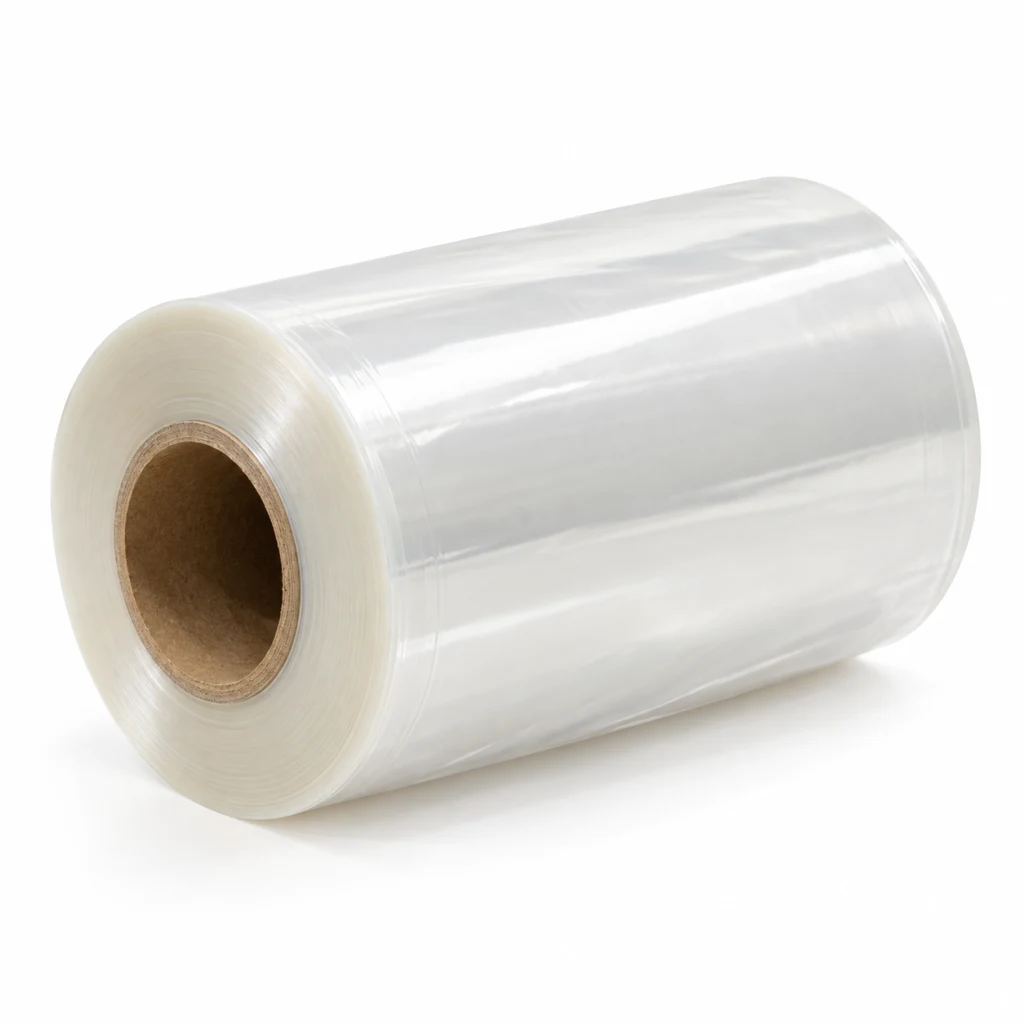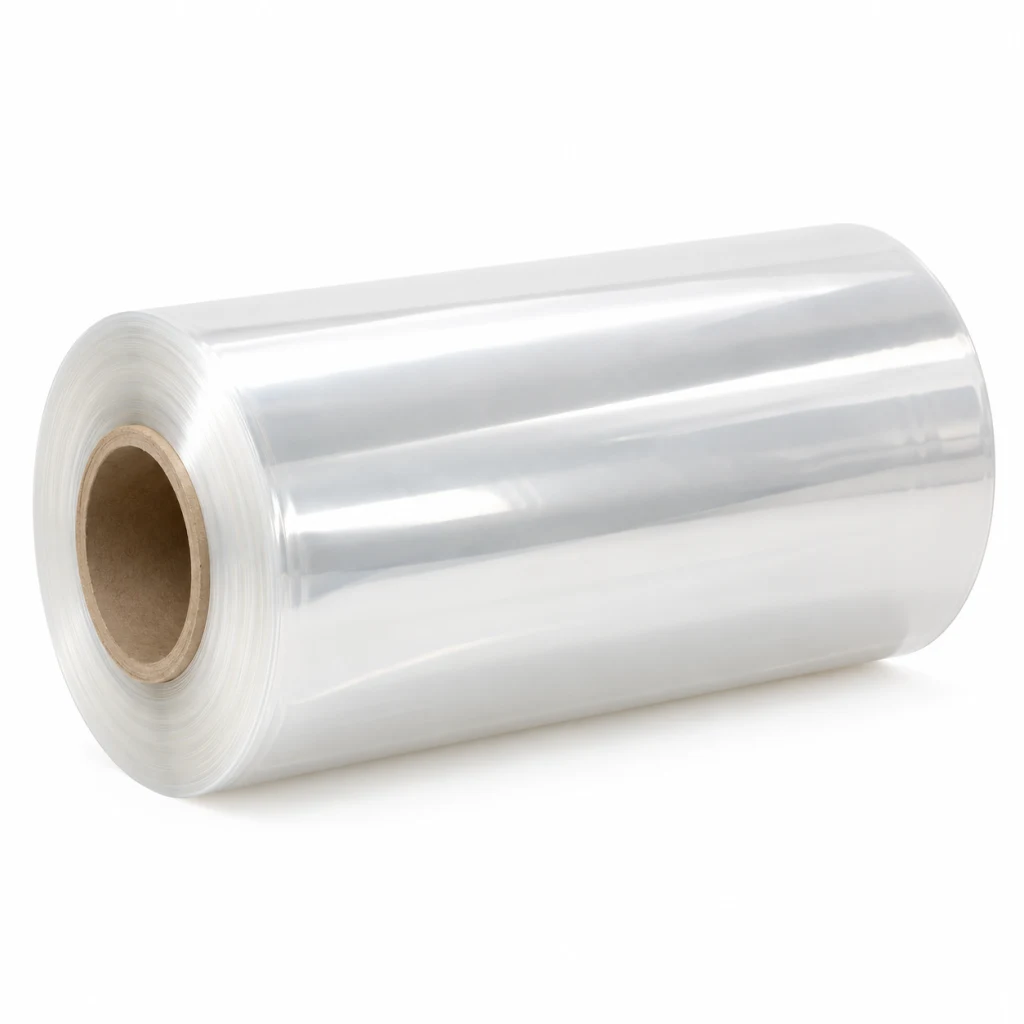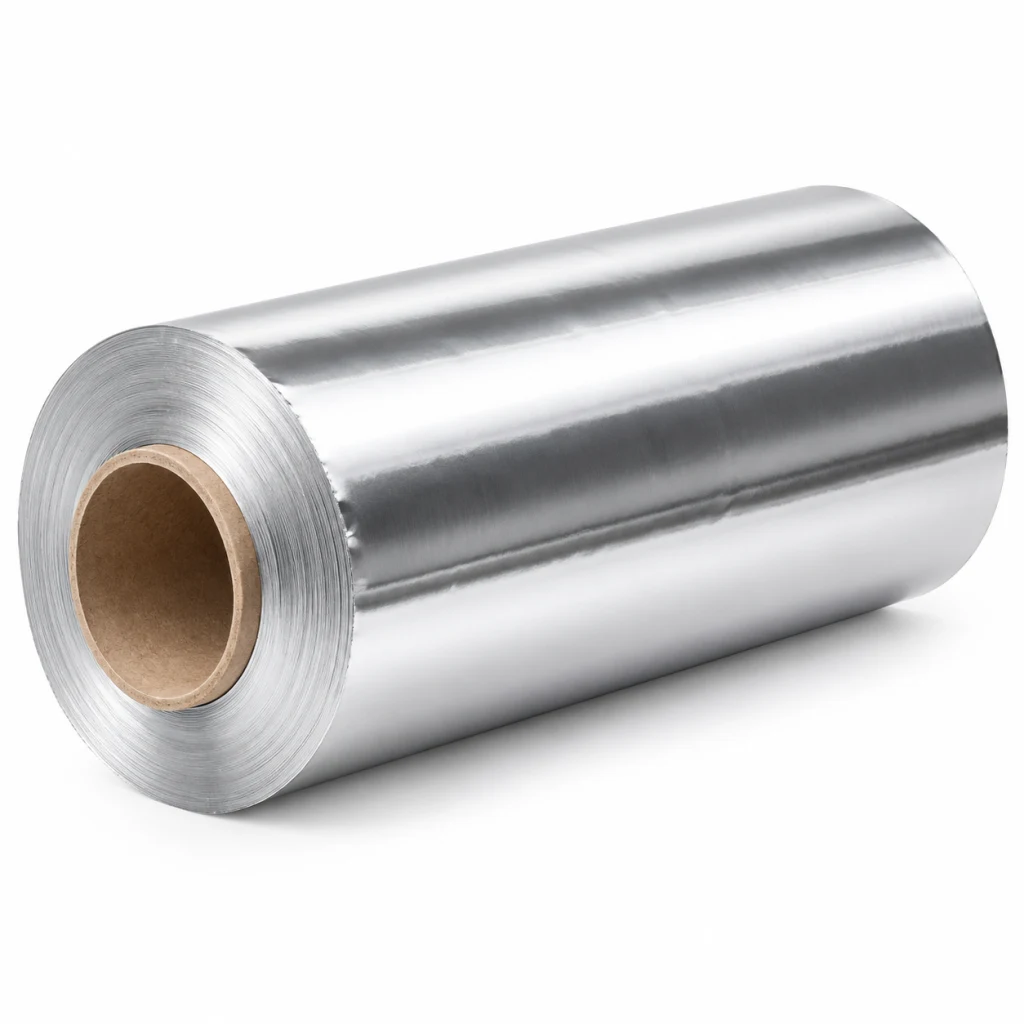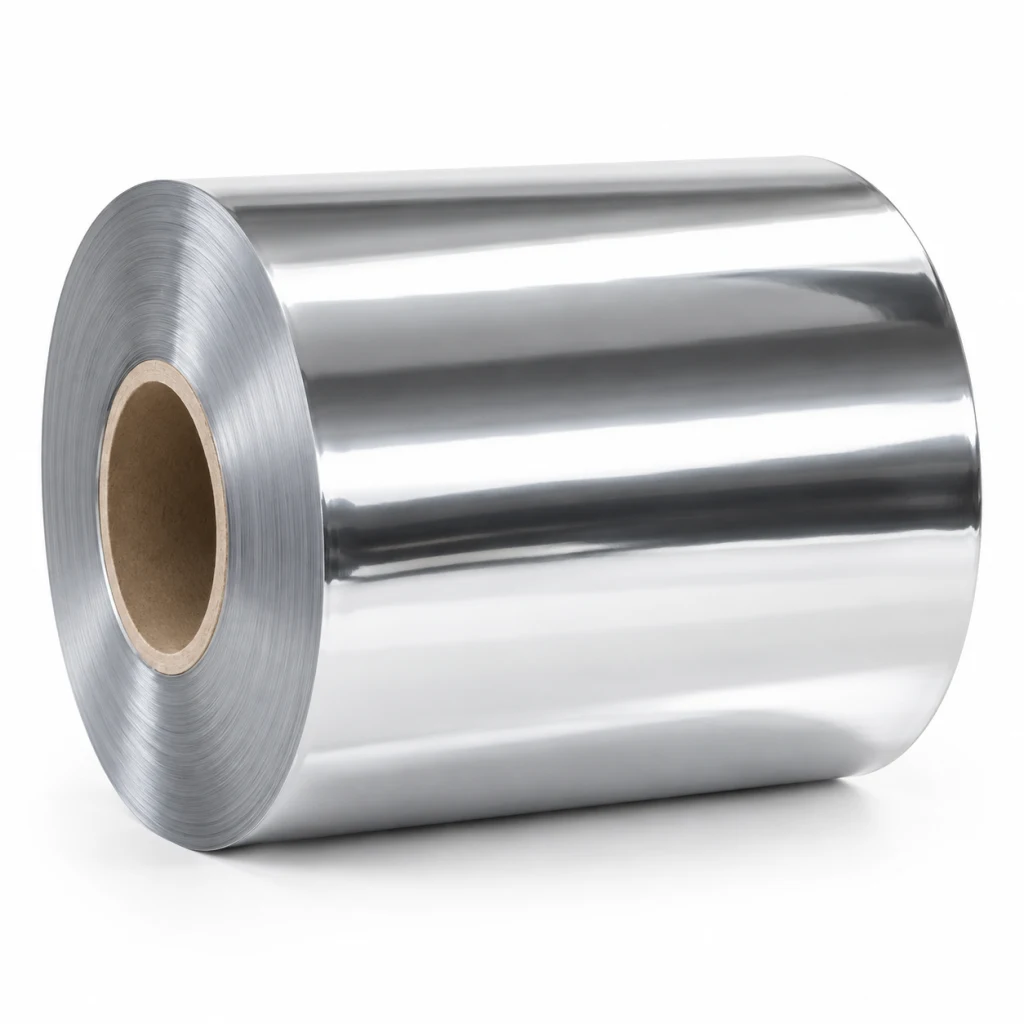
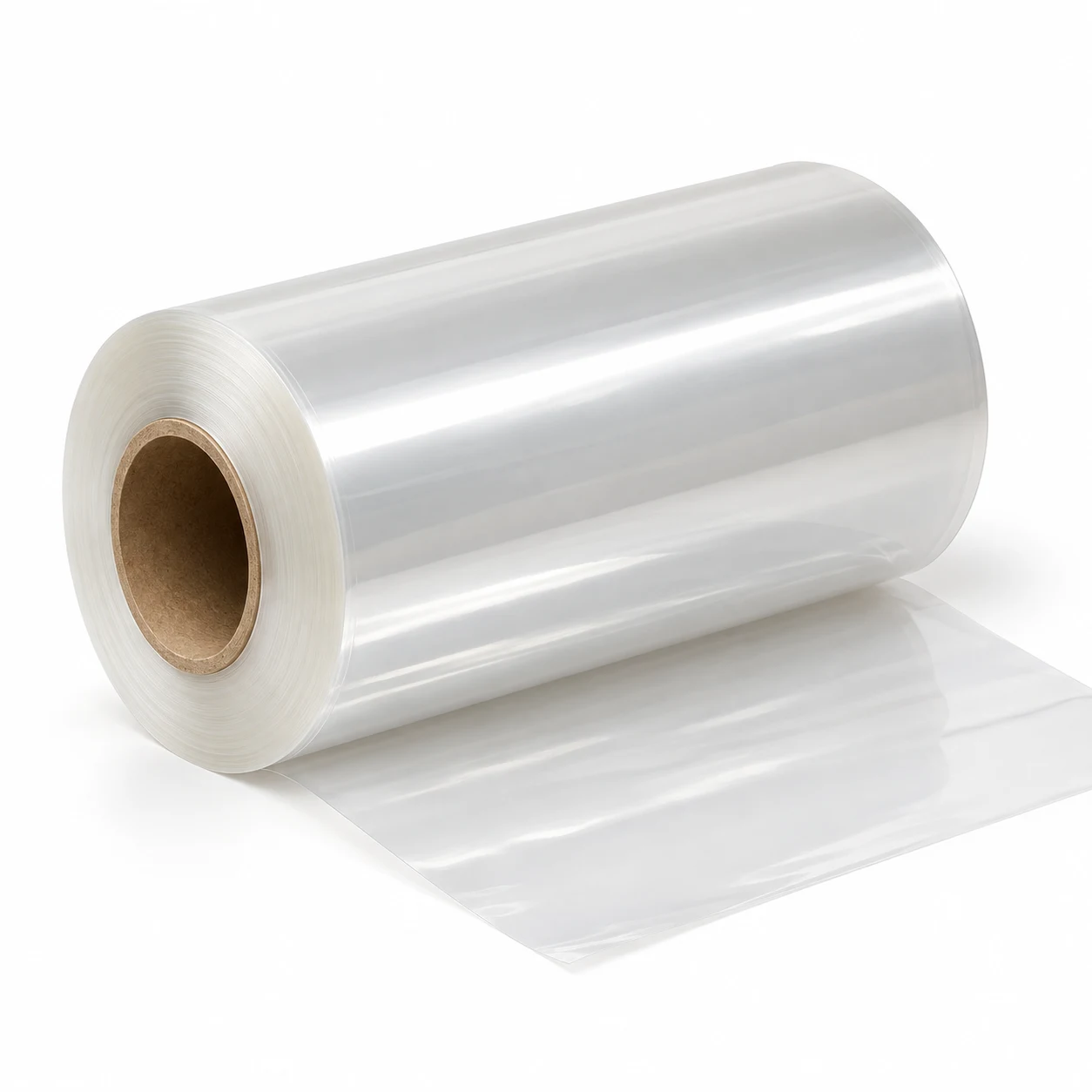
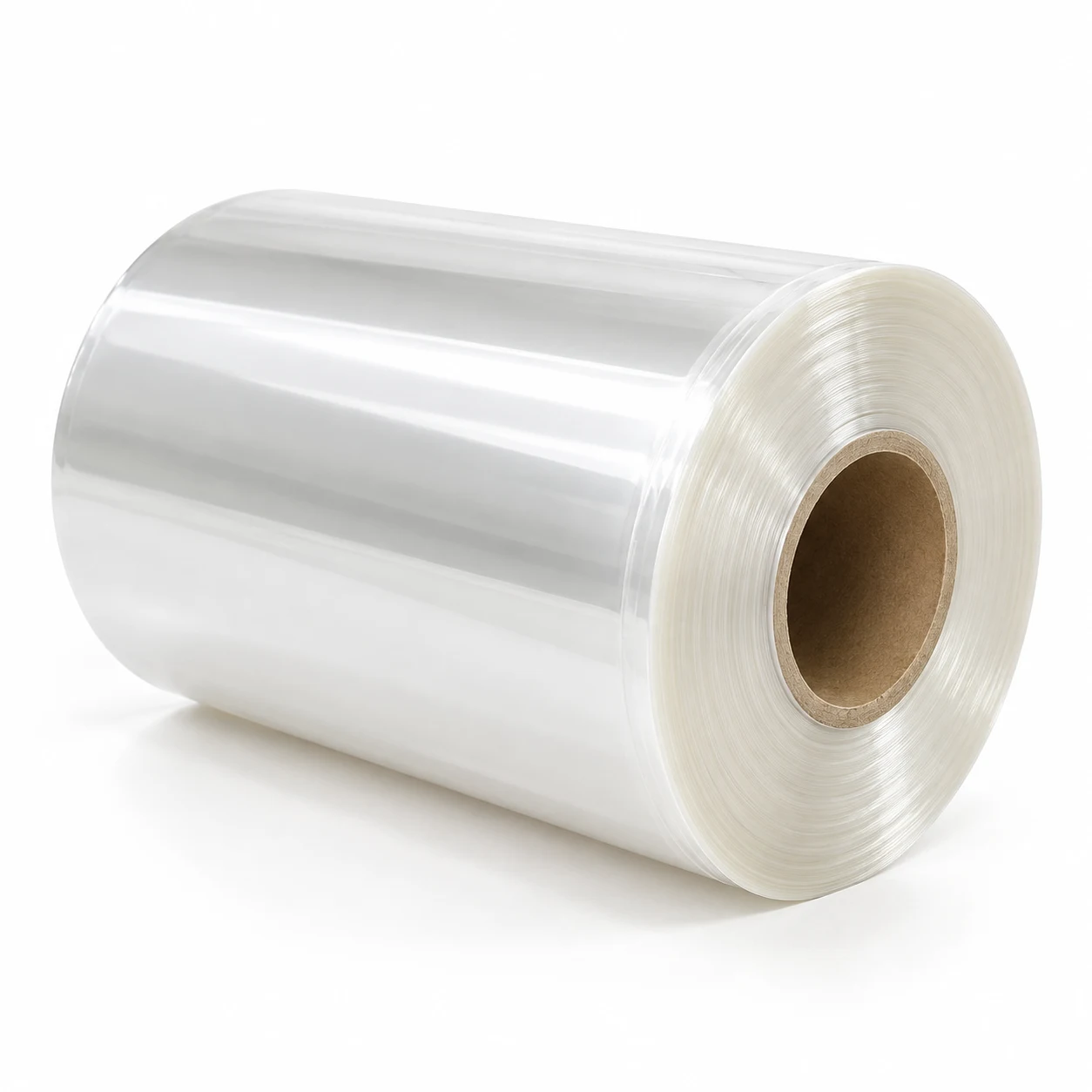
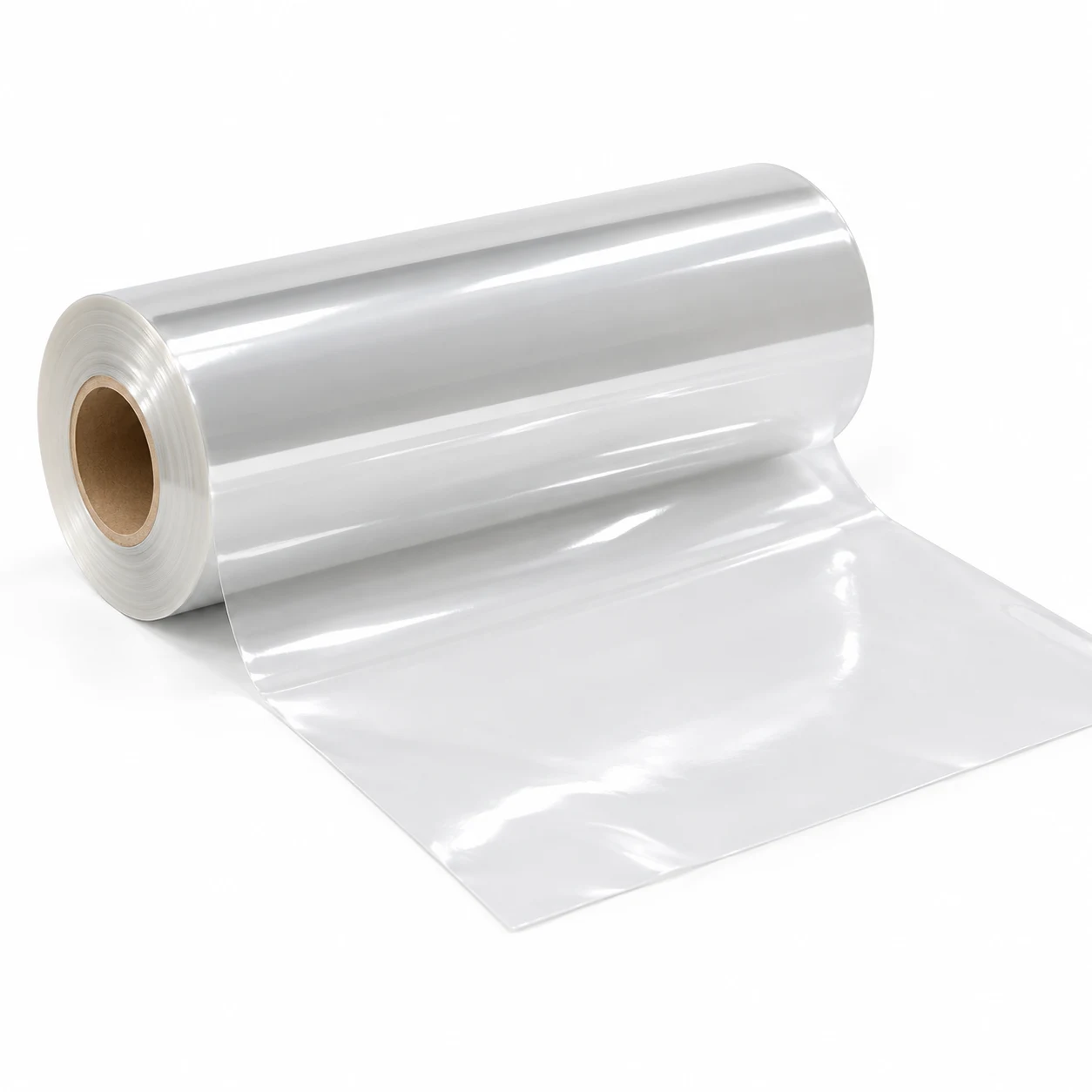
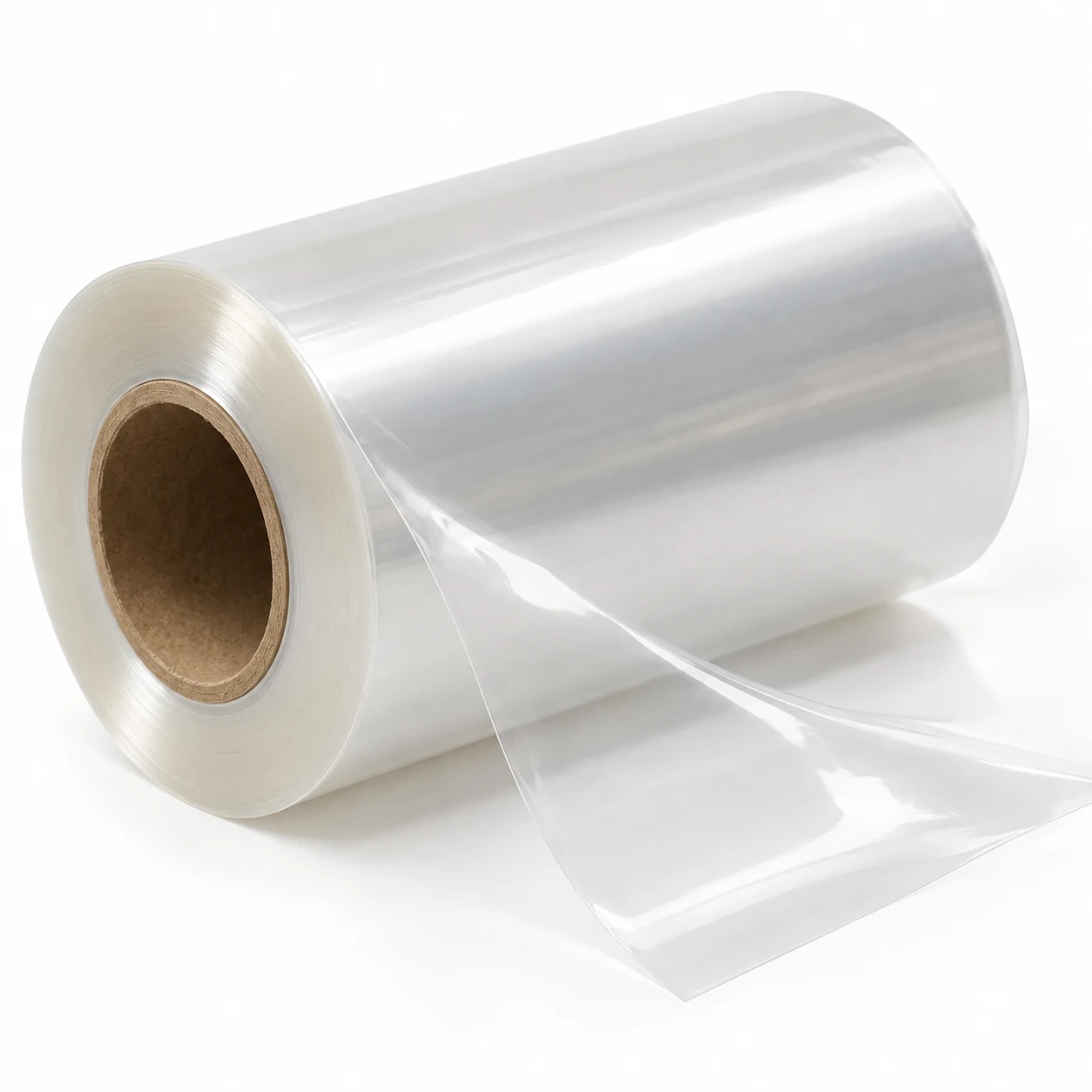
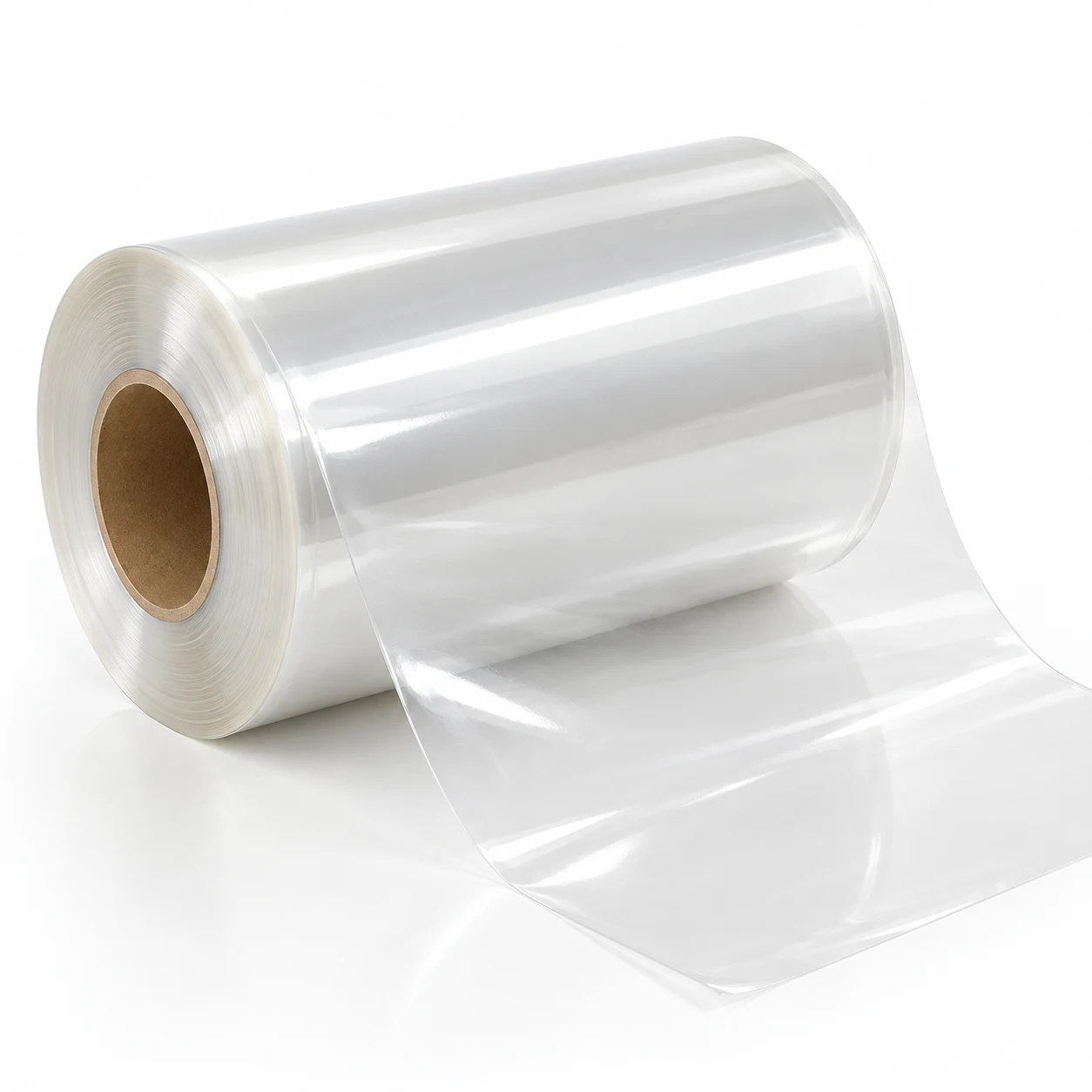
Custom cpp film — made to order: width, thickness and seal initiation temperature are all specified per run.
Cast polypropylene is the sealing layer you reach for when polyethylene will not take the heat. It seals strongly, it resists moisture better than PE, and it holds its properties well above the temperature at which PE starts to soften — which is what makes it the inner ply of every retort laminate and of any pack that is filled hot.
General purpose against retort grade
The two are not interchangeable. General-purpose CPP is for ambient and warm fills. Retort-grade CPP is formulated to survive 121 °C under pressure with food against it for the length of a sterilisation cycle, and it is what sits inside a retort pouch. Metallised CPP is also available where the sealant ply is carrying part of the barrier. Seal strength rates 4 of 5, clarity is high, and moisture barrier is 3 of 5.
Specifying it
Width, thickness and seal initiation temperature are all made to order, and the seal initiation temperature is the specification that most often gets left off an enquiry and most often causes trouble. It has to match the dwell time and jaw temperature of your sealer — see packaging machinery selection. Typical uses are pastry and bread, daily chemical goods, and the inner ply of laminates. FDA and GB food-grade grades available.
What moves the price
Grade, above everything. General-purpose CPP and retort-grade CPP are different formulations at different prices, and the gap is real because the retort grade has to survive an hour of steam at 121 °C with food against it. Metallised CPP is a third product again. Thickness and width behave normally. Because this is usually the sealant ply of a laminate rather than a film bought alone, the price a buyer feels is the structure price, and the CPP choice moves it less than the barrier ply does.
Where it goes wrong
Using general-purpose CPP in a retort structure, which is the single most expensive mistake available in this catalogue — it fails at the seal during sterilisation, and it fails after the food is already in the pack. The second is leaving the seal initiation temperature off the enquiry and accepting whatever arrives; it is the specification that decides whether the film runs on your machine and it is the one most often omitted. The third is assuming CPP and PE are interchangeable because both are sealants. They are not: PE seals lower and cheaper, CPP takes the heat.
Where custom cpp film is used
As the sealant in hot-fill and retort structures, and as the inner ply of packs cooked with the product inside. Retort-grade CPP is what makes a retort pouch possible at all, and retort pouch specifications explains why a 121 °C qualification is not a 135 °C one. If the film is running on your own line, the seal initiation temperature has to match your jaws and dwell time — film for VFFS machines covers that and the five other specifications that decide whether a reel runs.
What to send us for a quotation
A quotation for custom cpp film is written against a specification, so the more of this you can send, the closer the first number is to the real one: which structure, or the shelf life and the product so we can choose one — CPP are available here; the temperature the pack has to survive, from filling through to how the customer opens it (ambient to high temperature for this product); the line it runs on — this one is specified for inner sealing layer and Laminate inner ply; which options you want fitted: general purpose, Retort grade and Metallised; the values for width, Thickness and Seal initiation temperature.
Send the fill weight and the quantity with it. Where you already buy something similar, a sample is worth more than a description — we measure what is actually there rather than quoting against how it was once written down.
Food-contact and export requirements are set out in FDA 21 CFR 177, the US rule for food-contact polymers; the declarations for this structure are issued with the order.