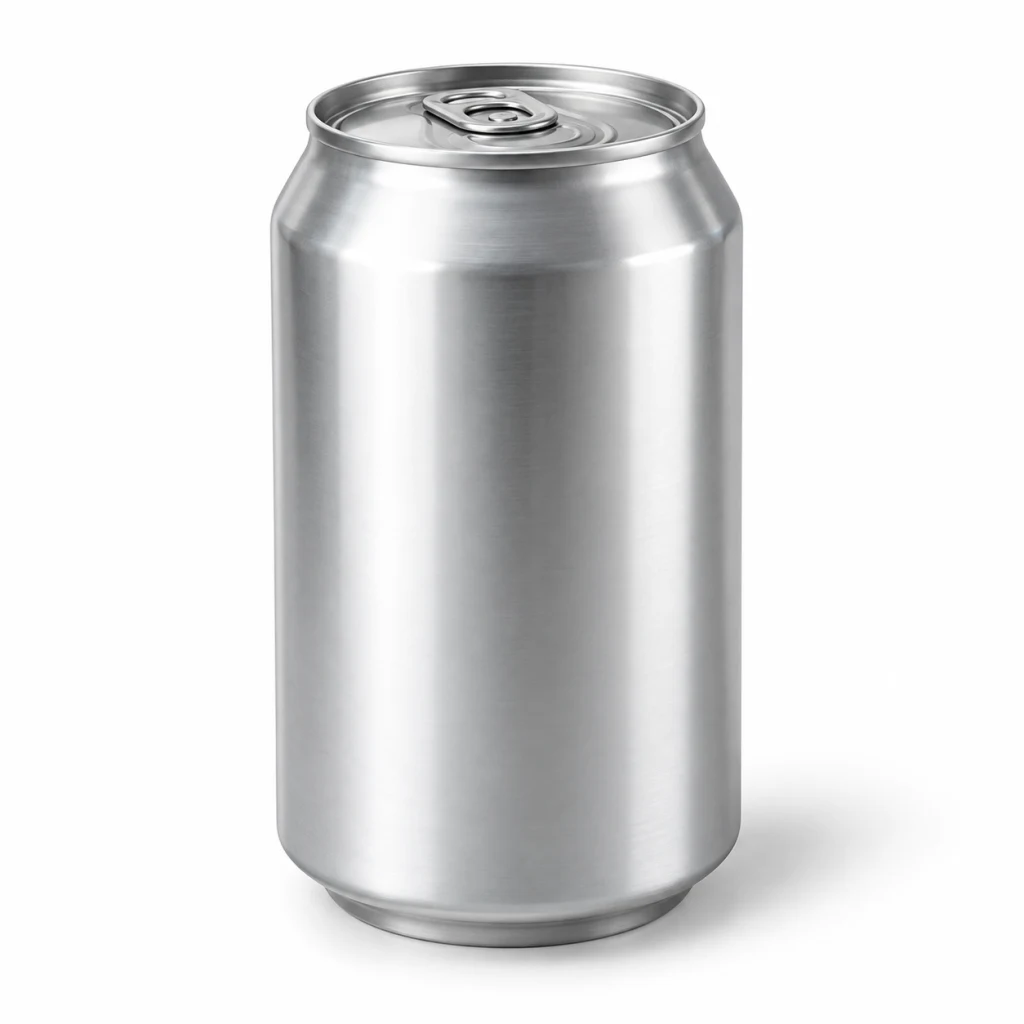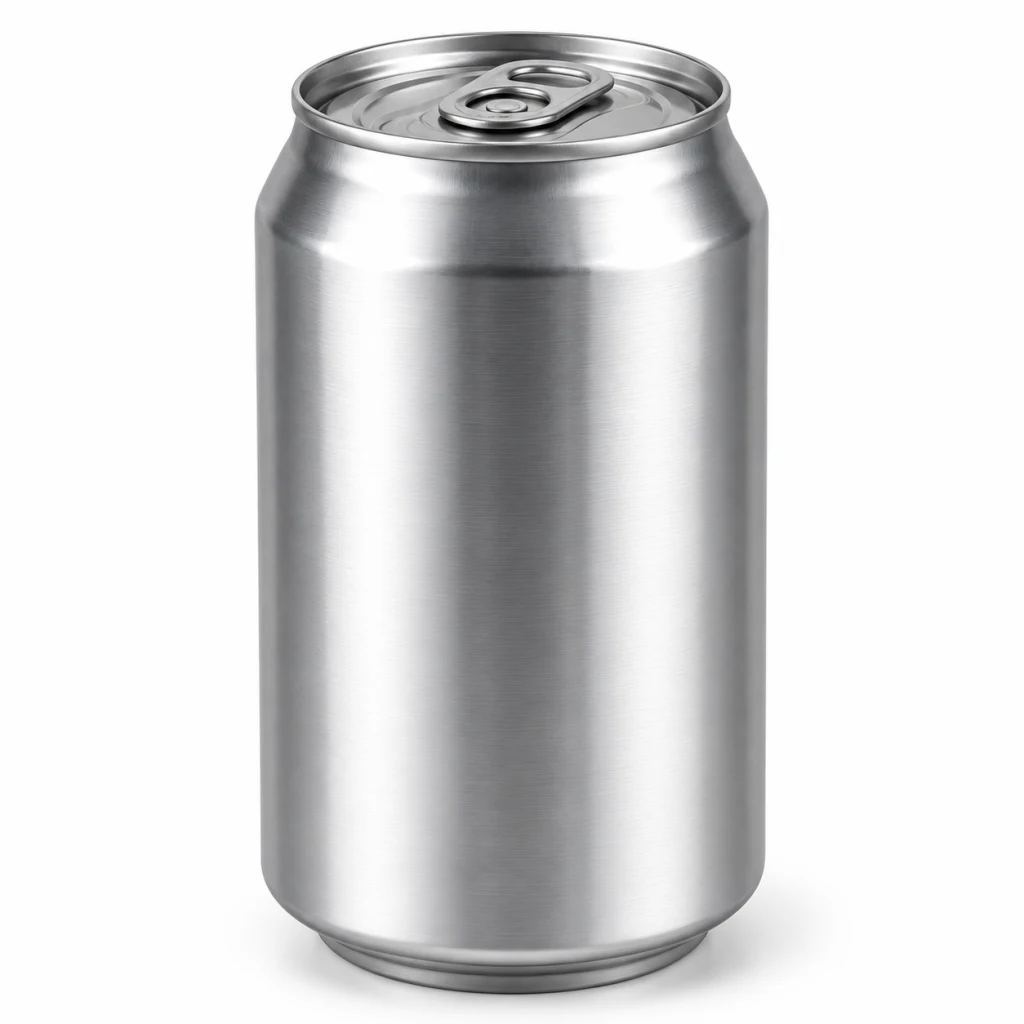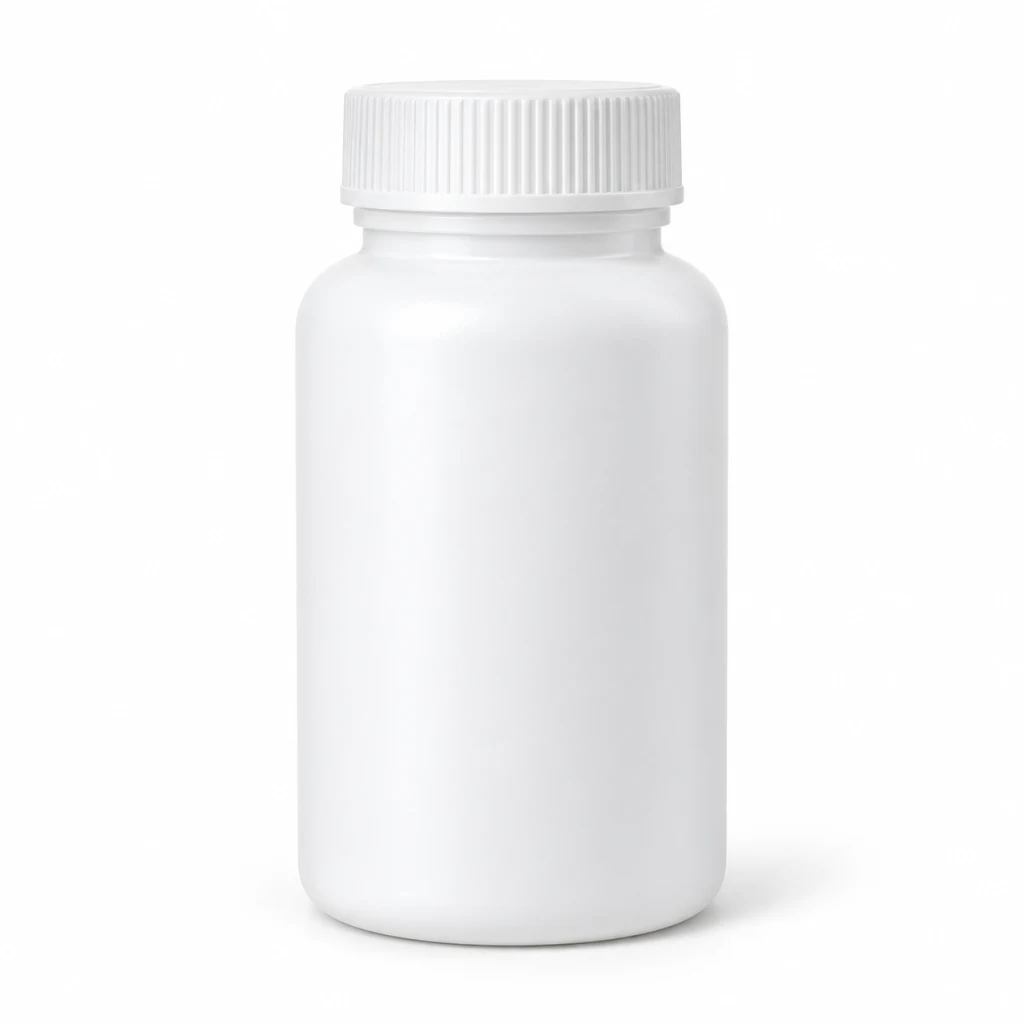
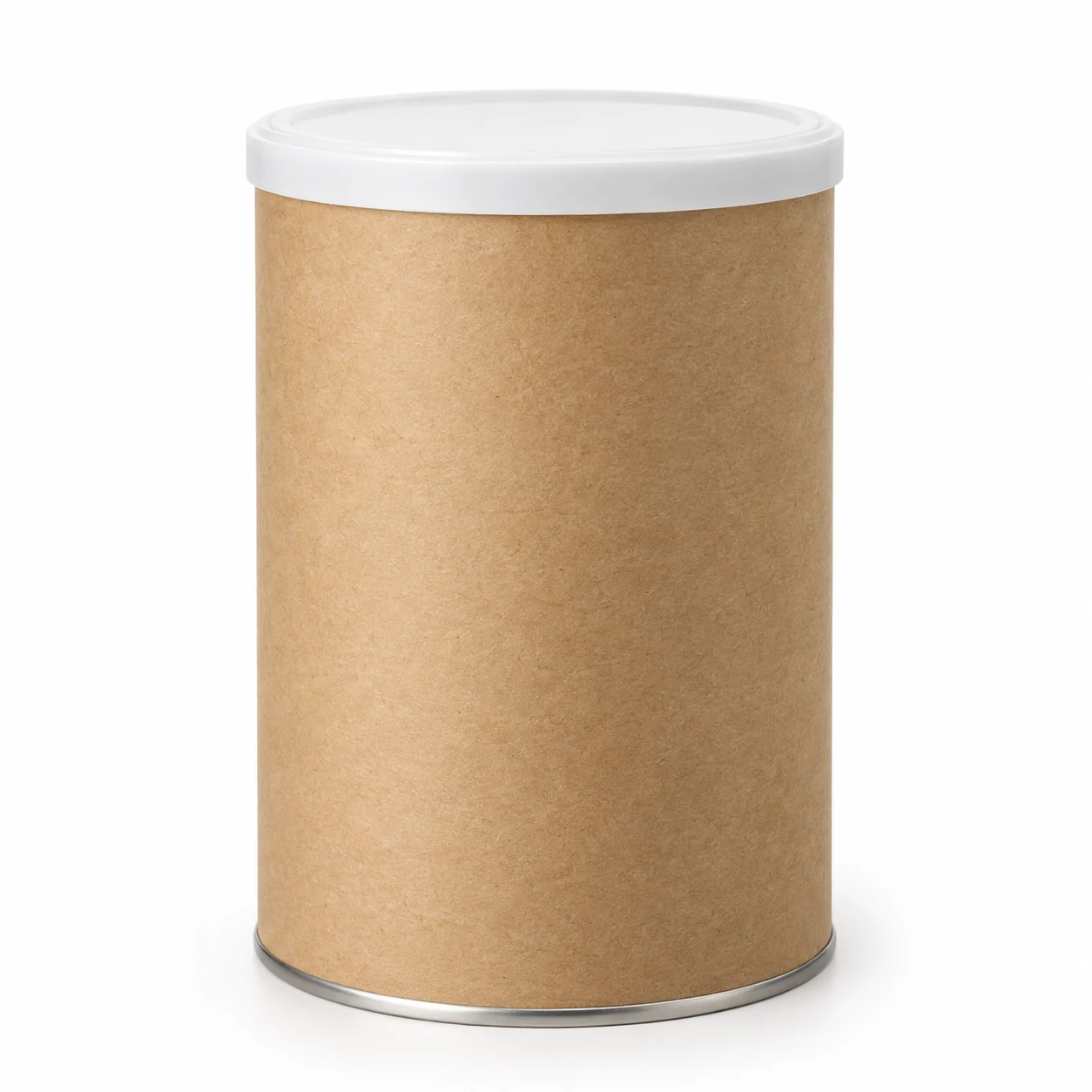
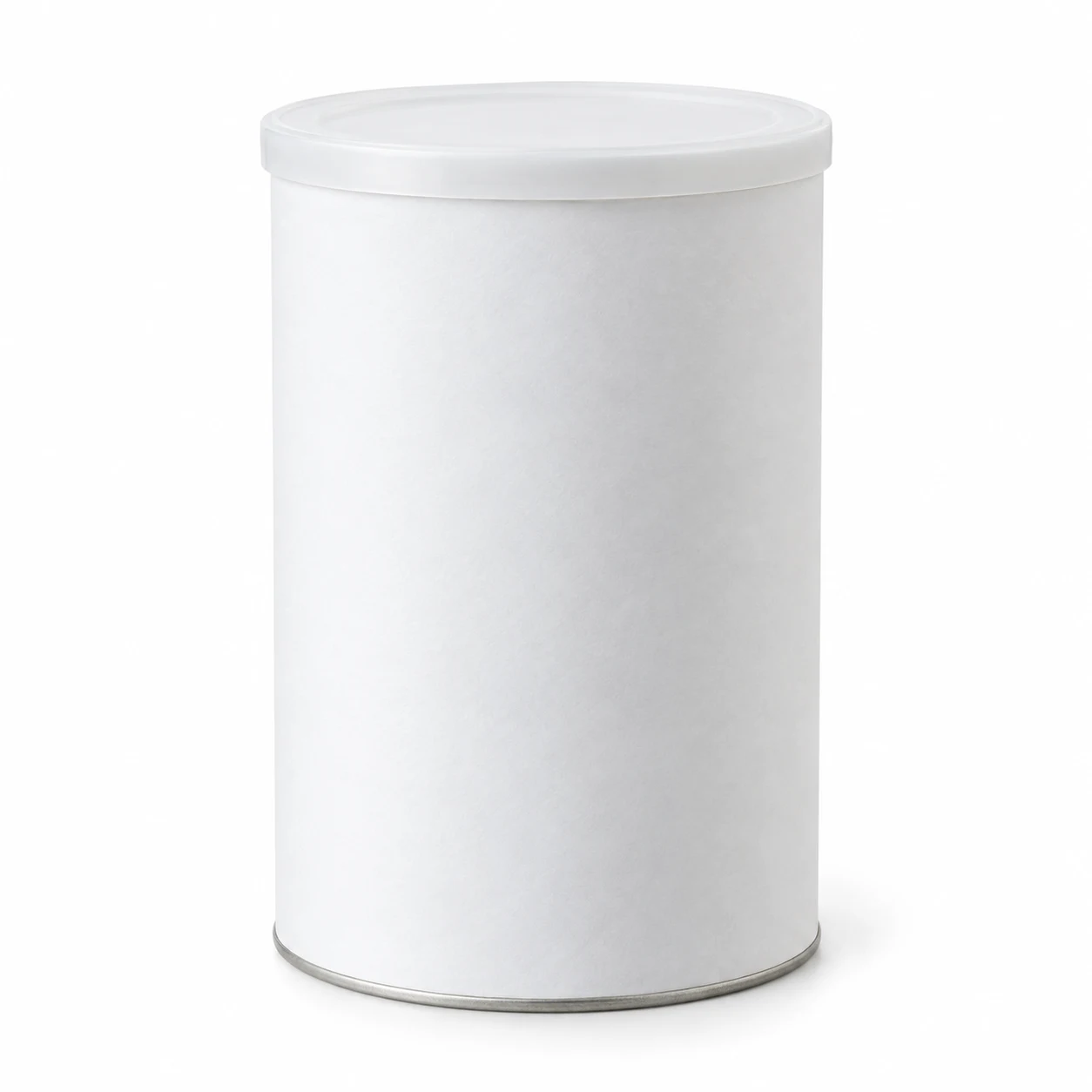
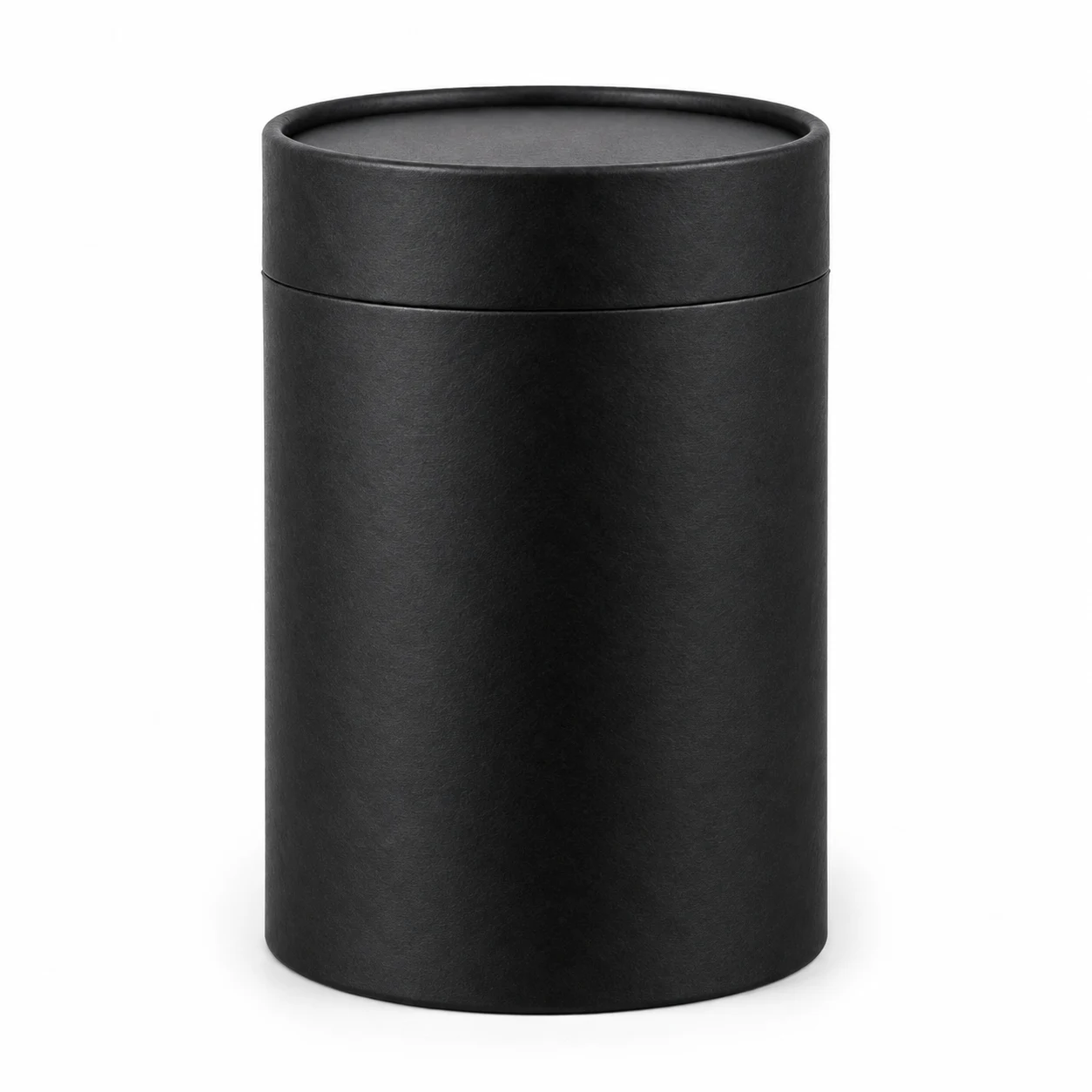
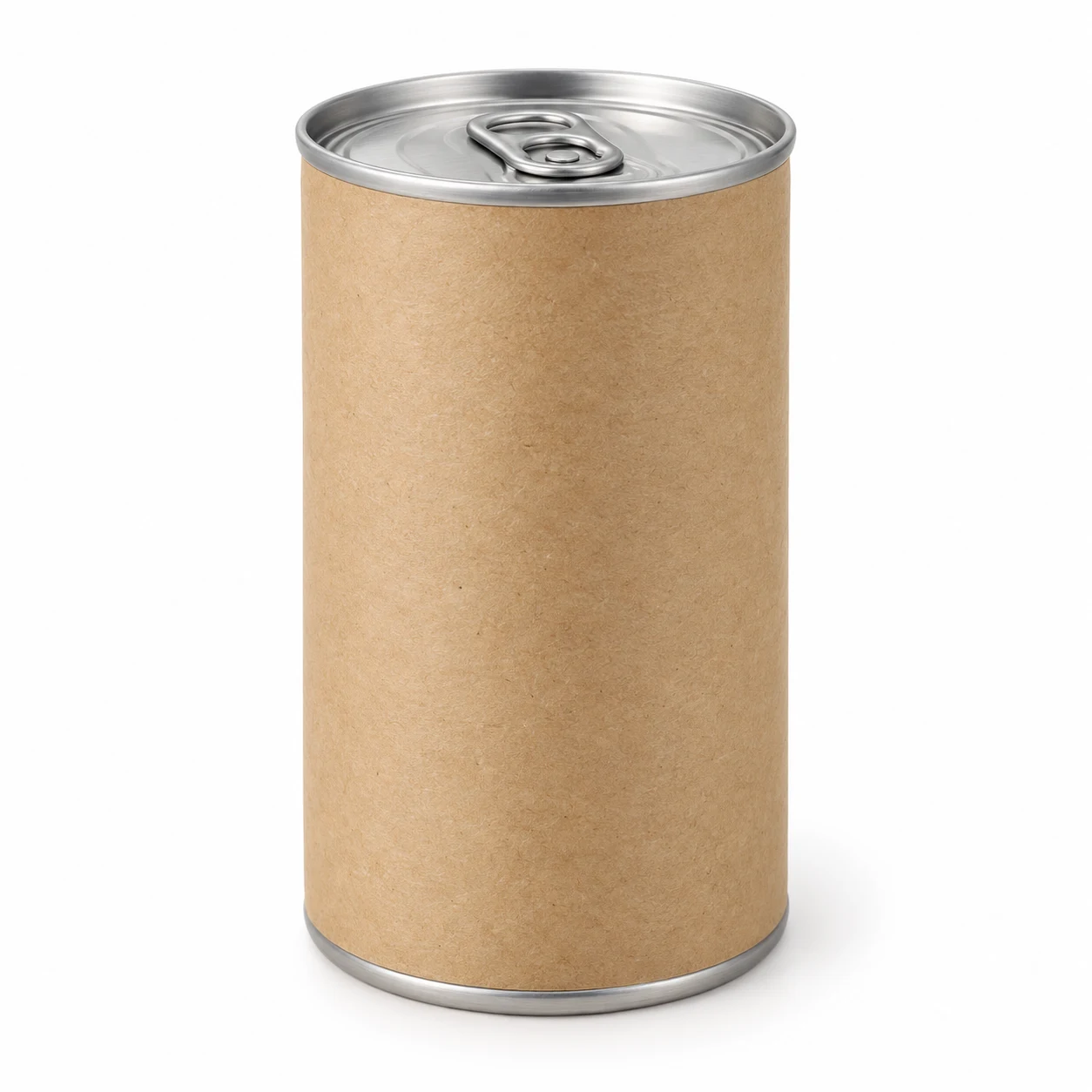
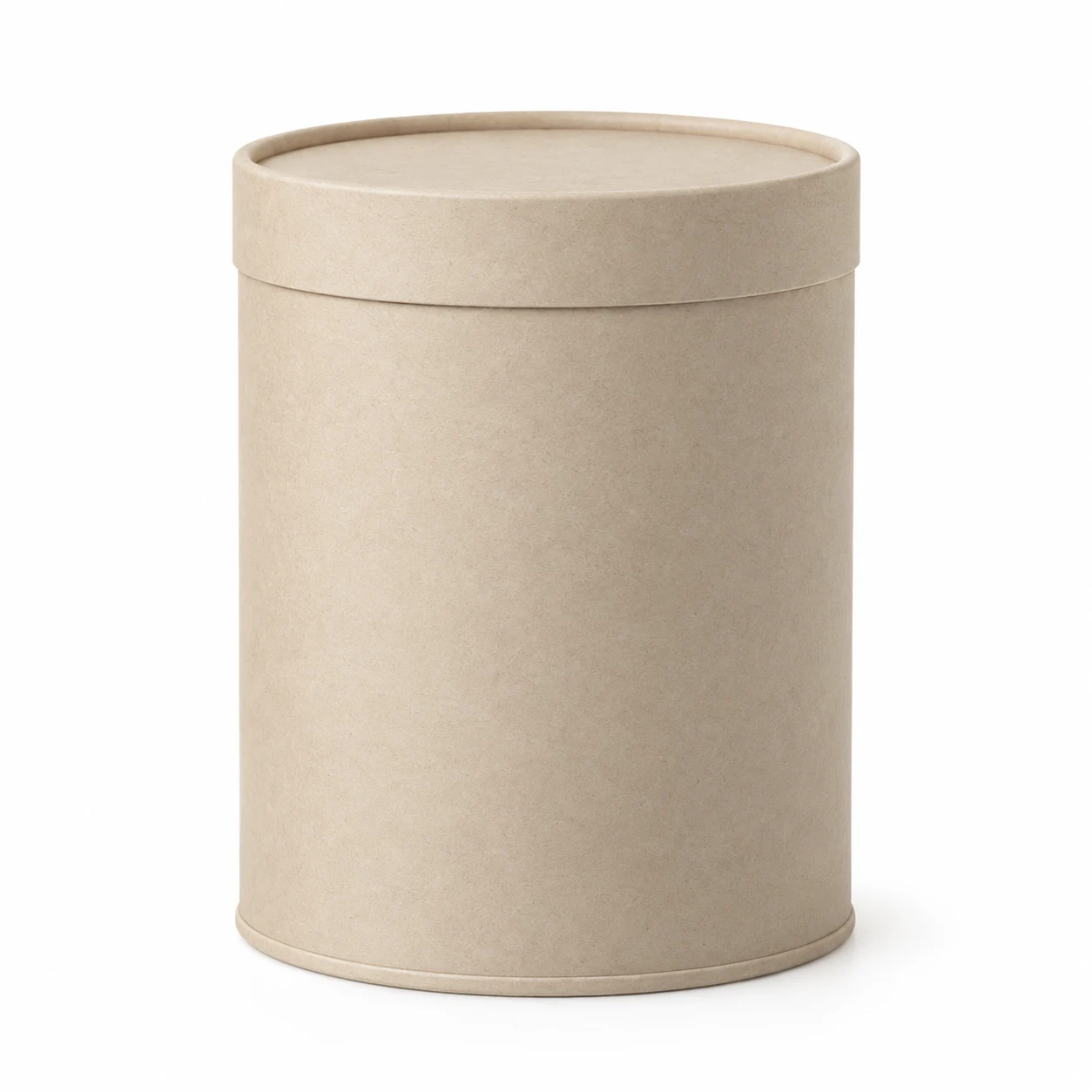
Custom composite paper can — made to order: diameter and height, lining, end type and printing are all specified per run.
A composite can has a spiral-wound board body lined with aluminium foil and PET, with a metal or board end. It is the format that gets you a genuine barrier and a premium tactile feel without a moulded plastic tub or a metal can — lighter than metal, less plastic than a tub, and printed across the whole body rather than labelled.
What the lining does
Board alone stops nothing. The foil and PET lining is what takes oxygen and moisture barrier to 4 of 5, which is enough for milk powder, nuts, coffee and supplements to hold their shelf life. The lining specification is therefore the part of the enquiry that matters most, and it changes with the contents: fatty products, hygroscopic powders and volatile aromas each ask something different of it.
Ends and ordering
Metal end, board end, peel lid or plastic overcap — a peel lid with an overcap is the usual combination for a powder used over weeks. Diameter and height, lining, end type and printing are made to order. Temperature range is −20 to 80 °C. Depending on the lining and the end, the can is recyclable or biodegradable. For a full metal barrier, see the tinplate can; for a flexible alternative, the zipper pouch. FDA and GB food-grade linings.
What moves the price
The lining and the ends. Board is cheap; the foil and PET lining that makes the can a barrier is not, and it is specified against the contents rather than chosen from a list. A metal end costs more than a board one and seals more reliably. A peel lid with a plastic overcap is two components. Printing across the full body is a strength of the format and priced accordingly. Minimums sit between flexible packaging and metal cans.
Where it goes wrong
Treating the board as the specification and the lining as a detail, when it is the other way round — the lining carries the whole barrier and a hygroscopic powder or a volatile aroma will find a lining chosen carelessly. The second is a recyclability claim made without checking what the local stream does with a mixed board-foil-plastic structure. The third is a peel lid specified without an overcap on a product used over weeks.
Where custom composite paper can is used
Milk powder, nuts, coffee and supplements sold at the premium end — where a board body and full-body print read better than a plastic tub and the lining still has to hold a real barrier. The supplement page covers what a hygroscopic powder needs; the coffee page what a roasted bean does. For a full metal barrier, the tinplate can.
What to send us for a quotation
A quotation for custom composite paper can is written against a specification, so the more of this you can send, the closer the first number is to the real one: which structure, or the shelf life and the product so we can choose one — Paper / board + aluminium foil + PET lining are available here; the temperature the pack has to survive, from filling through to how the customer opens it (−20 to 80 °C for this product); the line it runs on — this one is specified for coating / laminating and Heat sealing; which options you want fitted: metal end, Board end and Peel lid; the values for diameter and height, Lining, End type and Printing.
Send the fill weight and the quantity with it. Where you already buy something similar, a sample is worth more than a description — we measure what is actually there rather than quoting against how it was once written down.
Food-contact and export requirements are set out in FDA 21 CFR 175 and 177, which cover coatings and polymers in food contact; the declarations for this structure are issued with the order.