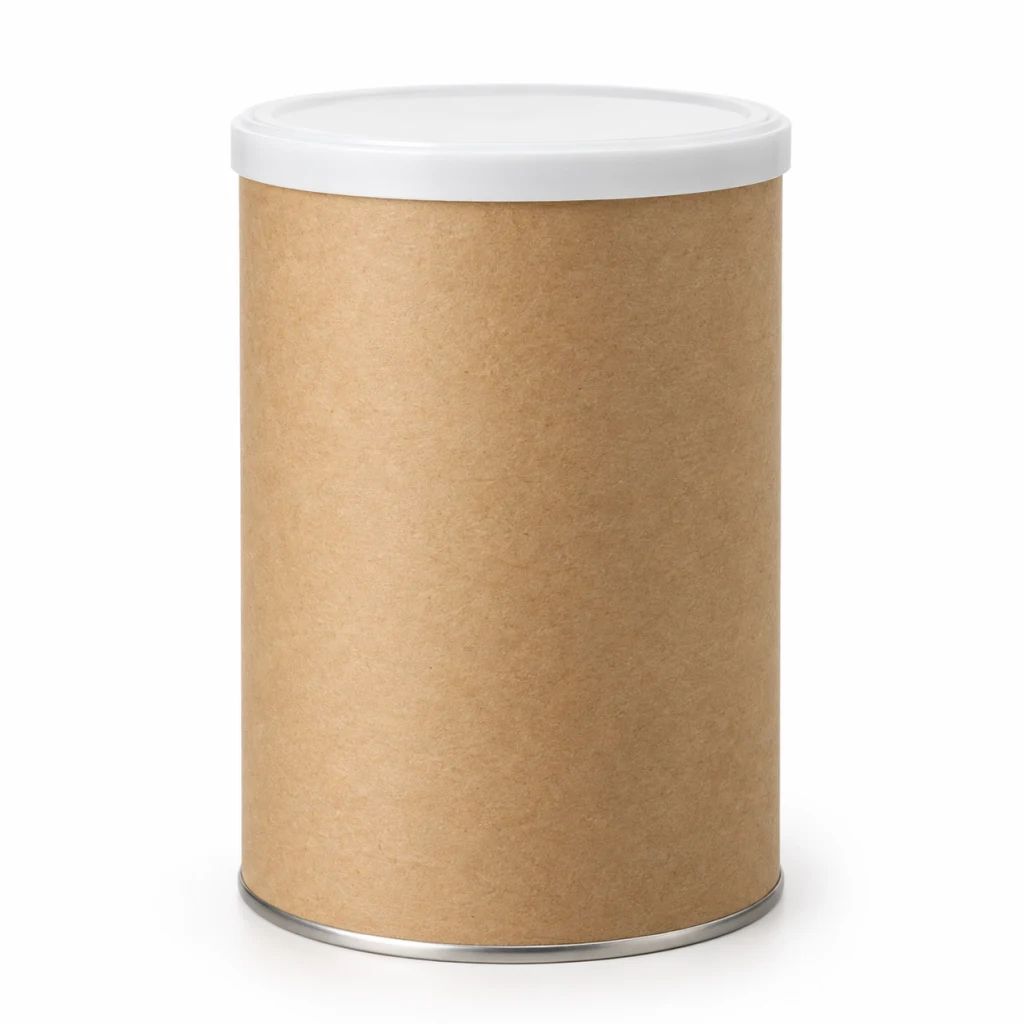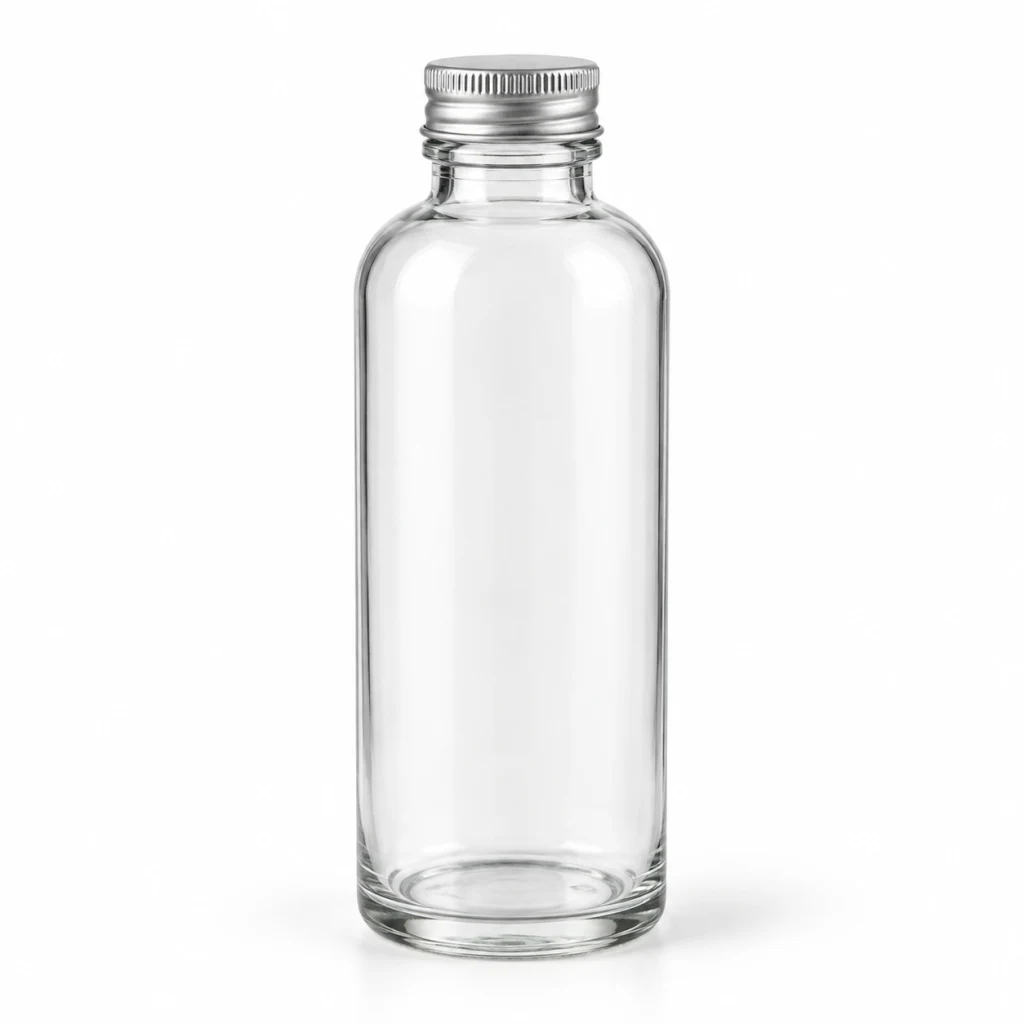
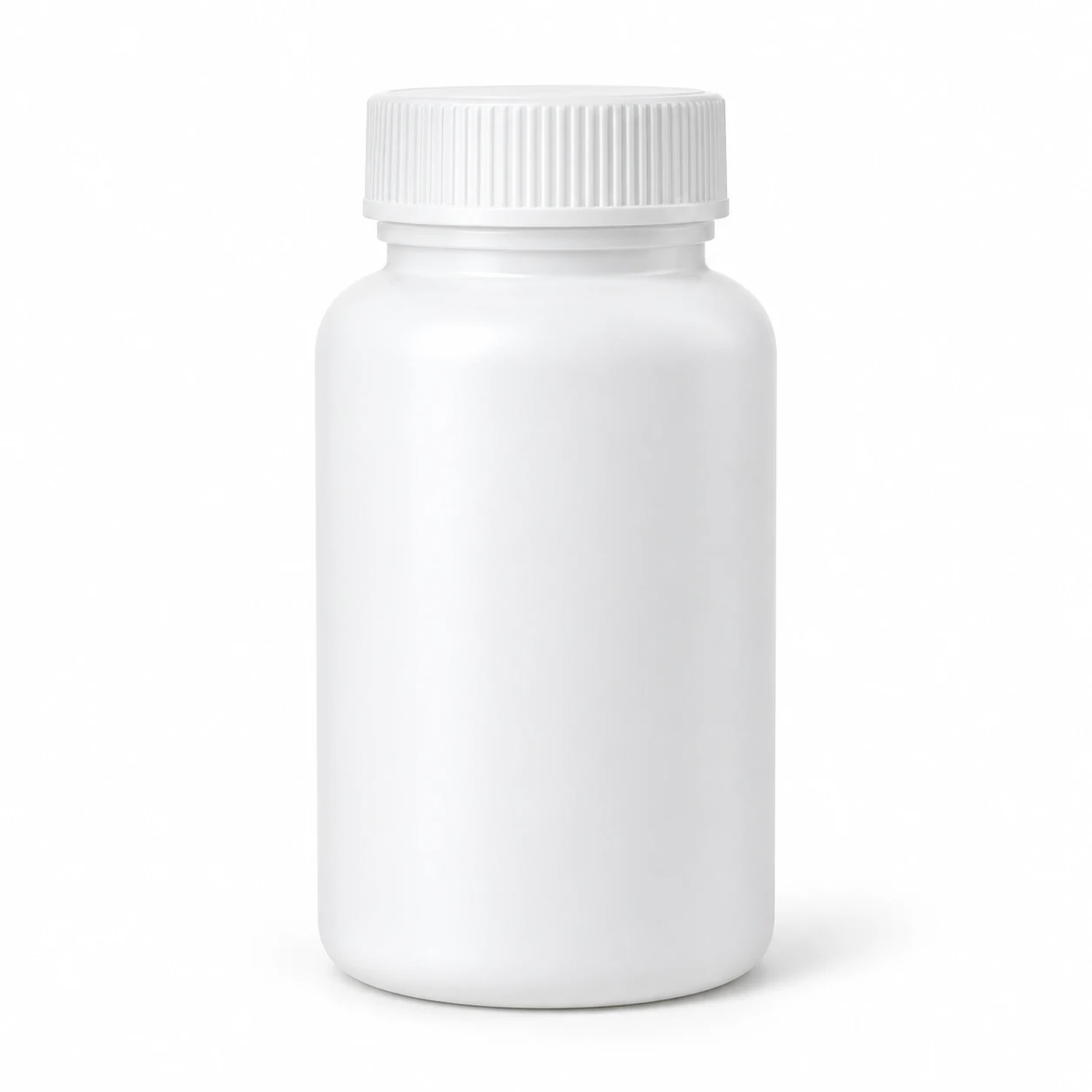
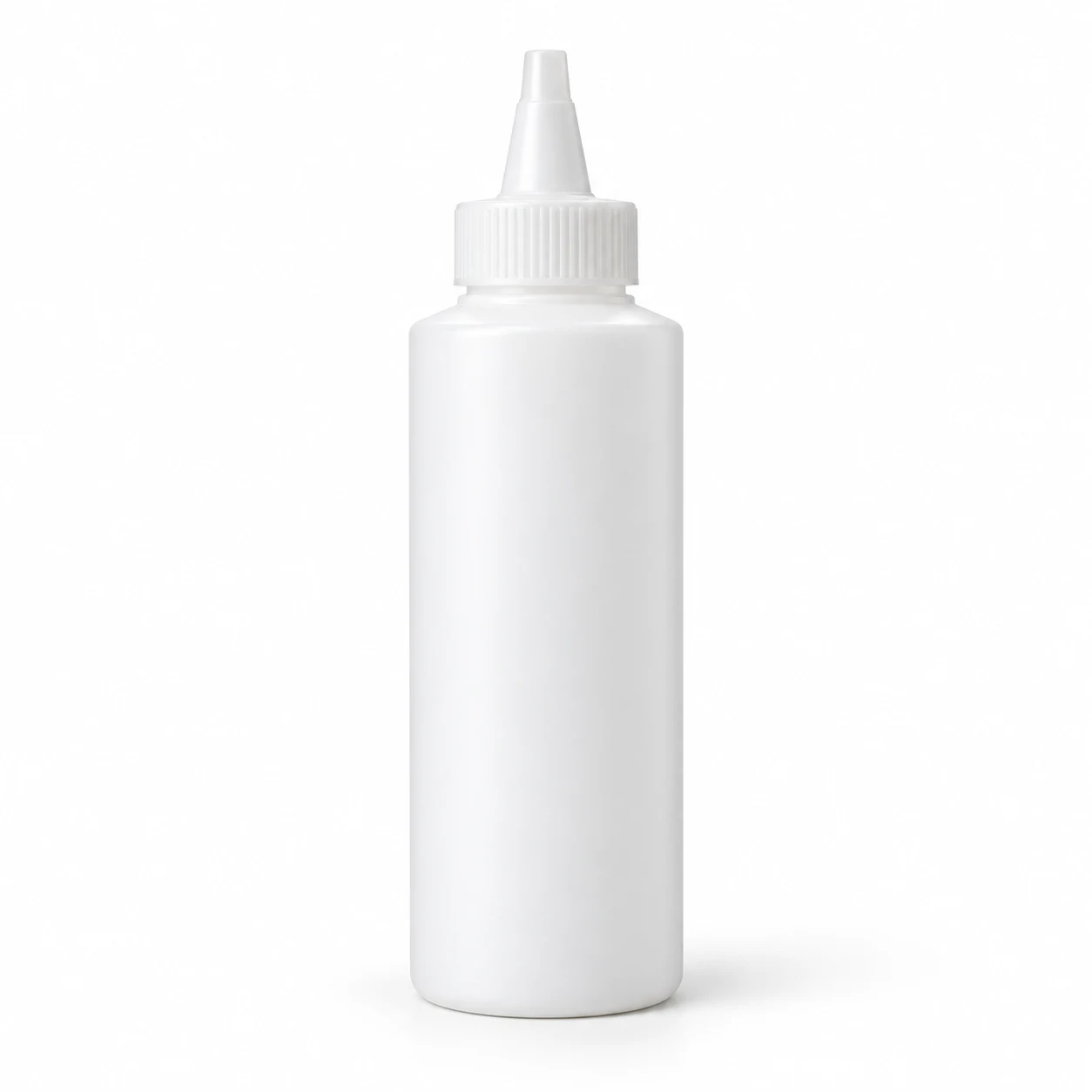
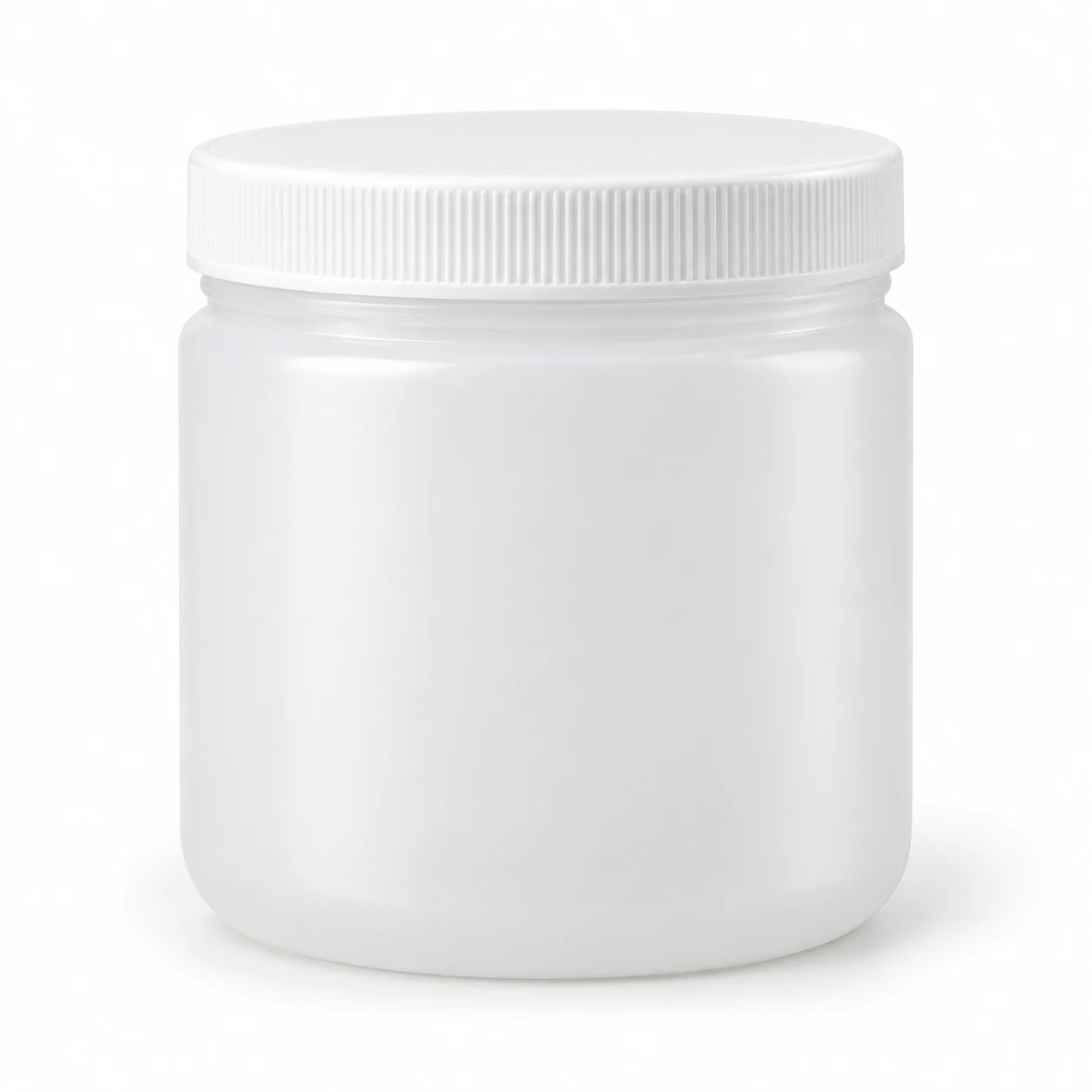
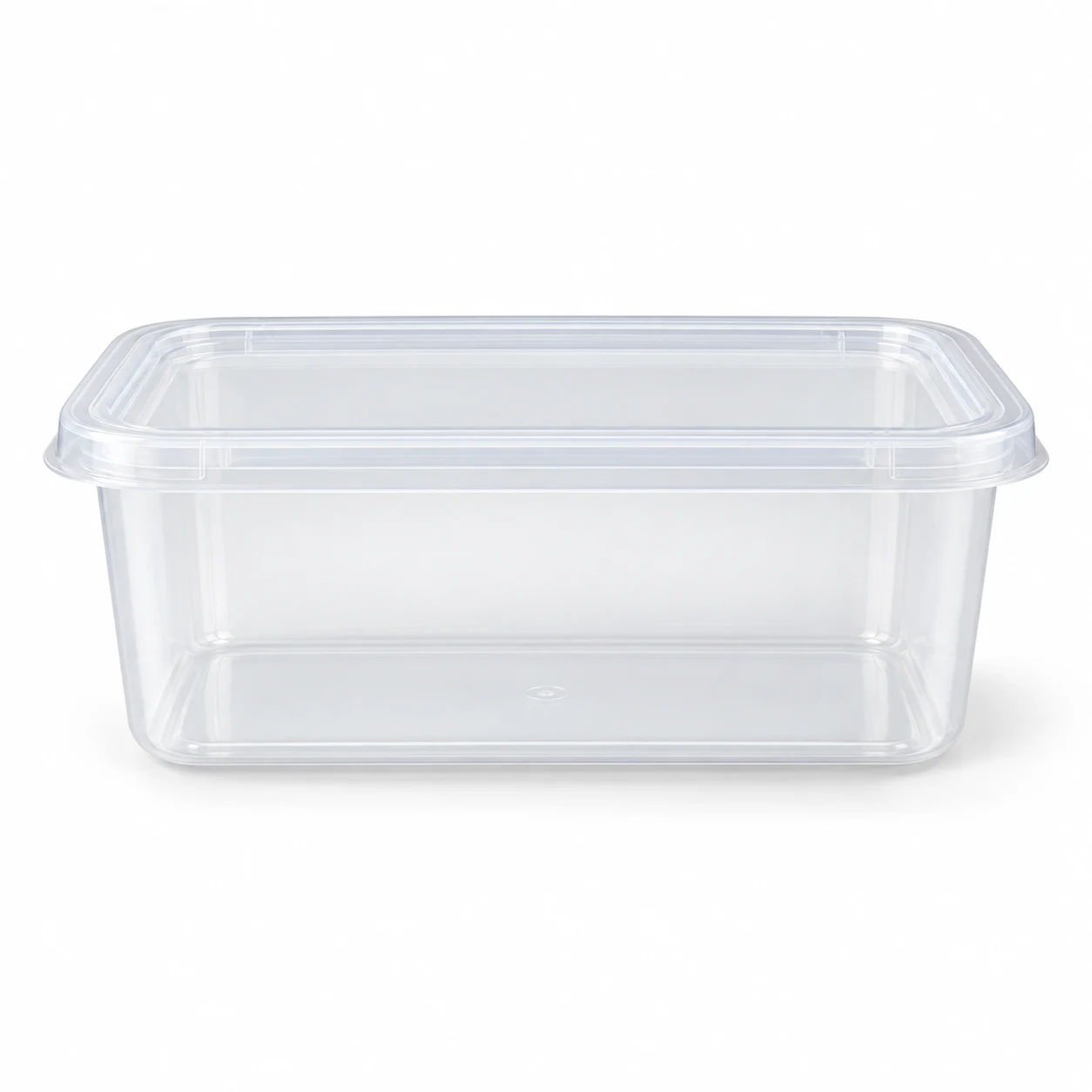
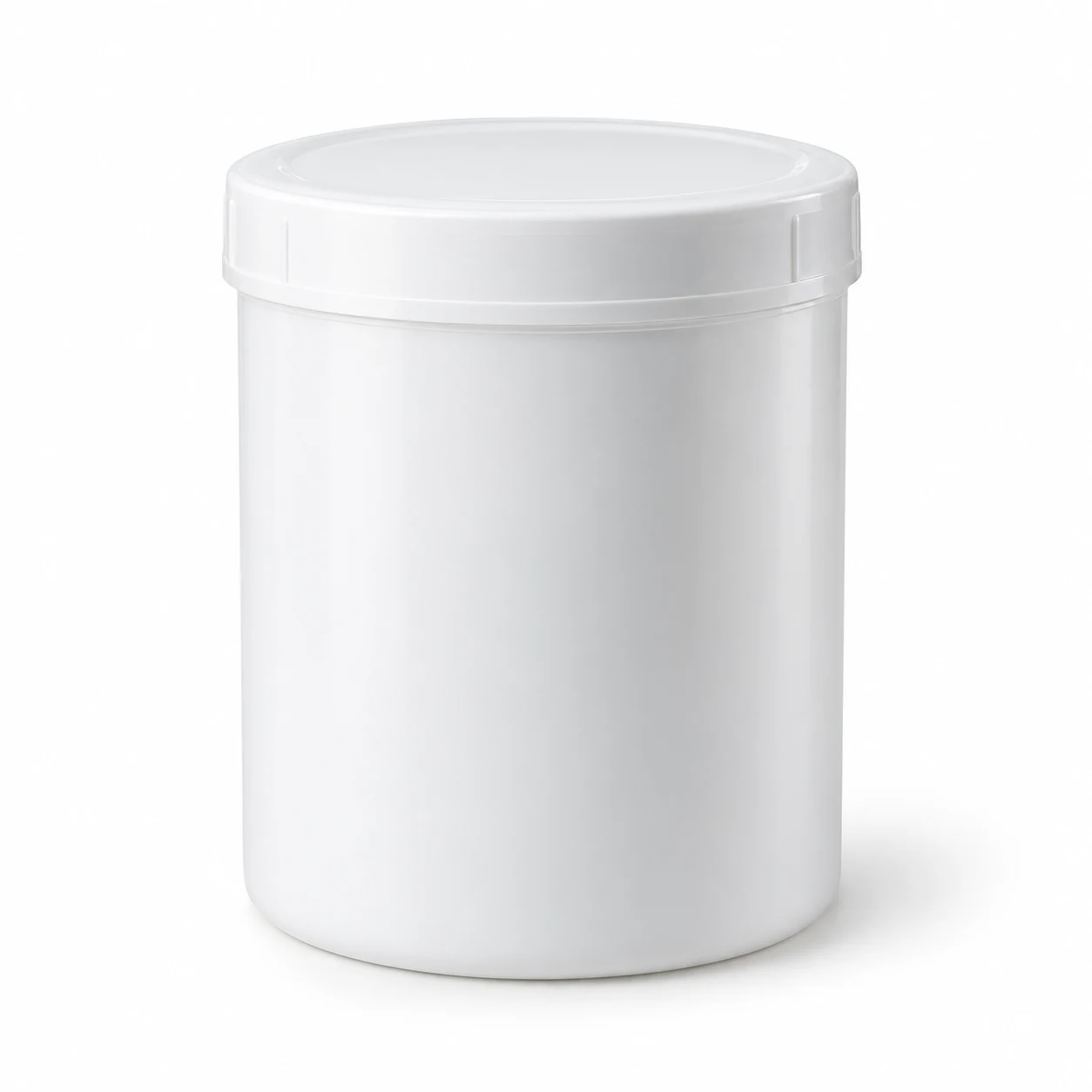
Custom pp bottle and cup — made to order: volume, shape, colour and lid type are all specified per run.
Polypropylene containers do one thing the other plastics here do not: they take 100 °C without deforming, so they can be hot-filled, pasteurised in-pack, or reheated by the customer. That, plus a rigid wall and reliable chemical resistance, is why supplements, seasonings, pharmaceuticals, yoghurt and dairy cups all end up in PP.
Sealing to a lid
PP seals cleanly and predictably to a foil or film lid across the rim, which is what makes tamper-evidence and a long chilled shelf life possible. A snap cap over the foil gives reclosure after opening. Getting the seal right is a question of rim flatness, lid material and sealing head temperature together — a cup that seals perfectly on one machine can channel on another, so tell us the sealer. Barrier is 3 of 5 on oxygen and moisture.
Ordering
Volume, shape, colour and lid type are made to order, in natural, white or coloured. Temperature range is −20 to 100 °C. Typical uses are health supplements, seasonings, pharmaceuticals and food and yoghurt cups. For a chemically tougher bottle, see the HDPE bottle; for an inert container that changes nothing at all, the glass bottle and jar. FDA and GB food grade.
What moves the price
Tooling, cavitation and lid. The number of cavities in the mould sets how fast the tool runs and therefore the unit cost at volume, and it is the decision that should be made with the forecast rather than with the first order. A foil lid and a snap cap are two separate components and they price separately. Shape complexity — undercuts, compartments, unusual profiles — adds tooling more than material.
Where it goes wrong
A rim that seals inconsistently, which is usually flatness or a sealing head running at the wrong temperature for the line speed rather than a fault in the cup. The second is specifying PP for a range that will be retorted in-pack, where it needs a different grade. The third is choosing a lid material for cost and then finding it will not peel cleanly, which is a complaint at the point of use rather than at the factory.
Where custom pp bottle and cup is used
Supplements, seasonings, pharmaceuticals, yoghurt and dairy cups — formats that are hot filled, pasteurised in-pack, or reheated by the customer. The supplement page covers what a powder needs from a rigid container and why a desiccant is usually part of the answer; the pharmaceutical page covers what has to be provable on top of that.
What to send us for a quotation
A quotation for custom pp bottle and cup is written against a specification, so the more of this you can send, the closer the first number is to the real one: which structure, or the shelf life and the product so we can choose one — PP are available here; the temperature the pack has to survive, from filling through to how the customer opens it (−20 to 100 °C for this product); the line it runs on — this one is specified for injection moulding and Heat sealing; which options you want fitted: natural, White and Coloured; the values for volume, Shape, Colour and Lid type.
Send the fill weight and the quantity with it. Where you already buy something similar, a sample is worth more than a description — we measure what is actually there rather than quoting against how it was once written down.
Food-contact and export requirements are set out in FDA 21 CFR 175 and 177, which cover coatings and polymers in food contact; the declarations for this structure are issued with the order.