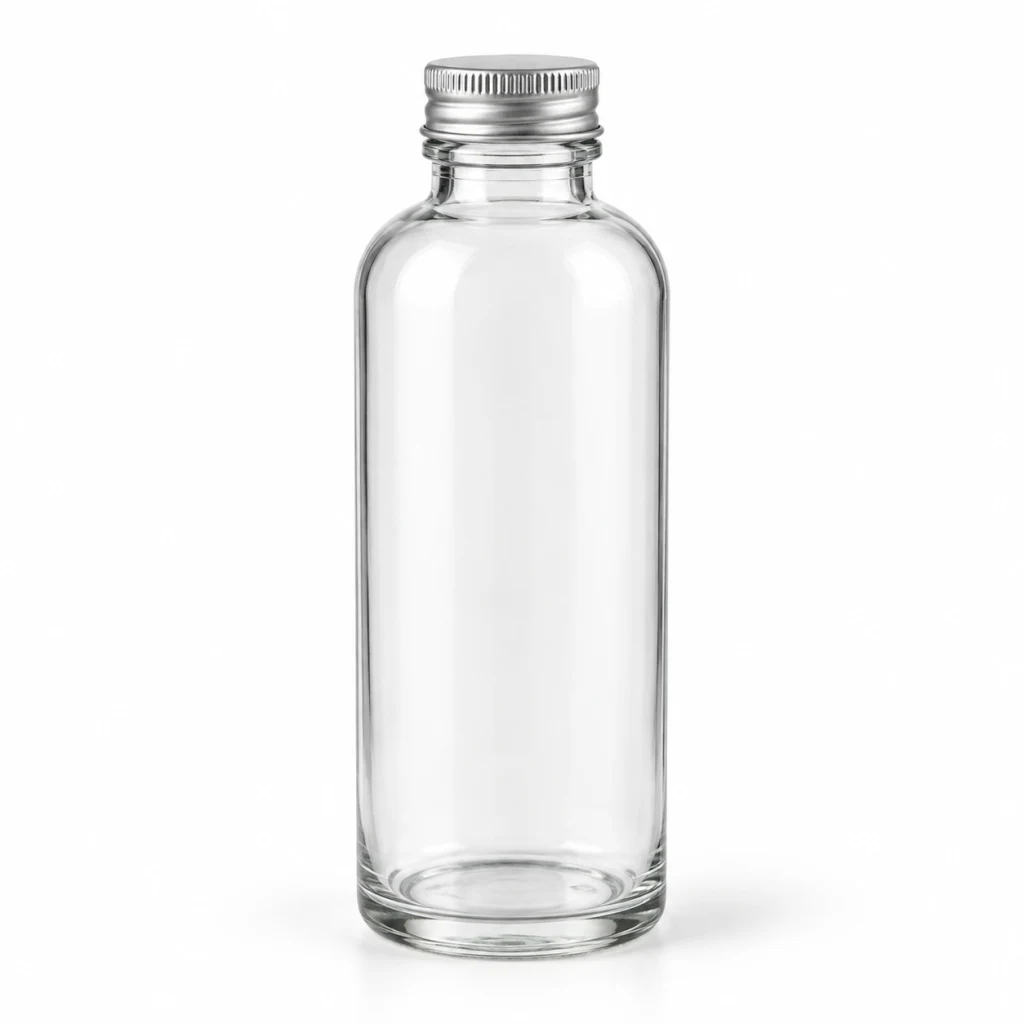
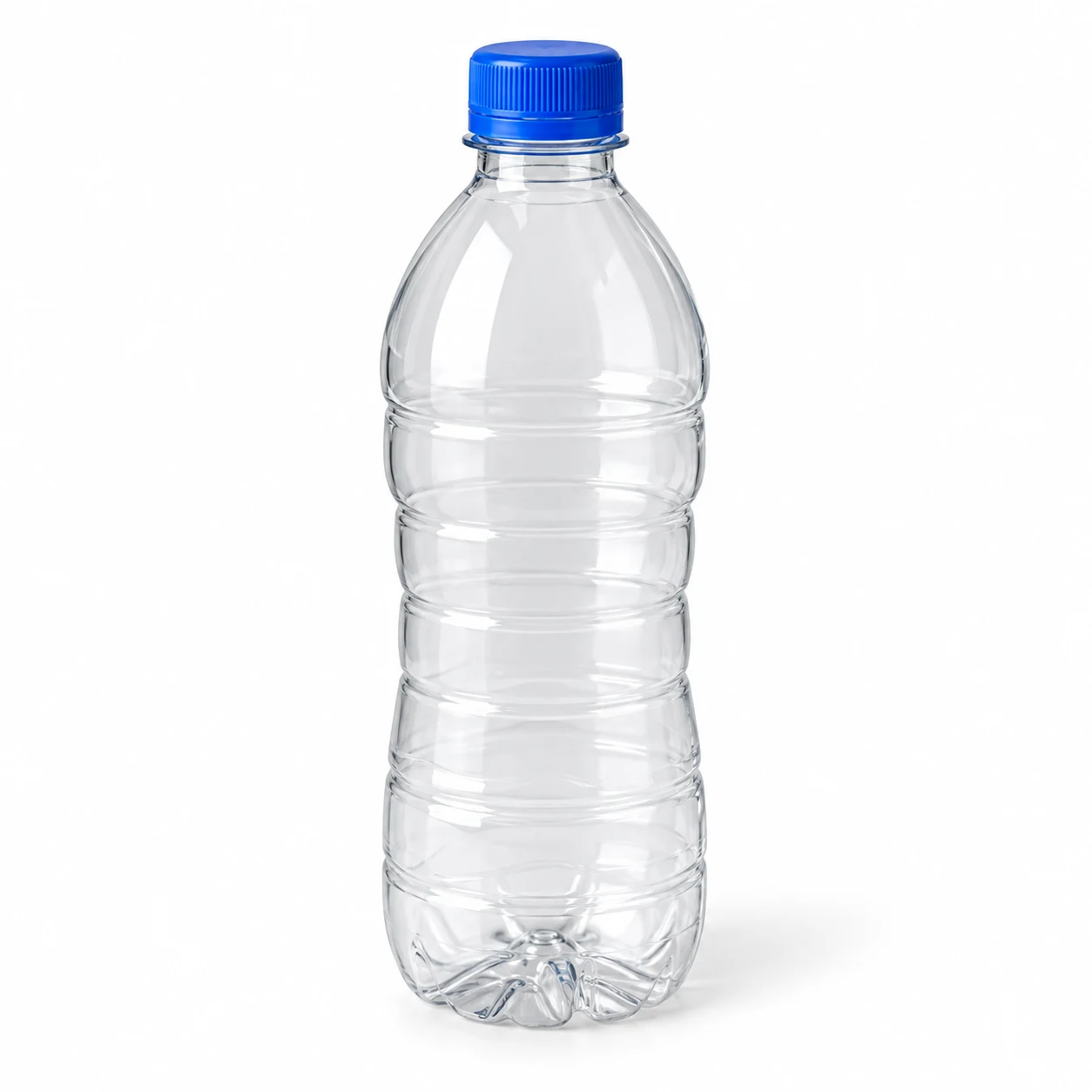
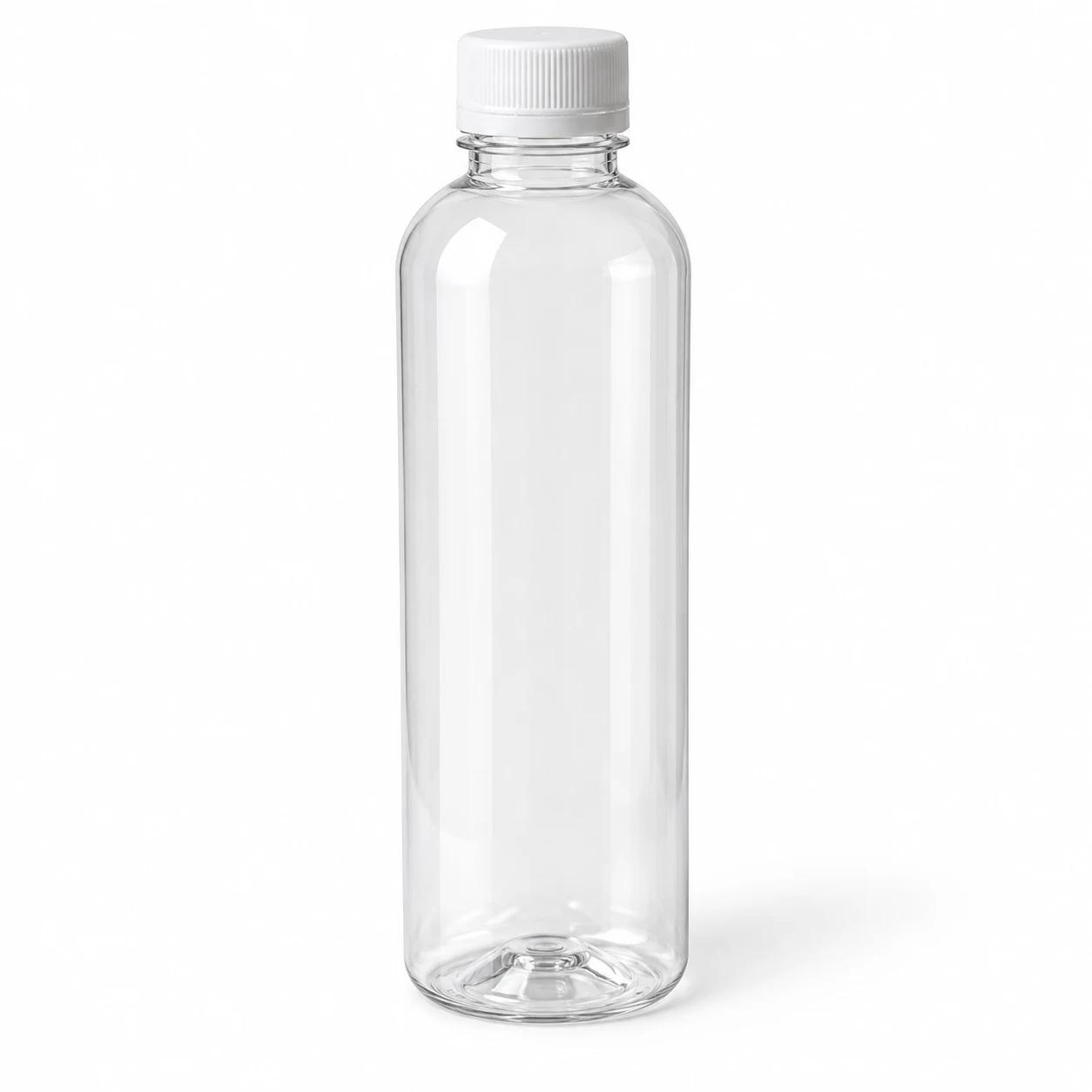
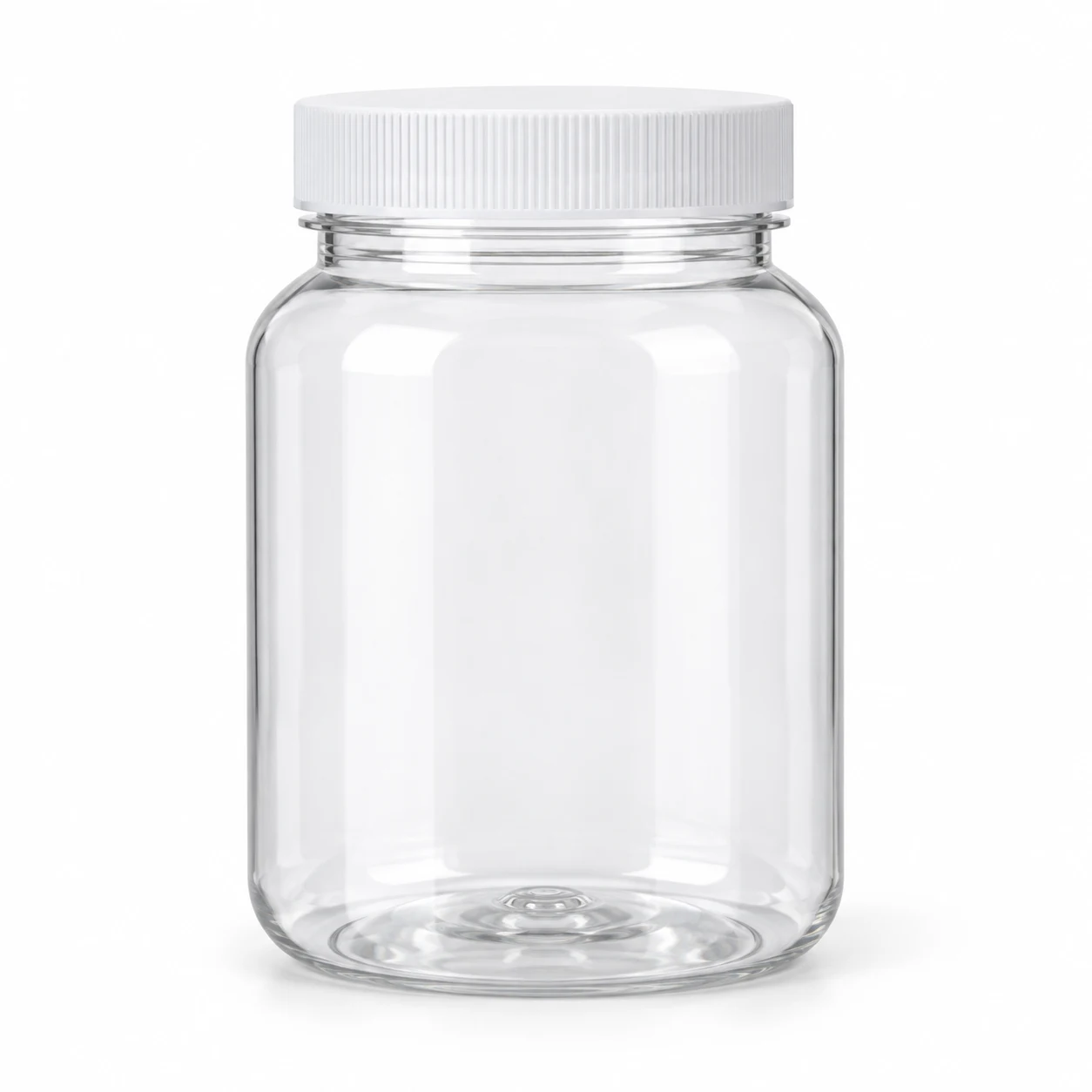
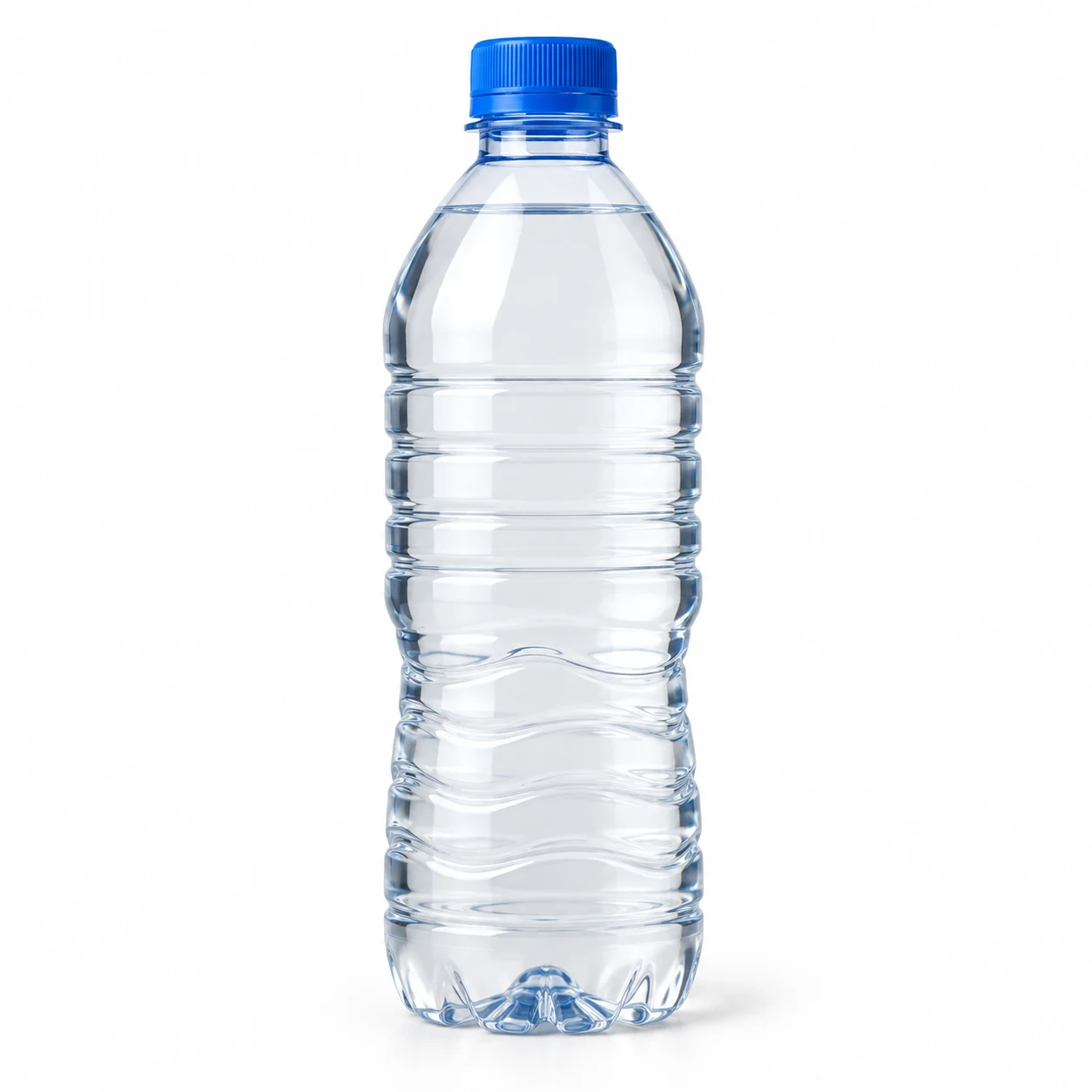
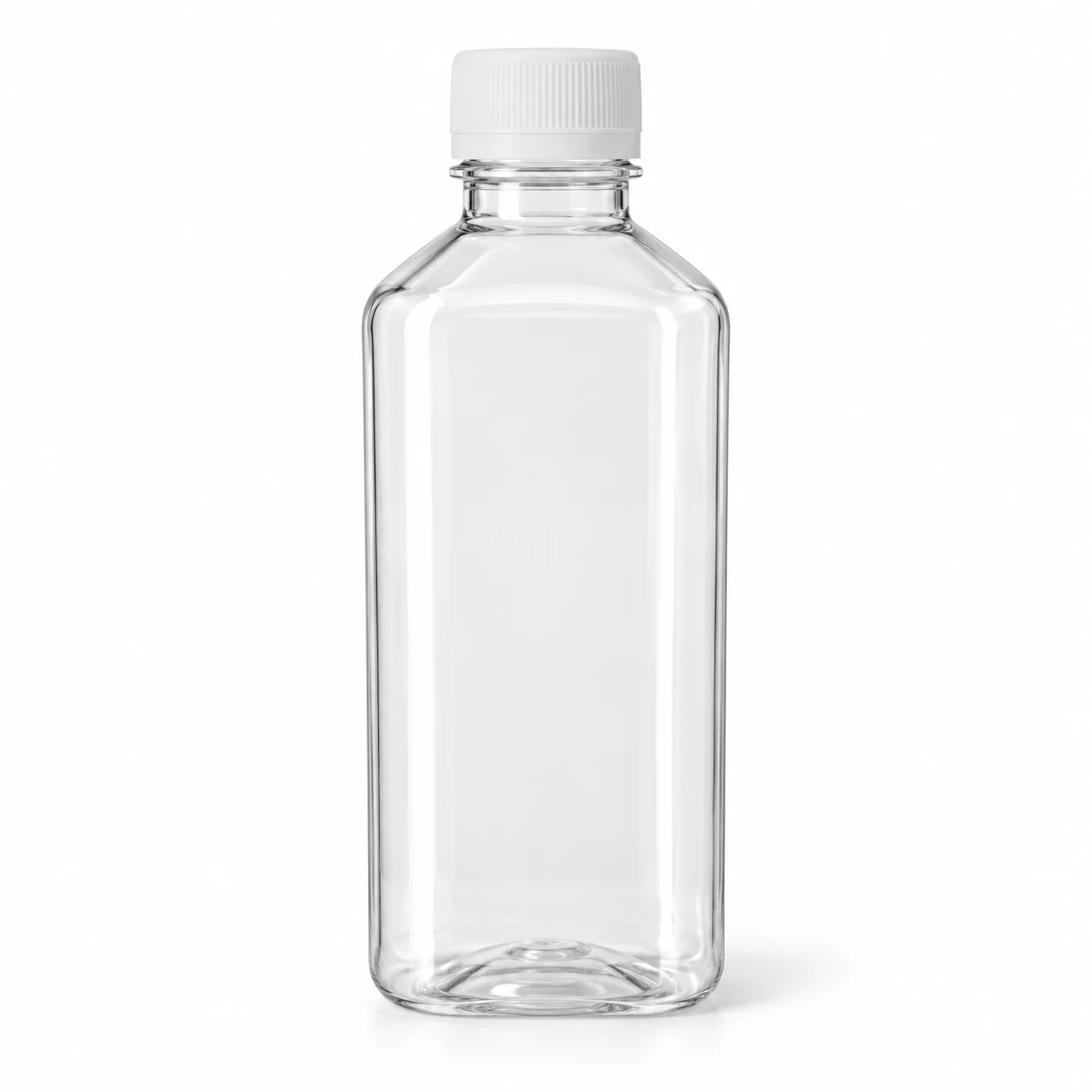
Custom pet bottle — made to order: volume, neck finish, colour and label area are all specified per run.
PET is the reason bottled drinks are not still sold in glass. It is optically clear with a high gloss, it is a fraction of the weight, it does not break when dropped, and it is collected and recycled in more places than any other plastic. For water, soft drinks, juice, edible oil and a great many household products, it is simply the default.
The neck finish is the specification that matters
Volume and shape get the attention; the neck finish decides whether the bottle works. It has to match your capping head and the closure you have sourced, and a mismatch is discovered on the line rather than on paper. Tell us the closure — or the capper — and we will specify the finish against it. Sports cap necks are available, as are round and square bodies, clear or tinted. Barrier is 3 of 5 on oxygen and moisture, which suits drinks turned over in months rather than years.
Ordering
Volume, neck finish, colour and label area are made to order. Label area matters more than it sounds: a bottle with pronounced curvature or ribbing limits what a wrap label can do, and it is cheaper to fix in the mould than on the labelling line. Temperature range is −20 to 60 °C. For a bottle that holds hot fill or aggressive contents, see the HDPE bottle; for labels, labels and self-adhesive.
What moves the price
The mould, then resin and weight. A bottle needs tooling, and tooling is the largest single line on a first order — after which the unit price is largely resin, and resin is priced against a commodity market that moves independently of anything else here. Wall thickness and therefore bottle weight is the lever most operations have: lightweighting a bottle by a few grams across a million units is real money, and it trades against top-load strength. Neck finish rarely changes the price; the closure does. Colour adds masterbatch.
Where it goes wrong
A neck finish that does not match the capping head, discovered on the line rather than on paper — send the cap or the capper with the enquiry. The second is lightweighting past the point where the bottle survives stacking, which shows up as crushed pallets rather than as a moulding fault. The third is a label area designed after the bottle: pronounced curvature or ribbing limits what a wrap label can do, and it is far cheaper to fix in the mould than on the labelling line.
Where custom pet bottle is used
Water, soft drinks, juice, edible oil, sauces and a great many household products — the default rigid container wherever clarity, weight and cost all matter and the contents are not aggressive. Where the formulation would attack it, the HDPE bottle is the chemically stable alternative; where the contents are hot filled, the PP bottle takes the temperature. Labels are a specification of their own on a curved surface: see labels and self-adhesive.
What to send us for a quotation
A quotation for custom pet bottle is written against a specification, so the more of this you can send, the closer the first number is to the real one: which structure, or the shelf life and the product so we can choose one — PET are available here; the temperature the pack has to survive, from filling through to how the customer opens it (−20 to 60 °C for this product); the line it runs on — this one is specified for injection moulding and Heat sealing; which options you want fitted: clear, Tinted and Round; the values for volume, Neck finish, Colour and Label area.
Send the fill weight and the quantity with it. Where you already buy something similar, a sample is worth more than a description — we measure what is actually there rather than quoting against how it was once written down.
Food-contact and export requirements are set out in FDA 21 CFR 175 and 177, which cover coatings and polymers in food contact; the declarations for this structure are issued with the order.