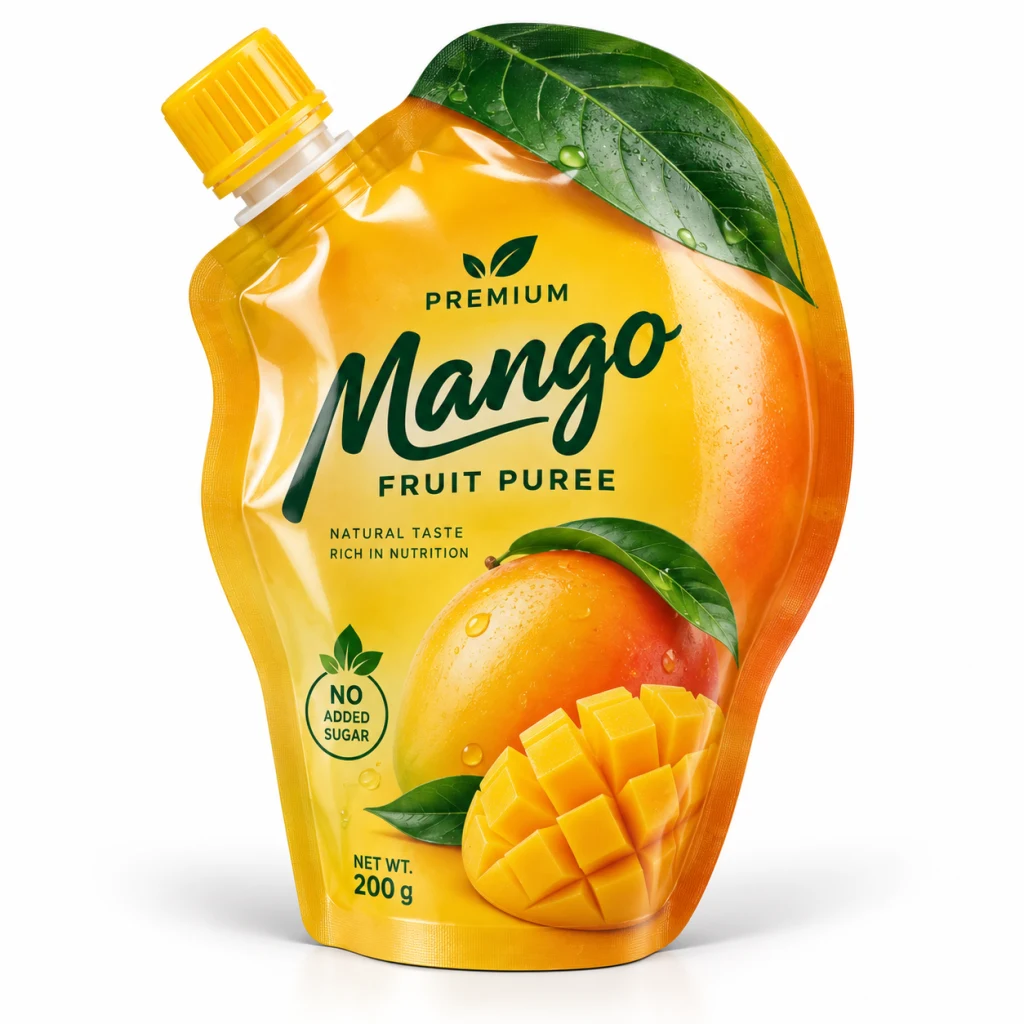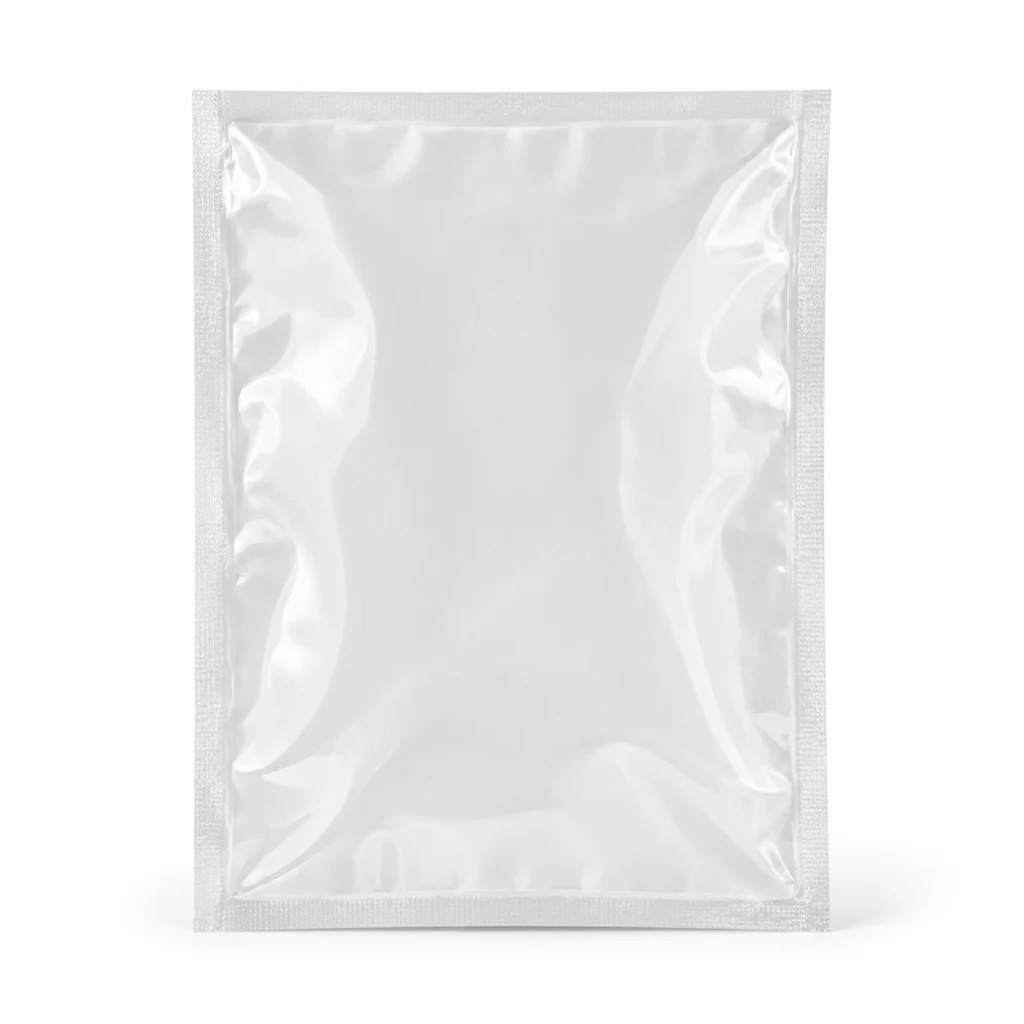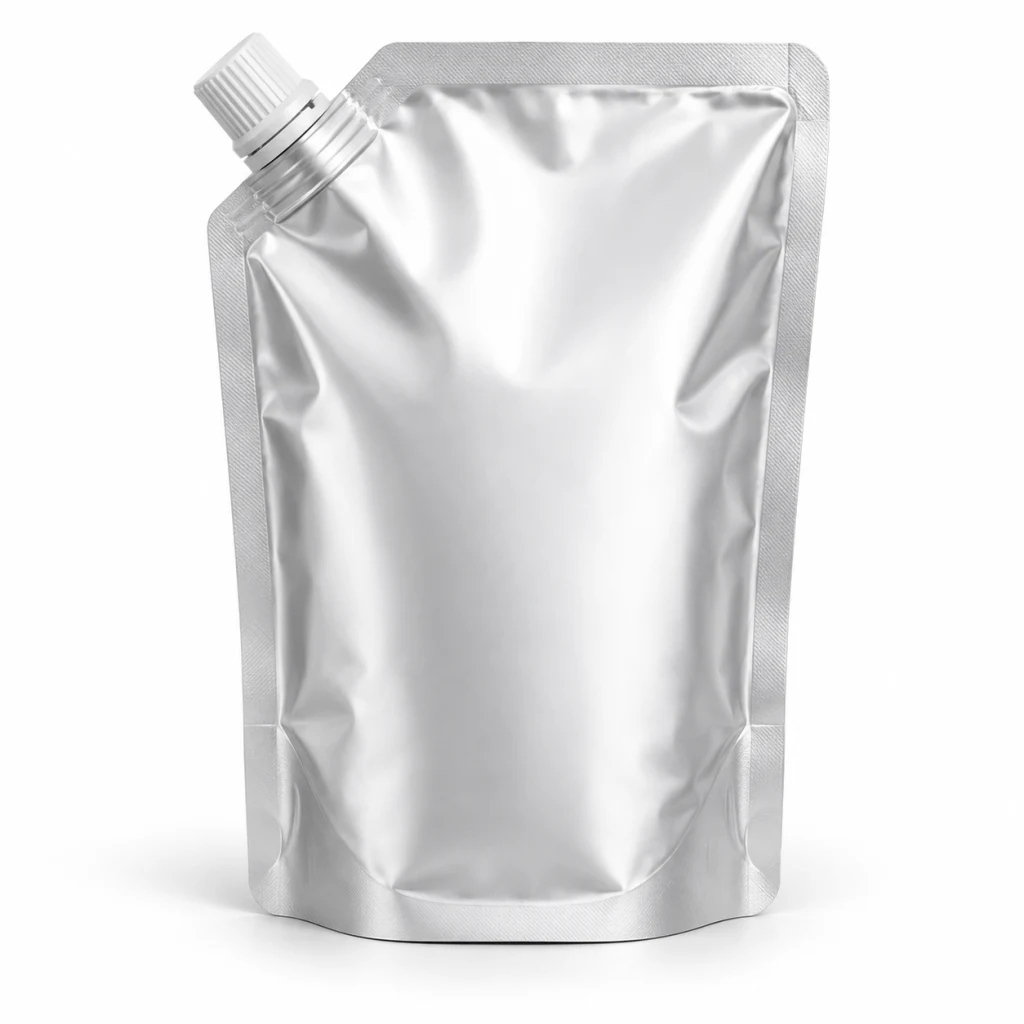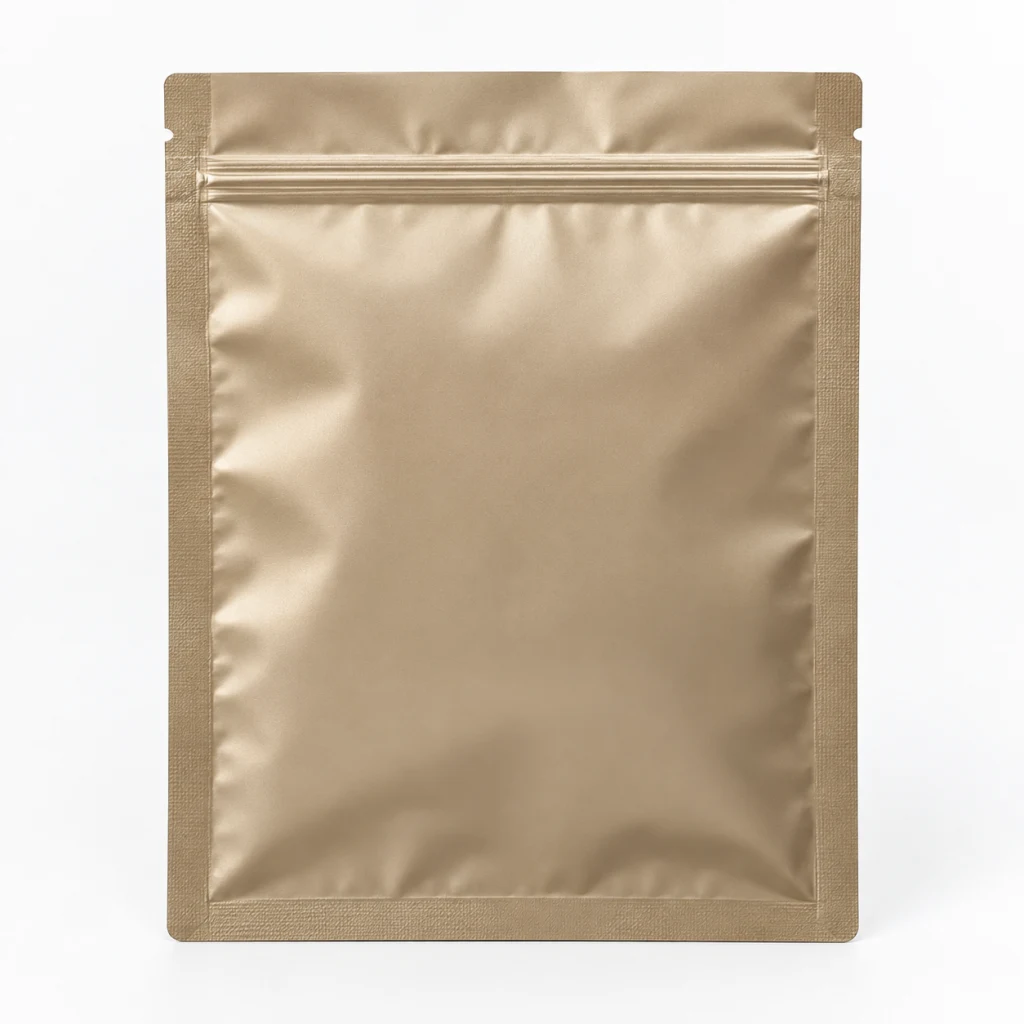
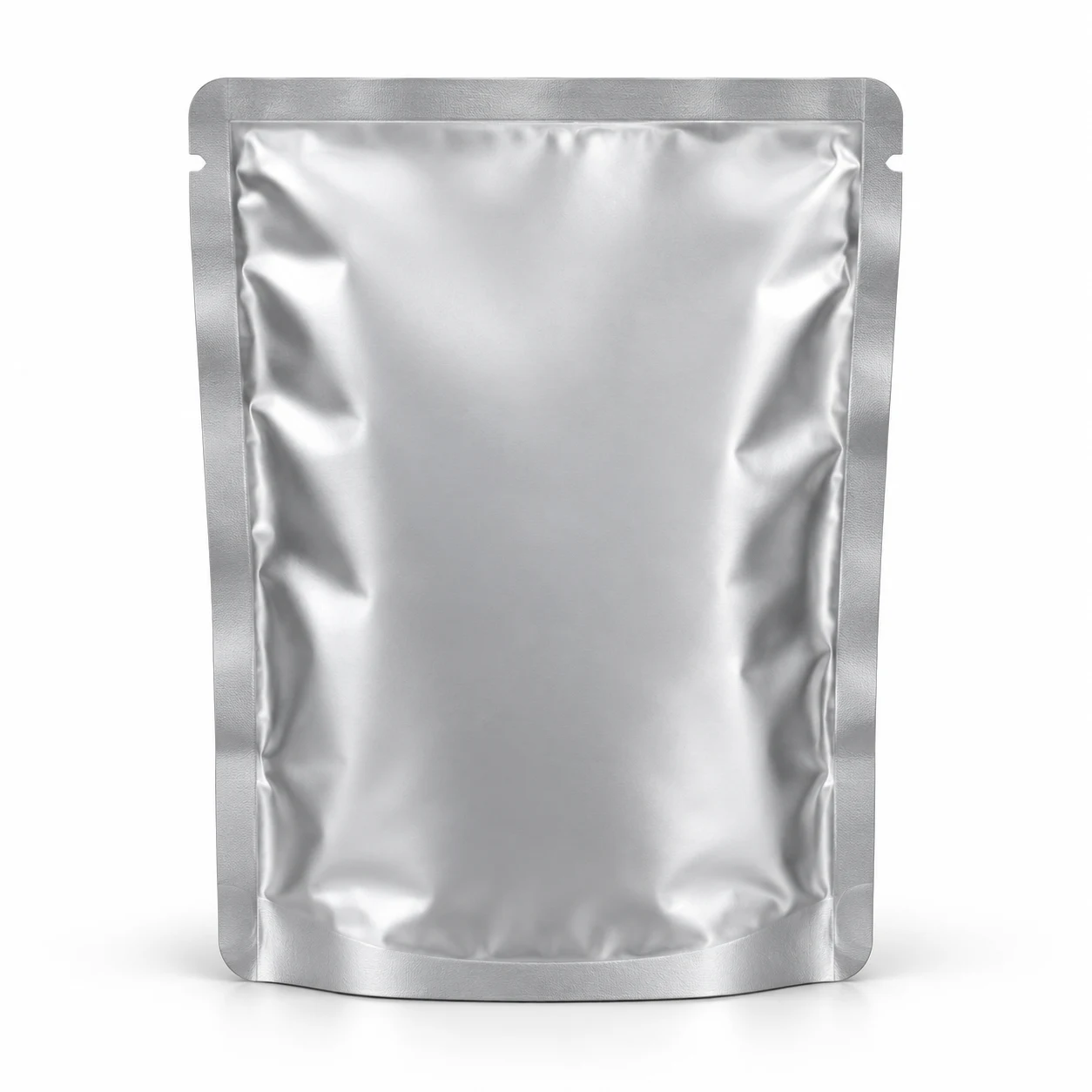
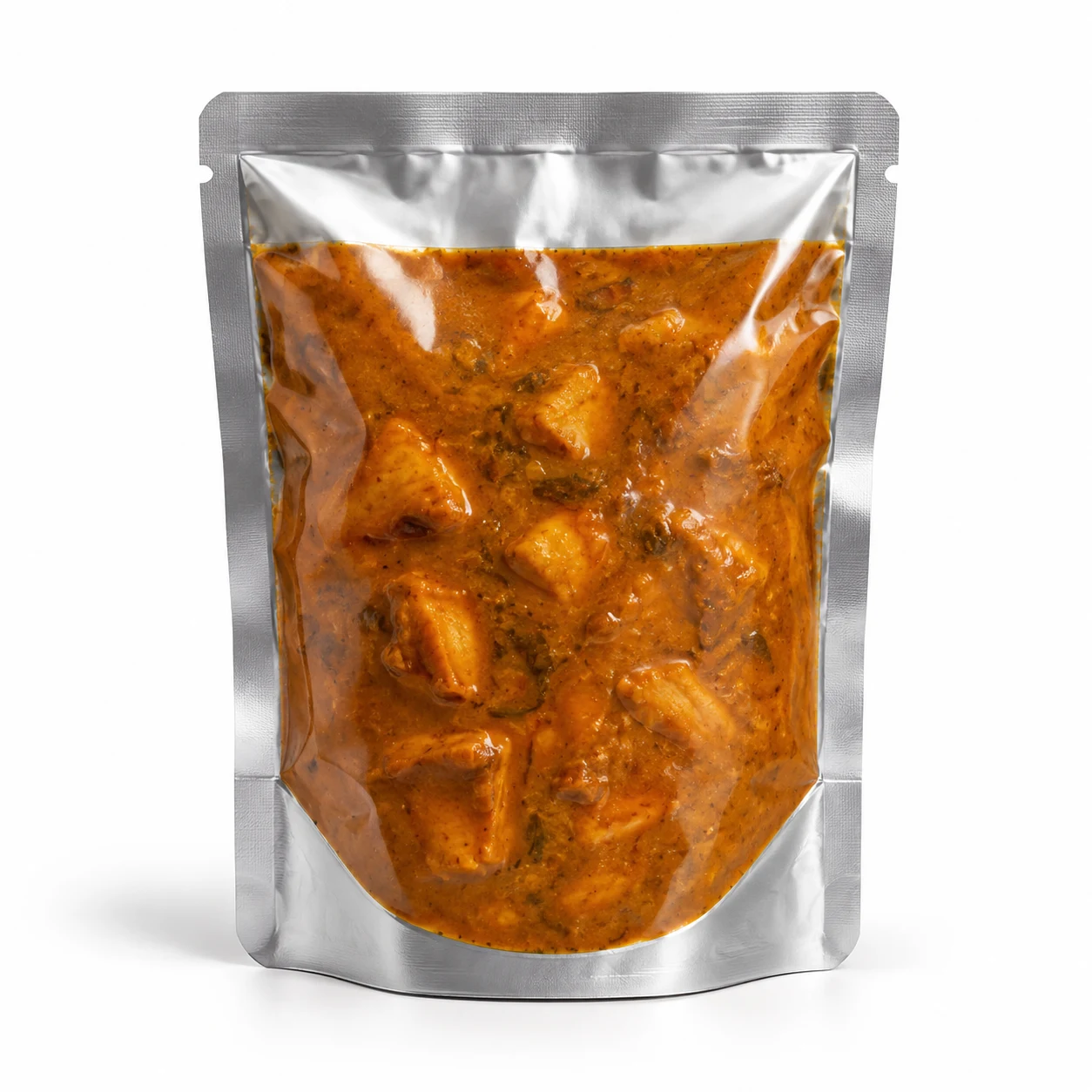
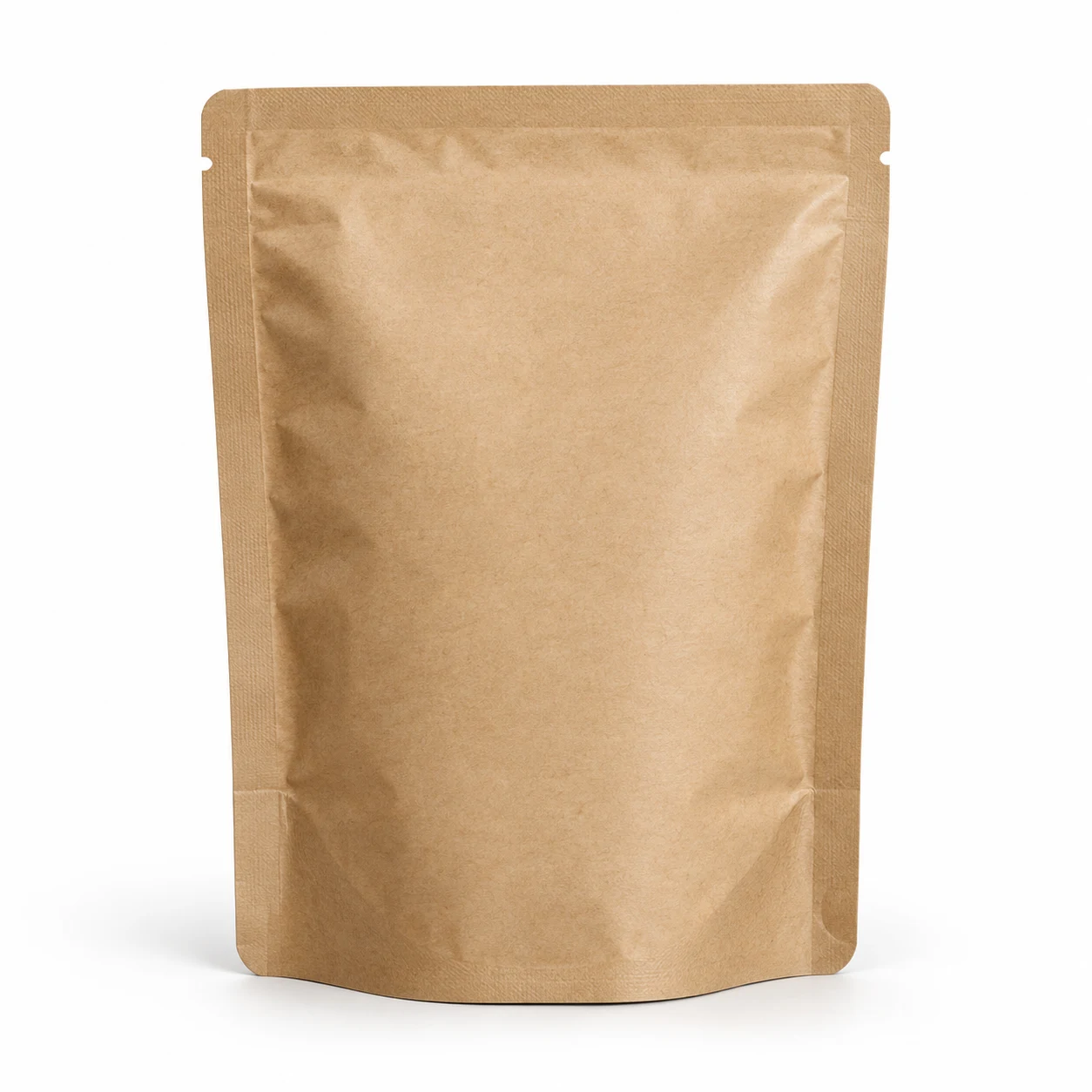
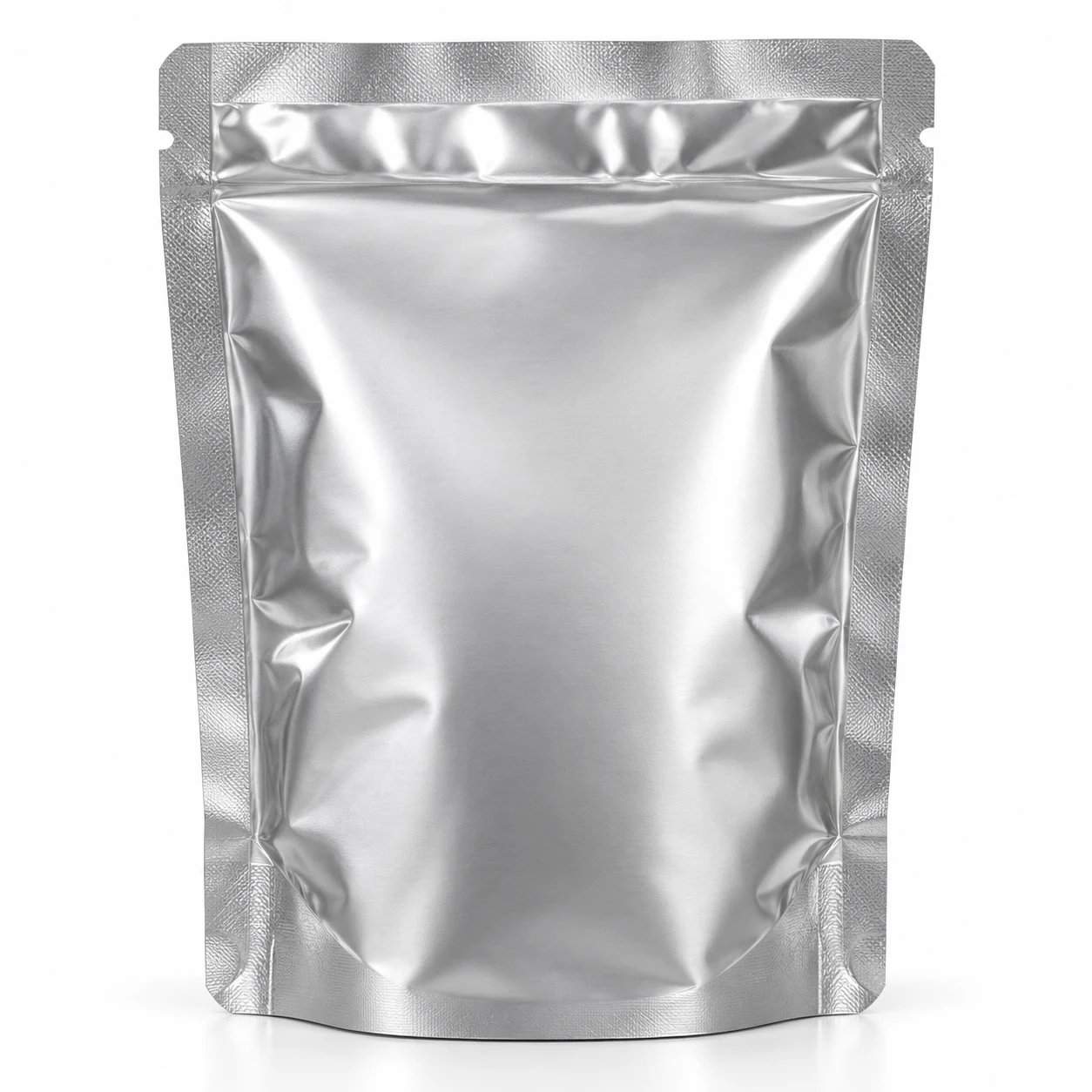
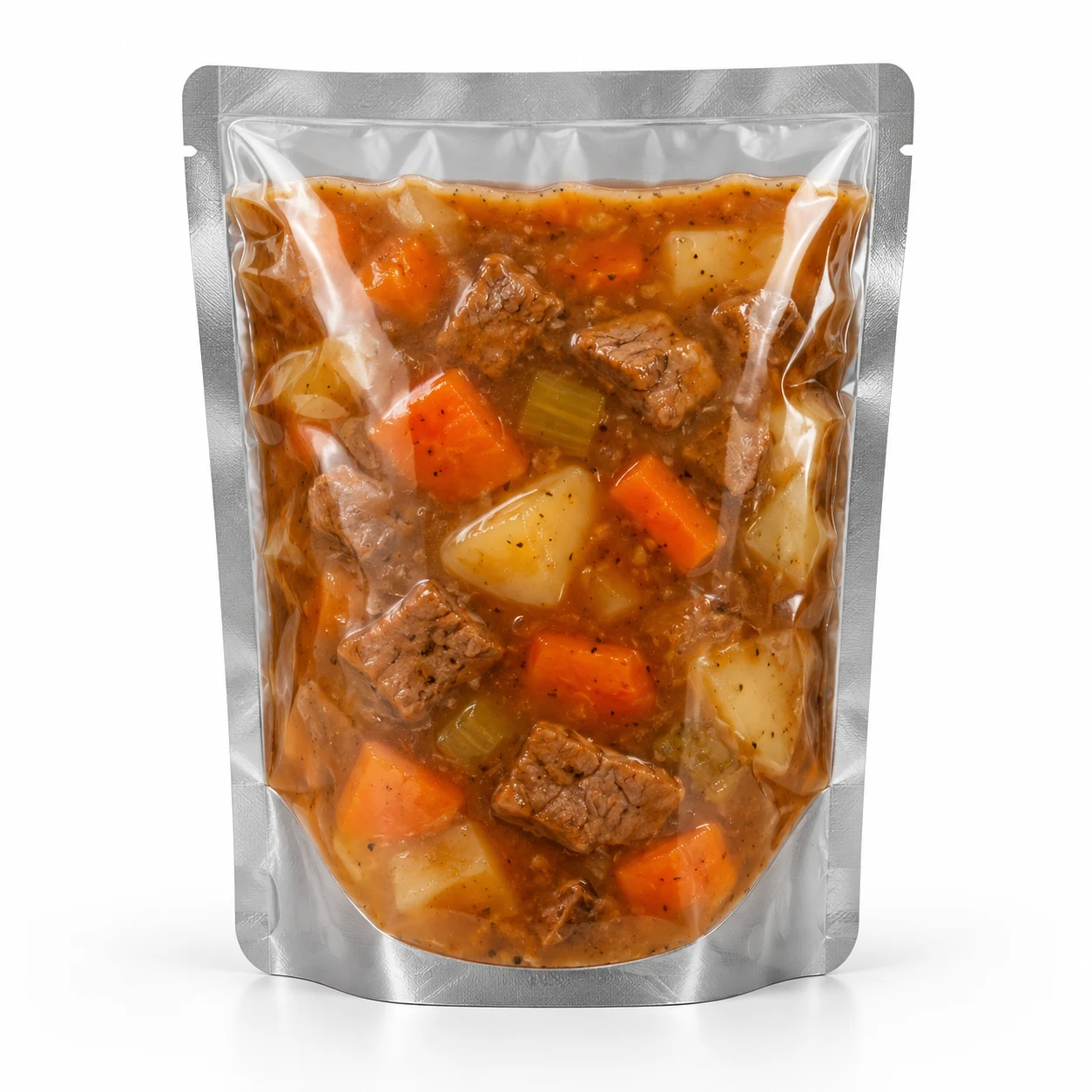
Custom retort pouch — made to order: size, thickness, structure and printing up to 10 colours are all specified per run.
A retort pouch is sealed with the food inside and then cooked — 121 °C under pressure, for long enough to sterilise the contents commercially. What comes out is a shelf-stable meal that needs no refrigeration and no can. Almost no other flexible format survives that process, and the ones that claim to usually fail at the seal.
What the structure has to survive
We build retort pouches on PET/NY/PE and PET/NY/AL/PE. The nylon layer is there for puncture resistance through the retort cycle and the transport that follows; the aluminium, where specified, takes oxygen barrier to 5 of 5 and gives the two-year ambient shelf life that makes the format worth the process cost. Seal integrity is the whole game: a pouch that passes a cold leak test can still fail at temperature, which is why structure, seal width and fill level are specified together rather than separately.
Formats and ordering
Available flat, stand-up, or with a spout for pourable contents, in matt or gloss, with printing up to ten colours. Size, thickness and structure are made to order. Typical fills are ready-to-eat meals, sauces and condiments, cooked meat and fish, and wet pet food. Retort processing is a filling-line question as much as a packaging one — see packaging machinery selection — and the documentation that travels with a sterilised food export is covered in export packaging compliance.
What moves the price
This is the most expensive flexible format we make and the reasons are structural. Four plies instead of two or three, an aluminium layer in most specifications, a retort-grade sealant, and a seal specification that is validated rather than assumed. Against that, it removes refrigeration from the whole distribution chain, which is usually where the money comes back. Quantity and print behave normally; the structure is where the cost lives, and the honest question is whether the shelf life you need actually requires the foil ply.
Where it goes wrong
Seals, almost always. A pouch that passes a cold burst test can fail at temperature, because inside the vessel the pack is pressurised from outside while the contents expand from within. Overfilling is the commonest cause and it happens on the line rather than at the converter. The second is qualifying at one temperature and running at another: a structure cleared for 121 °C is not cleared for 135 °C, and the difference is in the adhesive and the sealant rather than anywhere visible. The third is assuming the pack is microwaveable; a standard retort pouch is not, and a self-venting version is a separate specification.
Where custom retort pouch is used
Ready meals, sauces, cooked meat and fish, and wet pet food — products sold shelf stable without refrigeration. It competes with the can on weight, shelf space and reheating time, and with chilled and frozen formats on distribution cost; the ready meal page compares the three routes properly. Before ordering, read retort pouch specifications: the difference between a 121 °C and a 135 °C qualification, and why seal width and fill level belong in the specification rather than on the line.
What to send us for a quotation
A quotation for custom retort pouch is written against a specification, so the more of this you can send, the closer the first number is to the real one: which structure, or the shelf life and the product so we can choose one — PET/NY/PE and PET/NY/AL/PE are available here; the temperature the pack has to survive, from filling through to how the customer opens it (retort at 121 °C, and ambient storage for this product); the line it runs on — this one is specified for retort processing and Pre-made pouch filling; which options you want fitted: flat, Stand-up and With spout; the values for size, Thickness, Structure and Printing up to 10 colours.
Send the fill weight and the quantity with it. Where you already buy something similar, a sample is worth more than a description — we measure what is actually there rather than quoting against how it was once written down.
Food-contact and export requirements are set out in FDA 21 CFR 177, the US rule for food-contact polymers; the declarations for this structure are issued with the order.