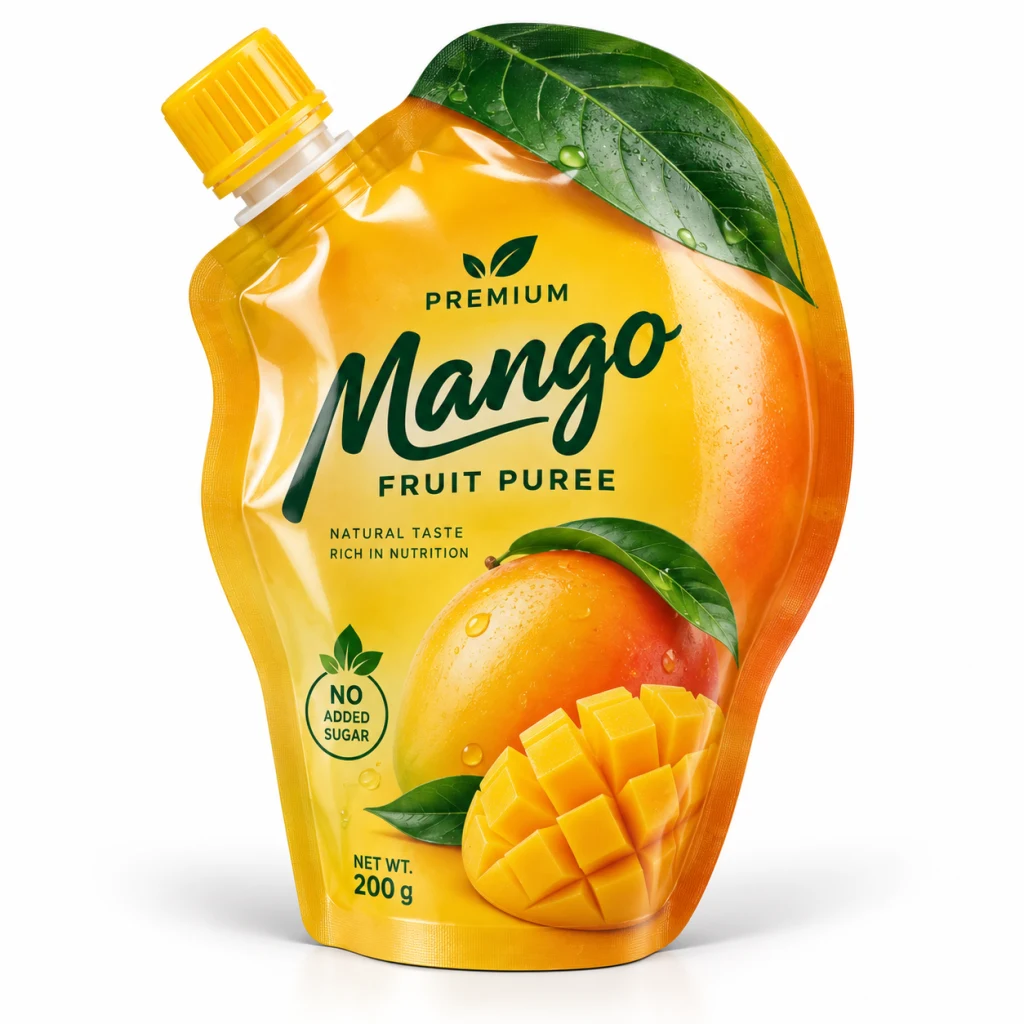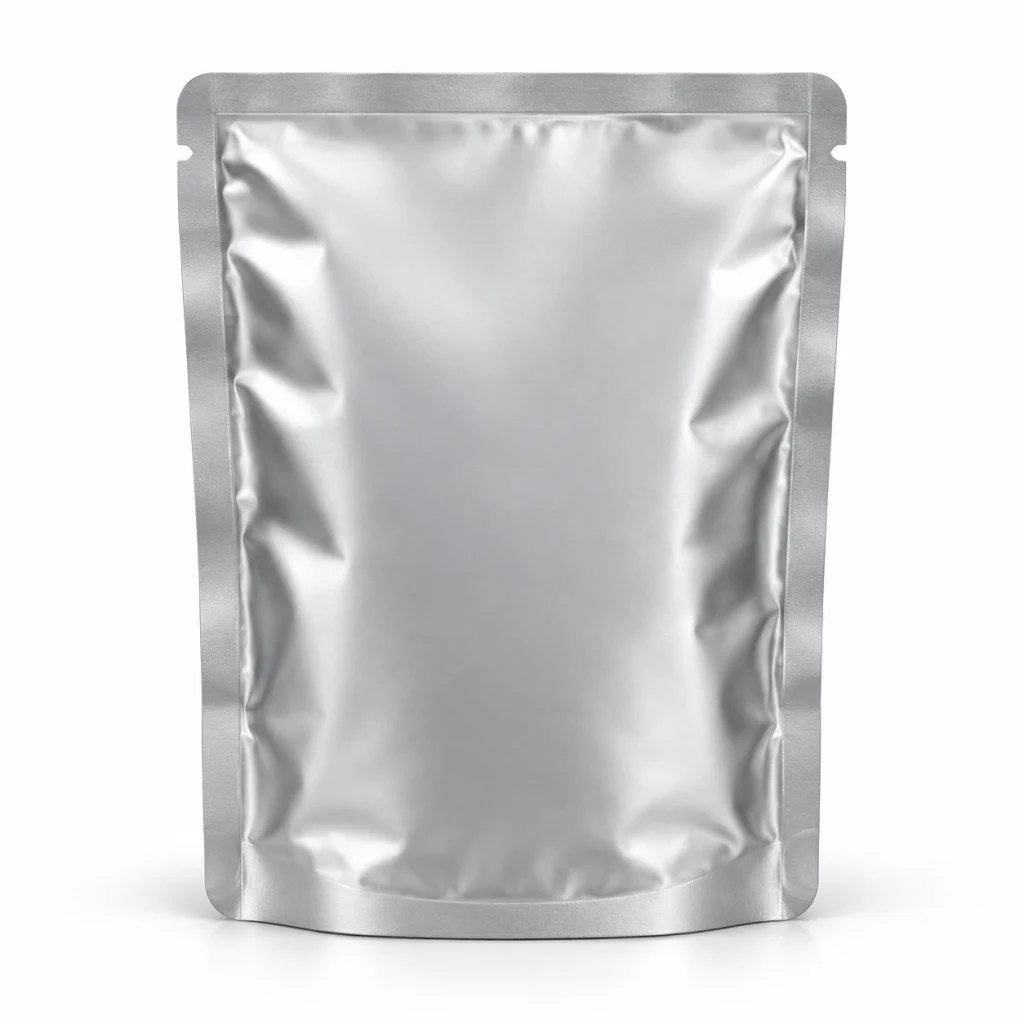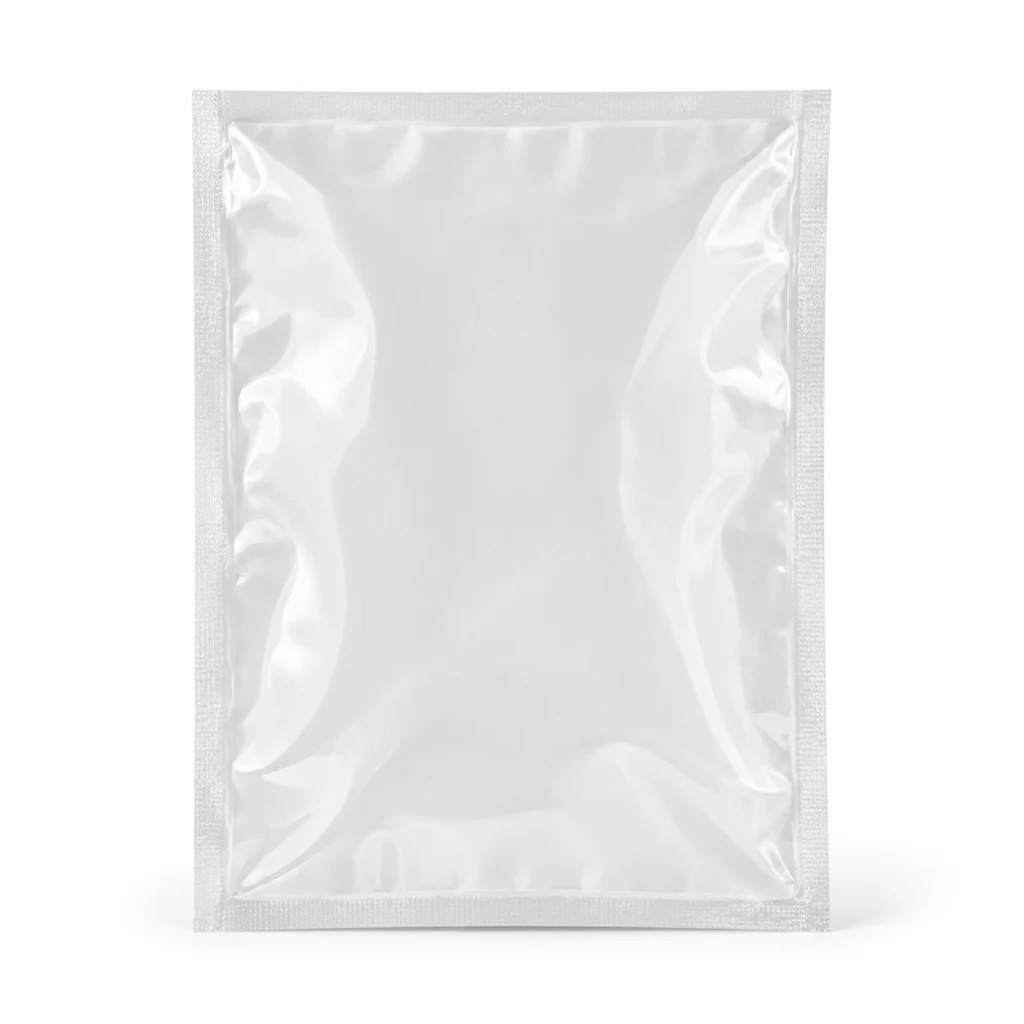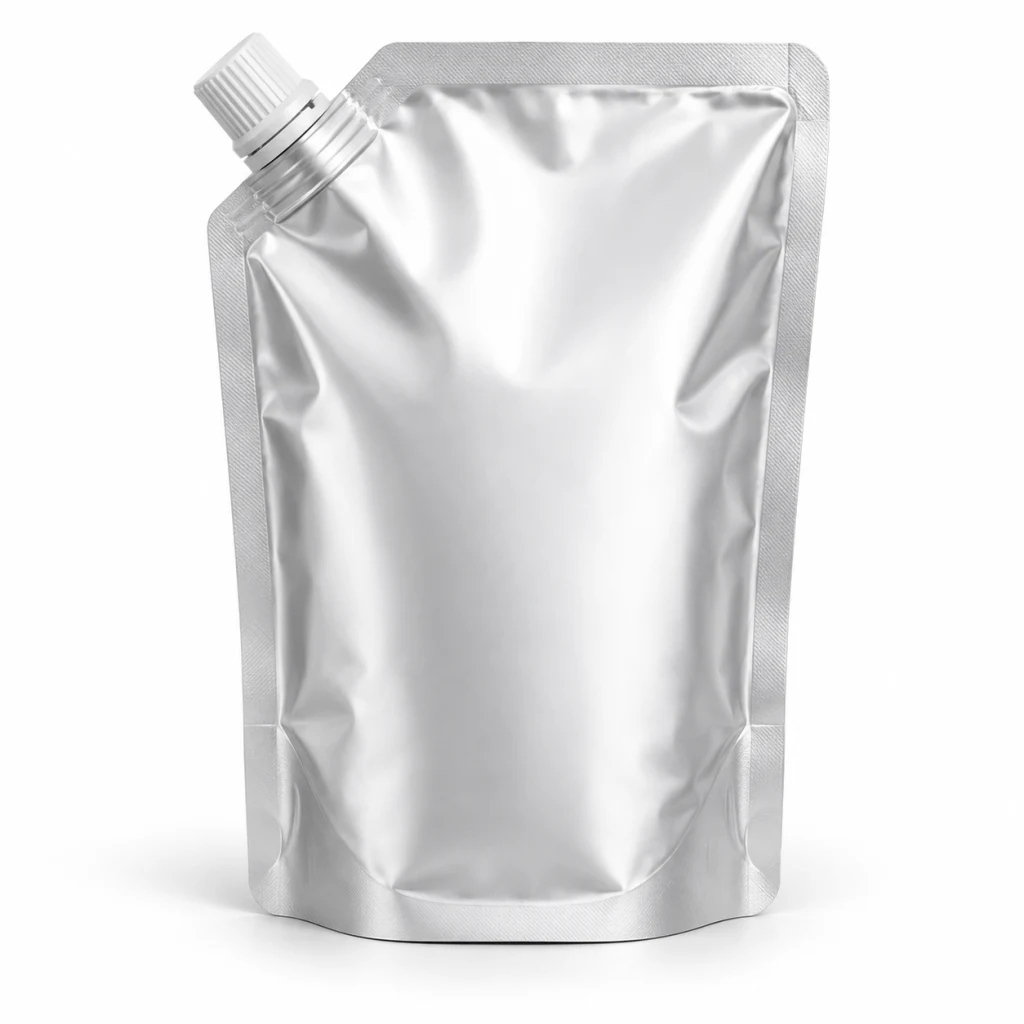
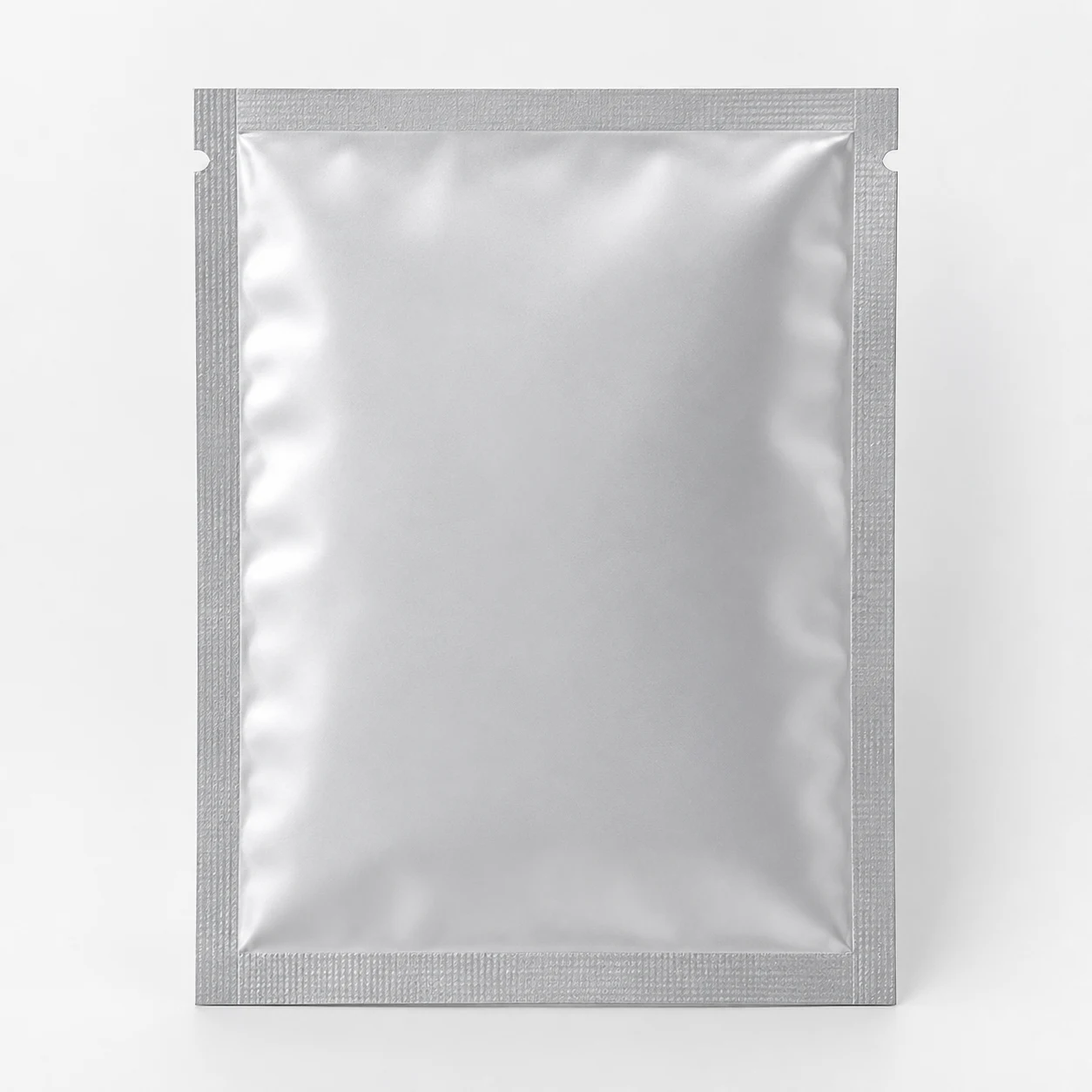
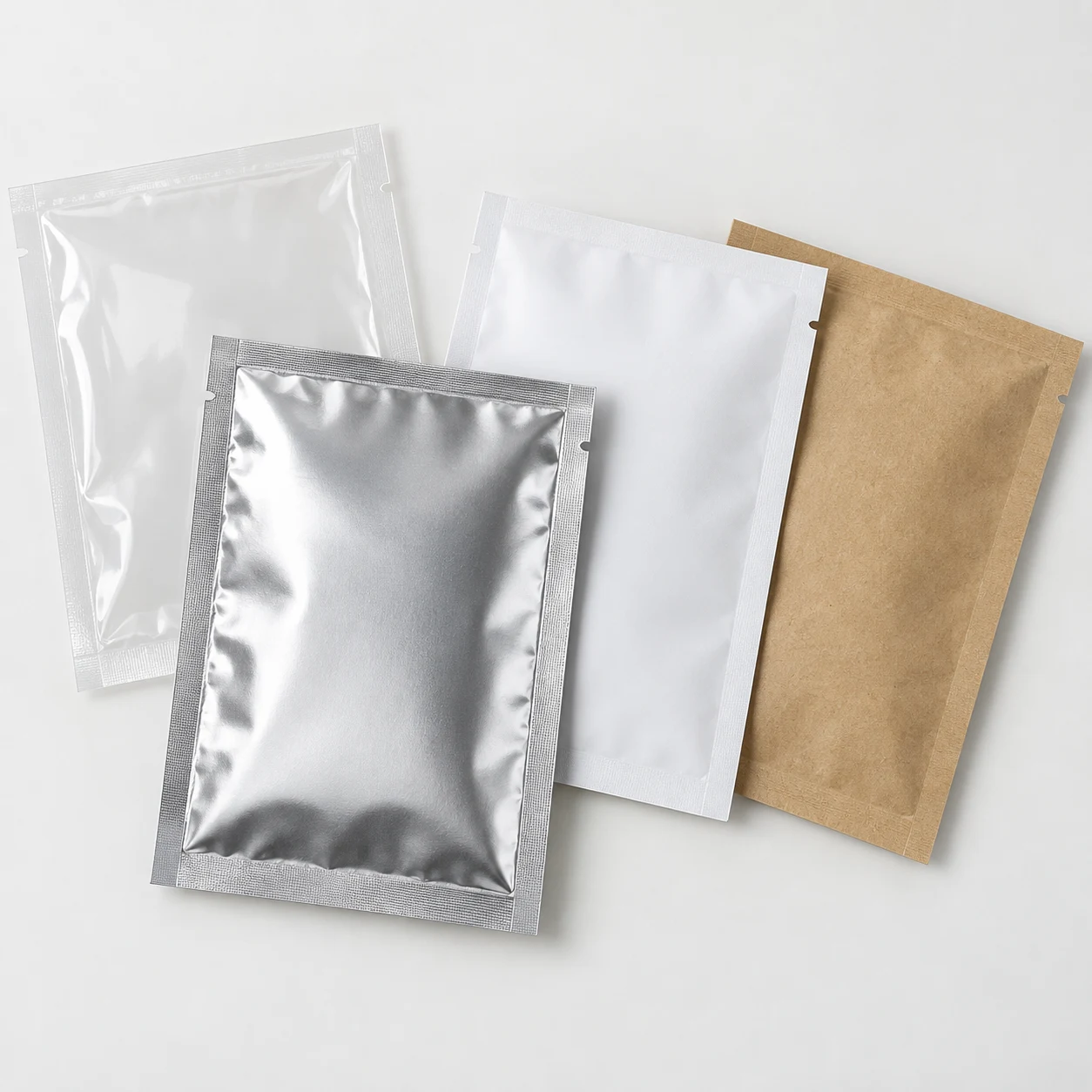
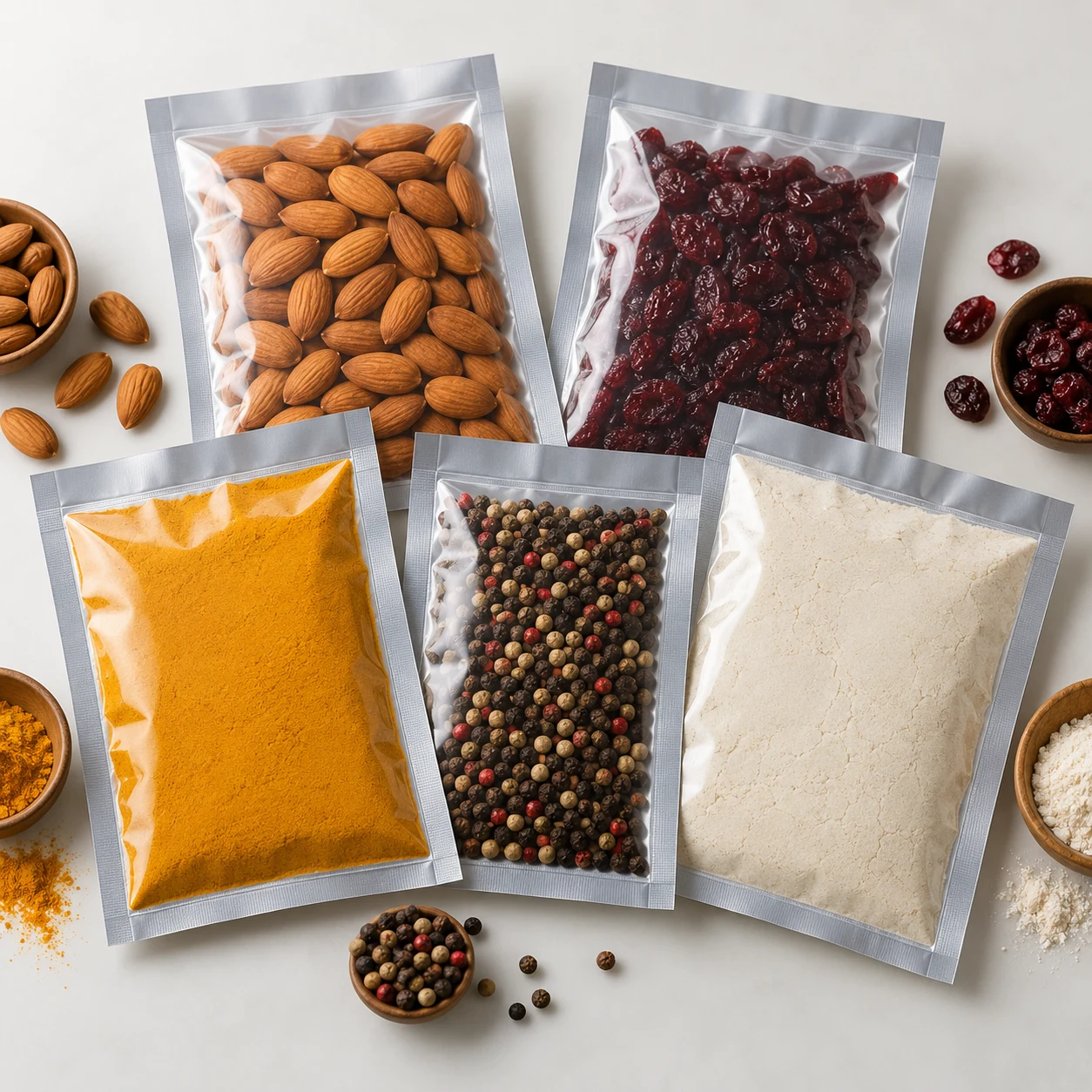

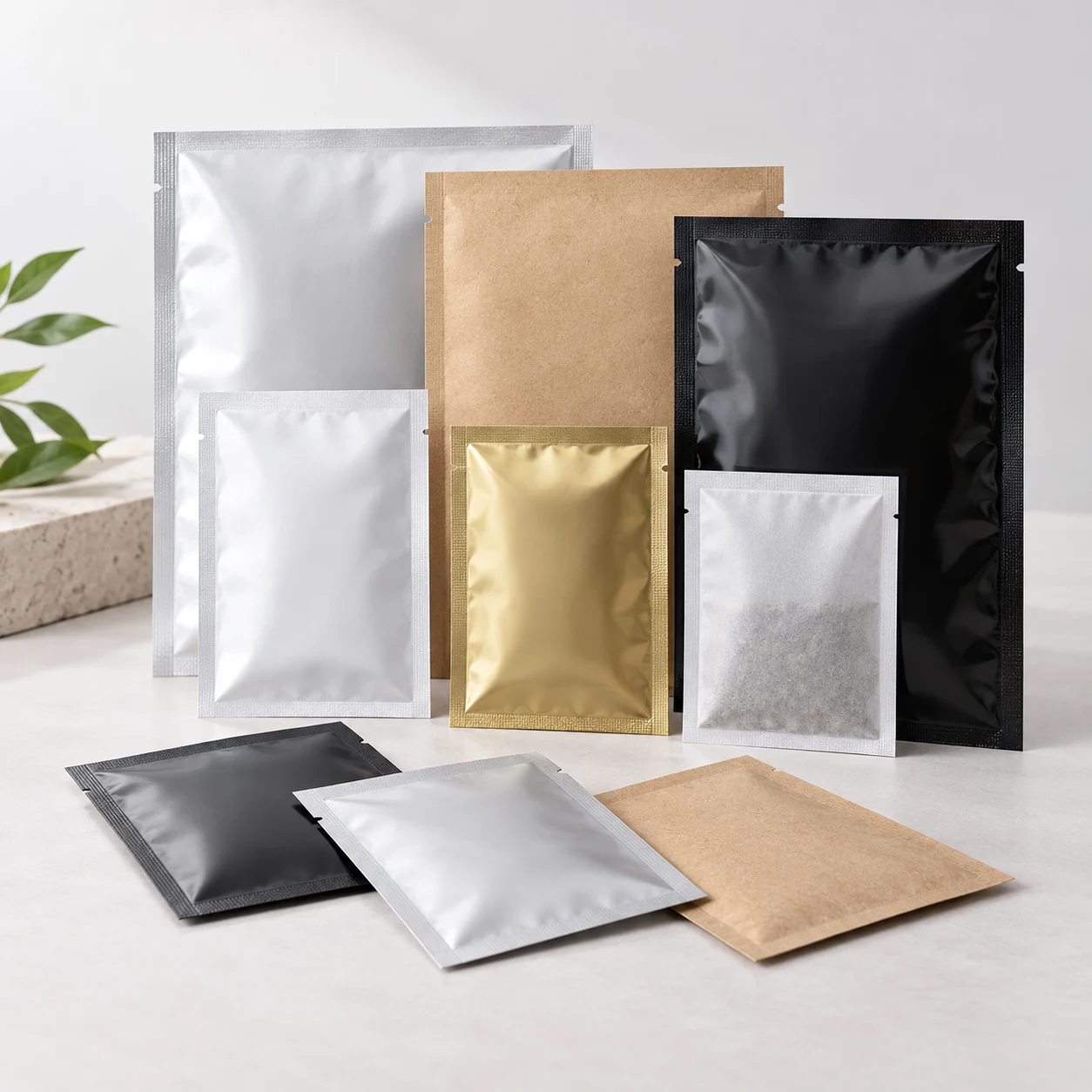
Custom three side seal pouch — made to order: pouch shape, size, thickness and printing up to 10 colours are all specified per run.
The three-side-seal pouch is the simplest thing a converter can make from laminate: a flat sheet folded once and sealed on the three open edges. That simplicity is the point. There is no gusset to form and no closure to fit, so the tooling is minimal and the unit cost is the lowest of any printed pouch we supply — which is why it is the usual answer for medium volumes, sample packs and single-portion runs.
What it does well, and what it does not
Because the face is flat and uninterrupted, it prints edge to edge better than a gusseted pouch, and it stacks flat in a carton. The trade-off is barrier: at 2 of 5 for oxygen it is not a coffee bag, and it will not hold aroma for months. We offer it in PET/PE, BOPP/PE and PLA/PBAT — high clarity if you want the product visible, biodegradable if the brand needs that claim. For dried fruit, tea, biscuits, confectionery and puffed snacks that turn over quickly, the barrier is sufficient and the saving is real.
Specifying one
Pouch shape, size, thickness and printing up to ten colours are all made to order; the pouch runs on standard pre-made pouch filling and heat-sealing equipment. If the product is oxygen-sensitive, look at the four side seal pouch, which takes an aluminium layer, or the stand-up pouch for shelf presence. All structures are available to FDA and GB food-grade specification — see quality and compliance.
What moves the price
Less than with any other pouch here, which is the point of the format. There is no gusset to form and no closure to fit, so tooling is minimal and most of the cost is film and print. That leaves the print method as the dominant lever: digital for short runs and variants, gravure once the volume justifies cylinders. Pouch dimensions matter more than they look, because a pouch that tiles efficiently across the web wastes less film per unit than one leaving a strip unused — a few millimetres either way sometimes moves the price more than a change of structure.
Where it goes wrong
Specifying it for a product that needs a barrier it does not have. At 2 of 5 for oxygen this is a format for goods that turn over in weeks, and the failure is not dramatic — the product simply tastes flat or goes soft near the end of its stated shelf life, which reads as a quality problem rather than a packaging one. The other mistake is assuming it will stand on a shelf. It will not; it lies flat or hangs, and a brand that planned a shelf display around it discovers that after the order.
Where custom three side seal pouch is used
Sample packs, single portions, sachets and short promotional runs — anywhere the pack has to be printed and cheap and the product turns over quickly. It is also the format most often used to launch before committing to tooling for something more elaborate. If the product needs a barrier this structure cannot give, the four side seal pouch takes an aluminium ply for a modest increase. For short runs, ask for the digital printing price: there are no cylinders to pay for, which is usually what makes a small first order viable — minimum order quantities explains what actually sets the number.
What to send us for a quotation
A quotation for custom three side seal pouch is written against a specification, so the more of this you can send, the closer the first number is to the real one: which structure, or the shelf life and the product so we can choose one — PET/PE, BOPP/PE and PLA/PBAT are available here; the temperature the pack has to survive, from filling through to how the customer opens it (ambient for this product); the line it runs on — this one is specified for pre-made pouch filling and Heat sealing; which options you want fitted: pET/PE, BOPP/PE and PLA/PBAT; the values for pouch shape, Size, Thickness and Printing up to 10 colours.
Send the fill weight and the quantity with it. Where you already buy something similar, a sample is worth more than a description — we measure what is actually there rather than quoting against how it was once written down.
Food-contact and export requirements are set out in FDA 21 CFR 177, the US rule for food-contact polymers; the declarations for this structure are issued with the order.