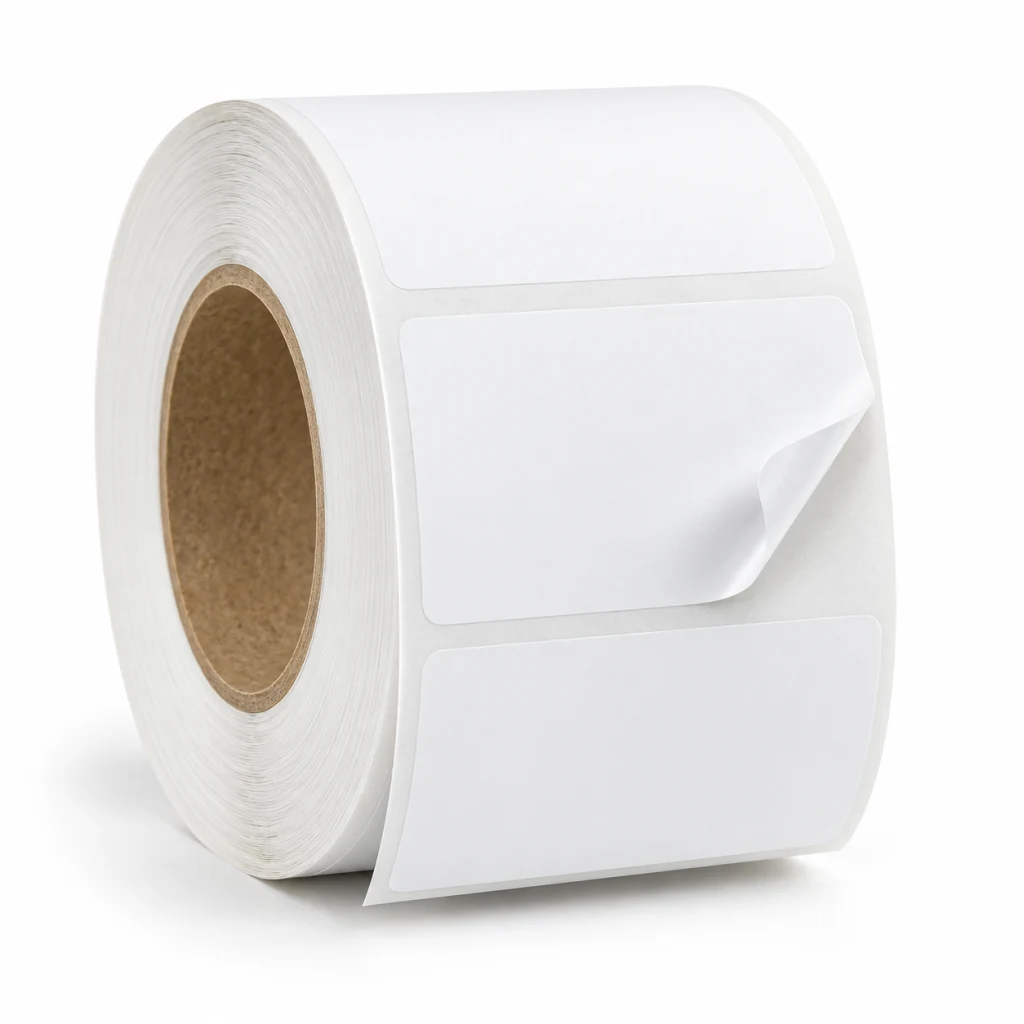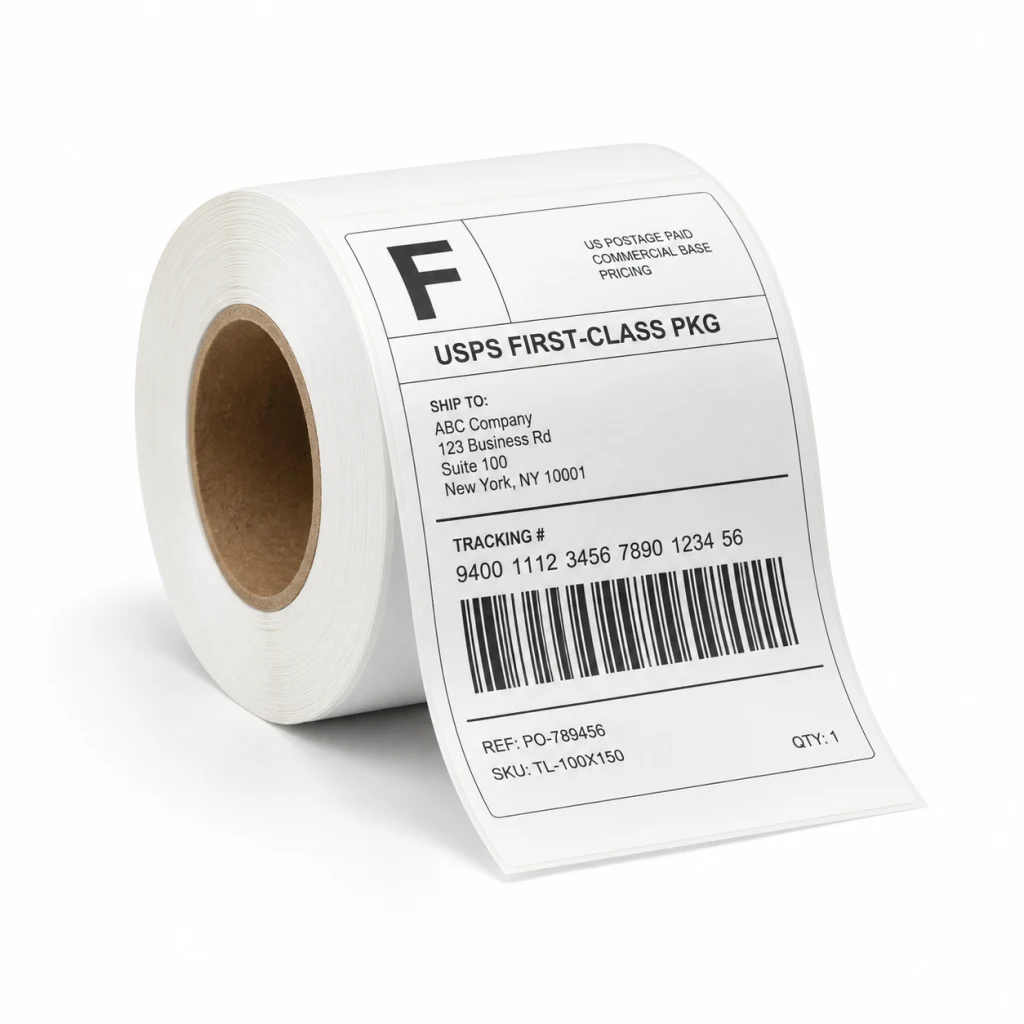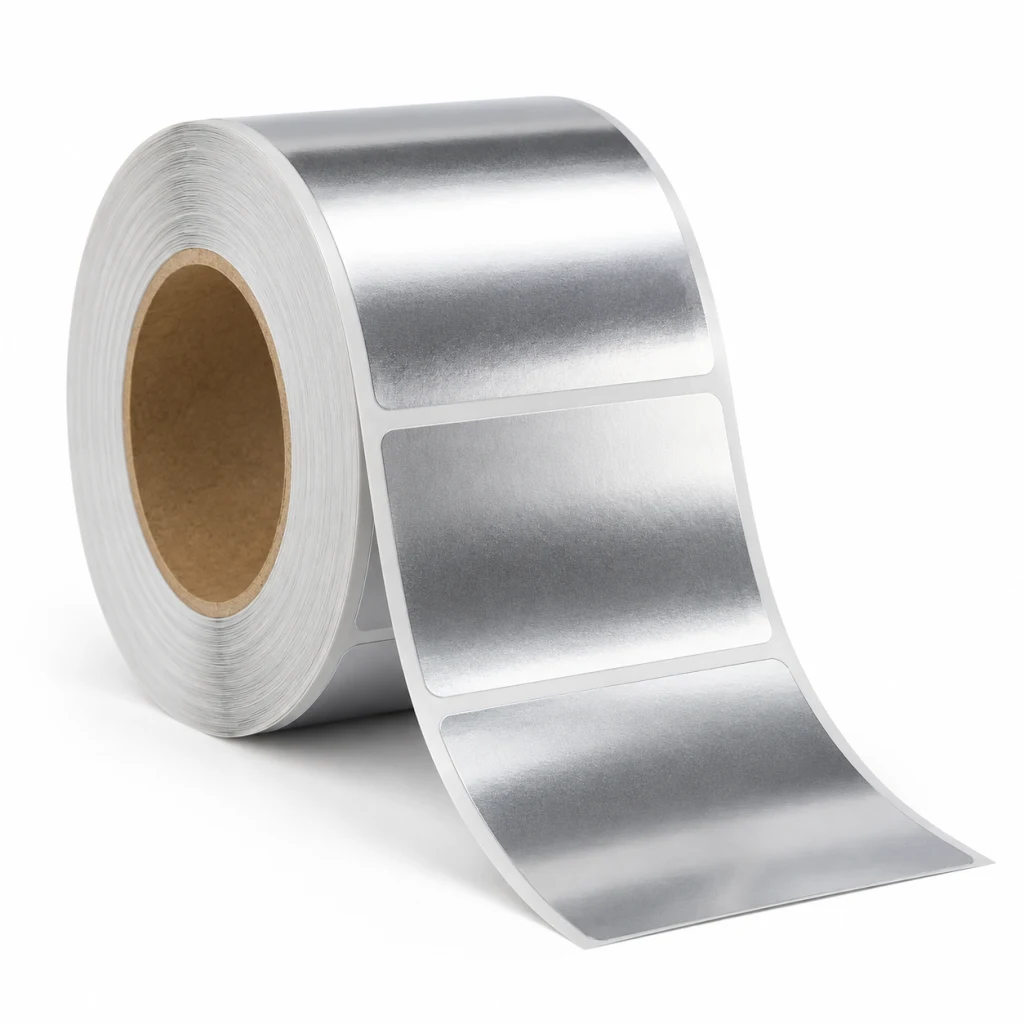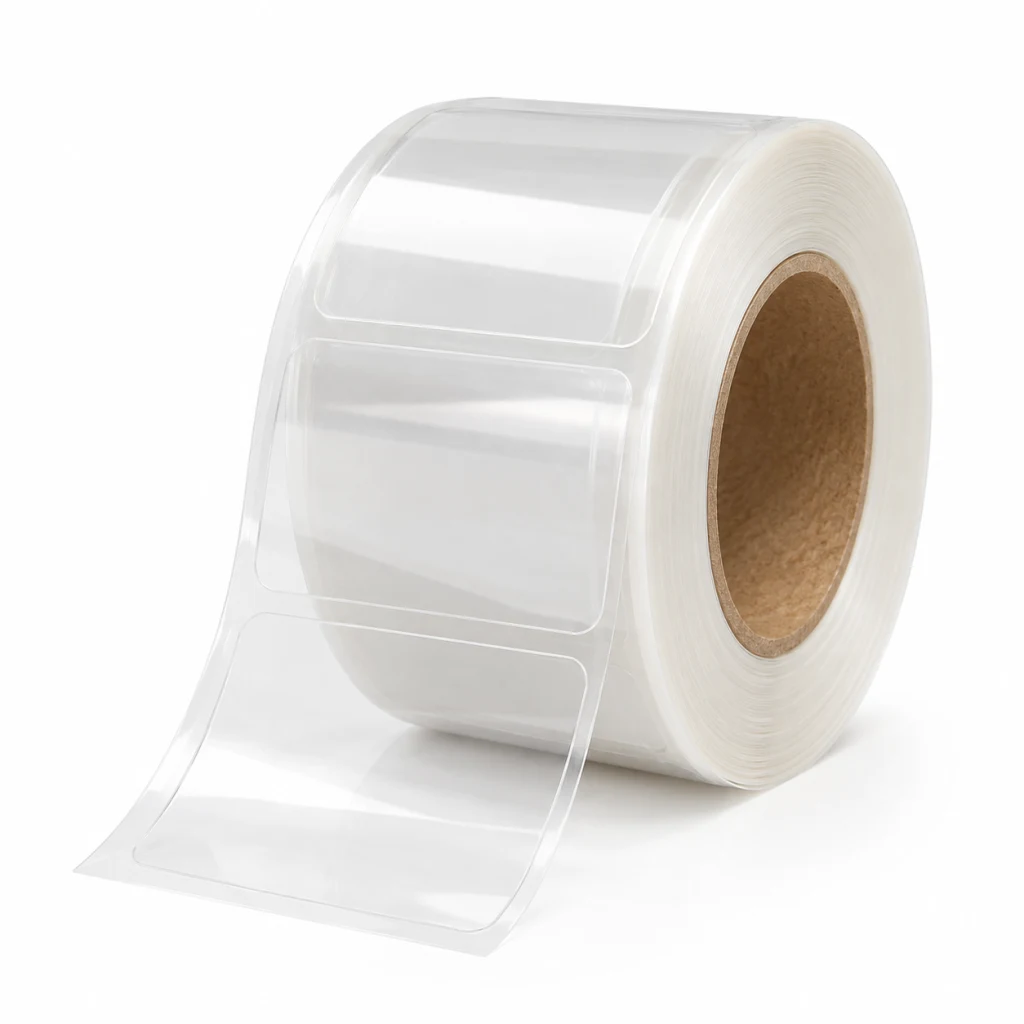
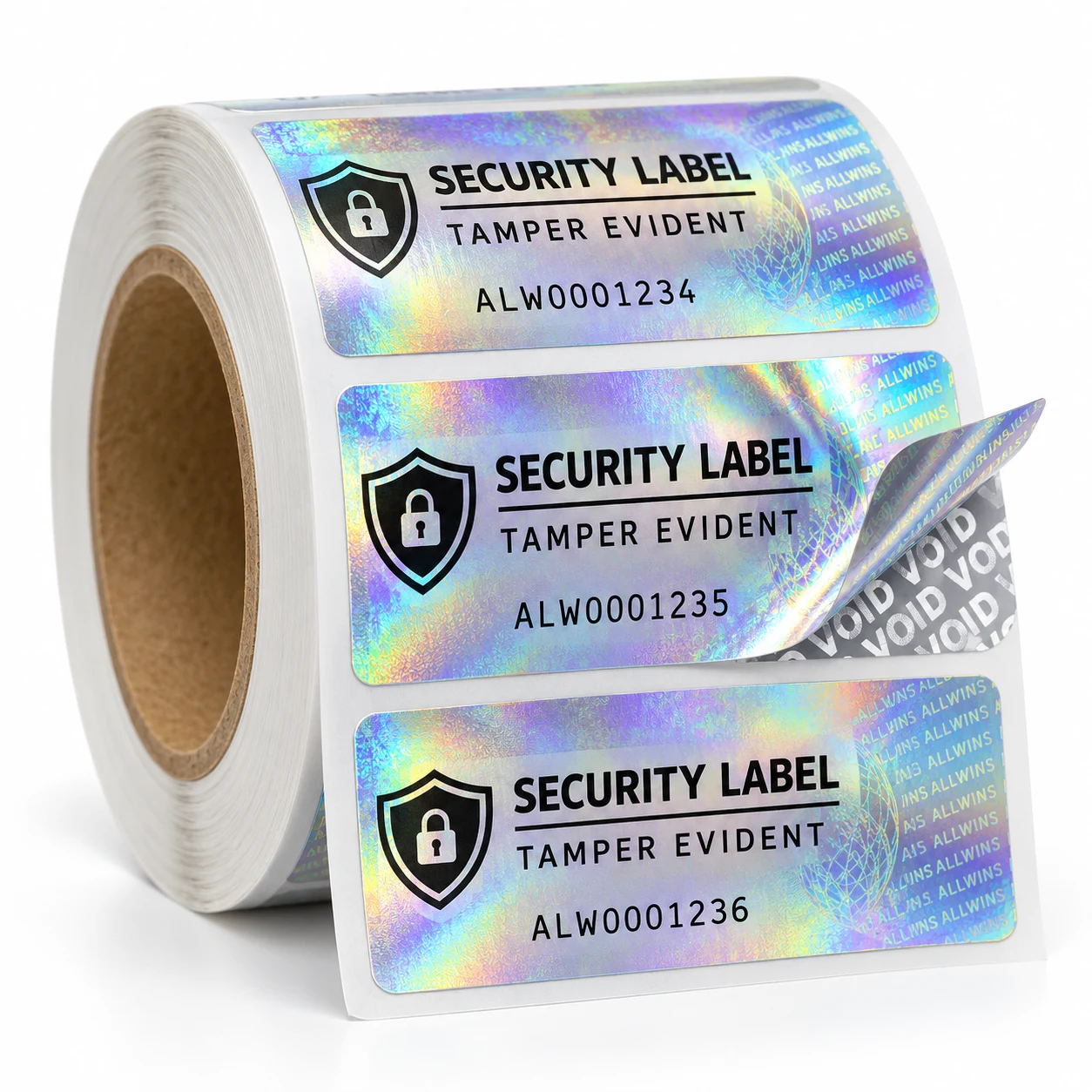
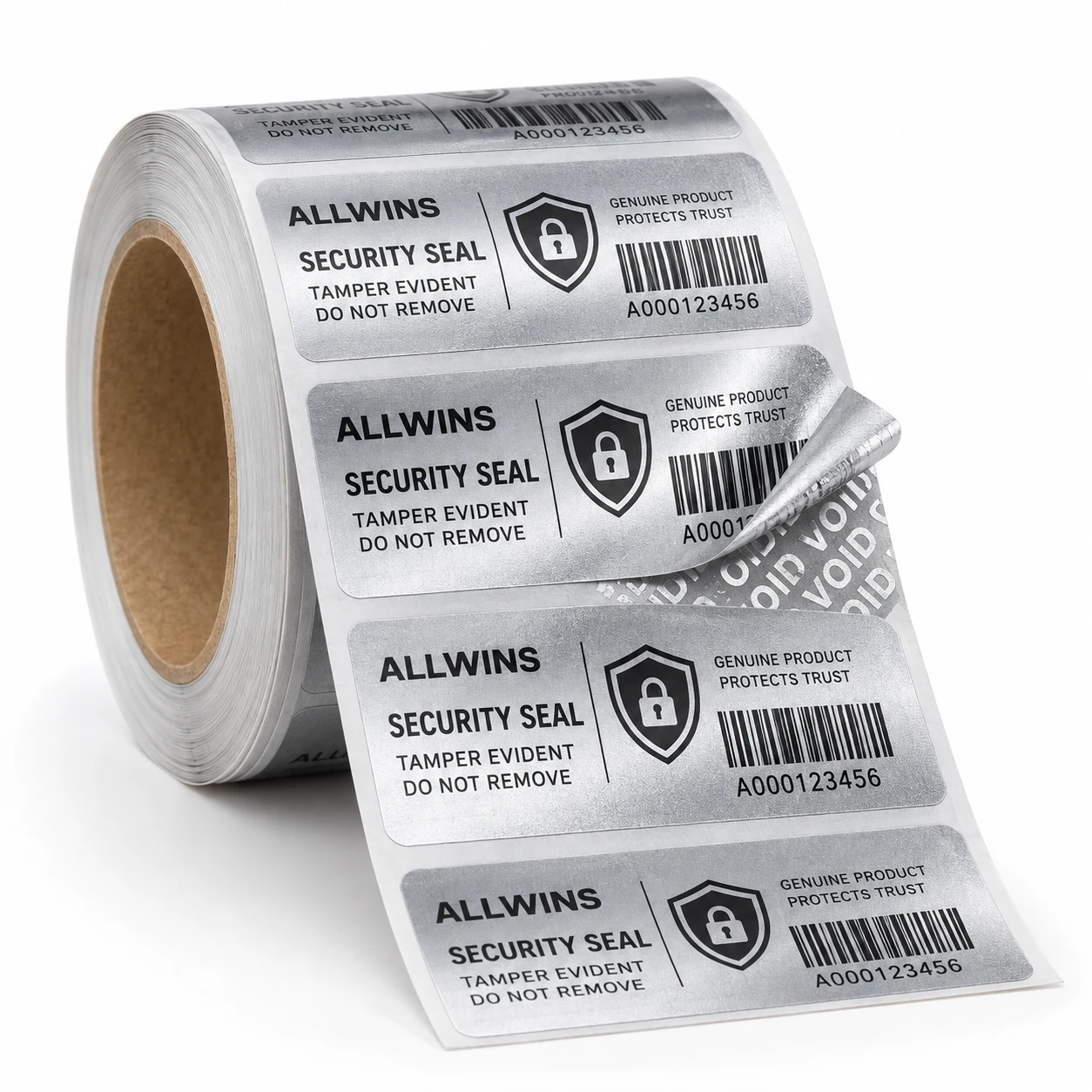
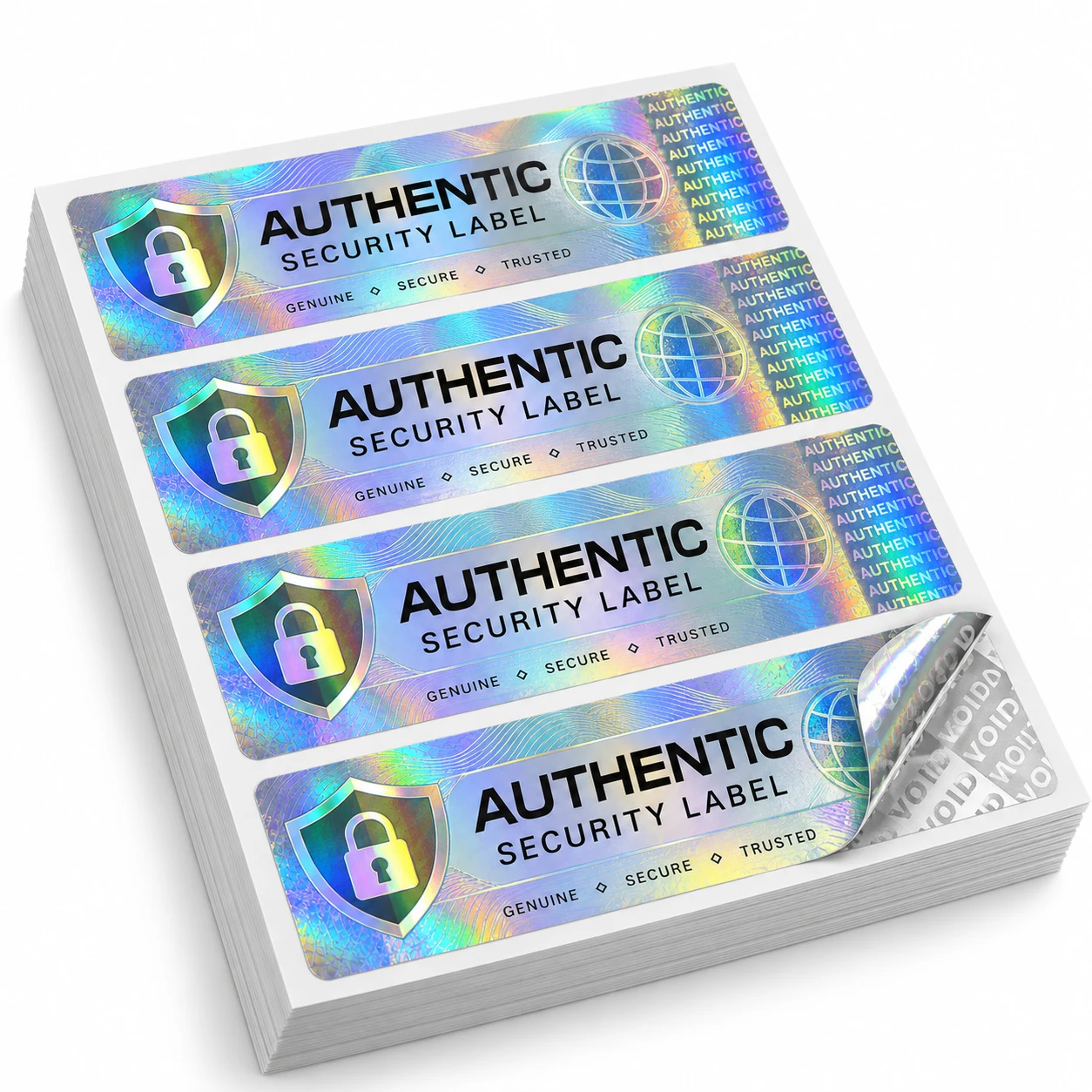
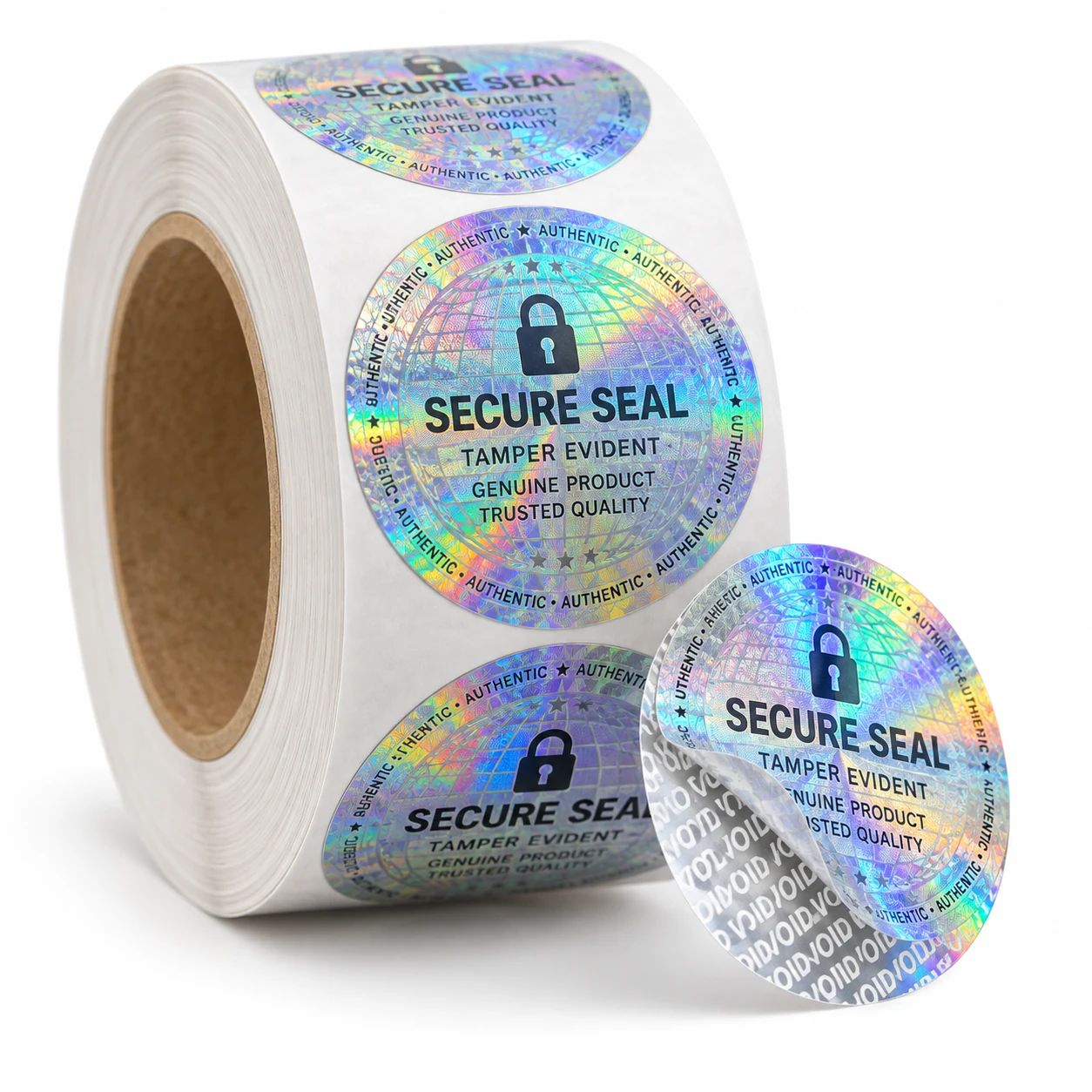
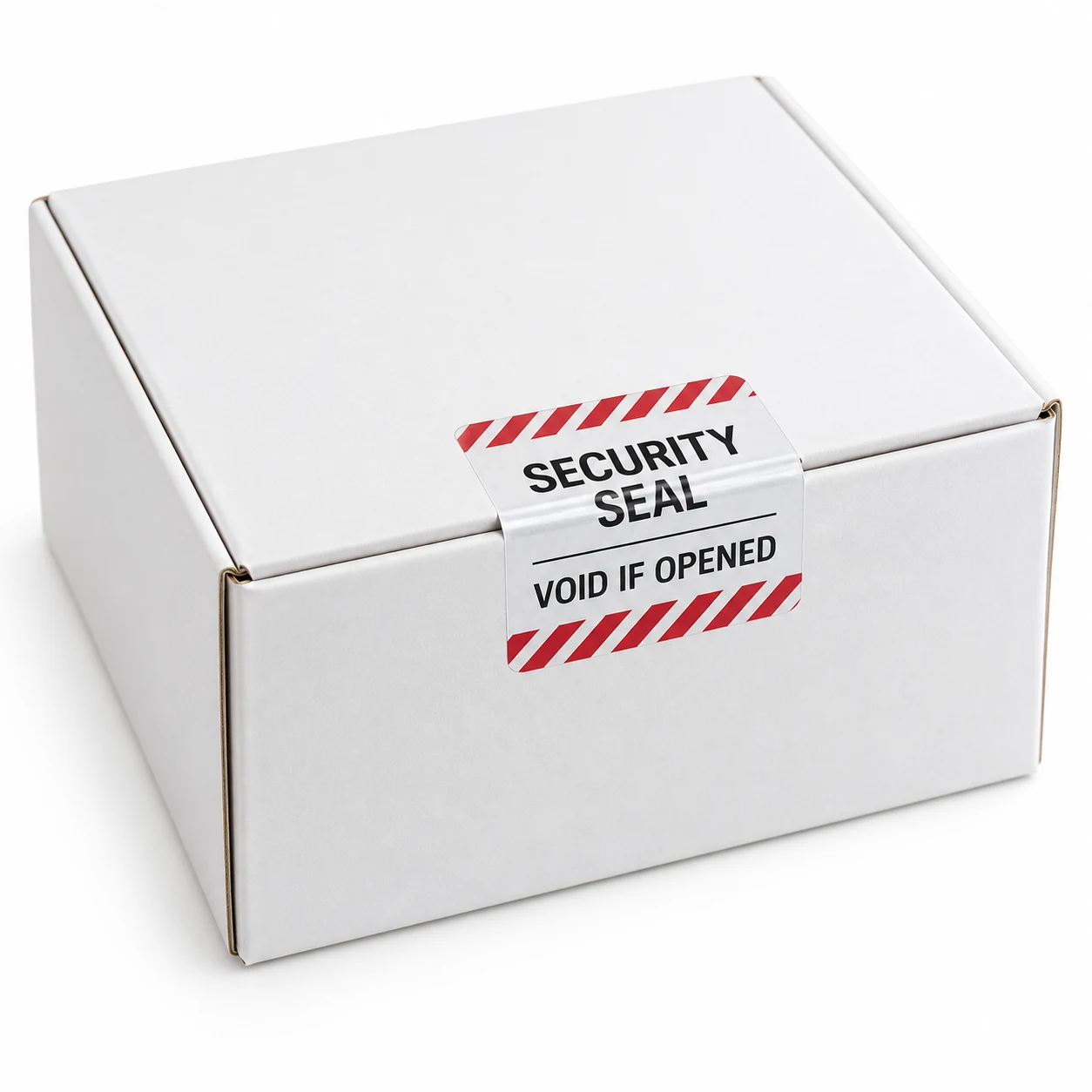
Custom security label — made to order: size, shape, security feature and serialisation are all specified per run.
A security label answers two different questions. Has this pack been opened? And is this pack really ours? Tamper evidence handles the first, serialisation the second, and a product facing counterfeiting or grey-market diversion usually needs both — spirits, pharmaceuticals, cosmetics and high-value electronics most of all.
The features, and what each actually stops
Void-on-removal leaves a permanent VOID pattern on the container when lifted, so tampering cannot be hidden. A fragile substrate destroys itself on removal, which is the same idea with no second chance. Holographic film is hard to reproduce and is read at a glance by anyone, which makes it a consumer-facing deterrent rather than a forensic one. A serialised QR code gives every unit a unique identity that can be checked along the supply chain — that is what defeats diversion between markets, because the label tells you where the unit was meant to go.
Ordering
Coated paper, synthetic paper, PET or holographic film face; size, shape, security feature and serialisation made to order, printed UV with variable data and die-cut. Permanent adhesive, water resistance 4 of 5, −30 to 120 °C. Serialisation is a data question as much as a printing one, so tell us how the numbers will be generated and checked. Send us the product and the risk and we will specify against both.
What moves the price
The feature. Void-on-removal and fragile substrates are modest increments; holographic film is a substantial one; serialisation adds variable-data printing and, more significantly, a data system behind it. Most of the cost of a serious anti-counterfeit programme is not the label — it is the process for generating, printing and verifying the numbers, and a quotation that ignores that is quoting for stickers rather than for security.
Where it goes wrong
Buying a feature that does not match the threat. A hologram deters casual copying and proves nothing about a specific unit; a serialised code proves the unit and does nothing visible at a glance. Diversion between markets needs the second; consumer reassurance needs the first; most real programmes need both. The second mistake is a fragile substrate on a textured or curved surface, where it breaks on application rather than on tampering. The third is serialisation with no plan for who checks the numbers and when.
Where custom security label is used
Spirits, pharmaceuticals, cosmetics and high-value electronics — categories facing counterfeiting, tampering or grey-market diversion, often all three. The pharmaceutical page covers serialisation as a data problem rather than a printing one, and export packaging compliance what has to travel with the goods where traceability is required by law rather than chosen.
What to send us for a quotation
A quotation for custom security label is written against a specification, so the more of this you can send, the closer the first number is to the real one: which structure, or the shelf life and the product so we can choose one — Coated paper, Synthetic paper (PP) and PET are available here; the temperature the pack has to survive, from filling through to how the customer opens it (−30 to 120 °C for this product); the line it runs on — this one is specified for uV printing and Variable data printing; which options you want fitted: holographic, Void on removal and Fragile substrate; the values for size, Shape, Security feature and Serialisation.
Send the fill weight and the quantity with it. Where you already buy something similar, a sample is worth more than a description — we measure what is actually there rather than quoting against how it was once written down.
Food-contact and export requirements are set out in FDA 21 CFR 175.105, the rule adhesives in food packaging are held to; the declarations for this structure are issued with the order.