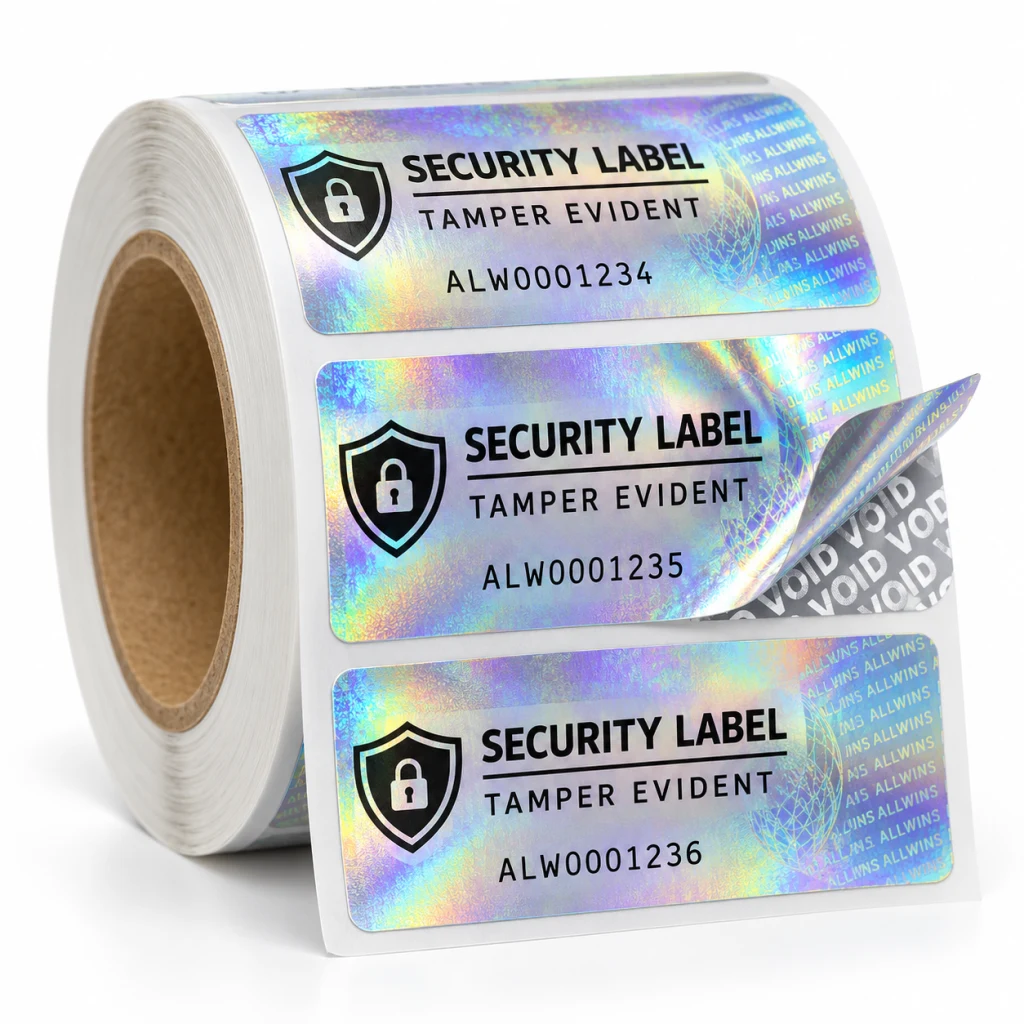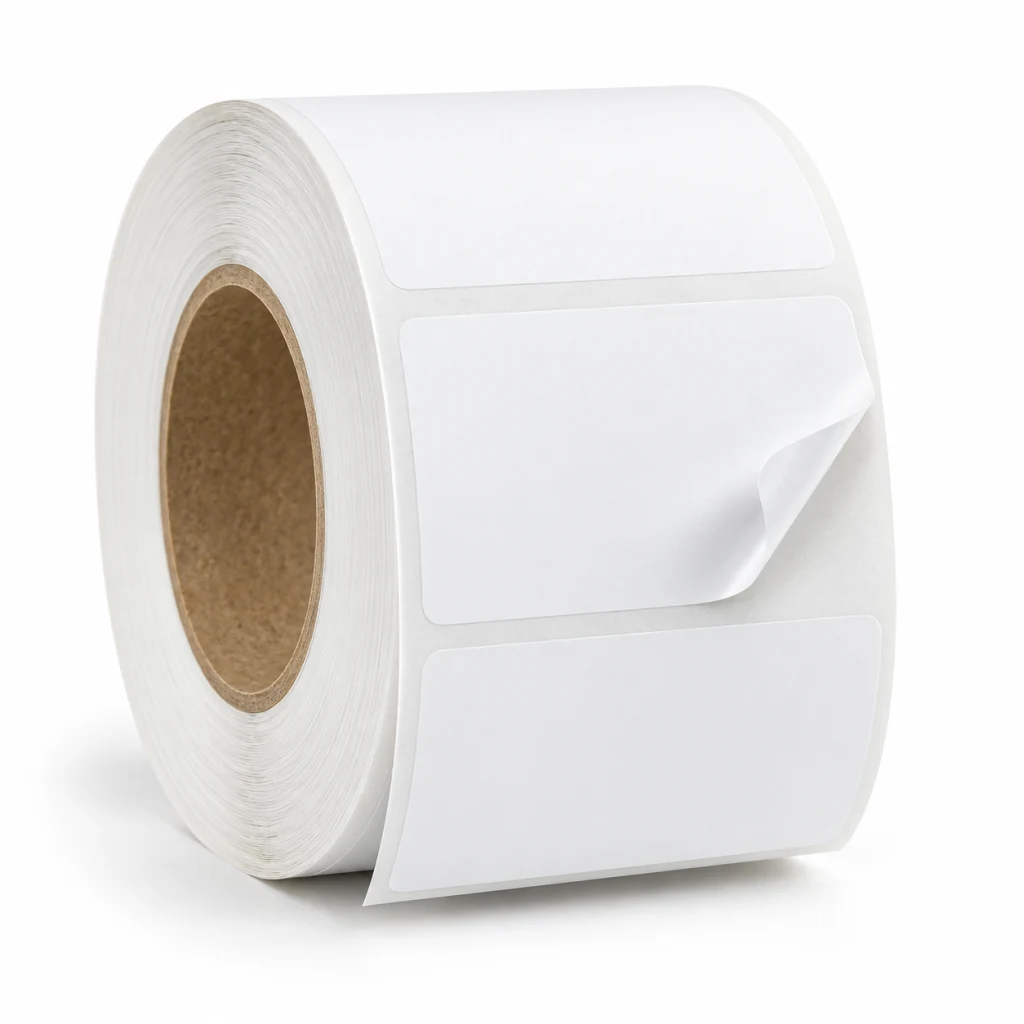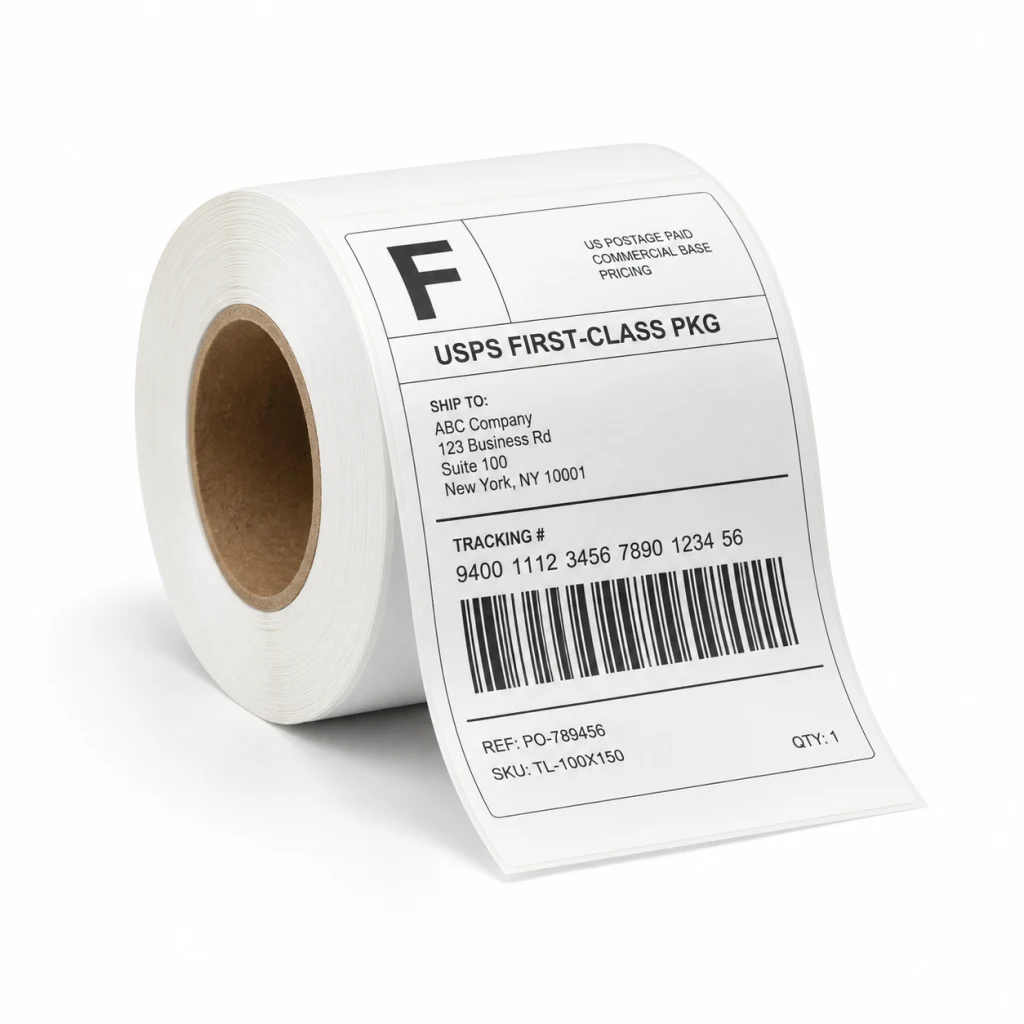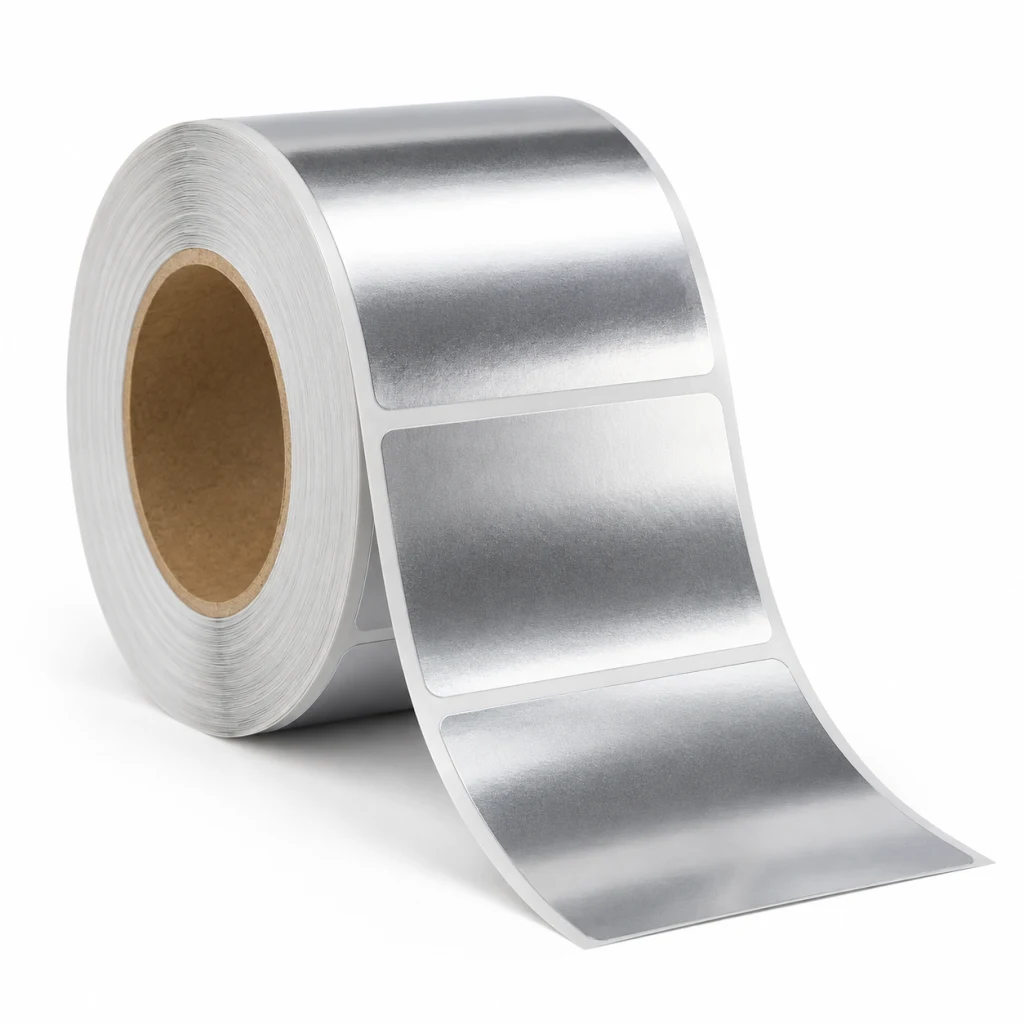
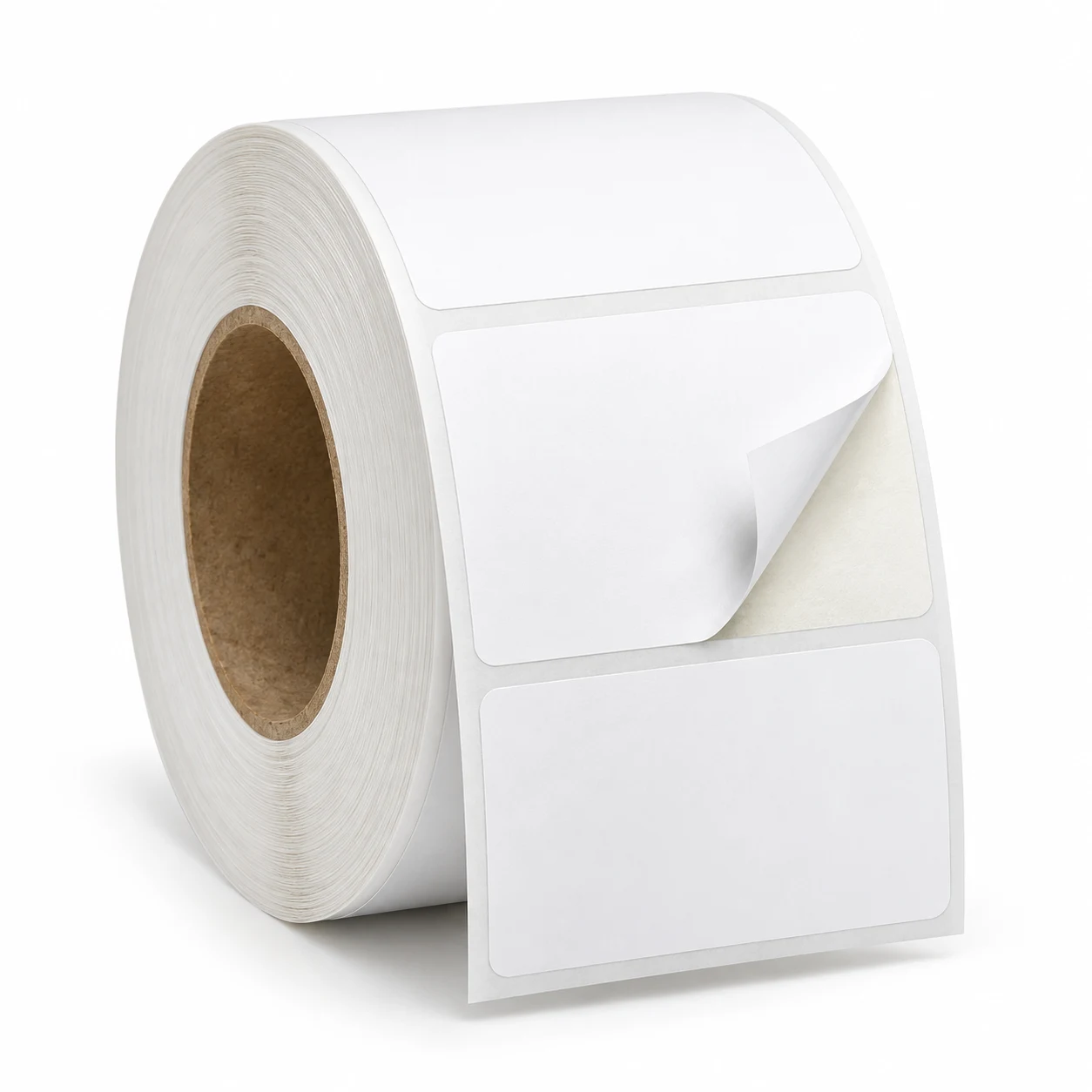
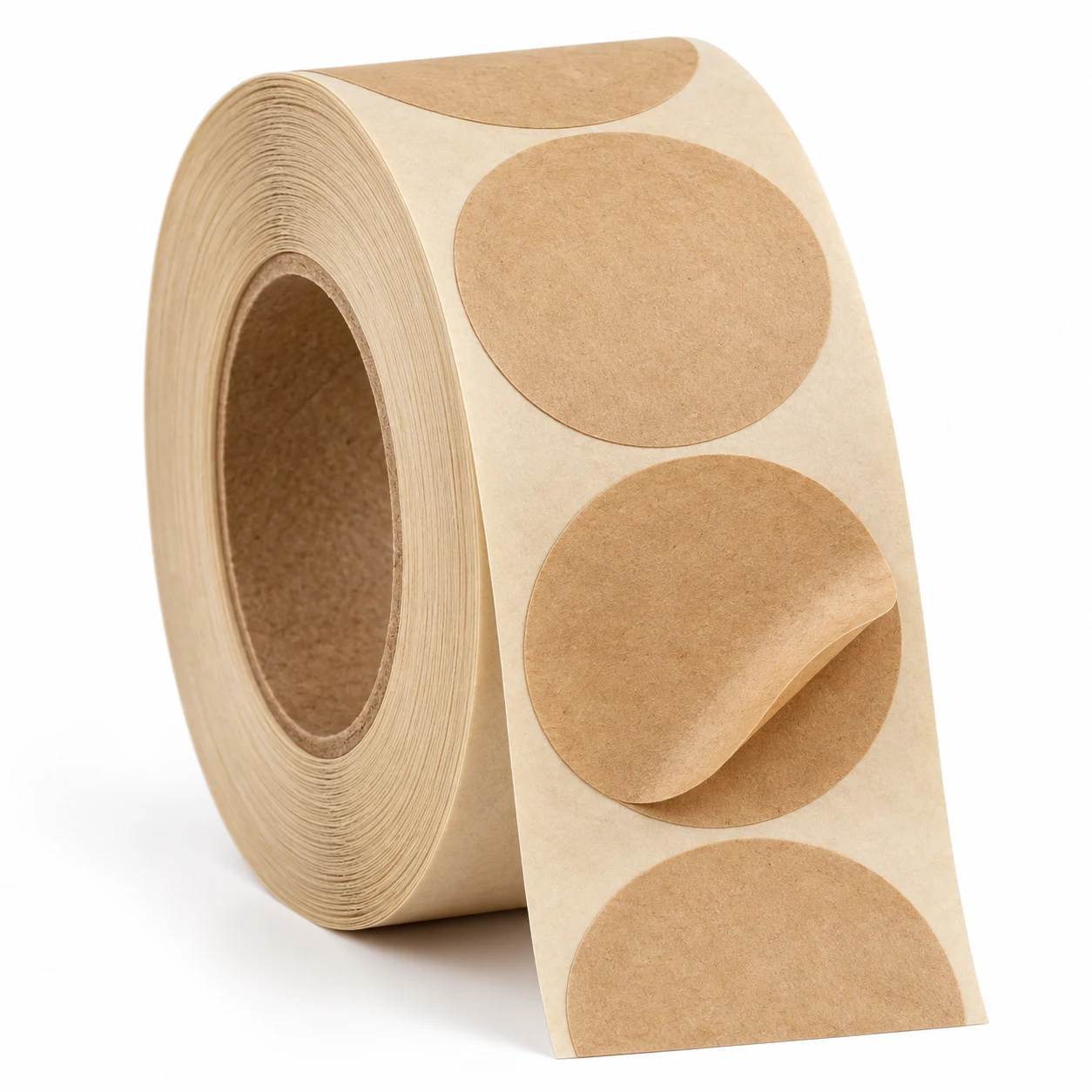
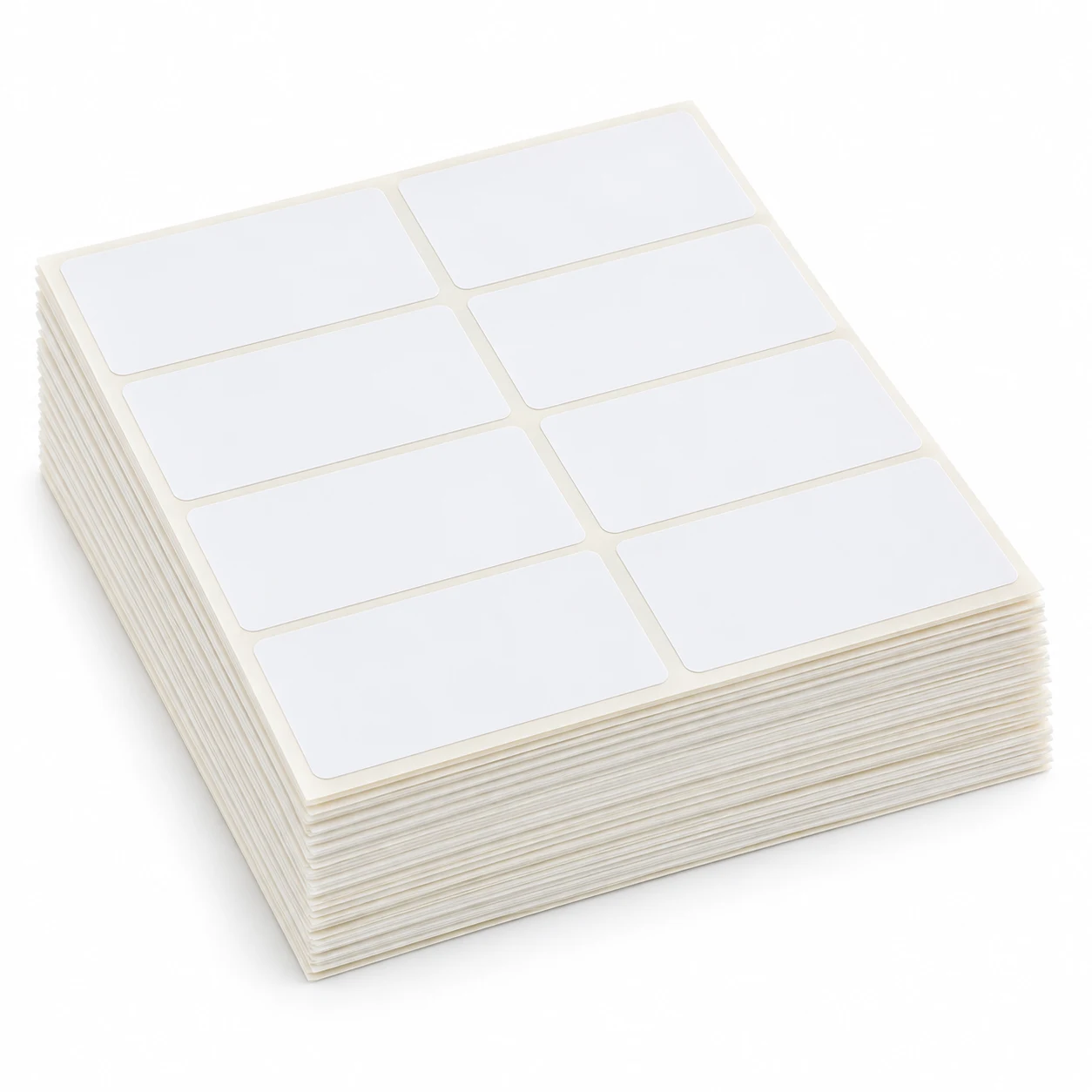
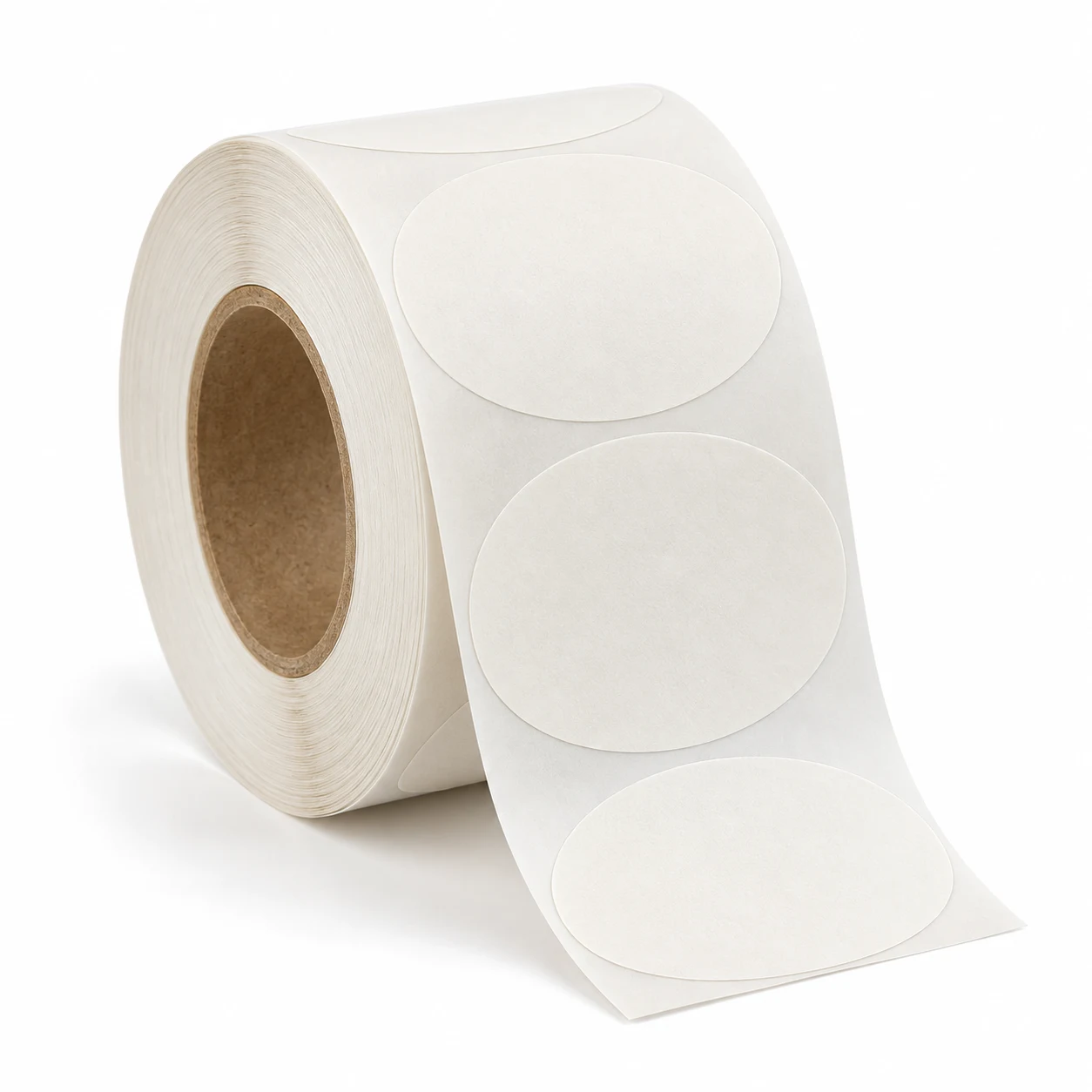
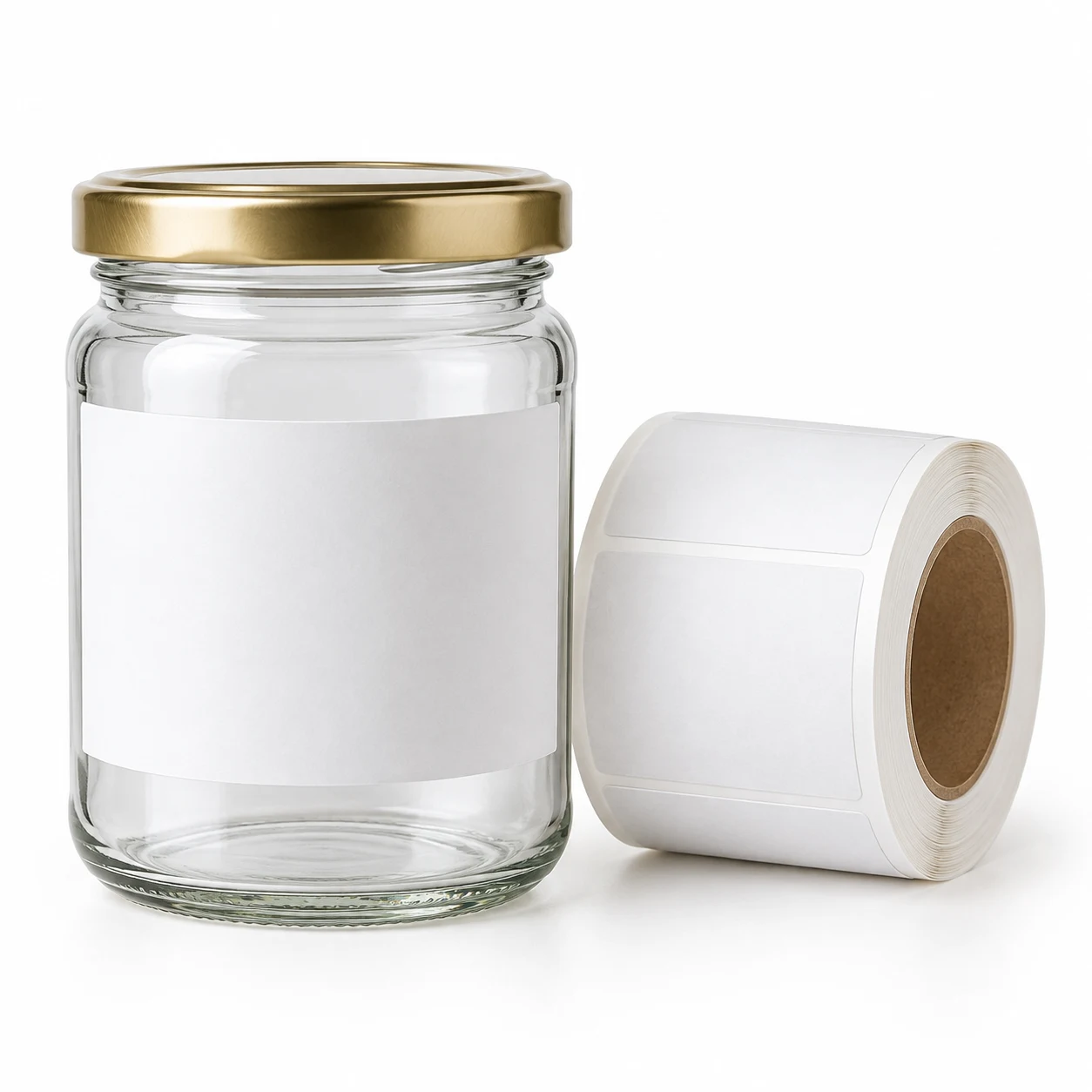
Custom coated paper label — made to order: size, shape, adhesive and finish are all specified per run.
A coated paper label is the default, and for most products it is the right answer. The coating takes ink cleanly in gloss or matt, the face is the cheapest available, and on a dry container in a dry environment it does everything a label needs to do. The question is only ever whether the product will get wet — because paper that gets wet is finished.
Permanent or removable
Permanent adhesive is what most food, promotional and daily-goods labels use: applied once, not intended to come off. Removable adhesive peels cleanly for promotions, price marking and anything meant to be temporary — see the removable label for the full range of tack levels. The liner here is glassine, which suits both hand application and standard automatic label applicators.
Ordering
Size, shape, adhesive and finish are made to order, printed flexo or digital and die-cut to shape. Water resistance rates 2 of 5 and the temperature range is −20 to 80 °C. If the container is chilled, handled wet or wiped down, the synthetic paper label is the same label on a face that survives it. Labels are supplied on rolls wound to your applicator’s direction and core size.
What moves the price
Face material is the cheapest part; the adhesive, the liner and the die are where the money sits. A standard permanent adhesive on glassine is the baseline and everything else costs more. Die cutting is a one-off tool per shape, so a round or rectangular label using an existing die is materially cheaper than a custom outline. Print method follows volume as it does everywhere: digital for short runs and variants, flexo once the quantity justifies plates. Roll length and core size do not change the price but a mismatch stops the line, which costs more than either.
Where it goes wrong
Paper on anything that gets wet. It is 2 of 5 on water resistance and it does not recover — a chilled bottle, a wiped surface or a humid warehouse finishes it. The second is a removable adhesive specified where permanent was wanted, or the reverse, usually because the brief said “label” and not what happens to it. The third is a roll wound the wrong way for the applicator, which is a five-minute question at order time and a stopped line otherwise.
Where custom coated paper label is used
Food labels, promotional labels and general-purpose marking on dry containers in dry environments — the default, and the right answer far more often than the alternatives. Where the container is chilled, handled wet or wiped down, the synthetic paper label is the same label on a face that survives it. For the full range and the adhesives behind it, see labels and self-adhesive.
What to send us for a quotation
A quotation for custom coated paper label is written against a specification, so the more of this you can send, the closer the first number is to the real one: which structure, or the shelf life and the product so we can choose one — Coated paper are available here; the temperature the pack has to survive, from filling through to how the customer opens it (−20 to 80 °C for this product); the line it runs on — this one is specified for flexo printing and Digital printing; which options you want fitted: gloss face, Matt face and Permanent adhesive; the values for size, Shape, Adhesive and Finish.
Send the fill weight and the quantity with it. Where you already buy something similar, a sample is worth more than a description — we measure what is actually there rather than quoting against how it was once written down.
Food-contact and export requirements are set out in FDA 21 CFR 175.105, the rule adhesives in food packaging are held to; the declarations for this structure are issued with the order.