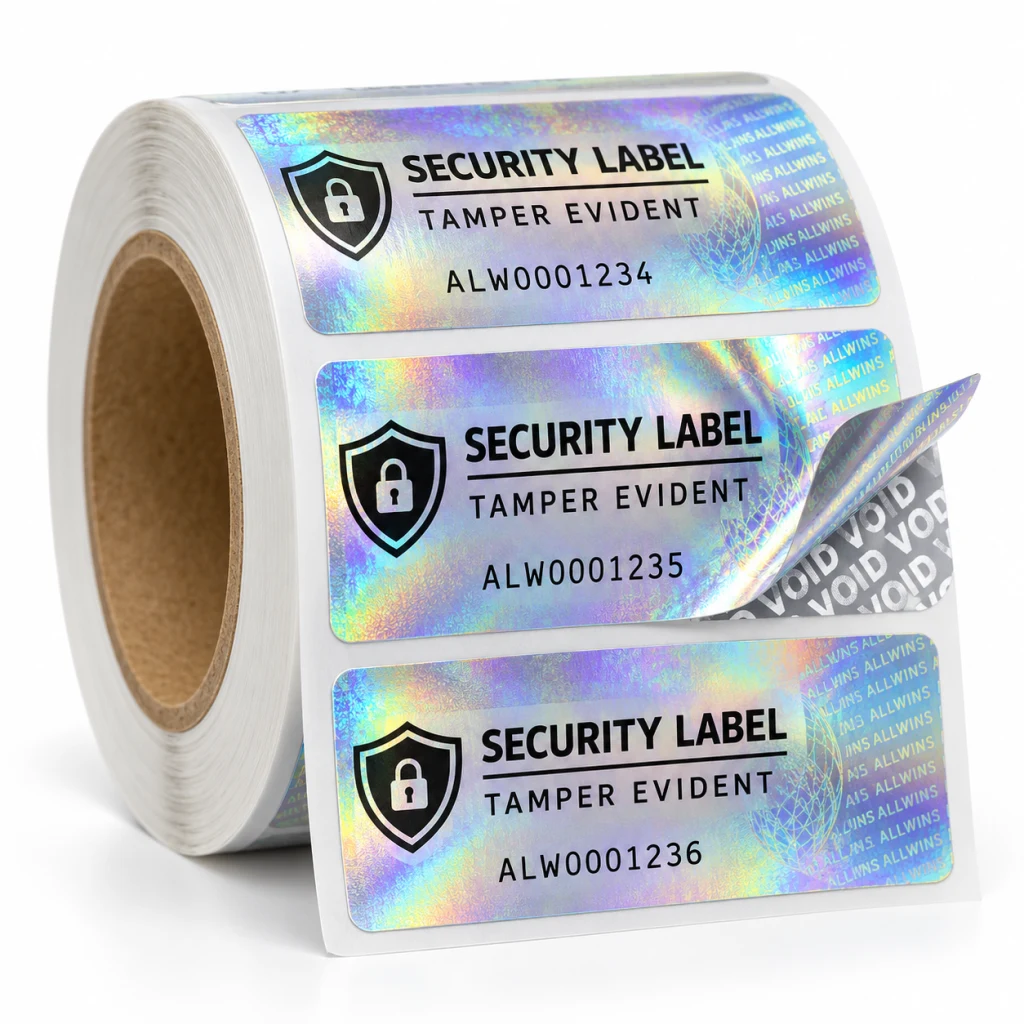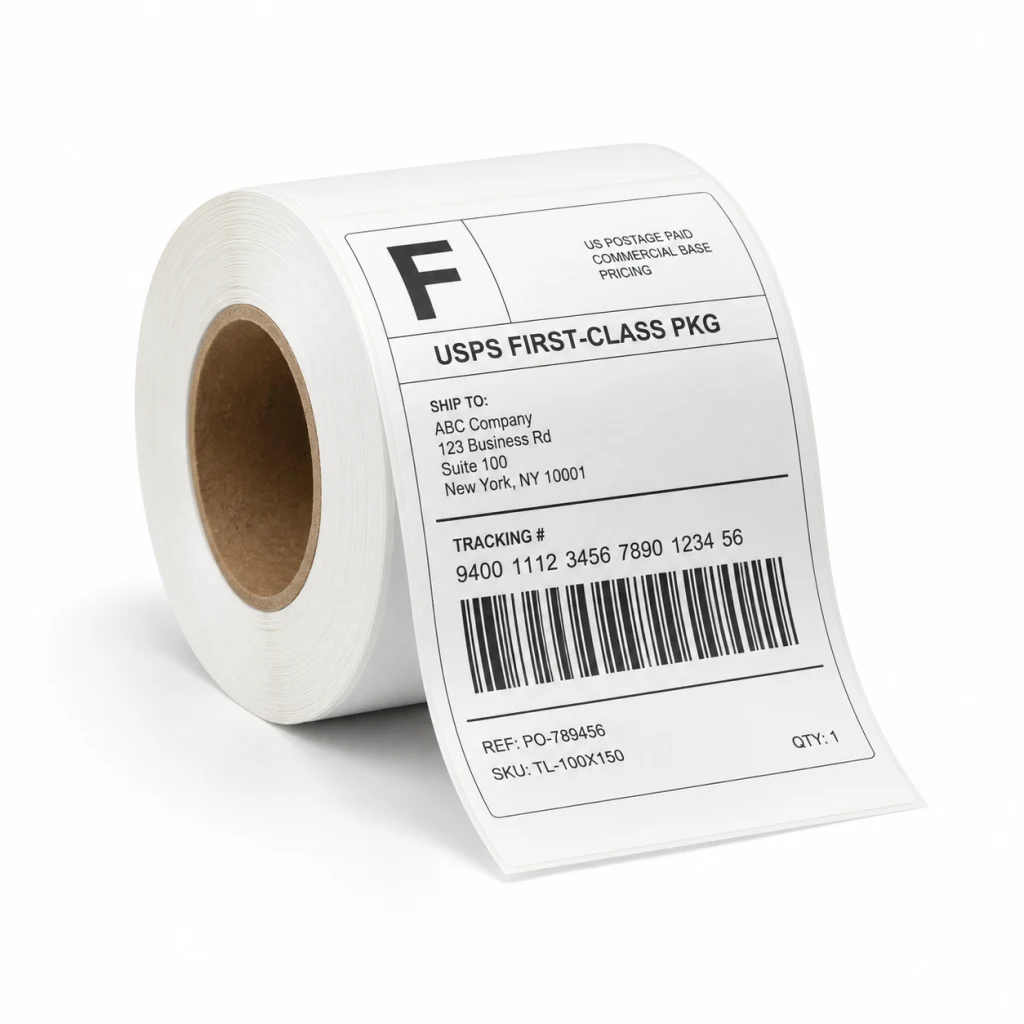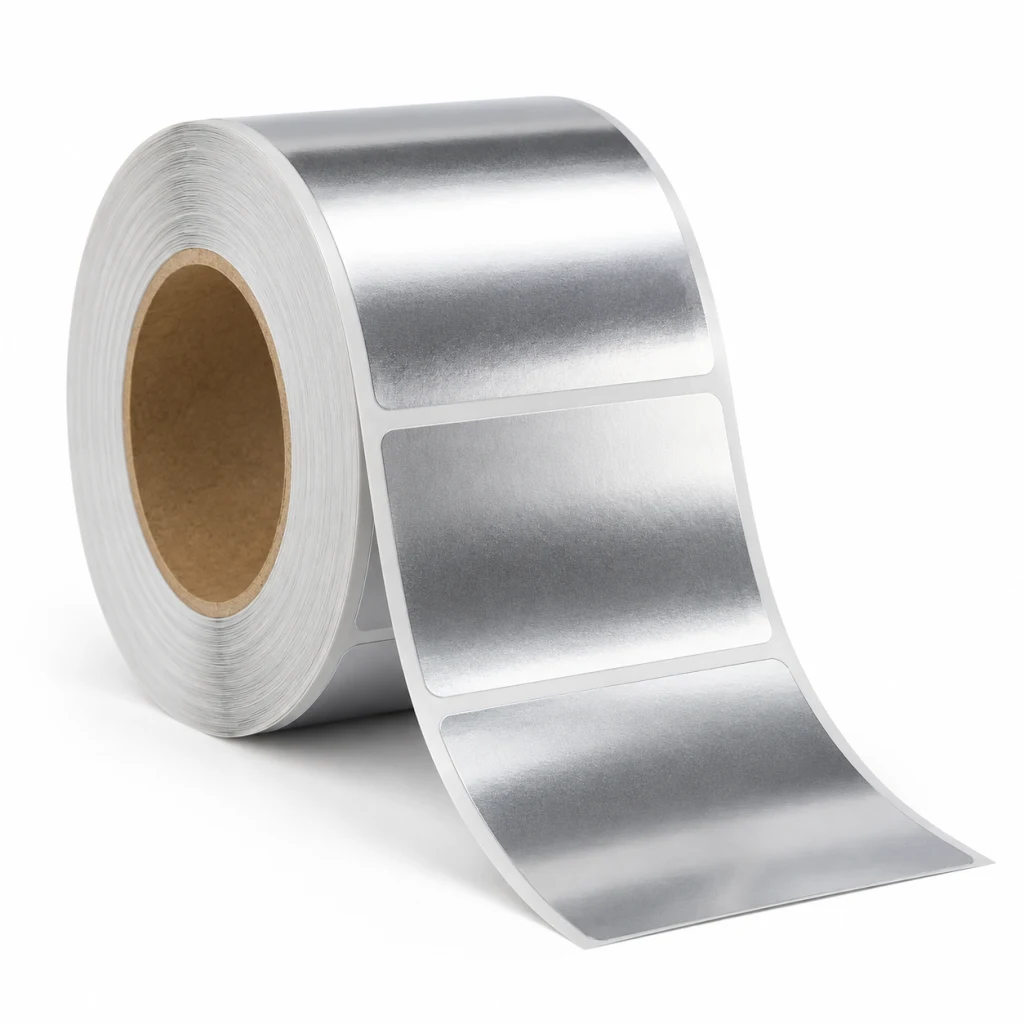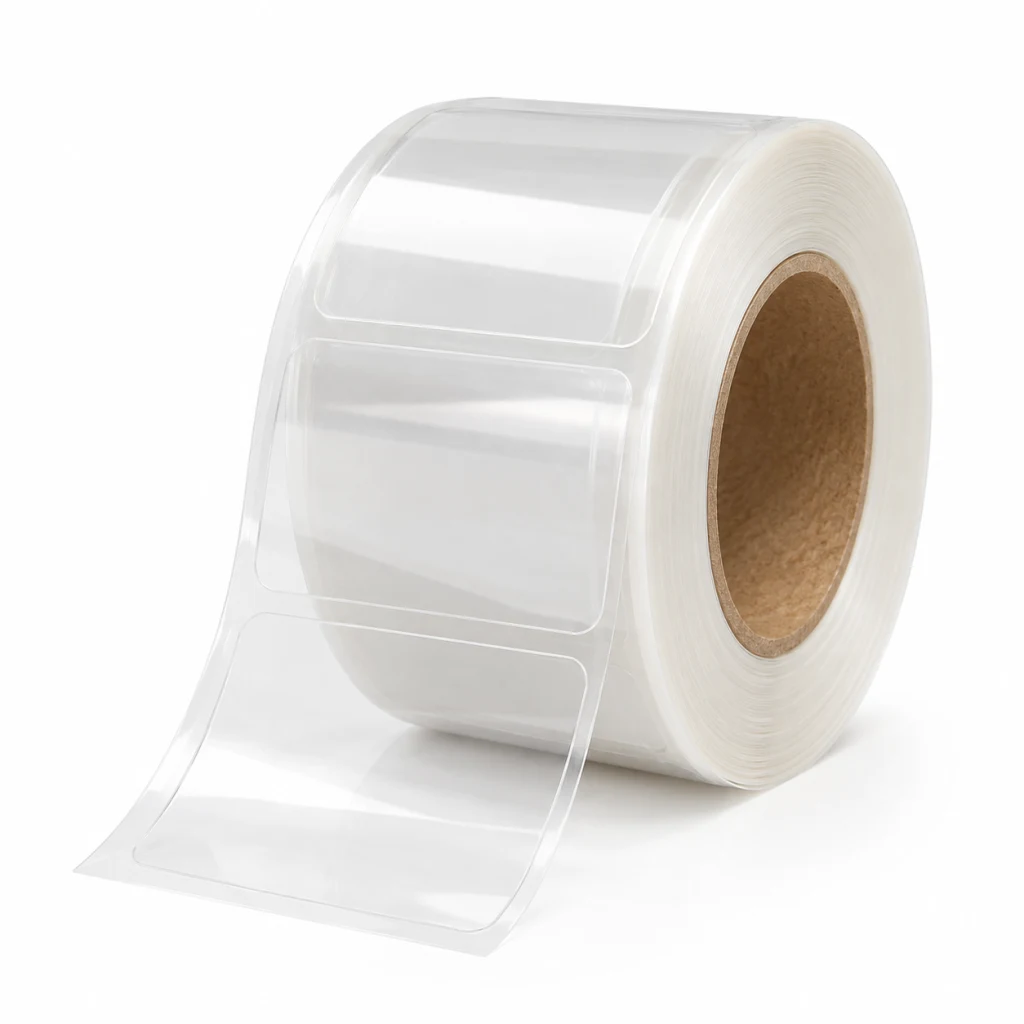
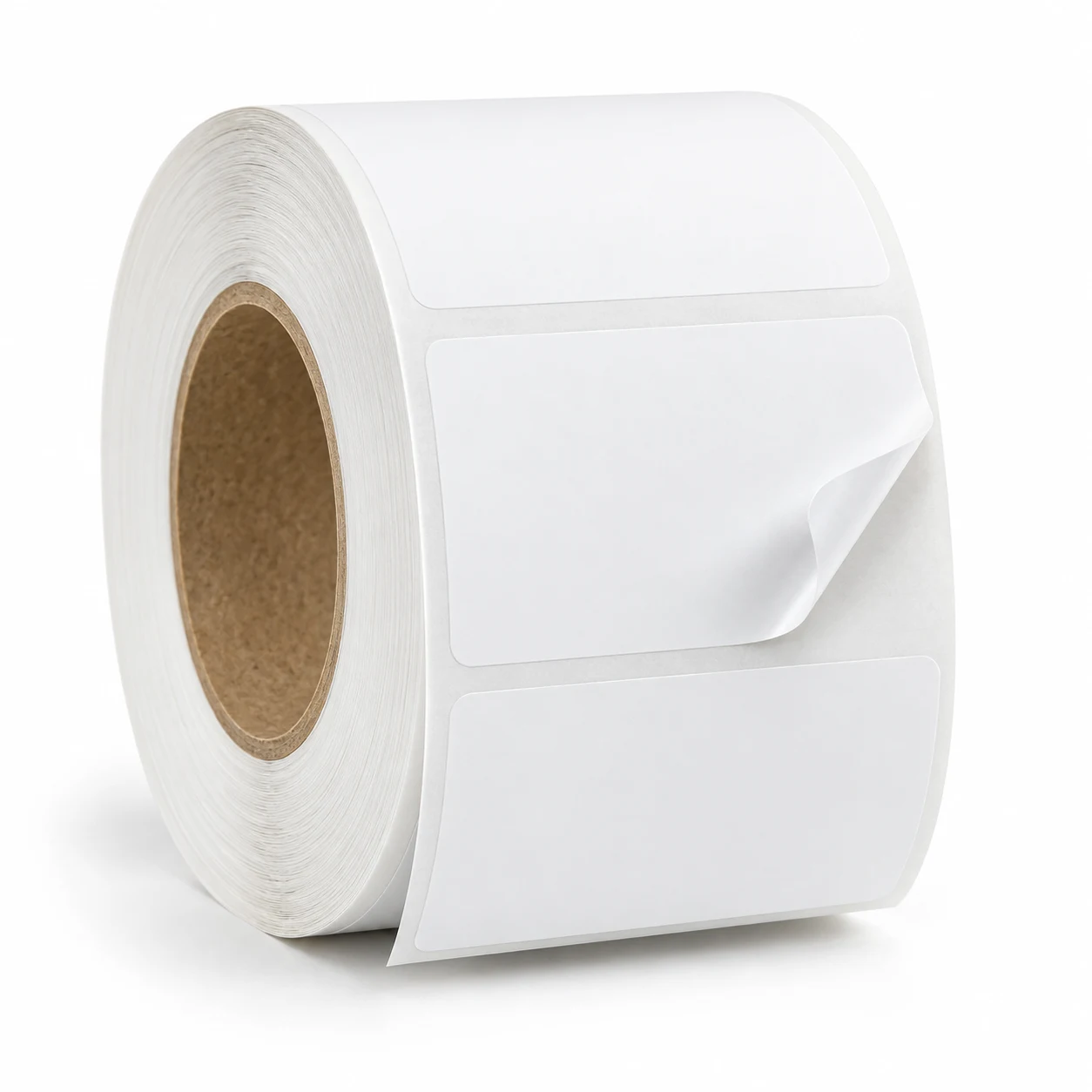
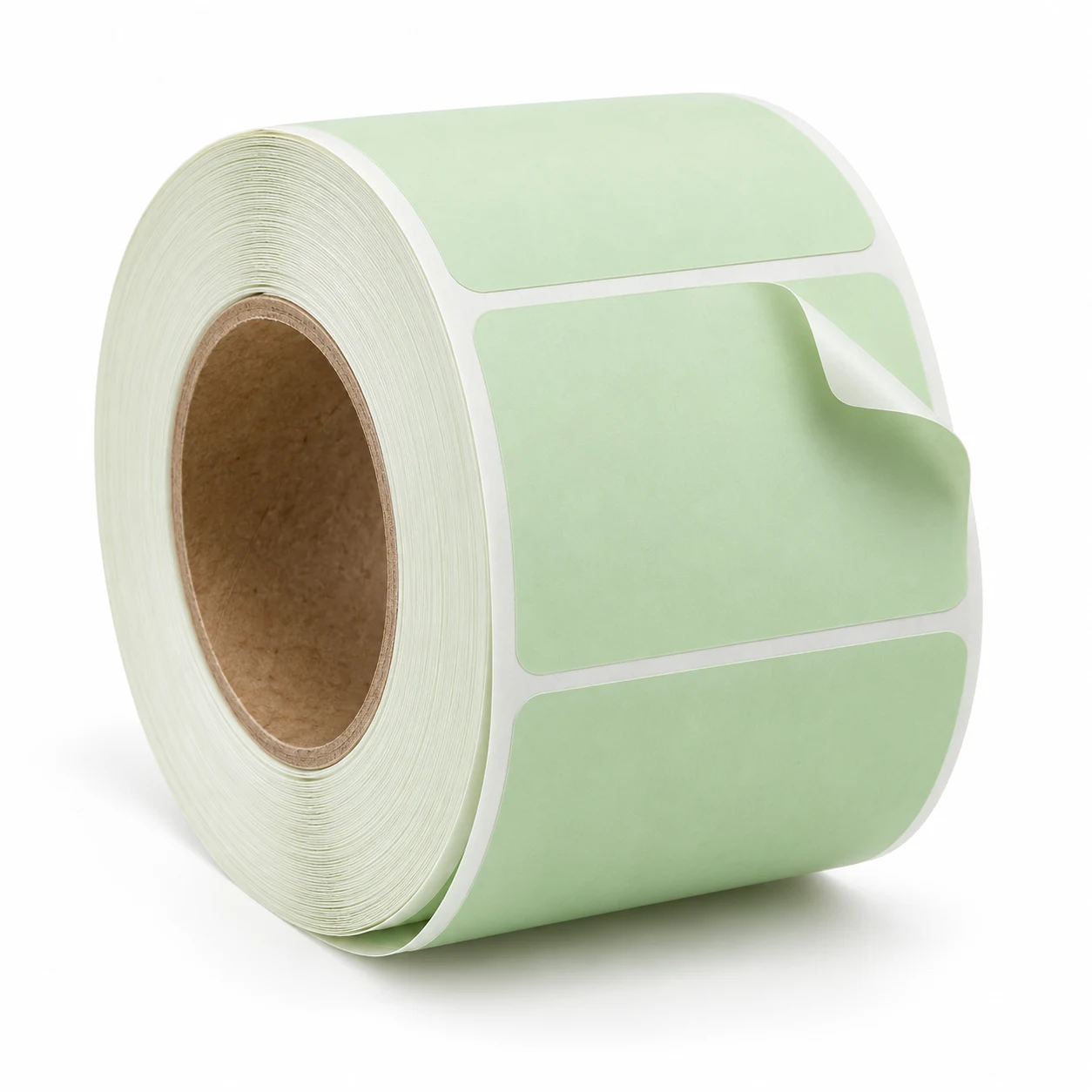
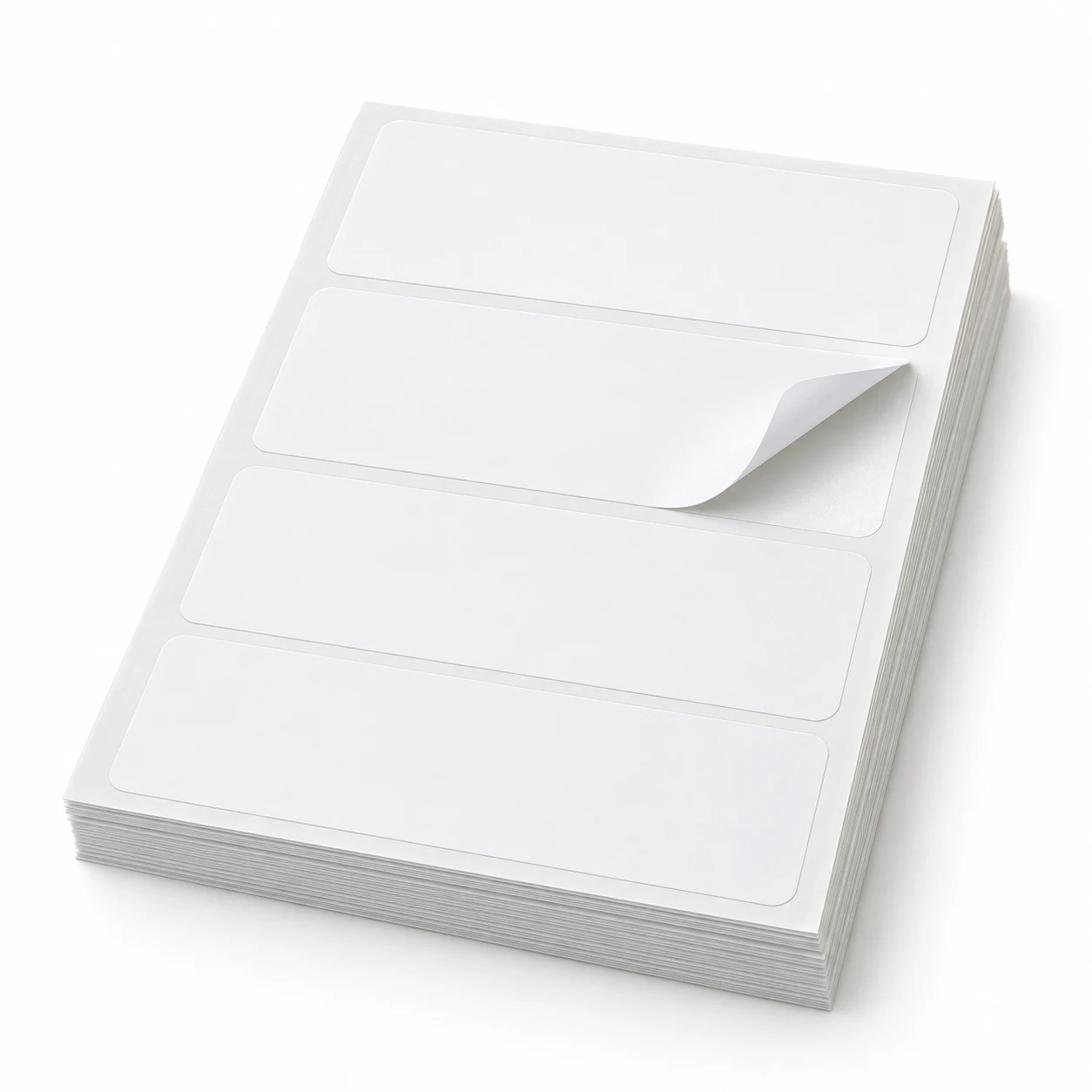
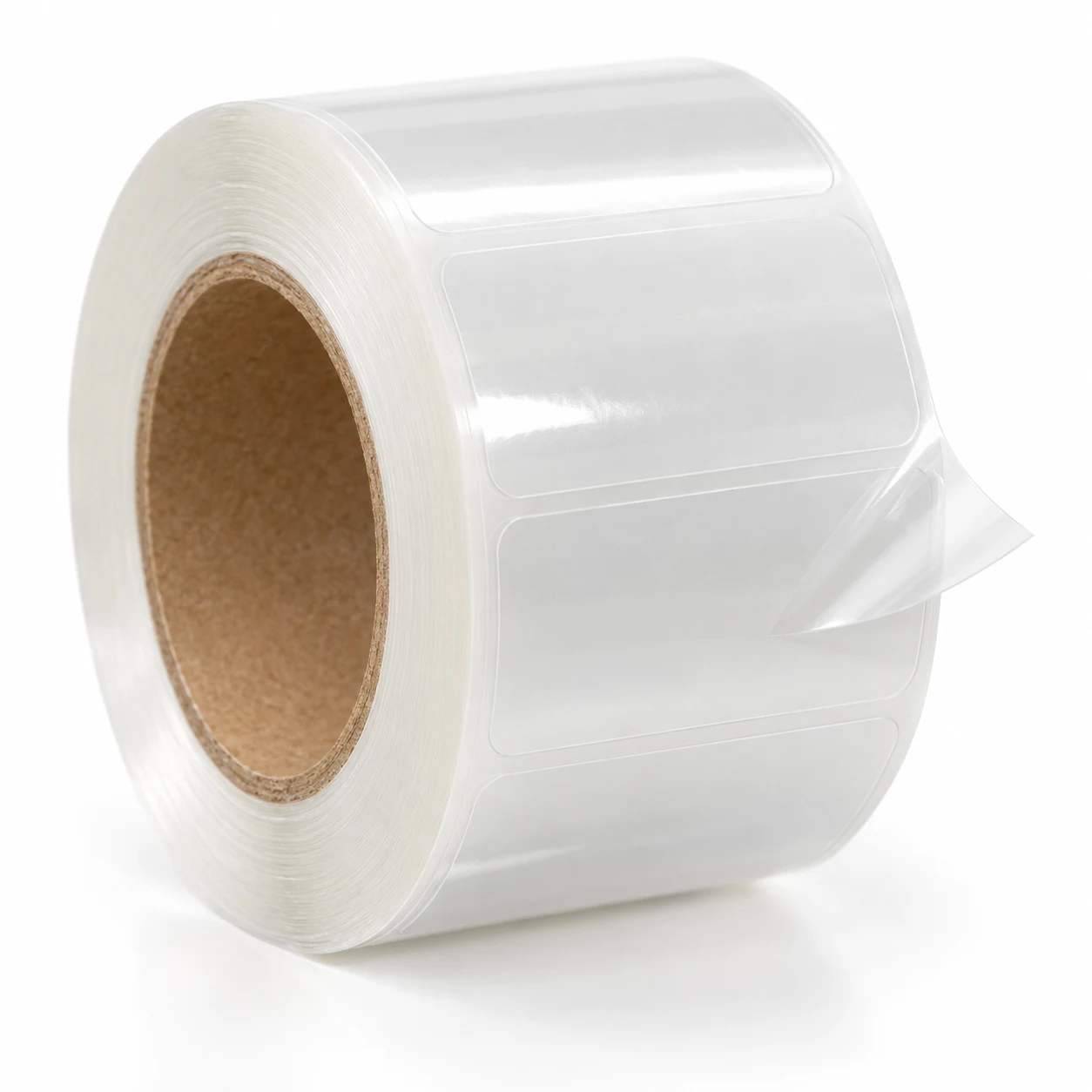
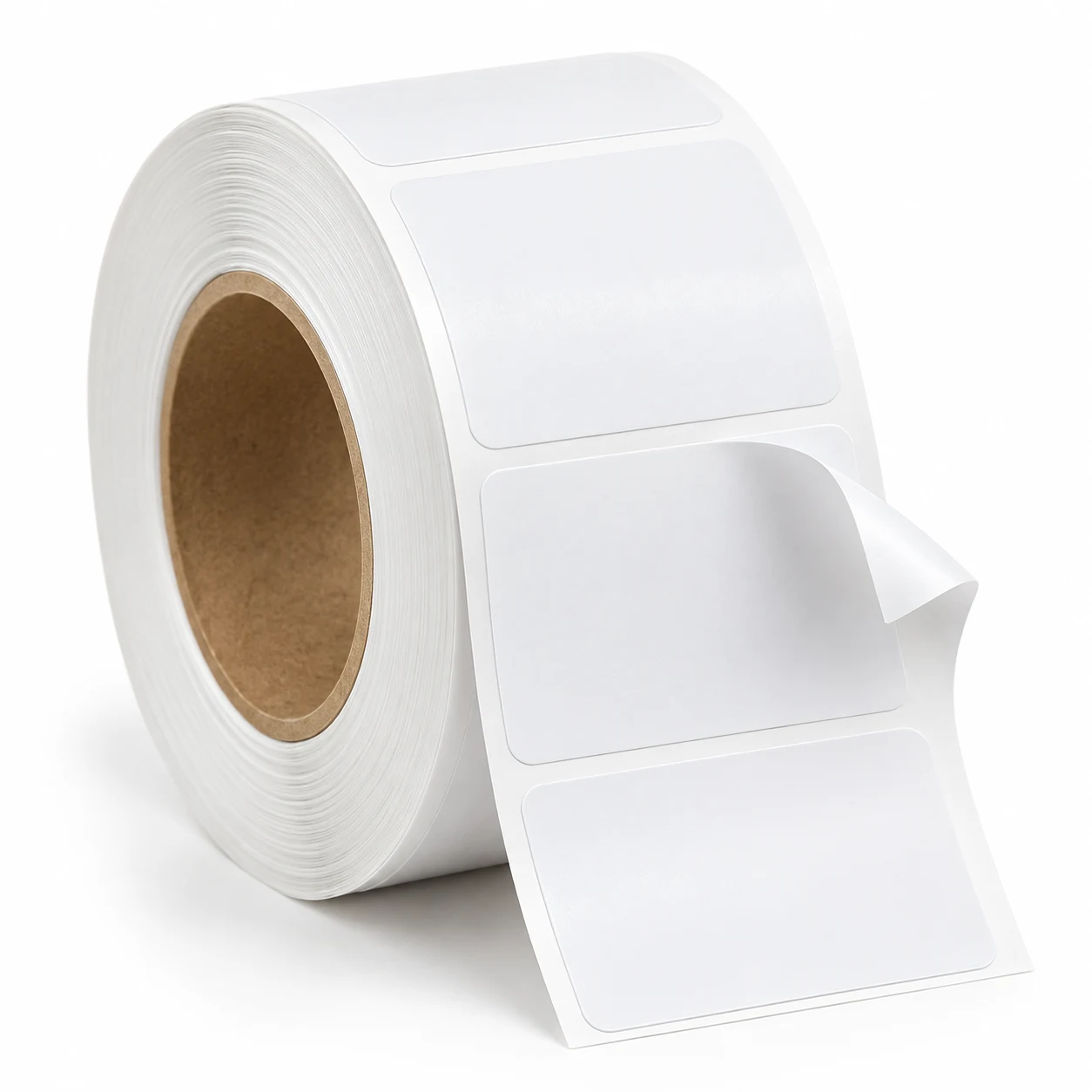
Custom removable label — made to order: size, shape, face material and tack level are all specified per run.
A removable label is defined by what happens when it comes off: no residue, no torn face, no damage to the surface underneath. Promotions, price marks, temporary instructions and repositionable stickers all depend on that, and an ordinary label with a weaker adhesive does not achieve it — the adhesive system is formulated for clean release rather than simply for less grip.
Tack levels
Low tack holds reliably on smooth, clean surfaces and lifts cleanly for months afterwards. Ultra-removable is for glass, painted surfaces and anything delicate, where even a slight residue would be a complaint. The face material changes the behaviour too: paper faces tear if the label is peeled slowly, PP and PET faces come away in one piece, which matters when a customer rather than a machine is doing the removing.
Ordering
Paper, PP or PET face; low tack or ultra removable; size, shape, face material and tack level made to order, printed flexo or digital. Temperature range is −20 to 80 °C. Tell us the surface it is going onto — the same adhesive behaves differently on glass, on coated board and on an HDPE bottle. For permanent labels on difficult surfaces, see the synthetic paper label.
What moves the price
The adhesive, which is formulated for clean release rather than simply weaker, and ultra-removable grades cost more than low tack. Face material follows the use: paper is cheapest and tears when peeled slowly, PP and PET cost more and come away whole. Die, print and quantity behave as with any label. Because these are often promotional and short-lived, digital printing and small runs are the norm, which raises the unit cost and rarely matters against the campaign budget.
Where it goes wrong
A tack level chosen without knowing the surface. The same adhesive behaves differently on glass, coated board and an HDPE bottle, and the difference between clean release and residue is exactly that. The second is a paper face on a label a customer will remove, which tears and reads as a defect. The third is expecting removable to stay removable indefinitely — tack builds over time, and a label meant to lift after a year has to be specified for a year.
Where custom removable label is used
Promotions, price marking, temporary instructions, repositionable stickers and anything a customer is expected to peel off themselves. The face material matters as much as the adhesive when a person rather than a machine does the removing. For permanent labelling on difficult surfaces, the synthetic paper label with a high-tack adhesive is the opposite specification, and the full range is in labels and self-adhesive.
What to send us for a quotation
A quotation for custom removable label is written against a specification, so the more of this you can send, the closer the first number is to the real one: which structure, or the shelf life and the product so we can choose one — Coated paper, Synthetic paper (PP) and PET are available here; the temperature the pack has to survive, from filling through to how the customer opens it (−20 to 80 °C for this product); the line it runs on — this one is specified for flexo printing and Digital printing; which options you want fitted: paper face, PP face and PET face; the values for size, Shape, Face material and Tack level.
Send the fill weight and the quantity with it. Where you already buy something similar, a sample is worth more than a description — we measure what is actually there rather than quoting against how it was once written down.
Food-contact and export requirements are set out in FDA 21 CFR 175.105, the rule adhesives in food packaging are held to; the declarations for this structure are issued with the order.