
Flexible packaging materials and barrier structures
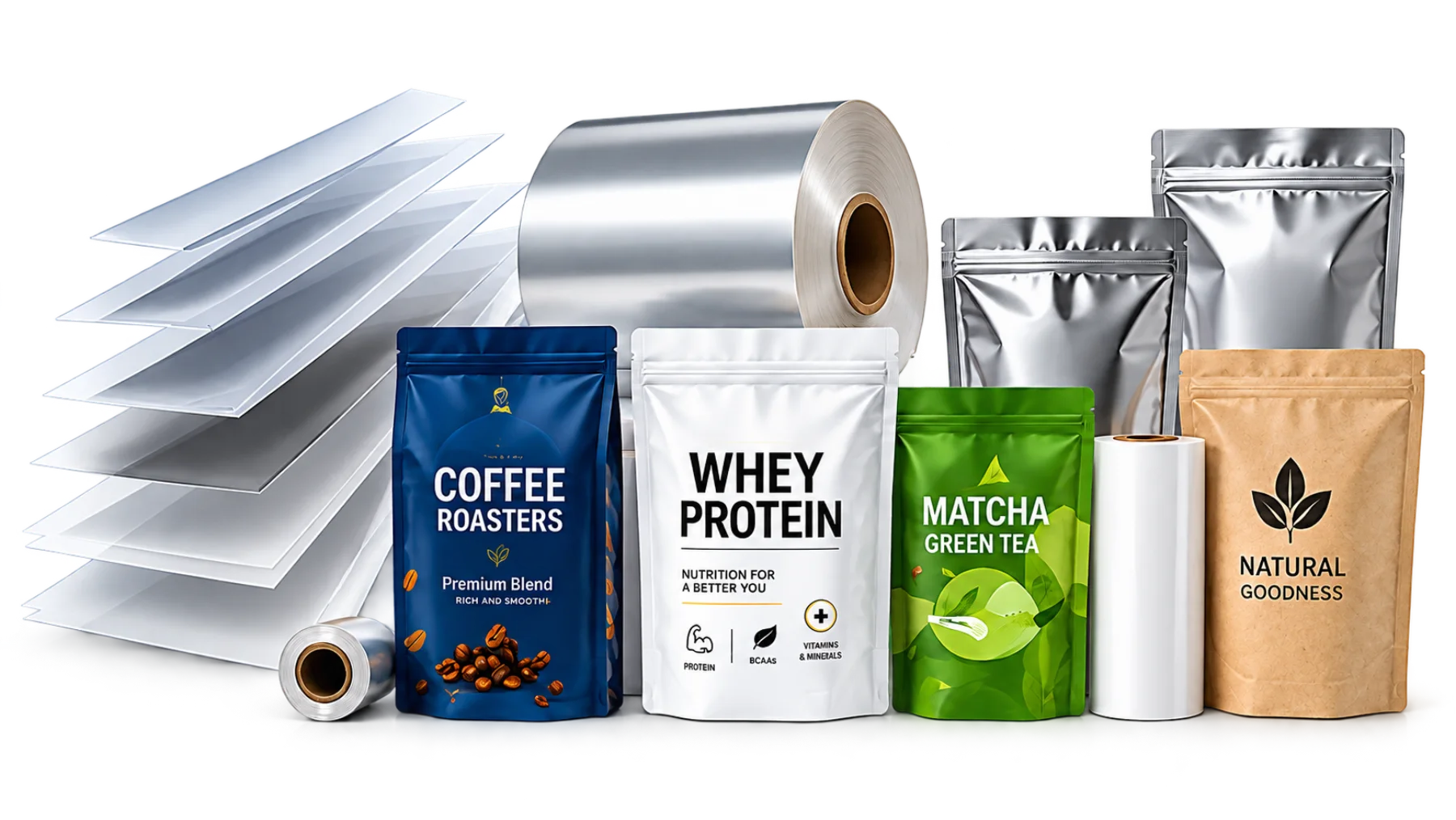
From PET, PE, BOPP, CPP, VMPET, aluminium foil and kraft paper to recyclable mono-materials, ALLWINS supplies high-performance packaging materials and custom laminate structures engineered for protection, printability, sealability and shelf life.
Print performance
Excellent surface quality for outstanding graphics and brand impact.
Barrier protection
Protects against moisture, oxygen, light and other external factors.
Sealability
Reliable heat-seal strength for high-speed packaging operations.
Custom structures
Tailored laminates for your product, performance and sustainability goals.
Food-grade options
Compliant materials for safe contact with food, beverages and nutraceuticals.
Core material options
A wide range of films, foils and papers to meet your packaging needs.
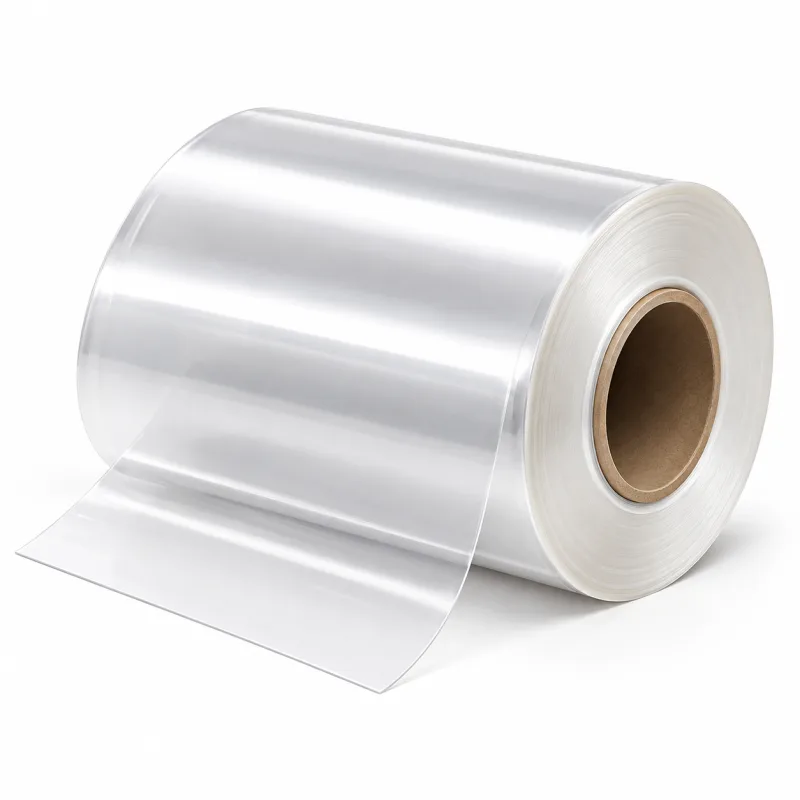
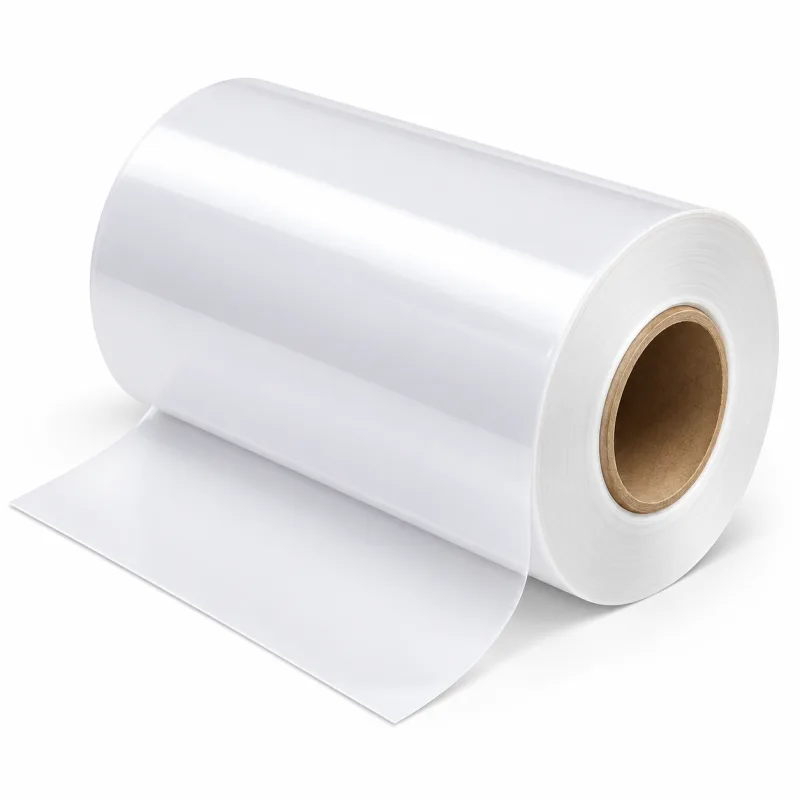
PET
Polyethylene terephthalate
- Excellent clarity and stiffness
- Great print surface
- High strength and dimensional stability
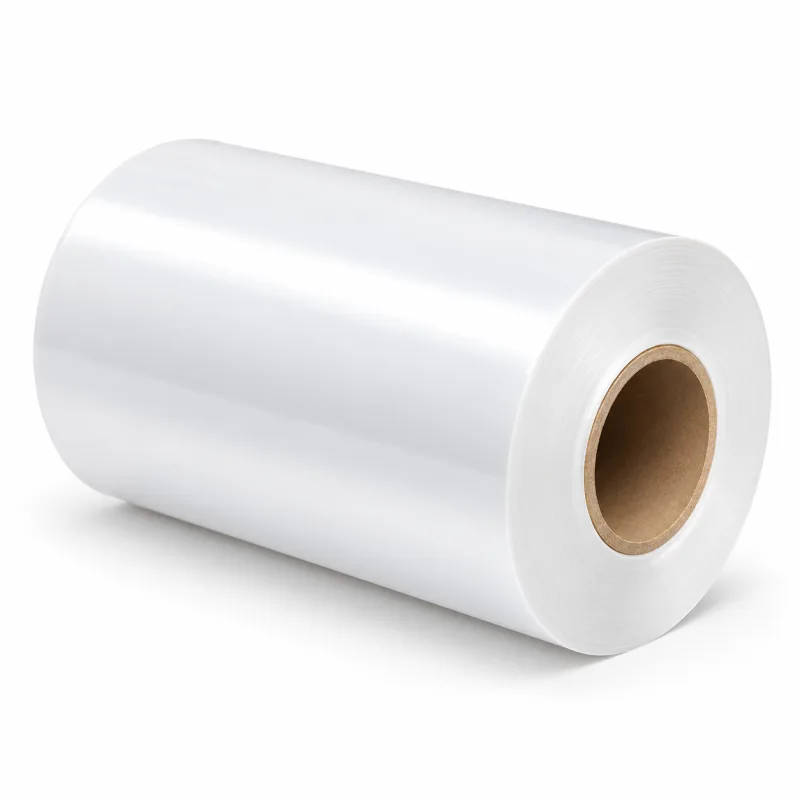
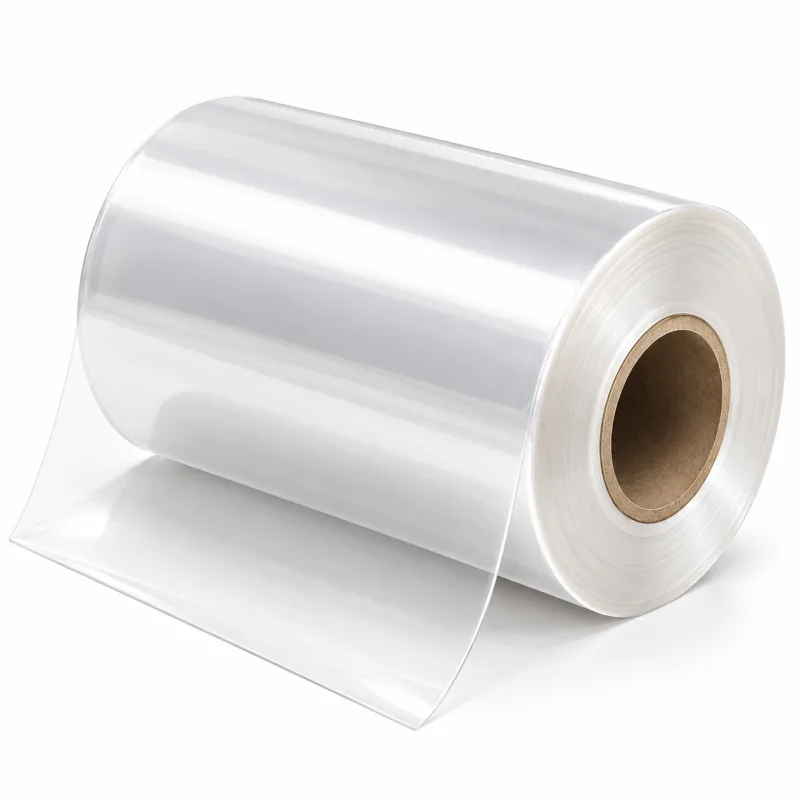
BOPP
Biaxially oriented polypropylene
- High clarity and gloss
- Good moisture resistance
- Cost-effective solution
Aluminium foil
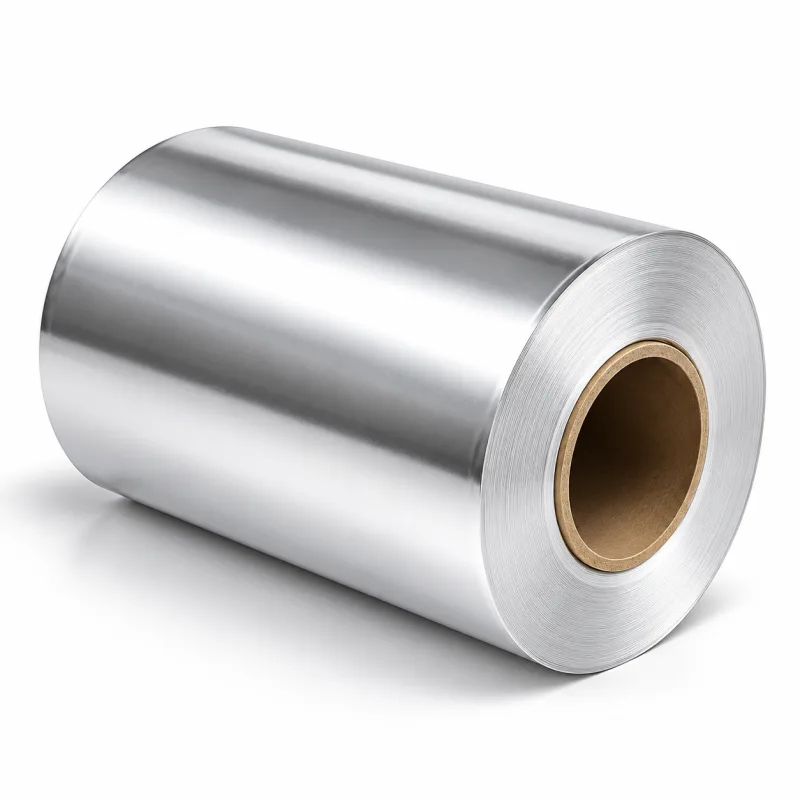
Full barrier layer
- Ultimate barrier protection
- Blocks light, oxygen and moisture
- Ideal for sensitive products
Kraft paper
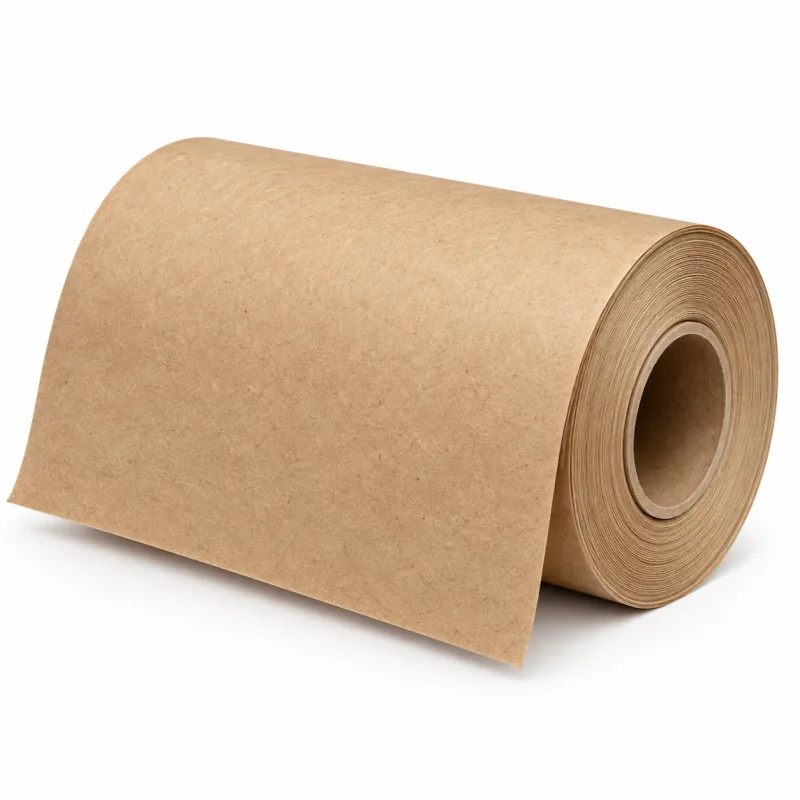
Natural paper facing
- Natural and sustainable
- Good strength and stiffness
- Ideal for paper-based structures
Mono PE
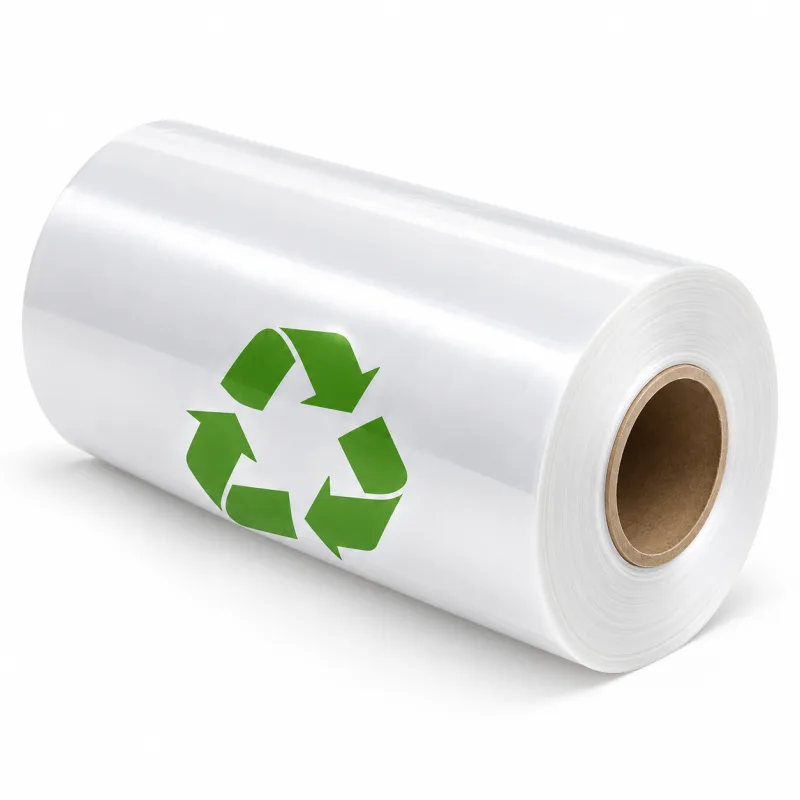
Recyclable structures
- All-PE mono-material
- Designed for recyclability
- Sustainable packaging solution
Common barrier structures
Proven laminate structures for different product needs. Custom structures are available on request.
PET / PE
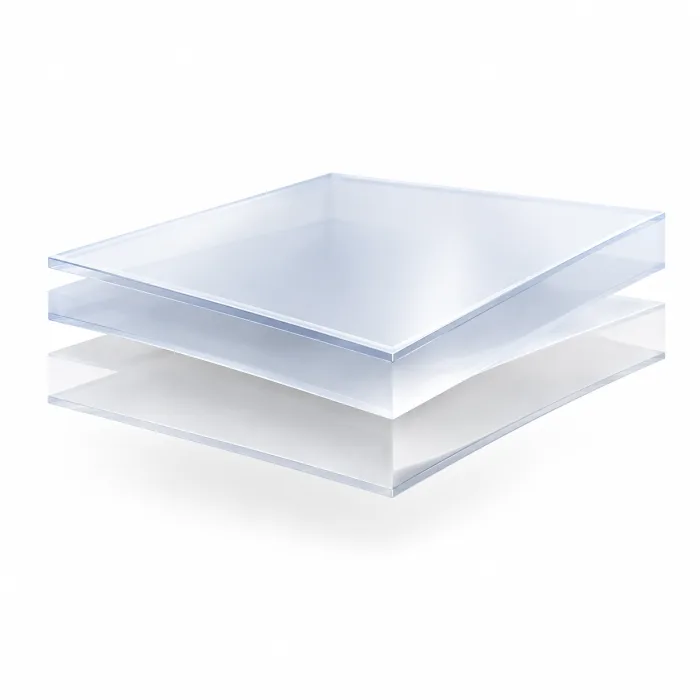
PET 12µm · PE 60µm
- Good strength and clarity
- Excellent print surface
- General purpose
Ideal uses
Snacks, confectionery, consumer goods
PET / VMPET / PE
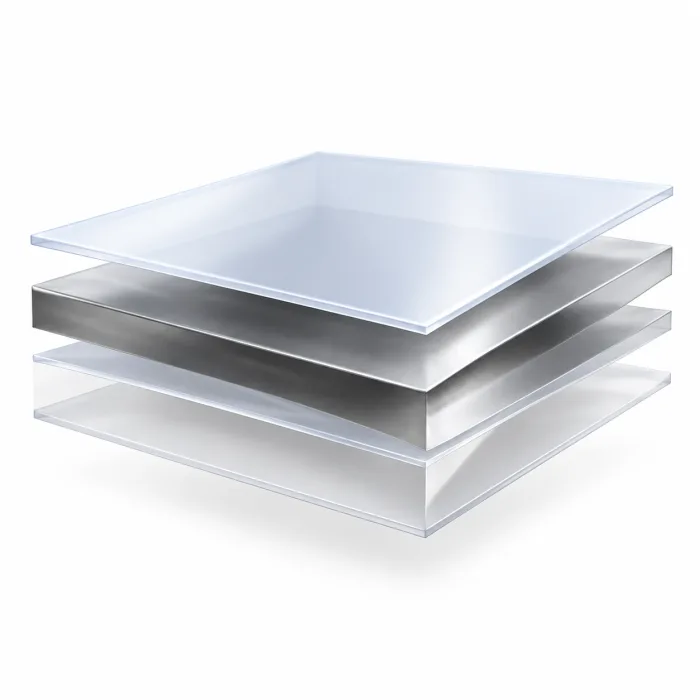
PET 12µm · VMPET 12µm · PE 60µm
- High barrier to oxygen and moisture
- Excellent printability
- Extended shelf life
Ideal uses
Coffee, tea, snacks, supplements
PET / AL / PE
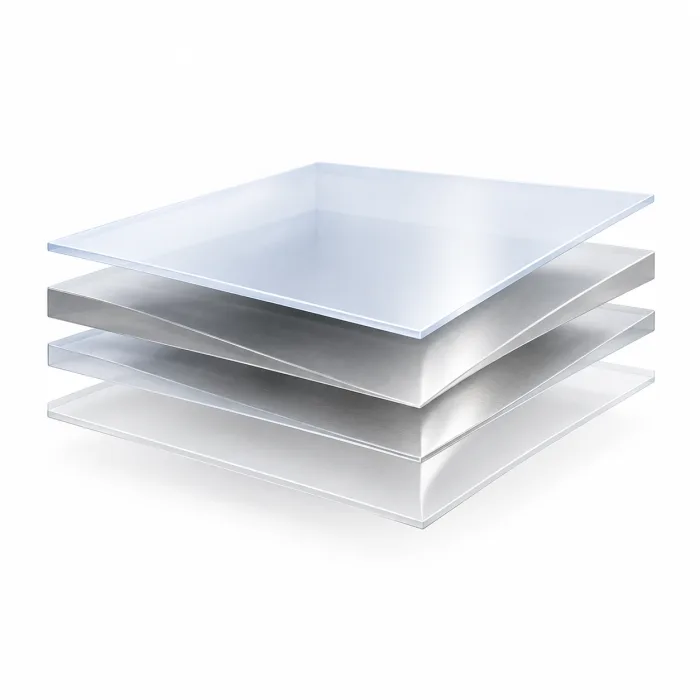
PET 12µm · aluminium foil 9µm · PE 60µm
- Maximum barrier
- Blocks light, oxygen and moisture
- Ideal for sensitive products
Ideal uses
Coffee, supplements, pharmaceutical
BOPP / PE
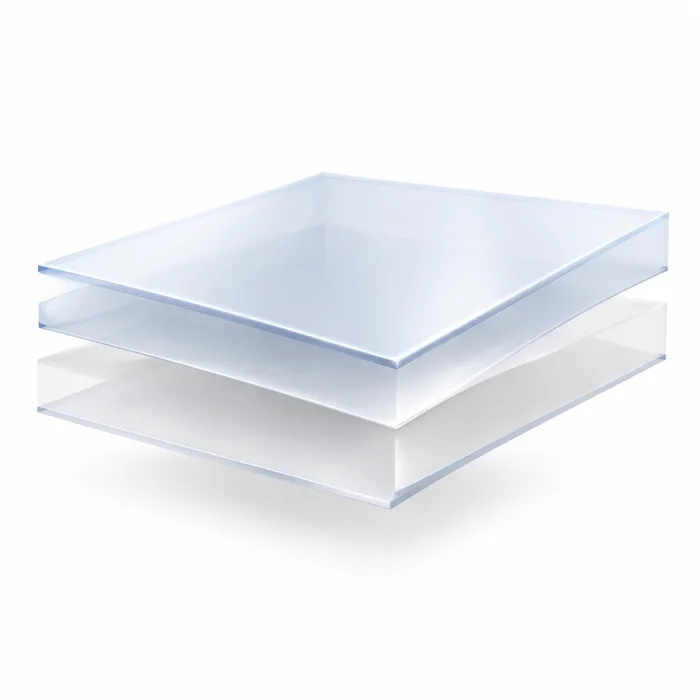
BOPP 20µm · PE 60µm
- Good print surface
- Moisture resistance
- Cost-effective
Ideal uses
Snacks, bakery, consumer goods
Paper / VMPET / PE
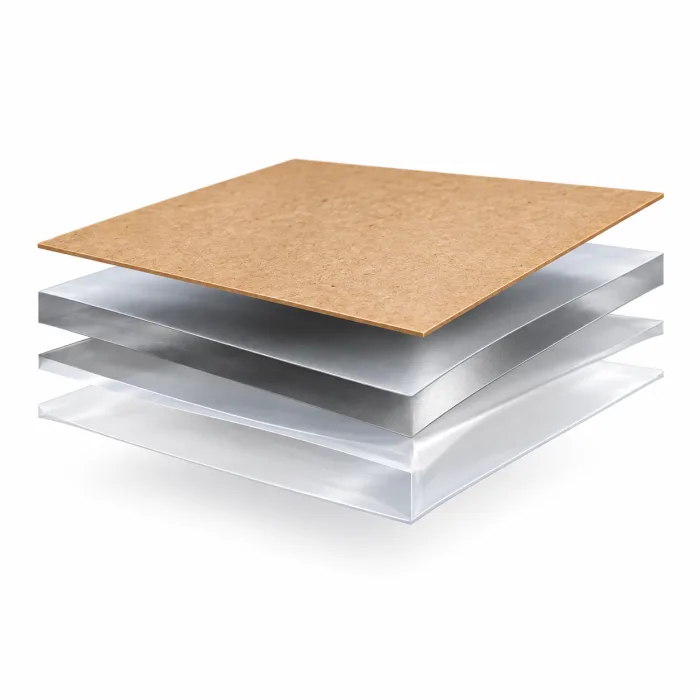
Kraft paper 40g/m² · VMPET 12µm · PE 60µm
- Natural look and feel
- Good barrier performance
- Sustainable appeal
Ideal uses
Dry food, coffee, tea, organic products
Mono-PE (PE/PE)
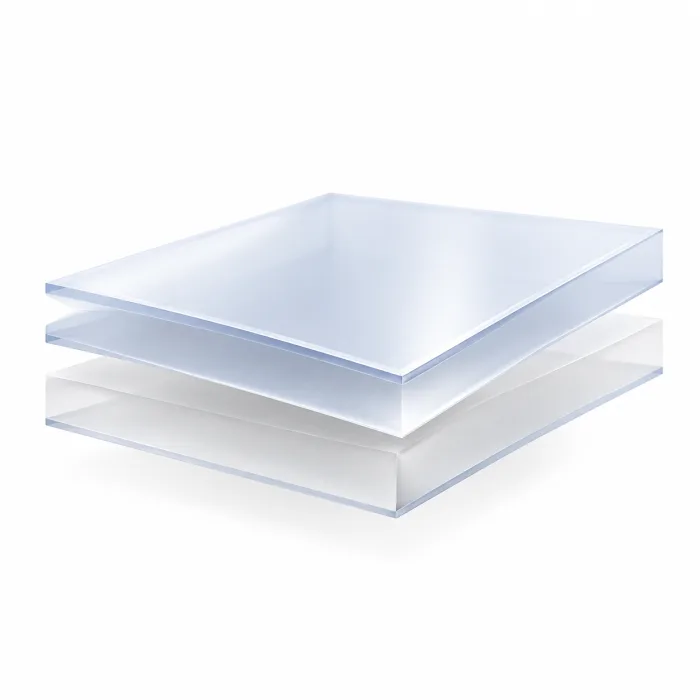
PE 20µm · PE 60µm
- All-PE recyclable structure
- Good barrier performance
- Supports sustainability goals
Ideal uses
Frozen food, household goods, retail products
How to choose the right structure
Four questions that settle most of it.
1
Product sensitivity
Assess your product for sensitivity to moisture, oxygen, light and other external factors.
2
Filling process
Consider your packaging machinery, filling temperature and sealing requirements.
3
Shelf-life needs
Determine the required shelf life and storage conditions.
4
Branding and finish
Choose the surface, printability and finishing options that bring your brand to life.
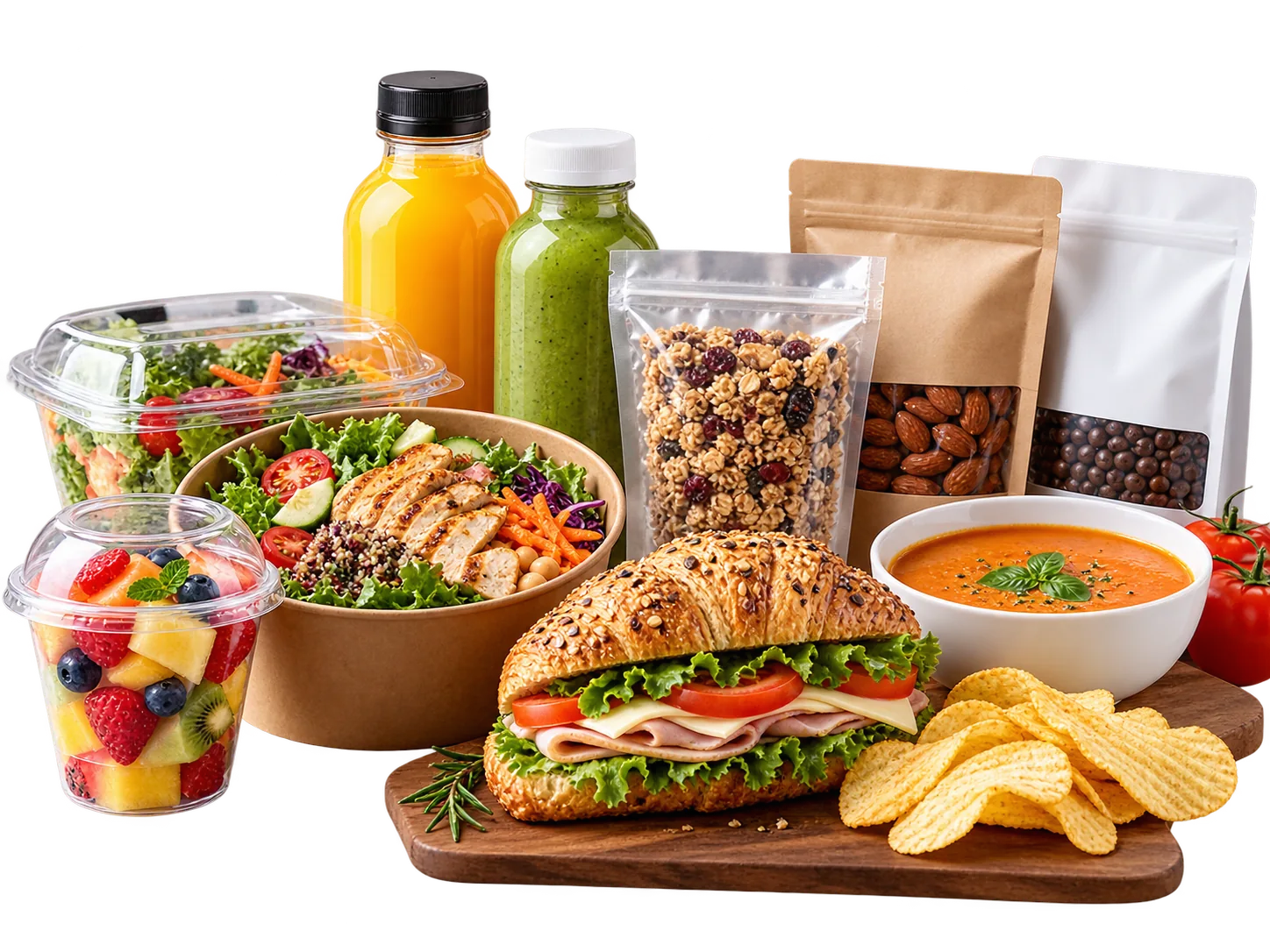
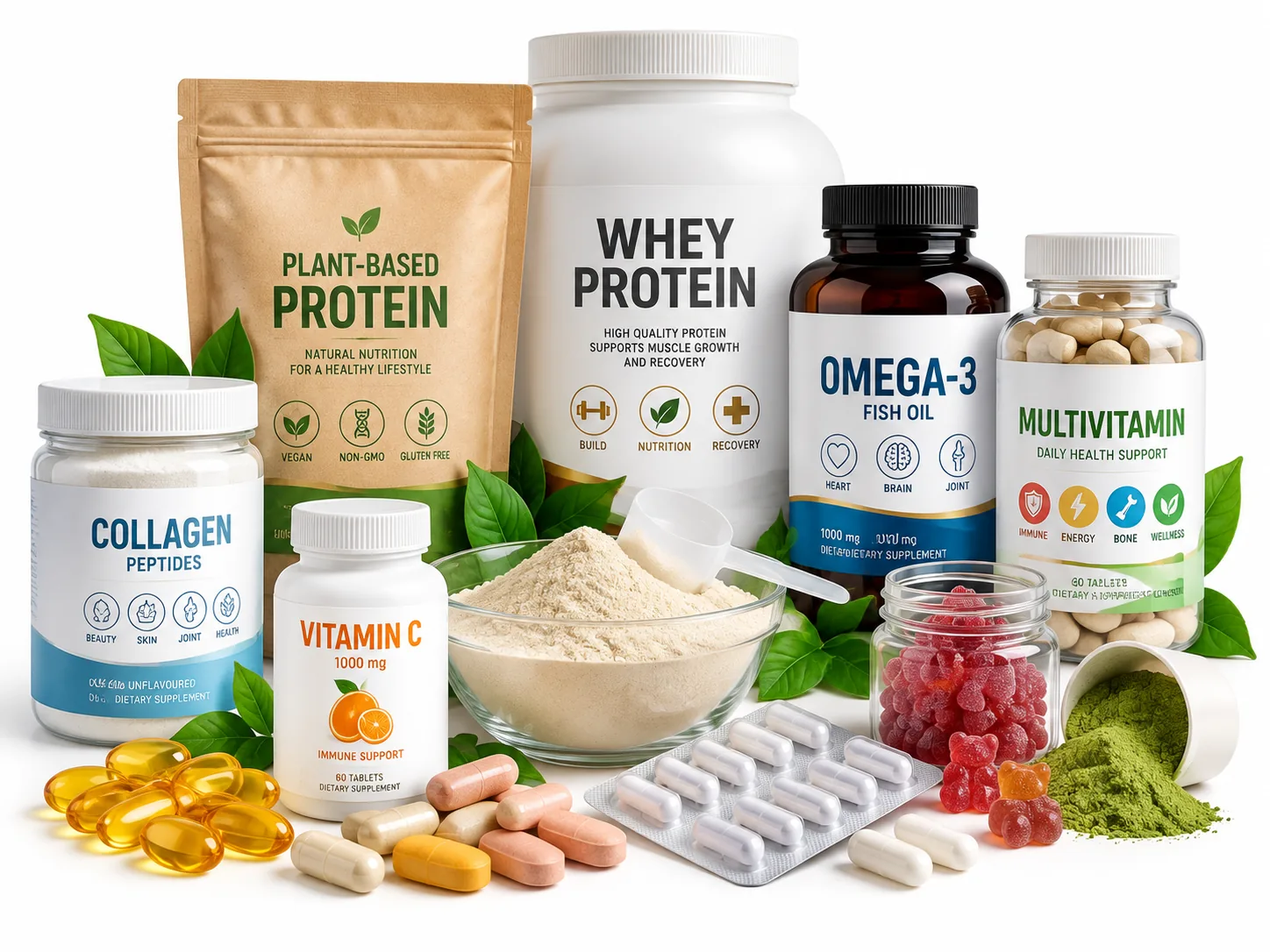
Applications by industry
Flexible packaging materials and structures for a wide range of markets.




Technical support
What you need to make the right material and structure decisions.
Structure guide
How material sensitivity, barrier performance and structure design fit together.
Barrier performance
Oxygen, moisture and light barrier performance across materials, on every product page.
Custom specification request
Tell us your product requirements and we will recommend the best structure.
Frequently asked questions
Answers to common questions about materials, structures and performance.
Tell us about your product
Let’s find the right packaging solution for your industry and application.
Key Information
A flexible packaging structure is written outside-in — PET/NY/AL/PE and the rest — with each layer doing one job: print and stability outside, barrier in the middle, and a sealant that touches the product.
- Structures are written outside-in, so the first layer is the printed outer surface and the last touches the product.
- PET carries print and dimensional stability; nylon carries puncture and flex resistance; aluminium foil carries the barrier; PE and CPP are sealant layers.
- Mono-material structures use one polymer family so they can enter an existing recycling stream.
- A structure string states neither thickness nor adhesive, so two identical strings can perform differently.
- The sealant layer decides whether a pack can be retorted.
What does PET/AL/PE mean?
Three layers written outside-in: a PET outer carrying the print, an aluminium foil middle providing the barrier, and a polyethylene inner that seals and touches the product.
When is a mono-material structure the right choice?
When recyclability in the destination market matters more than maximum barrier and heat resistance, and the shelf life can be met without a foil layer.
How do I know which structure my product needs?
Convert the shelf life into a required OTR and WVTR at stated conditions; those numbers select the laminate.